

Fresh ridges across the lawn usually mean a mole is still using a shallow tunnel, not that the whole yard needs a new treatment. The useful question is which ridge is live, and what you set in it.
Shop the Cinch mole trap for an active yard run
If you want to know how to get rid of moles in yard without guessing, start with one repaired ridge. The University of Minnesota Extension says most experts agree trapping is the most effective way to control moles in a garden. The same guidance says the trap belongs in a tunnel the mole is using now. Press a short section flat. If the turf lifts again within a day, that is the spot. Size the trap to that tunnel, set it in the run, and check it the next day.
This guide is the yard version of that plan. It covers which ridges to test and how to tell a mole from a gopher before you buy. It also covers which trap size fits a surface run, and when to stop and repair the lawn. Setup steps live on the how to set Cinch traps page, so this article stays on the yard decision.
How to get rid of moles in yard this week
A yard plan works when each step has a visible result. You are not treating grass. You are finding the path the mole still walks, then putting one trap in that path.
- Mark three ridges. Pick raised lines that look fresh, not every old seam in the lawn. Straight sections near the edge of the damage are easier to judge than a pile of loose soil.
- Press a short test. Flatten about a foot of each ridge with your shoe. Do not dig the tunnel open. You only need to see whether the mole pushes it back up.
- Wait up to 24 hours. Extension guidance says an active mole will raise the soil or turf again within a day. A ridge that stays flat is a poor place for a trap.
- Measure the live run. On the repaired ridge, open a small window only wide enough to see the tunnel width. Cinch mole sizes follow that width, not the size of the mound.
- Set one trap in that run. Follow the product steps, keep roots and stones out of the jaws, and check the set the next morning. Move it only if a different test ridge repairs and this one stays quiet.
That sequence is the whole job for a typical home lawn. Two traps facing opposite ways in the same live system can help on a long run, which is the tip on the setup page. You do not need a trap on every ridge.
Keep the test small. Three marked spots are enough to see a pattern. If none of them lift, walk the yard again and mark ridges you missed near the garden edge, a fence line, or a path the mole has been crossing. Old flattened seams from last month are not candidates. Fresh lift, where the grass is still pushed up and the soil feels hollow, is the only signal that matters this week.
Write the result down if the yard is large. A scrap note with the north ridge repaired and the side ridge flat saves you from resetting the same dead run tomorrow. The mole is not touring the whole property on a schedule you can guess. It is using the tunnel that food and soft soil still support.
Test three ridges, trap the one that lifts again within a day, and leave the quiet ones alone.
Read the yard before you buy a trap
Mole damage and gopher damage ask for different traps. A wrong guess wastes the first set. Moles hunt insects and earthworms, so they push up long surface ridges and round, volcano-shaped piles. Pocket gophers eat roots, plug the hole, and leave fan-shaped mounds with no raised highway across the grass.
Walk the damaged area once before you order anything. If you see a connected ridge you can press flat, you are looking at mole travel. If you only see plugged dirt plugs and wilting plants, read gopher holes versus mole holes and switch to a gopher trap. Mixed yards happen. Treat the animal that matches the fresh sign, not the one you expected.
- Mole: soft raised ridges, round soil piles, turf lifted but plants often still rooted.
- Gopher: fan or heart-shaped mounds, a plugged opening, plants cut from below.
- Vole: narrow surface trails in the grass, not a pushed-up tunnel you can collapse with a shoe.
Also count what you see before you assume the lawn is full of moles. Most home yards have one or a few animals, not a colony under every ridge. The guide on how many moles live in a yard is the place for that count. This page stays on removal once you know the sign is a mole.
Look at the lawn in daylight, not only at the worst patch by the sidewalk. A single fresh ridge through the back lawn is a different job from ridges in three separate beds. One connected system can be worked with one or two traps. Separate systems mean you finish the first live run, then test the next area. Buying a pile of traps before that test usually leaves hardware in tunnels the mole has already left.
Pets and kids change where you set, not whether trapping is the method. Place the trap in the tunnel, not on top of the grass where it can be kicked. The setup page covers the safety catch and the flag that marks the spot. Use the flag. A marked set is easier to check in the morning and harder to forget.
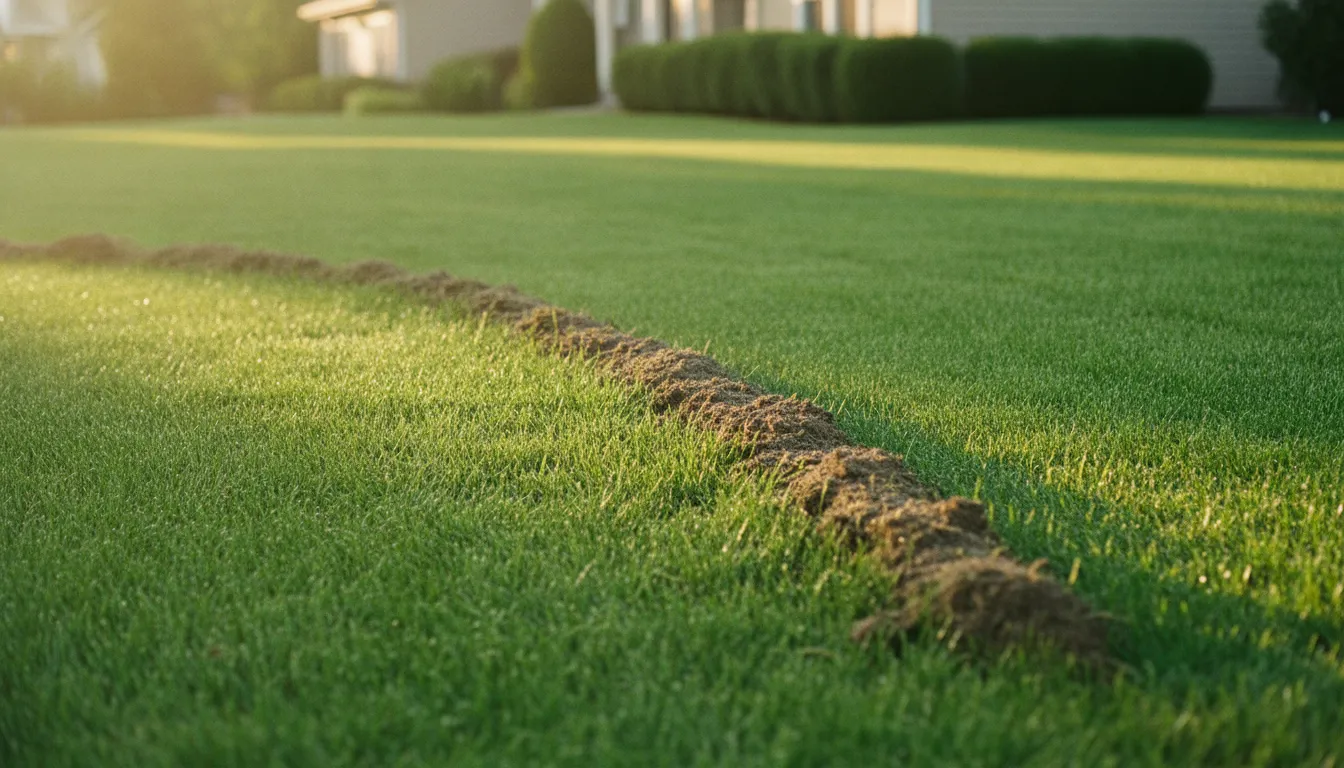
Buy for the animal that left the fresh sign. A surface ridge is a mole problem. A plugged fan mound is not.
Related products

Pick the tunnel a yard trap can actually use
Not every repaired ridge is a good set. Surface feeding runs sit just under the turf and change as the mole hunts. Deeper routes, often capped by a round molehill, are shelter tunnels. The University of Minnesota Extension tells homeowners to ignore the molehills and trap the surface network, because that is the path in daily use.
On a home lawn, favor a ridge that repaired after your press test, runs fairly straight, and sits in firm soil. Soft, sandy, or freshly watered ground lets a trap shift. If the first spot will not hold, move a few feet along the same live ridge rather than opening a new hole across the yard.
Depth matters for the set, not as a separate project. If you need to tell a shallow feed run from a deeper travel run before you commit, use active mole tunnel identification. Bring that answer back here and set the trap only where the ridge already proved it is live.
Open the tunnel only enough to see the hole and seat the trap. A long trench collapses the run and gives the mole a reason to dig around your set. Pack soil against the trap so light and air do not pour in, but do not bury the trigger so it cannot move. If the ridge is full of roots or gravel, slide a foot or two along the same live line until the path is clear.
Rain on the day you test can fake a repair or hide one. If a storm flattens every ridge, wait until the lawn firms and press the test again. A mole that is still there will rebuild the run it wants. You lose a day, not a trap.
Trap the surface ridge that repaired overnight. Skip the mound, and skip any run that stayed flat.
Match trap size to the yard tunnel
Cinch mole traps are sized to the tunnel, not to how bad the lawn looks. The product page lists three mole sizes. Measure the open run and pick the snug fit. A trap that rattles in the hole gives the mole room to pass. A trap that is jammed will not sit in the path.
| Choice | What to match in the yard |
|---|---|
| Small mole trap | Use this when the live run is about 1.25 to 1.5 inches wide. |
| Medium mole trap | Use this when the live run is about 1.9 to 2.25 inches wide. |
| Large mole trap | Use this when the live run is about 3 inches wide. |
A single Cinch mole trap is the right first tool when you have one live run and you want a replacement-ready trap on the shelf. It is handmade in Oregon, galvanized steel, and sold as a poison-free mechanical trap. Current price on that page is $24.99, with small, medium, and large chosen by tunnel width. The box includes one trap, a marker flag, and a brochure. Active and former military members can verify a 10 percent discount with a GOVX ID.
If this is your first set and you want two traps plus flags in one order, the mole trap collection also lists the mole kit and the deluxe kit. Two traps let you face opposite directions in the same live system, which matches the setup advice. Do not buy three sizes. Buy the width you measured.
Check local rules before you set anything. Trap laws depend on the state, the city, and the device. Are mole traps legal walks through that check. It does not replace a call to your state wildlife office.
Measure the live tunnel, choose the snug Cinch size, and start with one trap or a two-trap kit if the run is long.
What to do the morning after you set it
Check the trap at least every 24 hours. A sprung set means you open the spot and confirm the result, then reset only if a new test shows the run is still live. A trap that sits unchanged for two days usually means the mole moved. Flatten a different ridge and repeat the test instead of adding more traps to the quiet hole.
While you wait, resist the side projects that feel productive and do not remove the animal. Castor oil, chewing gum, and pinwheels do not tell you whether the mole is gone. Grub killer does not either. Moles eat earthworms as well as grubs, so a treated lawn can still feed them.
Purdue's plant diagnostic lab notes that mole control means an attractive bait or physically removing the mole. For a poison-free yard, physical removal is the path that leaves proof. You can see a sprung trap. You cannot see a mole that moved on after a spray.
If the set fires and the tunnel is empty, the trigger met a root, a stone, or a cave-in. Clear the path and reset once in the same live run. If it fires empty a second time, leave that hole and retest. Forcing the same pocket all week is how a simple yard job turns into torn turf.
University comparisons of trap designs are a different article. If you want the study context before you trust a mechanical trap at all, read whether mole traps work. Come back here for the yard sequence once that question is settled.
Judge the set every day. A quiet trap is a reason to retest ridges, not a reason to treat the whole lawn.
Repair the lawn only after the ridge stays flat
Pressed turf can look messy for a few days. Leave the live set alone until the trap has done its job and nearby test spots stay down. Then push the raised seam back against the soil, fill the small opening you made to measure the tunnel, and water for the grass rather than soaking the run.
New ridges later do not erase the first catch. Another mole can find the same soft ground. Keep one clean trap ready, walk the yard once a week, and test only the fresh lines. That is a shorter job than starting over with sprays.
Water the lawn for the grass, not to flood the tunnels. Daily soaking keeps soil soft and earthworms near the surface, which is the condition moles already like. After the live ridges stay down, press the seams flat so the next new line is obvious. Reseed bare spots once the soil has settled. A neat lawn is easier to read than a lawn still covered in last month's ridges.
Flat-rate shipping applies on Cinch orders. Do not expect free shipping. If you want the broader non-toxic comparison after the yard is stable, the non-toxic mole and gopher guide covers method choice. It is not a second setup checklist.
Fix the grass after the tested ridges stay flat. Keep one trap for the next fresh line.
Get the mole trap sized to your yard tunnel
Frequently Asked Questions
How do I get rid of moles in my yard without poison?
Find a surface ridge, press a short section flat, and set a mechanical trap only if the mole lifts it again within 24 hours. That is the poison-free method extension specialists recommend, because you can see whether it worked.
Which ridges in the yard should I trap?
Trap the ridge that repairs after you flatten it, especially a straighter section in firm soil. Skip round molehills and any line that stays flat. Those are poor sets even when they look fresh.
What size mole trap fits a home lawn?
Match the trap to the tunnel you measured. Small fits about 1.25 to 1.5 inches, medium fits about 1 7/8 to 2 1/4 inches, and large fits about 3 inches. The Cinch mole trap page lists those sizes.
Will grub control clear moles from the yard?
No. Grubs are only part of a mole's food. Moles also eat earthworms, so a grub treatment can leave the animal in place. Use it for a real grub problem, not as the removal step.
How soon should I check a new set?
Check at least once a day. If nothing changes for two days, retest other ridges and move the trap to one that repairs. Leaving it in a dead run only teaches you that the mole went elsewhere.