
How to Set CINCH Traps
Set your trap in just a couple minutes — no guesswork required.
How to Set a CINCH Trap
Follow this simple 4-step process to ensure proper placement and maximum underground activation.
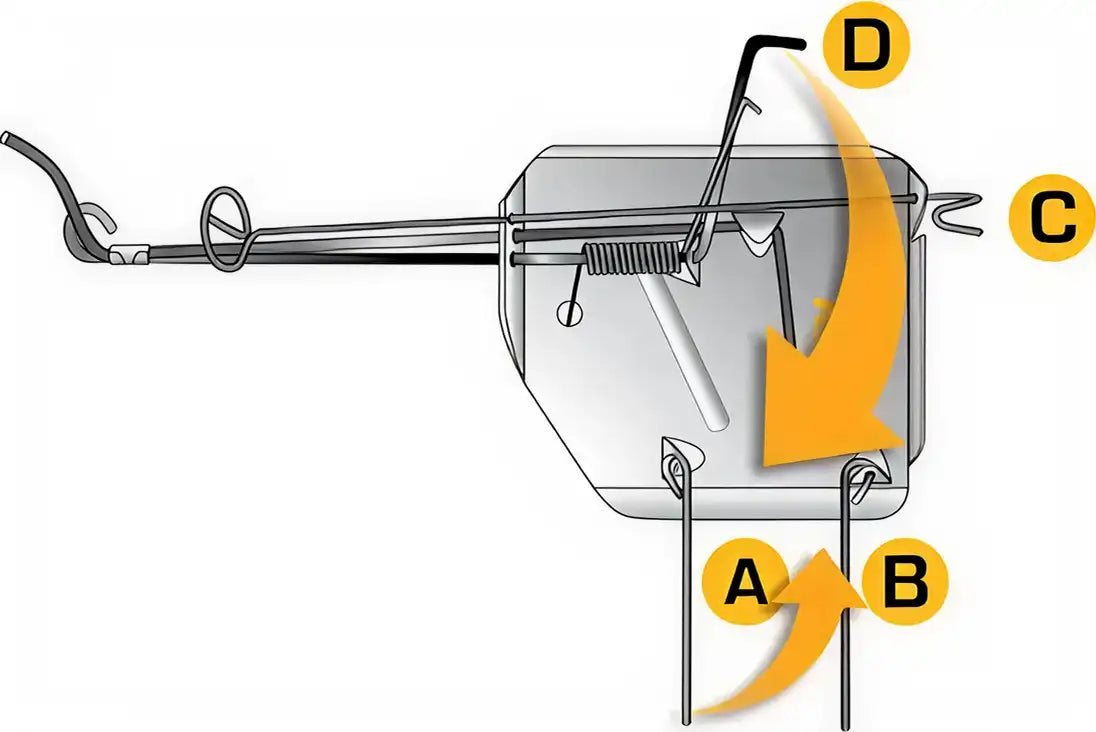
Expose the Tunnel
Start by locating a fresh mound or raised surface tunnel. Remove loose soil and carefully dig down until you expose the main runway beneath the surface.
Clear enough space to comfortably position one or two traps without collapsing the tunnel walls. A clean, open runway ensures proper trap alignment and consistent activation.
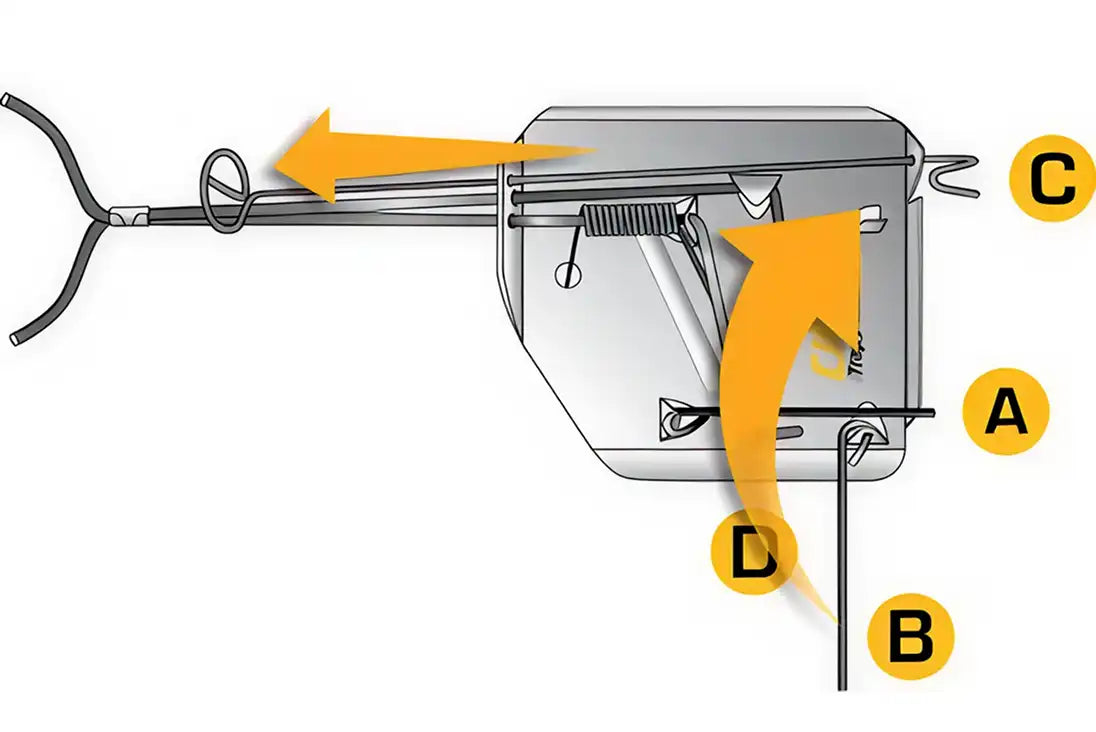
Set the Trigger
Hold the trap securely by the frame to maintain full control during setup. Raise the active jaw and carefully lock it into position using the safety hook.
Ensure the trigger wires are properly aligned and move freely without obstruction. Correct trigger positioning is essential for fast, reliable underground activation.
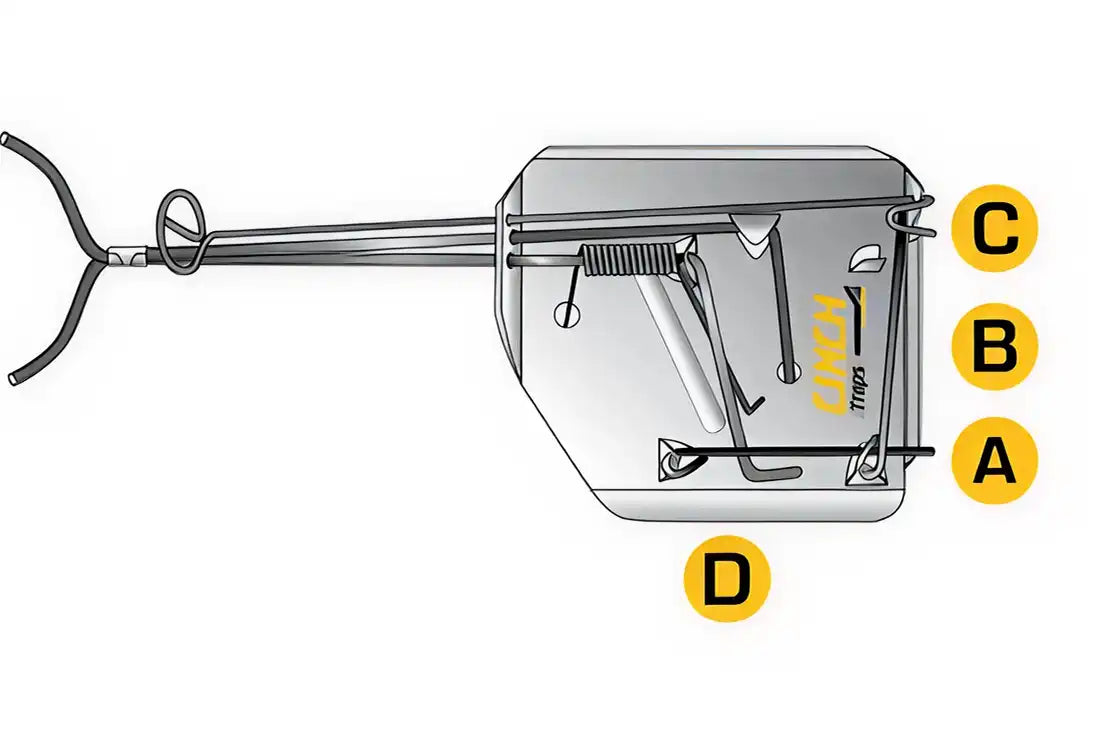
Position the Trap
Place the trap directly into the exposed runway so the trigger plate sits centered inside the tunnel path. The jaws should straddle the tunnel evenly for balanced pressure.
Avoid forcing the trap into compacted soil. It should sit naturally within the runway to allow smooth movement and accurate triggering when the mole passes through.
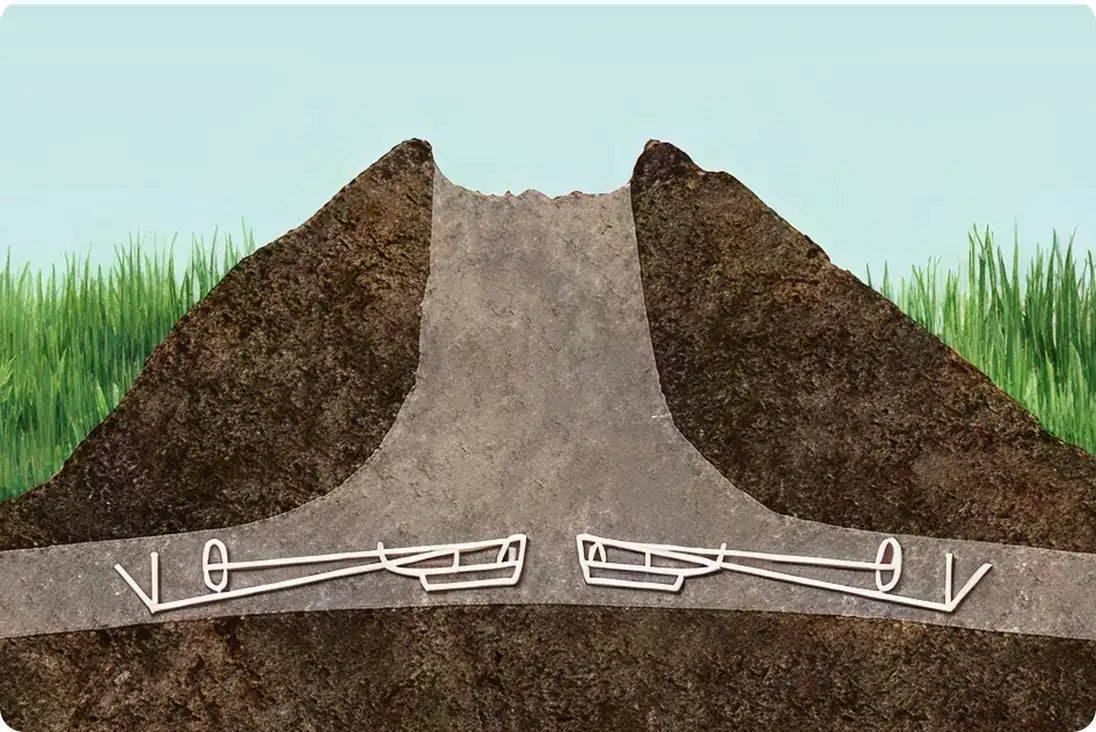
Arm and Monitor
Once the trap is correctly positioned, carefully remove the safety catch while keeping your hands clear of the jaws. Double-check that the trap remains stable inside the tunnel.
When activated, the visible set bar will shift position above ground, giving you a clear indication of a catch. For best results, place two traps facing opposite directions within the same tunnel system.
How to set traps in Mole and Gopher Tunnels
Watch the Setup in Action
See exactly how professionals position, arm, and monitor CINCH traps for maximum results.
- Proper tunnel exposure
- Trigger positioning
- Safe activation technique
Identifying Mole and Gopher Mounds
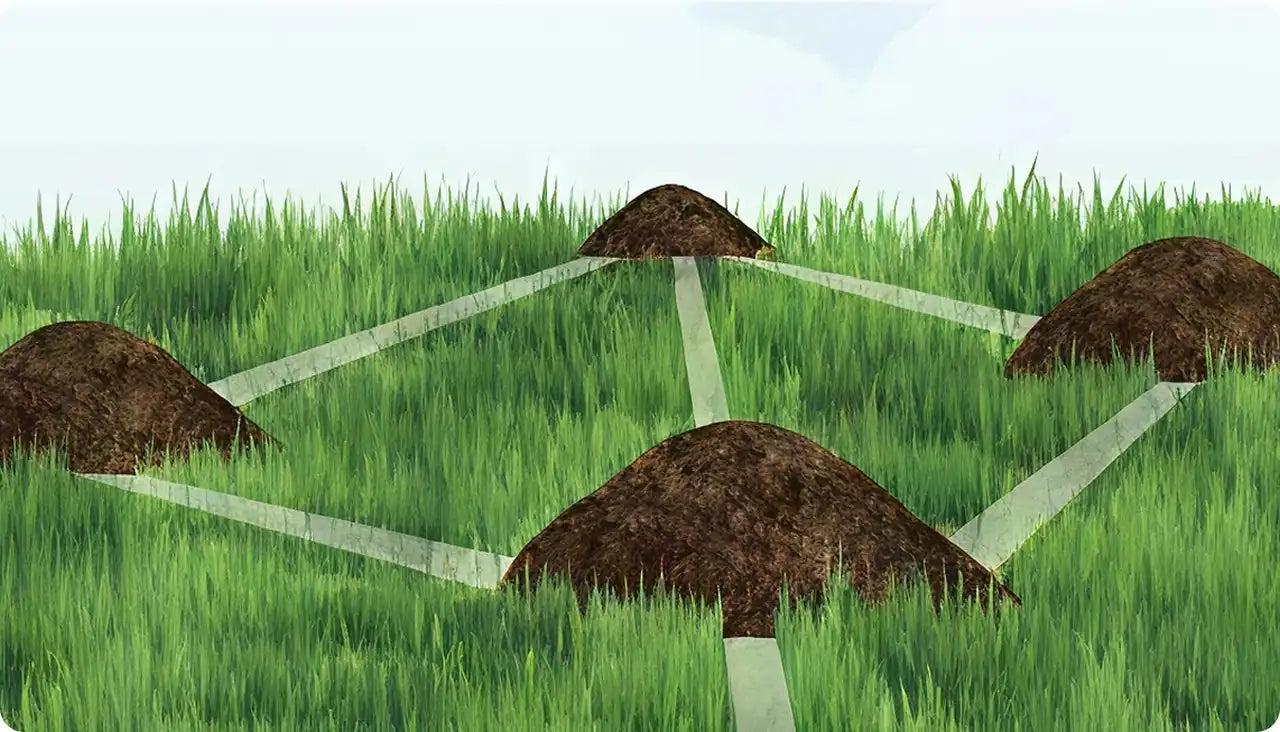
Mole
The key to identification of a mole is the mound. The mole mound is somewhat conical in shape and not much over a foot in diameter. A mole mound will often be formed by fine soil. The hole is not evident when you look at the mound. Push the soil aside and you will find the hole under the center of the mound. Each mound is connected with another in a line by the moles runway system. Mole runways may vary from 1” to 2,” but seldom over 2.”
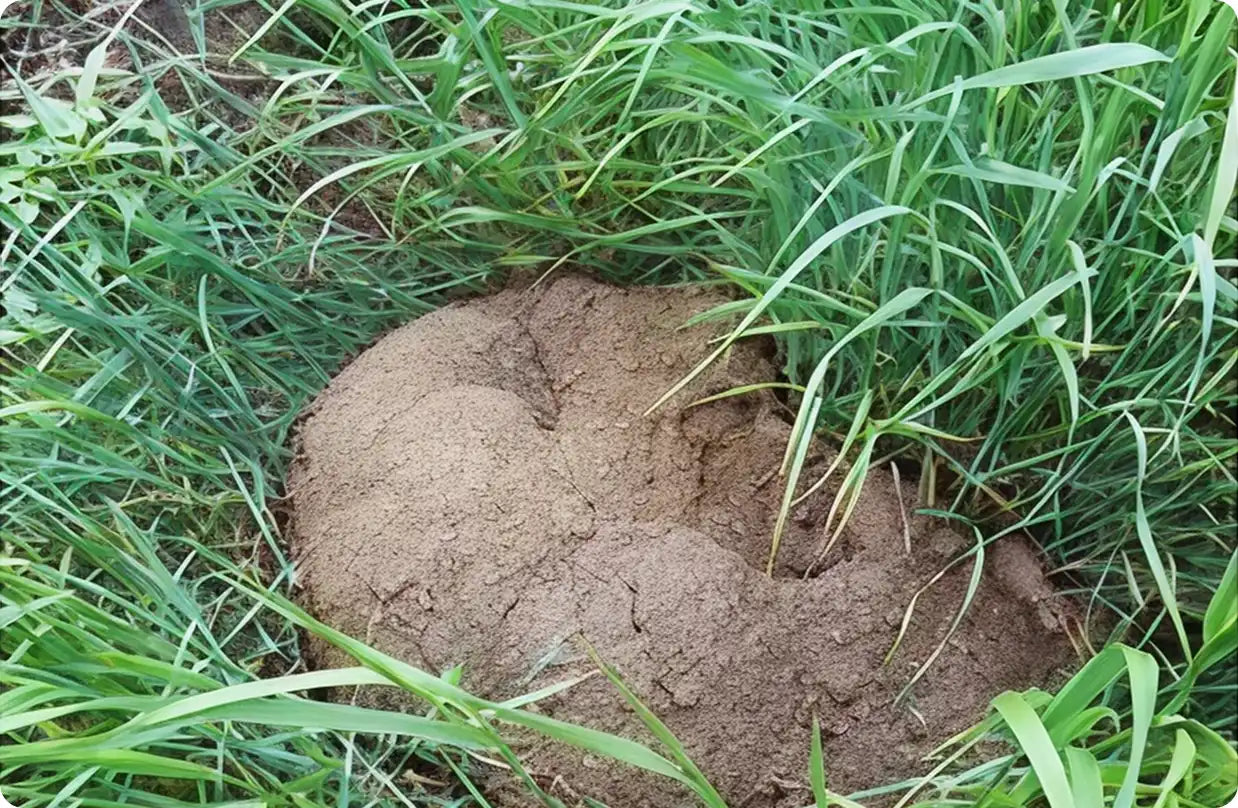
Gopher
Gophers are active throughout the year and fresh workings may be found in any month. A gopher will dig up to 7 or 8 tunnels which may extend as much as 800 feet each. Most of the tunneling activity can be seen during the fall. Burrows vary from 2 to 3 inches in diameter. These are mostly parallel to the ground surface, usually at depths from 6 to 12 inches, with secondary tunnels down 24 to 30 inches. New activity sometimes is not visible above ground, because the gopher is very capable of backfilling tunnels that are no longer needed. By fall, one gopher will have accumulated seven or eight storage rooms packed with tubers, and roots. Because of its subterranean nature and the sometimes-limited amount of surface sign, the damage caused by this animal often goes unnoticed.
Frequently Asked Questions
How Do I Know If a Mole Tunnel Is Active Before Setting the Trap?
Active tunnels are usually shallow and appear as raised ridges across your lawn. Gently press down a section of the tunnel and check it again after 24 hours. If the tunnel has been repaired, it's active and ready for trap placement.
Is the CINCH Trap Safe to Use Around Pets and Children?
Yes, when installed and handled according to the instructions. Place the trap only in active underground tunnels and keep children and pets away from the installation area until trapping is complete.
How Long Does It Typically Take to Catch a Mole?
When placed in an active tunnel, many users see results within a few days. Success depends on proper placement, active tunnel selection, and regular monitoring of the trap.
Can the CINCH Trap Be Reused After It Is Triggered?
Absolutely. CINCH Traps are made from durable galvanized steel and are designed for repeated use. Simply reset the trap according to the instructions and reposition it in another active tunnel if needed.
What Tunnel Size Should I Choose for My Yard?
Choose a trap that matches the size of the active tunnel and the target pest. If you're unsure which model is right for your property, use our Trap Finder or contact our team for expert guidance.