
Mole or Gopher? Choose the Right Solution Fast.
Identify the pest in seconds and see why CINCH traps work better for your yard.
Spot the Difference in Seconds
Quickly identify the type of damage in your yard so you can choose the correct trapping solution with confidence.
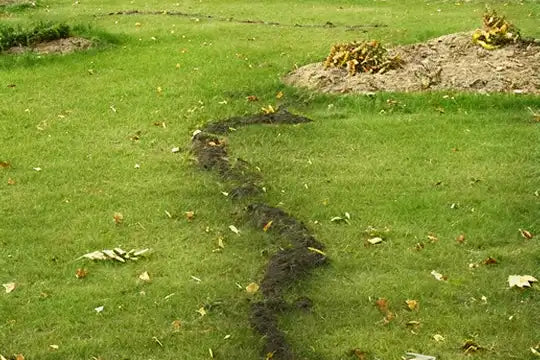
Mole Surface Trail
Raised, winding ridges just beneath the lawn surface. Indicates shallow feeding tunnels as moles search for insects.
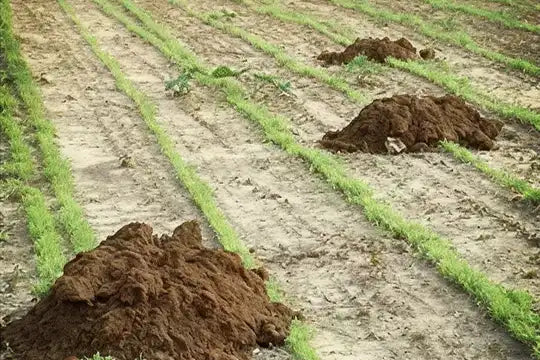
Mole Mound
Round, volcano-shaped mound with soil pushed upward from the center. Typically no visible side opening.
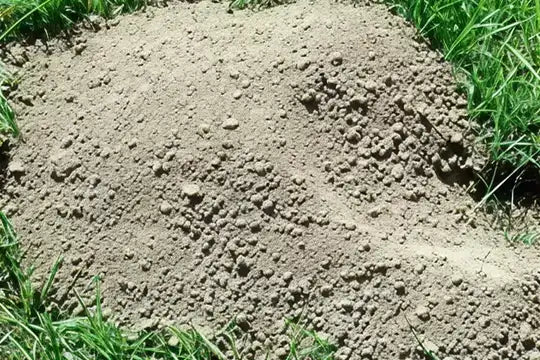
Gopher Mound
Fan-shaped or crescent-shaped soil pile. Tunnel opening is usually plugged off to one side.
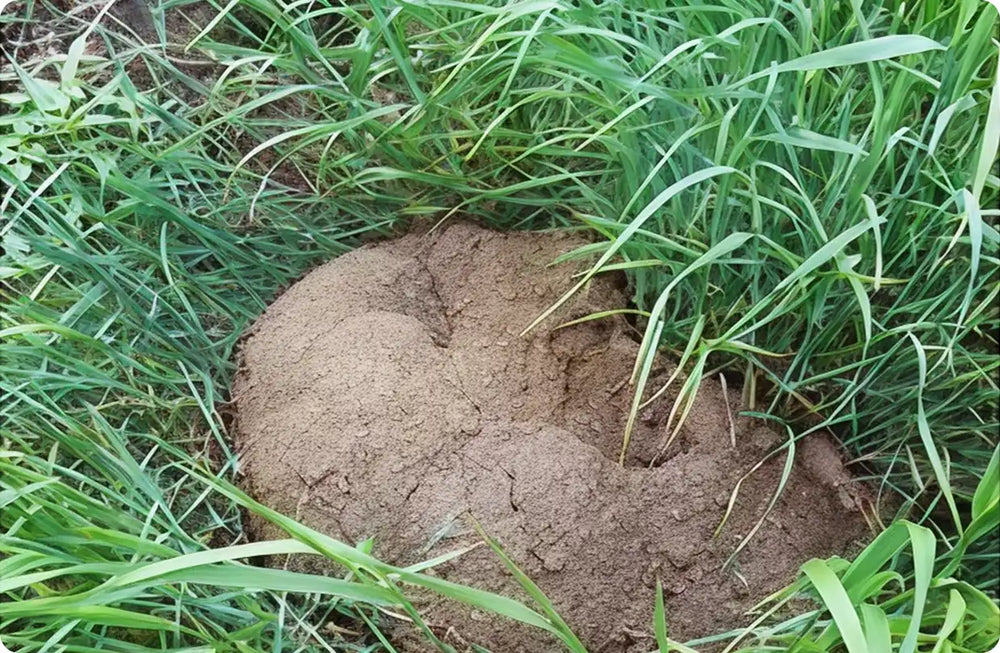
Gopher Plugged Hole
Visible tunnel entrance sealed with loose soil. Common along fence lines, gardens, or near plant roots.
Moles vs Gophers: Key Differences
Key Differences
 Mole
Mole
 Mole
Mole Gopher
 Gopher
Moles
Underground experts with a big impact on your lawn.
Moles are insect-eating mammals that live underground in extensive tunnel systems. They create raised, volcano-shaped mounds as they push soil to the surface.
Quick Facts

Identification
Eyes
Very small and often hidden beneath fur, with limited vision.
Ears
Small external openings concealed by fur, helping movement through tunnels.
Teeth
Sharp teeth designed for feeding on insects and underground prey.
Behavior
Solitary
Moles live and hunt alone in their own tunnel systems.
Nocturnal / Active Hours
Most activity happens early morning, late evening and overnight.
Territorial
They protect their tunnels and feeding grounds from other moles.
Diet & Feeding
Earthworms
Grubs & Larvae
Beetles
Insects
Other soil invertebrates
Signs in Your Yard
Volcano Mounds
Cone-shaped soil piles created as moles push loose dirt upward.
Surface Ridges
Raised lines across the lawn caused by shallow feeding tunnels.
Soft Ground Areas
Spongy sections in the lawn where underground tunnels run beneath.
Habitat & Tunnels
Preferred Soil
Moles prefer moist, loose soil rich in insects and earthworms.
Surface Tunnels
Shallow feeding tunnels run just below the lawn surface.
Deep Tunnel Systems
Permanent deeper tunnels are used for nesting and movement.
Life Cycle
Spring (March–May)
Breeding season begins, and moles establish territories.
Summer (June–August)
Young moles grow quickly and begin independent movement.
Fall (September–November)
Tunnel expansion increases as feeding activity continues.
Winter (December–February)
Remain active underground while relying on deeper tunnel systems.
Mole Species Shown

Townsend’s Mole

Star-Nosed Mole

Shrew Mole

Hairy-Tailed Mole

Eastern Mole

Coast Mole

Broad-Footed Mole
Gophers
Persistent burrowers that can quickly damage lawns and landscapes.
Gophers are burrowing rodents that create extensive underground tunnel systems, damaging roots, plants, and lawn areas as they dig.
Quick Facts

Identification
Teeth
Large front incisors used for digging and chewing through roots.
Cheek Pouches
External fur-lined pouches used to carry food and nesting material.
Eyes & Ears
Small features adapted for underground living and limited visibility.
Behavior
Solitary
Gophers typically live alone in their own tunnel systems.
Constant Digging
They continuously expand tunnels in search of food and territory.
Territorial
Gophers aggressively defend their burrow systems from others.
Diet & Feeding
Roots
Plants & Stems
Tubers & Bulbs
Shrubs & Young Trees
Seeds & Grains
Signs in Your Yard
Crescent Mounds
Fan-shaped soil mounds commonly left near tunnel openings.
Plant Damage
Chewed roots and damaged vegetation caused by underground feeding.
Tunnel Openings
Hidden or plugged entrances leading into burrow systems.
Habitat & Tunnels
Preferred Soil
Gophers prefer soft, workable soil for easier digging.
Extensive Burrows
Their tunnel systems can stretch across large areas underground.
Food Storage Areas
Gophers stash roots and tubers in dedicated chambers within the burrow.
Life Cycle
Spring (March–May)
Breeding season begins and new burrows expand.
Summer (June–August)
Young gophers mature and establish their own territories.
Fall (September–November)
Feeding activity continues as food storage increases.
Winter (December–February)
Remain active underground throughout the colder months.
Gopher Species Shown

Yellow-Faced Pocket Gopher

Southern Pocket Gopher

Southeastern Pocket Gopher

Plains Pocket Gopher

Northern Pocket Gopher

Desert Pocket Gopher

Botta’s Pocket Gopher
Where Moles & Gophers Are Found
Click on a region to discover which mole and gopher species live there, along with quick details to help you identify them.


Townsend’s Mole
The largest mole in North America, common in Pacific Northwest lowlands and known for heavy soil mounds.

Townsend’s Mole

Star-Nosed Mole

Shrew Mole

Eastern Mole

Coast Mole

Broad-Footed Mole

Hairy-Tailed Mole
Townsend’s Mole
The largest mole in North America, common in Pacific Northwest lowlands and known for heavy soil mounds.

Yellow-Faced Pocket Gopher

Southern Pocket Gopher

Southeastern Pocket Gopher

Plains Pocket Gopher

Northern Pocket Gopher

Desert Pocket Gopher
