

What is a vole, and could one be behind the narrow paths or clipped plants in your yard? Voles are small, mouse-like rodents that feed on vegetation and often travel through grass, mulch, or ground cover. Their signs can be confused with mole or gopher activity, but the animals have different habits and require different responses.
Ask Cinch for help identifying the problem
Before buying or setting a trap, look closely at the pattern of damage. Moles may push up raised ridges as they tunnel underground. Gophers may leave soil mounds near tunnel entrances. Voles more often leave surface runways and plant-feeding evidence. Identifying the likely animal first helps prevent using a tool designed for a different pest.
What is a vole, and what does it look like?
A vole is a small rodent with a compact body, short tail, small ears, and a blunt face. There are multiple vole species, and color and size vary, so appearance alone may not be enough for identification. You may never see the animal itself. More often, a property owner notices a trail in grass, chewed vegetation, or a small opening in dense cover.
Voles eat plant material. Depending on the setting and season, their food may include grasses, roots, bulbs, seeds, or bark near the base of young trees and shrubs. They use burrows or sheltered places and move along routes beneath grass, mulch, or low plants. Their close-to-the-ground habits help explain why damage can be visible even when the animal is not.
It helps to distinguish a vole from a mole. The names sound alike, and both animals may be associated with lawn damage, but voles are rodents and moles are specialized underground mammals. Moles feed mainly on insects and other soil invertebrates; voles feed on plants. Gophers are rodents too, but their digging often leaves a different pattern, including soil pushed out around tunnel entrances.
- Vole: Look for narrow surface paths, small openings, and chewed plants.
- Mole: Look for raised ridges and subsurface runways.
- Gopher: Look for fresh soil mounds and underground feeding signs.
These clues are useful starting points, not guarantees. Soil, weather, vegetation, and animal activity can make signs subtle or irregular. A path alone does not prove a vole is present, just as a mound alone is not a complete identification. Pair the evidence with its location, shape, and connection to plant damage. If the animal is not visible, that is normal; focus on the traces it leaves.
Think of the identification process as comparing several clues rather than trying to match one mark to one animal. A short trail through grass means something different when it ends at chewed stems than when it sits beside a raised soil ridge. The more signs that point in the same direction, the more useful your working identification becomes.
Takeaway: Voles are plant-feeding rodents, while moles and gophers have different habits and leave different clues.
What signs suggest voles are in your yard?
Begin where the damage appears. Vole runways may look like narrow, worn paths through grass or ground cover. They are often easiest to see where lawn edges meet beds, shrubs, tall grass, or other sheltered areas. Look for short paths linking cover, small burrow openings, clipped stems, and chewing near the soil line. Gnawing on bark near a young tree or shrub can be another clue, though it is not proof by itself.
Check for more than one sign in the same area. A single worn line might come from a pet, foot traffic, irrigation, or ordinary lawn wear. A damaged plant can also have several possible causes. A cluster of connected paths and fresh feeding damage makes the vole possibility more credible than either clue alone.
- Walk the edges of lawns, garden beds, and dense ground cover rather than inspecting only an open lawn.
- Look for repeated narrow paths that connect sheltered places with plants or other cover.
- Inspect young trees, shrubs, and garden plants for fresh chewing near the base.
- Note small openings, but do not assume every hole belongs to a vole.
- Look nearby for raised ridges or fresh mounds that may point to another animal.
Record what you find before disturbing the area. A phone photo with an object nearby for scale can help you compare the same spot later. Write down the location, type of damage, and whether it looks fresh. Rechecking after a short interval is more useful than guessing from one old mark, because new activity may show whether a path is still in use.
Look at the whole route, not just a single section. Does it disappear under a shrub? Does it connect two patches of cover? Are there cut stems nearby? Those details help you build a more complete picture. If you see raised ridges rather than surface paths, compare the evidence with Cinch's guide to mole activity and lawn damage. Fresh soil mounds may call for a different comparison; see its guide to identifying and trapping gophers.
Do not rush to remove all nearby vegetation before documenting the signs. First take pictures and note the locations. Then decide whether trimming excessive cover around a vulnerable bed is practical. This order preserves useful evidence and makes it easier to tell whether the pattern changes later.
Takeaway: Look for several connected signs, then compare their position and type before deciding that voles are responsible.
How can you tell a vole from a mole or gopher?
The useful distinction is often where the damage happens and what it looks like. Voles move and feed near the surface, so paths through grass and plant chewing are clues to investigate. Moles travel underground while searching for soil invertebrates; their tunnels may create raised ridges. Gophers also tunnel below ground, and soil mounds can mark places where they have excavated. Real yards can show overlapping clues, so use them as evidence to check rather than as a perfect test.
The table offers a first comparison. Its first-step column is about identification, not a promise that one treatment fits every property.
| Animal | Clues to check | Typical food | Useful first step |
|---|---|---|---|
| Vole | Surface paths, small openings, chewed stems or bark | Grasses and other plants | Inspect cover and feeding damage |
| Mole | Raised ridges and underground runways | Insects and soil invertebrates | Locate a likely active runway |
| Gopher | Fresh soil mounds and underground feeding signs | Roots and plant material | Identify fresh activity and use a gopher-specific method |
Consider a common example: a homeowner sees disturbed lawn beside a bed and assumes a mole caused it. If the line is a shallow path in grass and nearby stems show chewing, vole activity deserves a closer look. If soil forms a raised ridge, an underground mole runway becomes more plausible. Separate soil mounds point toward investigating gopher activity. The difference is not merely that the lawn looks damaged; it is the combination of surface pattern, soil movement, and feeding evidence.
Do not set a mole trap just because there is damage in the yard. A mole trap is meant for a mole traveling through an underground runway, not a vole using a surface route. Gopher equipment and placement differ too. Cinch's mole and gopher FAQ helps compare those animals, while its gopher trap guide focuses on gopher signs and methods.
Consider whether the evidence is fresh. A previous animal may have left a path or mound that is no longer active. Fresh damage, renewed soil, or an altered runway is more useful for planning than an old mark that has not changed. When clues conflict, pause and gather more observations rather than forcing a single answer. Keep notes by location so one type of sign does not cause you to misclassify a different area of the yard.
Takeaway: Surface paths and plant feeding suggest a vole; raised ridges or soil mounds point more strongly toward other burrowing animals.
What should you do when you suspect vole activity?
Start with a simple inspection rather than immediately buying a mole trap or applying a control product. Take photos, note where paths begin and end, and record which plants have been affected. If the area is easy to revisit, check it again after a day or two for fresh activity. This record helps distinguish a continuing problem from old damage or ordinary wear.
- Map the evidence. Mark paths, openings, damaged plants, ridges, and mounds on a sketch or phone photo.
- Separate surface and soil signs. A worn path across grass differs from a ridge pushed up by an underground tunnel.
- Check vegetation. Note clipped stems, root damage, or bark gnawed near ground level.
- Reduce avoidable cover. Keep grass trimmed around vulnerable beds and remove weeds or debris when appropriate.
- Protect vulnerable plants. Consider suitable guards for young trees and shrubs, installed so they do not injure the plant.
- Reassess the animal. If clues point to moles or gophers, use a guide for that animal and its travel route.
Habitat cleanup can make signs easier to inspect and reduce some sheltered routes, but it is not a guaranteed fix. Voles may use many kinds of cover, and each yard has its own conditions. Work carefully around established plants and wildlife. Avoid removing cover indiscriminately if it serves a garden, erosion-control, or other useful purpose.
If considering a pesticide or rodenticide, consult the U.S. Environmental Protection Agency's pesticide resources and read the product label before use. Use only products labeled for the intended pest and setting, and follow label directions and precautions, especially where children, pets, wildlife, or food crops may be present. Do not apply a product based only on a guess about which animal made a path.
If you confirm mole activity instead, locate an active underground runway and use a trap intended for moles according to its instructions. Cinch explains its approach in how the trapping system works. For gopher signs, its gopher placement guide is a more relevant starting point. Keeping the routes separate avoids treating all small animals as one problem.
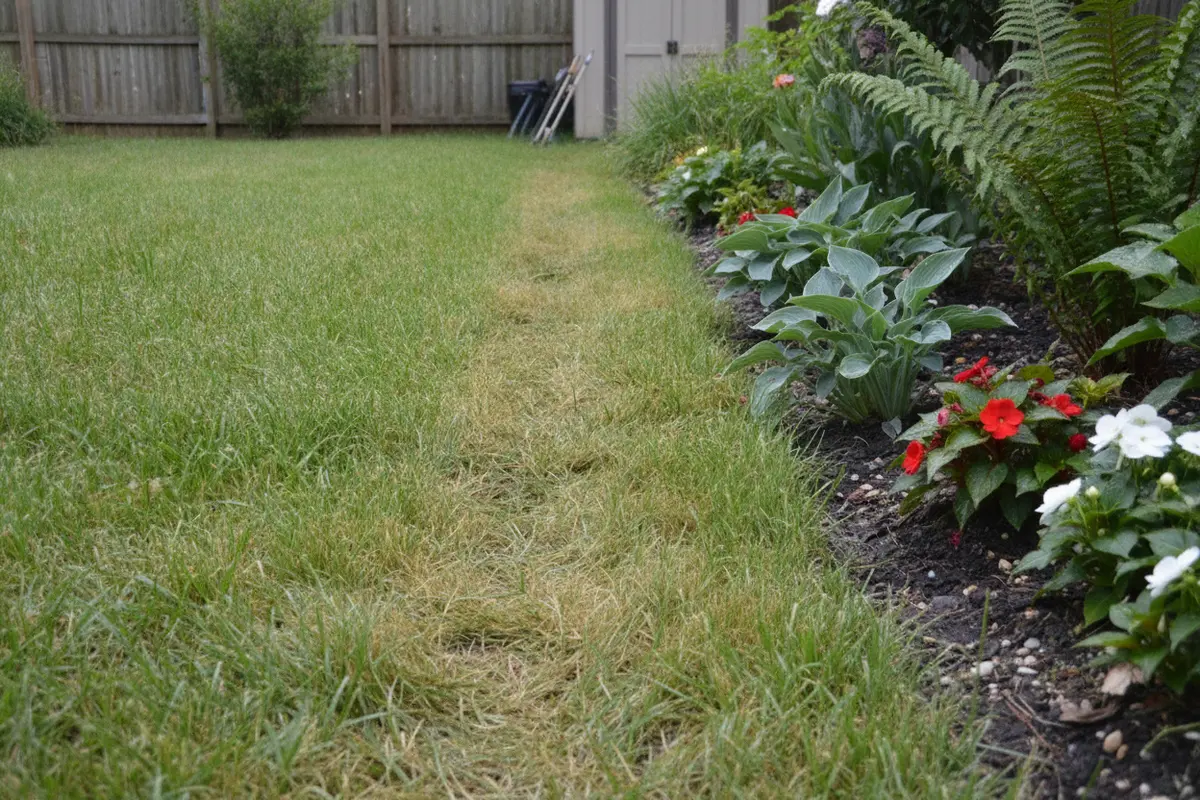
For a practical example, suppose you find a faint path and one chewed plant but no mound or ridge. Photograph the spot and inspect nearby cover. Revisit it later. If the path has fresh edges or more plants show feeding damage, you have stronger evidence of ongoing surface activity. If nothing changes, avoid assuming that every mark requires a control device. The goal is a careful decision, not a rushed purchase.
Takeaway: Document the evidence, manage cover thoughtfully, and select a control method only after reasonable identification.
When is a mole trap the right tool?
A mole trap is relevant when the evidence points to moles and you have identified a runway the animal is using. It is not a general-purpose answer for every hole, path, or damaged plant. If signs point to voles, first verify the animal and determine what response fits that situation. If you find gopher mounds, use a gopher-specific approach instead.
For a suspected mole, inspect ridges and tunnel patterns, then look for a section that appears active. An abandoned tunnel will not offer the same opportunity as a route the animal still travels. Follow product directions for checking activity and placing equipment. Avoid crushing or filling the intended route unnecessarily, and keep a set away from children, pets, and places where someone could contact it accidentally.
A trap's job depends on the relationship between the target animal and its travel route. An in-tunnel trap is positioned where a mole naturally moves underground. That is why identification and placement matter as much as the tool itself. Cinch's step-by-step mole trap guide covers setup considerations. If the yard evidence is not clear, its mole identification guide can help compare signs before proceeding.
Once you confirm the problem is moles, review the Cinch mole trap and check product instructions for correct setup. The trap is reusable and carries a lifetime warranty, supporting long-term use when cared for properly. Cinch has made traps in Oregon since 1909; that history supports the product story, but correct target identification and placement remain essential. Browse the full trap and kit selection if a different target pest is involved.
Do not assume that buying a trap resolves uncertainty about the animal. A homeowner who has vole paths should not treat a mole trap as the natural next step merely because the device is available. Compare surface paths, raised ridges, plant damage, and mounds. If a mole is confirmed, use a mole-specific guide; if not, gather more evidence or ask for help. Product choice follows identification, not the other way around.
Takeaway: A mole trap is for a confirmed mole in an active underground runway, not for an unverified vole path.
Why might a mole trap fail to catch?
If you confirm moles and a trap does not catch, review the setup methodically. A missed catch does not automatically show that the animal has left or that the trap is unsuitable. The runway may be inactive, the target may have been misidentified, or the trap may not be positioned in the route. Soil collapse, debris, or disturbance around the set can also affect results.
- Recheck the animal. Surface paths and feeding damage may indicate voles; mounds may indicate gophers.
- Confirm current use. A visible ridge does not prove a mole still travels through that section.
- Review placement. Check that the trap is in the intended runway and the route was not damaged.
- Read the directions. Use the correct product and follow setup, safety, and checking instructions.
- Allow a realistic interval. A trap is generally set and left for a period, not a guaranteed instant result.
Suppose you place a mole trap beside a shallow track and see no catch. First ask whether the track is a mole runway at all. If it is a surface path, changing the trap position may not address the real problem. If you confirmed a mole, check whether the tunnel is active and whether setup followed the product instructions. That sequence is more useful than repeatedly moving a trap without learning why the first set missed.
Keep a simple log: where the trap was set, what sign led you there, when you checked it, and what changed. If no new activity appears, the runway may not be active. If signs continue elsewhere, they may belong to another route or another animal. Adjust your inspection based on evidence, not solely on frustration with one missed set.
For product-specific setup, review how to set a mole trap. For uncertain signs, the mole and gopher FAQ can help compare likely causes. You can also contact Cinch with your question when you want help choosing the relevant guide.
Takeaway: Before changing a set, check whether the animal, active route, trap choice, and placement all match.
How can you protect plants and keep the yard manageable?
While identifying the animal, take reasonable steps to limit further plant damage. Keep vulnerable planting areas visible enough to inspect, and trim excessive grass or weeds around a bed when practical. Remove piles of garden debris that are not serving a useful purpose. For young trees or shrubs, a suitable guard may protect the lower trunk from gnawing; choose and install it so it does not bind as the plant grows.
Think about the layout rather than changing the whole yard at once. If fresh damage is concentrated around one bed, begin by checking paths and cover around that bed. If several areas show different signs, map them separately instead of assuming one animal caused everything. A vole may feed close to the surface while a mole or gopher creates a different underground pattern nearby.
Keep children and pets away from traps and control products, and follow manufacturer directions. Store equipment safely when not in use. If a pesticide is being considered, refer to official guidance and its label rather than adapting a method from an unrelated pest problem. Cinch's overview of its trapping approach and product instructions can help when the confirmed target is a mole or gopher, but neither changes the need to identify a vole first.
Some damage may not stop immediately after you adjust cover or protect a plant. Continue checking the same locations, note fresh signs, and update your plan if evidence changes. Where identification remains uncertain or damage is extensive, contact a qualified local wildlife or pest-management professional familiar with local conditions and rules. A clear record of where and when signs appeared will make that conversation more useful.
Takeaway: Protect vulnerable plants, keep evidence visible, and revisit affected spots instead of assuming one cleanup step solves the problem.
Frequently asked questions about voles
Are voles the same as moles?
No. Voles are small rodents that eat plant material. Moles are underground mammals that feed mainly on insects and other soil invertebrates. Their signs and appropriate control methods differ.
Do voles make raised ridges in a lawn?
Voles may leave narrow surface paths, while raised ridges and underground runways are more commonly associated with moles. Look at the full pattern, including plant damage and soil mounds, before identifying the animal.
Will a mole trap catch a vole?
A mole trap is designed for a mole's underground runway, not a vole's surface route. Confirm the pest and follow product instructions rather than placing a trap at random.
What should I do if I cannot identify the animal?
Photograph the damage, note surface paths, ridges, plant chewing, or mounds, and check the locations again for fresh activity. Compare signs with the Cinch mole guide or gopher guide, or contact Cinch to choose a starting point.
Are voles active only in one season?
Do not rely on the season alone to identify a yard problem. Where paths occur, whether plants are chewed, and whether soil is pushed up are more useful clues about which animal may be present.
Takeaway: When clues are uncertain, document them and ask for help instead of choosing a trap based on a guess.
Explore the Cinch mole trap for confirmed mole activity
A vole and a mole may affect the same yard, but they are different animals with different habits. Identify the signs first, then choose a response that matches the animal and where it travels.