

Do gophers hibernate? No. Pocket gophers remain active underground through winter, although their activity may look different when cold weather changes the soil and plants around them. That distinction matters if you find fresh mounds, damaged roots, or plugged openings during the colder months. Waiting for spring can give an active gopher more time to damage a lawn, garden, pasture, or irrigation area.
Get help choosing your next step
The practical answer is not to wait for an animal to emerge above ground. Instead, identify the pest, look for a currently used tunnel, and place a properly sized trap in the route the gopher is already using. This guide explains what winter behavior can tell you, how to read the evidence in your yard, and how to build a sensible control plan with a reusable mechanical trap.
Do gophers hibernate in winter?
Gophers do not enter true hibernation. Pocket gophers are built for life below the surface, where they excavate tunnels, feed on roots and other plant material, and maintain parts of their burrow system. Because their normal routine already takes place underground, winter does not require the same dramatic change in behavior seen in animals that sleep through a season.
Cold weather can still affect what you notice. Frozen ground, wet soil, snow, and dormant vegetation may make new mounds harder to see. A gopher may also spend more time within established tunnels instead of producing obvious surface signs every day. That can make a yard seem quiet without meaning the animal has left.
Extension guidance also distinguishes winter dormancy from gopher and mole activity below ground. The University Extension answer about winter activity notes that moles and gophers spend winter underground but do not hibernate. The useful takeaway for a property owner is simple: seasonal conditions may hide the evidence, but they do not make an active burrow irrelevant.
- No true hibernation: a gopher does not simply sleep until warm weather returns.
- Underground activity: much of its normal movement is already protected from surface weather.
- Less visible evidence: rain, frost, snow, and dormant plants can conceal fresh work.
- Continued damage: roots, bulbs, and irrigation features can still be affected below ground.
Gophers do not hibernate; they remain underground and can continue using and extending their tunnel system during winter.
What changes when gophers are active during cold weather?
Winter changes the conditions around a gopher, not the basic reason it uses a tunnel. The animal still needs food, shelter, and a route through its territory. It may use existing passages, repair collapsed sections, and push soil toward the surface. A property owner may see fewer new mounds simply because the ground is wet or frozen, not because the gopher has become inactive.
Vegetation is another reason winter signs can be misleading. A growing garden makes disturbed soil easy to spot. A dormant lawn or recently harvested field may provide less contrast. If you inspect only the surface, you can miss activity that is visible at a tunnel opening, along a raised line, or around a plant whose roots have been disturbed.
Do not interpret a lack of fresh mounds as proof that the problem is over. Compare several clues instead:
- Look for soil that is loose, damp, or recently pushed rather than compacted by weather.
- Check whether an opening has been plugged with soil, repaired, or reopened.
- Inspect plants for wilting, unexplained root loss, or damage that begins below the surface.
- Walk the area again after a day or two to see whether the ground pattern changes.
A quiet surface can also mean that the gopher is working farther from the place where you first saw damage. This is why a trap should not be placed at random beside the most noticeable mound. The goal is to intercept a living route, not to treat a patch of disturbed soil as if it were a permanent nest.
Use caution around any excavation. Keep children and pets away from an open tunnel and from a set trap. Follow the product directions, select an appropriate location, and inspect the setup as directed. Mechanical control is practical only when the equipment is used responsibly and the location is chosen with care.
Winter may reduce visible signs, but recurring repairs, disturbed soil, and plant damage can still point to an active gopher below ground.
How can you tell whether a gopher tunnel is active?
The most important field question is not simply whether you saw a mound. It is whether the tunnel connected to that mound is currently being used. A gopher can leave old soil behind, and another animal can disturb a site. Before choosing a trap position, spend a little time confirming activity.
Begin with a careful visual survey. Freshly moved soil often has a different texture and color from older, weathered mounds. Look for a mound with clean edges, loose soil, or a nearby opening that has been sealed or changed. In a garden, inspect the base of affected plants and the route between damaged areas. In a larger property, map the newest signs so you can identify a pattern rather than reacting to one isolated pile.
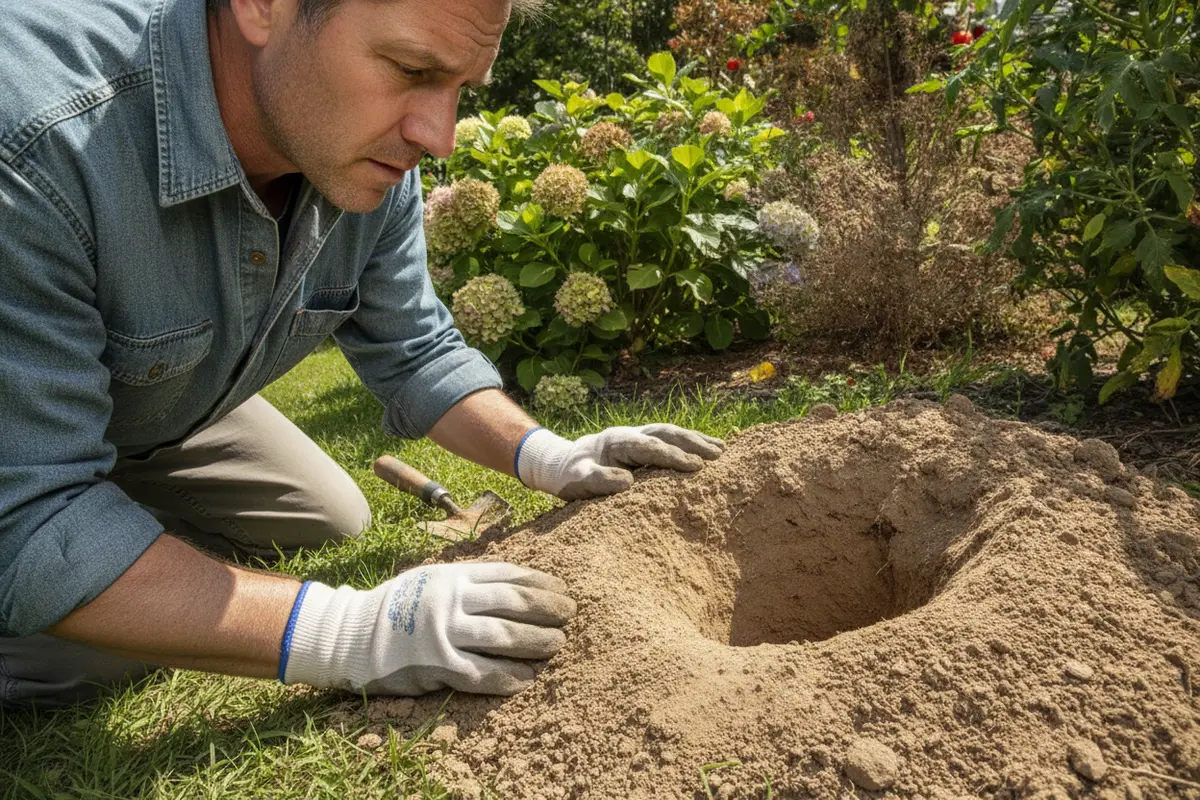
Next, use a gentle activity check rather than digging up the entire area. A small section of a suspected runway can be opened carefully, then checked later for repair. The exact approach depends on the tunnel and the product instructions, but the principle is consistent: an animal that is actively maintaining the route will often respond to a disturbance. Avoid creating several large holes at once. Too much disruption can make the evidence harder to read.
Record the date and location of each sign. This simple habit helps you separate current activity from old damage. It also prevents a common mistake: moving the trap repeatedly before giving yourself enough information to judge the first location.
- Mark fresh mounds with a stake or temporary garden marker.
- Note whether the soil is loose, damp, compacted, or weathered.
- Look for a connected runway instead of assuming the mound is the best trap site.
- Recheck after a short interval for repair or new disturbance.
- Keep a safe distance from traps and make the location visible to people using the property.
If the signs do not fit gophers, pause before setting anything. Moles, voles, ground squirrels, and other causes can create different patterns. A guide to what gophers eat can help you compare feeding and plant-damage clues, while the Cinch gopher trap FAQ addresses common identification and safety questions. Correct identification prevents you from placing the wrong style of trap in the wrong kind of tunnel.
Confirm a current runway through fresh soil, repairs, and connected signs before you choose the trap location.
Where do gophers travel below the surface?
A pocket gopher usually travels through a network of underground passages rather than crossing the open lawn like a surface animal. Main runs connect feeding areas and sections of the burrow. Shorter branches may lead toward food or allow the animal to push soil out. A visible mound tells you that excavation occurred, but it does not always show the direction or depth of the main route.
This underground pattern explains why surface repellents and random placement can disappoint. The most useful trap position is tied to the animal's movement. When you find a runway that appears active, expose enough of it to place the trap according to its instructions. Keep the opening and setup as neat as possible. Avoid collapsing more tunnel than necessary, since excessive disturbance can change the route you are trying to intercept.
Weather can make this process harder. In saturated soil, a tunnel may collapse quickly. In hard ground, the opening may be difficult to expose cleanly. Work slowly and use the right tool for the soil. Cinch's tunnel tool is a relevant accessory for property owners who need to expose or work with a subsurface runway, while the how-it-works guide provides additional background on the trap system.
| What you observe | What it may indicate | Practical next step |
|---|---|---|
| Fresh, loose mound with a nearby sealed opening | Recent excavation or tunnel maintenance | Map the sign and check for a connected active runway |
| Several old, weathered mounds with no new change | Past activity or a route that is no longer in use | Do not set a trap there without confirming current activity |
| Plant wilting or root damage with little surface evidence | Possible underground feeding or another root pest | Compare the damage pattern and inspect carefully |
| New soil appearing along a repeated line | A maintained section of the tunnel network | Focus placement on the route, not only the largest mound |
A properly placed trap works with this behavior. It does not need to attract a gopher from across the property. It needs to be positioned where the animal naturally travels. That is also why several traps can make sense on a large or heavily affected property: coverage should reflect the number of confirmed active routes, not an arbitrary number of surface piles.
Follow the tunnel, not the mound: the best placement is on an active underground route the gopher already uses.
What type of trap should you use for an active gopher?
For a confirmed gopher problem, choose a trap designed for gopher tunnels and sized for the job. A product made for a different pest may not fit the runway, hold correctly, or operate as intended. The trap should match the tunnel dimensions and the way the manufacturer directs it to be set.
Cinch offers gopher trap options in multiple sizes. Review the gopher trap product page before buying so you can compare the available choice with the tunnel you found. If you are working across a larger property, the farmer resource may also be useful for thinking through repeated activity and a broader trapping plan.
The case for a professional-grade mechanical trap is about fit, repeatability, and long-term value. A reusable trap can be checked, reset, and used in another confirmed route. That matters when gophers return to a property or when several areas need attention over time. Cinch Traps is a fourth-generation, family-owned company that makes professional-grade in-tunnel traps, and the brand has operated since 1909. Those facts support the product story, but the immediate decision still comes down to the tunnel and the pest in front of you.
Use this comparison as a planning guide:
- One confirmed route: start with a correctly sized trap and monitor the exact area.
- Several confirmed routes: consider more than one trap so each active section is addressed without constantly moving equipment.
- Uncertain identification: gather more evidence before purchasing or setting a trap.
- Recurring property damage: choose reusable equipment and keep notes on locations, dates, and results.
Do not judge a trap only by how quickly it can be placed. Correct preparation is part of performance. A trap placed beside an inactive mound can fail even when the trap itself is sound. A trap that fits the wrong tunnel can create the same result. Read the instructions, make the setup accessible for inspection, and protect children, pets, and non-target animals from contact.
Choose a gopher-specific, properly sized, reusable trap and match it to a confirmed active runway.
Why might a gopher trap fail in winter?
A failed set does not automatically mean gophers hibernate or that the problem disappeared. In many cases, the issue is location, identification, or disturbance. Winter makes these mistakes easier to make because surface evidence is less obvious and soil conditions can change quickly.
- The runway was inactive. The mound looked fresh, but the animal was using another section of its system.
- The pest was misidentified. A mole or another burrowing animal may have caused the damage.
- The trap did not fit the tunnel. A poor fit can prevent the mechanism from working as intended.
- The setup was disturbed. Excessive digging, repeated checking, or collapsing the runway can alter travel.
- The site was not monitored consistently. Without a record, it is hard to tell whether activity moved or stopped.
Start troubleshooting by returning to the evidence. Is there a fresh repair near the setup? Did new soil appear elsewhere? Has the plant damage continued? If the route changed, move the trap only after confirming the new location. Avoid scattering equipment around the yard without a plan. A deliberate sequence gives you better information and helps you avoid unnecessary disturbance.
Soil moisture deserves special attention. A runway that was easy to expose one day may collapse after rain. Frozen soil can also make a clean set difficult. If you cannot place the trap securely and safely, wait for suitable conditions while continuing to monitor the area. The animal may remain active, but a poor installation is not an advantage.
For step-by-step placement details, see Cinch's gopher trapping guide. If you are still comparing options, the complete guide to gopher traps can help you organize the decision around pest type, tunnel evidence, trap fit, and the size of the problem.
When a winter set fails, check the runway, pest identification, fit, soil, and disturbance before concluding that the gopher is inactive.
How should you plan gopher control through the season?
A seasonal plan is more useful than a single reaction to a mound. Start by surveying the property and identifying where damage matters most. A vegetable bed, young tree, lawn, pasture, or irrigation line may deserve different levels of attention. Then confirm activity and address the most useful routes first.
Keep the plan simple:
- Survey: walk the property and mark mounds, damaged plants, and possible openings.
- Prioritize: protect high-value plants, structures, and areas used by people or animals.
- Confirm: distinguish current repairs from old or weathered soil.
- Place: set the appropriate trap in the active runway and follow its instructions.
- Monitor: inspect as directed and record what changes around the site.
- Repair: fill or smooth damaged areas only after the route remains quiet.
Repairing the lawn too soon can erase useful evidence. Wait until you have a reasonable basis for believing the route is no longer active, then restore the soil and reseed or replant as appropriate. If new mounds appear, treat them as new information instead of assuming the previous setup failed for the same reason.
A reusable trap supports this measured approach. It can be moved to another verified runway, stored between jobs, and maintained for future use. Cinch's product range includes options for different tunnel and property needs; homeowners can begin by reviewing the Cinch store and then selecting the product that fits their evidence rather than buying based only on the largest mound.
For a larger property, divide the work into zones. Finish the survey in one zone, address the clearest active routes, and then reassess. This gives you a cleaner record than setting traps everywhere at once. It also makes it easier to notice whether damage is continuing, shifting, or stopping.
A good seasonal plan combines identification, active-tunnel confirmation, careful placement, monitoring, and delayed repairs.
Frequently asked questions about gophers in winter
Do gophers come out of their holes in cold weather?
Gophers spend most of their time underground, so you may not see them above ground in any season. Cold weather can reduce visible signs, but it does not mean the animal is hibernating. Look for maintained tunnels, fresh soil, and ongoing plant damage instead of waiting for a surface sighting.
Can gophers damage a lawn during winter?
Yes. A gopher can continue traveling and feeding below ground while the lawn is dormant. Damage may be harder to notice because grass grows slowly and weather can hide new soil. Check the root zone, mounds, and tunnel repairs when the surface looks quiet.
Should I set a trap when I see one gopher mound?
One mound is a reason to investigate, not automatic proof of the best trap location. Confirm that the soil is fresh and find the active runway connected to the sign. Then select a gopher-specific trap that fits the tunnel and follow the setup instructions.
What if I cannot tell whether the animal is a mole or a gopher?
Pause and compare the damage pattern, mound style, openings, and plant effects. Moles and gophers use underground routes but are different animals with different control considerations. Cinch's mole trap information and gopher resources can help you start that comparison.
Is a reusable trap worthwhile for a recurring problem?
It can be, especially when a property has more than one confirmed route or experiences repeated activity. A reusable, professional-grade trap can be moved and used again when the next active tunnel is identified. The value depends on correct placement, safe handling, and responsible monitoring.
The answer to “do gophers hibernate?” is no: use winter signs to investigate active routes, not as a reason to postpone a well-supported plan.
Explore gopher traps for an active tunnel
When you understand the difference between hidden activity and true inactivity, you can make a better decision for your property in every season.