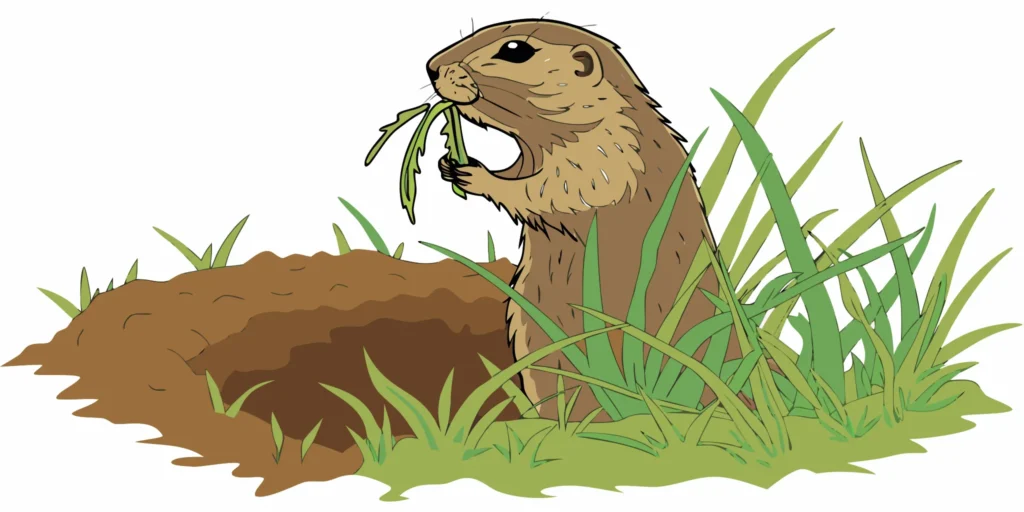
A row of dying plants in your garden often signals an underground feeding frenzy. These pests work out of sight to destroy the roots that keep your lawn green. They can ruin months of hard work in a single day.
Shop the Cinch Trap gopher trap now →
What do gophers eat? These rodents eat roots, bulbs, stems, and tubers found in lawns and gardens. They are strict herbivores that spend most of their lives in tunnels, feeding on underground plant parts year-round. According to UC IPM, they stay active in every season and can ruin irrigation lines while searching for food.
Knowing what these pests are after helps you spot trouble before your yard is ruined. The list of their favorite plants shows why they are so hard to stop.
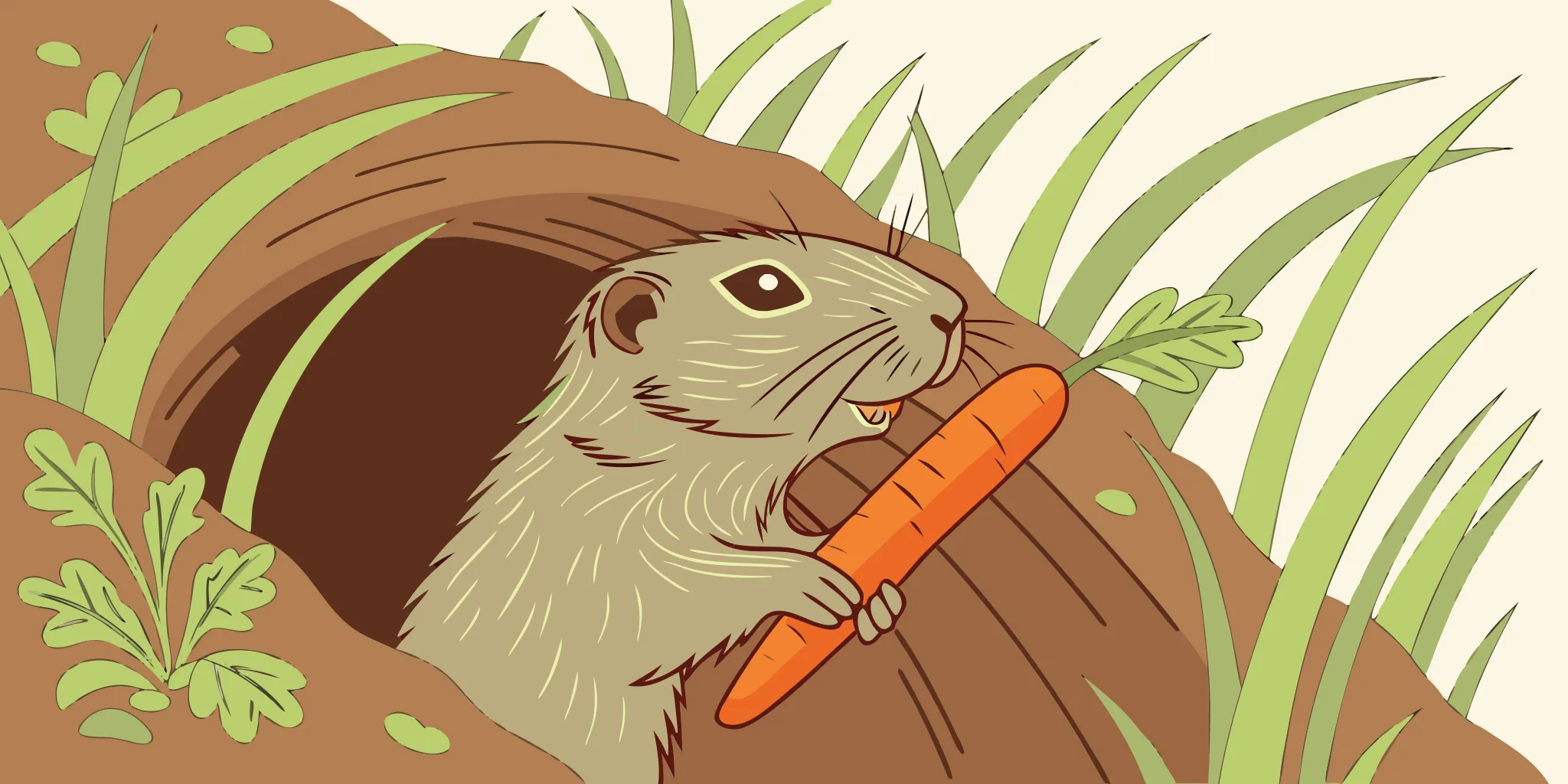
What Do Gophers Eat: What Plants Do Gophers Prefer to Eat?
Pocket gophers are strict herbivores. This means they only eat plant matter. Their diet is quite broad, but they have clear favorites that draw them to specific lawns and gardens.
These pests spend most of their lives underground, so they focus on the parts of plants they find while digging. According to Utah State University, gophers consume a mix of roots, stems, leaves, and bulbs. Knowing their feeding patterns from this pocket gopher information guide can help you spot them before the damage becomes severe.
Primary Food Sources
Gophers often target juicy plants and fleshy roots that provide plenty of water and nutrients. Grasses and seeds are common staples in their daily diet. Sometimes, a gopher will pull an entire plant down into its tunnel from below.
They also feed on the bark of trees and shrubs near the soil line. This habit is most common in the winter when other food sources are scarce. Tree roots are another major target, as they can chew through the roots of young fruit trees.
While older trees can usually handle some root loss, young saplings often wilt and die quickly after a gopher attack. They also eat various flowering plants. These pests can ruin a well-kept flower bed in a single night by feeding on the roots.
Favorite Garden Plants
If you have a garden, you may notice that gophers prefer specific types of greenery. Alfalfa and dandelions are two of their top choices. These plants have deep, fleshy taproots that gophers find very tasty.
If your lawn is full of dandelions, it may act as a magnet for local gopher groups. They also love to eat clover and other legumes that grow in typical yard spaces. These plants offer high protein and moisture, which helps the gophers stay active all year.
Vegetables are also high on their list of favorites. They will often target root crops like carrots and potatoes. Because they stay in their burrows, they usually eat the roots first, and the rest of the plant soon follows.
How Gophers Locate Their Next Meal
Gophers do not have great eyesight, but they do not need it to find food. Instead, they rely on a keen sense of smell to find roots through the soil. Once they find a food source, they use their large-clawed front paws to dig it out.
Their strong front legs allow them to move through even tough, packed dirt with ease. They can also close their lips behind their front teeth. This keeps dirt out of their mouths while they chew on tough roots.
When they find extra food, they use their fur-lined cheek pouches to carry it back to their storage rooms. This allows them to gather a large amount of food quickly. By storing roots and items, they can survive long periods without having to dig new tunnels.
Roots, Bulbs, and Tubers: A Gopher’s Underground Buffet
Most gophers live their whole lives in the dark. Because they stay below the soil, they focus on the parts of plants that grow under the surface. These rodents are strict herbivores that eat roots, stems, and bulbs. They often ruin lawns and gardens while they look for their next meal.
Finding food by scent
A gopher does not need to see its food to find it. These pests have a very keen sense of smell. They use this trait to track down rich roots through thick soil. This skill lets them find food without ever coming to the surface. By the time you see a mound of dirt in your yard, the gophers have likely been feeding for days.
According to the University of Idaho, this sense of smell is what helps gophers find food in the dark. They can pick up the scent of a fresh root or a bulb from far away. Once they find a good spot, they start to dig. This underground feeding can kill a plant before you even know there is a problem.
The gopher’s favorite snacks
Gophers love to eat all kinds of roots and tubers. They will feast on grass, trees, and shrubs. They also go after seeds and tubers like potatoes or sweet potatoes. If you have a garden, gophers are a big threat to your crops. They mostly like fleshy roots and flowering bulbs. They will pull a whole plant down into their tunnel from below. This makes it hard to stop them once they start. Because they eat so many types of plants, they can quickly destroy a large area of your yard.
Carrying and storing food
Gophers have a unique way to move their food. They have special cheek pouches that are lined with fur. These pouches are on the outside of their mouth. They use them to carry food and nesting items back to their dens. This lets them gather a lot of food in one trip.
These pouches are how the pocket gopher got its name. The fur lining keeps the food dry and clean as they move through the tunnels. This system helps them store food for later. Because they are active all year, they need a way to keep their food supply safe and close by.
Damage you cannot see
The worst part of gopher feeding is that it happens out of sight. They can cause an early loss of plants by eating them from the bottom up. A healthy plant might look fine one day and then wilt the next. By then, the gopher has already eaten the main root system.
They can also kill plants by covering them with soil. As they dig their tunnels, they push dirt to the surface. These mounds can smother small plants and grass. This two-way attack makes gophers one of the most harmful pests for any lawn or garden. Knowing what they eat is the first step in stopping the damage.
What Garden Vegetables Attract Gophers?
Home gardens often provide a perfect food source for gophers. These rodents have a keen sense of smell to find their favorite plants from underground. Because they spend most of their life in tunnels, your root crops are usually the first to disappear. Knowing what do gophers eat in your garden can help you spot the early signs of a problem before you lose your entire harvest.
Roots and tubers
Vegetables that grow below the soil are at high risk. Gophers often target fleshy roots and tubers like carrots and sweet potatoes. They can pull these plants straight down into their tunnels. This leaves only a small hole or a wilted stem behind. Garlic and onions are also common targets, despite their strong smell and sharp taste. These root crops provide the high energy these rodents need to keep their tunnel systems active.
A single gopher can cause major harm to a small backyard plot. Research from Utah State University Extension shows that gophers cause major damage to gardens in urban areas. They do not just eat the plants. They also hurt root systems as they dig their burrows. This digging can kill plants even if the gopher does not eat them. It creates air pockets that dry out the roots of nearby vegetables.
Above ground crops
You might think your surface crops are safe, but gophers find ways to reach them. They often tunnel directly beneath plants like peas to reach the roots or pull the whole plant down. While they prefer the parts that grow underground, they will also eat stems and leaves. They do this when the plants are near a tunnel opening. You can find more details on gopher feeding habits at Cinch Traps to better protect your yard.
In many cases, a gopher will eat the roots of a plant and then leave the top part to die. This makes it hard to see the damage until it is too late. If you see healthy plants suddenly falling over or wilting, you may have a gopher feeding beneath the surface. They are active all year, so your garden is at risk in every season. They can move through many feet of tunnel in just one night to find a fresh meal.
Urban garden damage
Gophers thrive in the soft, moist soil of home gardens. The regular watering and rich soil of a garden make it much easier for them to dig than in hard, dry fields. This is why gopher activity is often higher in well kept yards and new housing areas. They follow the scent of food and move from one yard to the next through their deep tunnels. Their presence in cities is often due to fewer natural predators in those areas.
To keep your harvest safe, you must act as soon as you see the first mound of fresh soil. Gophers can eat more than half their body weight in plant matter every day. This high need for food means they can destroy a row of vegetables in a very short time. Early action with a good trap is the best way to save your garden from these hungry pests. By stopping them early, you stop a single gopher from starting a large family in your yard.
How a Gopher’s Diet Changes by Season
Gophers do not sleep through winter or stop eating when the weather turns cold. They stay busy looking for food through every month of the year. Because these rodents live underground, they can find meals even when the surface is frozen. Their menu shifts based on what is growing and how easy it is to reach. If you know what they are looking for, you can better protect your lawn.
Winter survival and deep root feeding
During the winter, gophers rely on parts of plants that stay alive under the soil. While other animals sleep, these pests are active throughout the entire year. They spend most of their time in tunnel systems that sit about 6 to 12 inches below the surface. At this depth, they can reach fleshy roots and bulbs that store energy for plants. They use their keen sense of smell to find these food sources in the dark earth.
These deep roots give gophers the calories they need to stay warm and strong. In the cold months, you might not see new mounds on the surface as often. But the gophers are still there, chewing on your prize trees and shrubs from below. They may also eat bark from the base of trees if they can reach it through the snow or loose soil. This can cause trees to die before you even know there is a problem.
Spring growth and succulent plants
When spring arrives, the gophers move closer to the surface to find new growth. They love juicy plants that are full of water and nutrients. This includes stems, leaves, and new bulbs that start to pop up in your garden. As weeds begin to sprout, the gophers find even more to eat. Heavy weed growth in a field or yard can lead to a quick rise in gopher numbers. They will often grab a plant from below and pull the whole thing into their tunnel.
When food is easy to find, gopher numbers can grow very fast. In areas with plenty of food, you might find as many as 30 to 40 gophers per acre. They will eat almost any green plant they can find. This is often the time when homeowners see the most damage to their lawns and vegetable beds. Gardeners may find that their pea plants or lettuce rows vanish overnight as the gophers feast on the fresh greens.
Managing year-round feeding
Since gophers eat all year, your control plan must be ready for every season. They do not take breaks, so neither should your efforts to stop them. Using a strong trap like the Cinch Traps gopher trap is the best way to catch them in their tunnels. These traps work well in both the soft soil of spring and the hard ground of fall. The key is to place the trap where they are now feeding.
Keeping your yard clear of weeds can also help. By reducing their food source, you make your land less good for these pests. If you see fresh mounds, it means a gopher is active right now. Catching them early is the key to protecting your roots and bulbs from their constant hunger. A gopher that is well-fed is a gopher that will stay and breed, making your problem much worse over time.
How Gopher Feeding Habits Lead to Lawn and Garden Damage
Knowing what do gophers eat helps you see why they are so harmful to your yard. These pests do more than just nibble on grass from time to time. They can ruin a whole landscape from below the ground. Their feeding habits affect plant health, water systems, and the soil itself.
Root and Plant Destruction
Gophers are pests that mainly eat roots, stems, and bulbs. A single gopher can kill a plant by eating its root zone until nothing is left. They often pull whole plants into their tunnels from below. This type of feeding causes early loss of garden stands as gophers destroy plants before they can grow. Young trees are at risk, but most fruit trees are safe after three years of growth.
Tunneling and Water Risks
A single burrow system can cover several hundred square feet in a short time. As gophers dig, they break up the soil and root zones. Their tunnels can divert water in fields, which leads to huge water loss for your garden. Gophers also chew on things that are not food. They often damage irrigation pipes and power lines by biting through them. This can cause leaks or power failure in new housing areas.
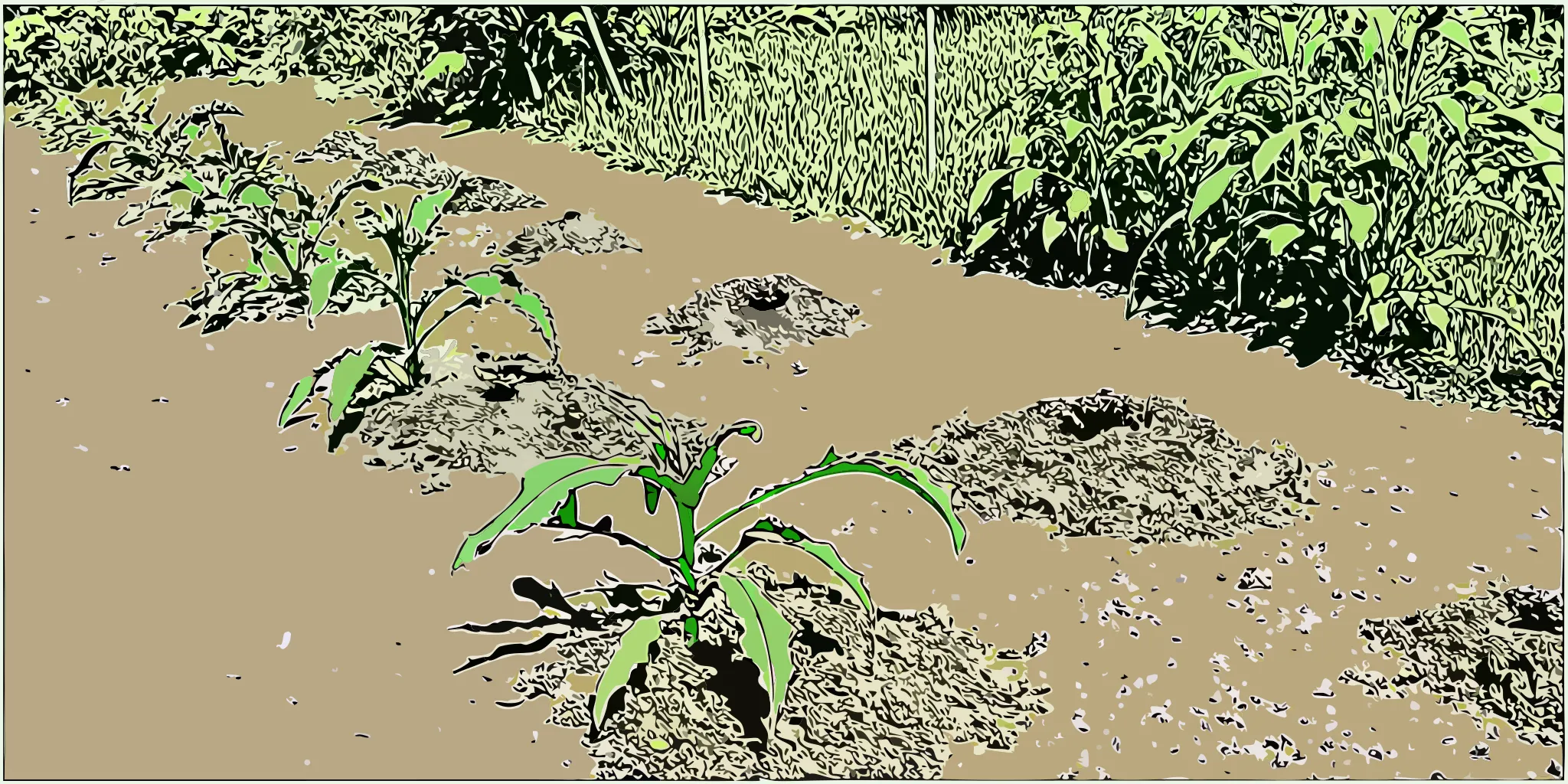
Surface Mounds and Smothering
Gophers push soil to the surface as they grow their tunnels. These fresh dirt mounds are the best way to start identifying pocket gopher activity in your yard. Large mounds can cover and kill small plants and grass. This stops sunlight from reaching the leaves and kills the grass below. Damage is often worst in new housing areas where natural hunters are not there to keep gopher numbers low. If left alone, their numbers can grow fast when there is plenty of food to eat.
| Damage Type | How It Happens | Visible Signs | Affected Plants |
|---|---|---|---|
| Direct Feeding | Gophers eat roots and stems from below. | Dying plants or missing stems. | Roots, bulbs, and garden greens. |
| Root Tunneling | Digging through the root zone. | Wilted plants and loose soil. | Grass, shrubs, and young trees. |
| Infrastructure | Gophers chew on buried lines. | Leaky pipes or dead power lines. | Irrigation systems and cables. |
| Mound Growth | Soil is pushed to the surface. | Fan-shaped mounds of dirt. | Lawns and low-lying plants. |
Using Diet Knowledge for Effective Gopher Control
Knowing what gophers eat helps you stop them. These pests spend their lives searching for roots and bulbs to carry in their fur-lined cheek pouches back to their burrows. If you find fresh mounds, it is time to act before they destroy your yard.
Find active tunnels
First, look for fresh, fan-shaped mounds of dirt with a plugged hole. These signs show where the pest is now feeding on your plants. You can find the main tunnel by probing the soil about 6 to 12 inches deep between two fresh mounds.
Set the right trap
Choose a proven mechanical trap like the Cinch Traps gopher trap for the best results. These traps are handmade in America and come with a lifetime guarantee. You do not need bait because the trap sits in the tunnel where the gopher already travels to find food.
- Find activity: Look for fresh dirt mounds that look like a fan. This shows the gopher is active and looking for roots in that tunnel.
- Locate the tunnel: Use a probe to find the main run between mounds. It is usually 6 to 12 inches underground where gophers travel to feed.
- Prepare the trap: Use the simple 4-step setup to get your Cinch Trap ready. No messy baits or poisons are needed, just mechanical spring action.
- Place and set: Put the trap into the active tunnel. Ensure the jaw is clear of any dirt or roots so it can snap shut cleanly.
- Check daily: Look at your traps every day. If you do not catch the pest in two days, move it to a new location with fresh mounds.
Protect your garden
You can also use physical barriers to keep gophers away from your favorite plants. Experts at UC suggest using underground screening made of hardware cloth or poultry netting. This protects the root systems of your shrubs and trees from hungry pests.
Frequently Asked Questions
What do gophers eat in the winter?
Gophers stay busy all winter and keep eating roots and plants. According to Colorado State University Extension, they use snow to hide while they find food. This work creates long piles of dirt under the snow called eskers. Since they do not sleep through the winter, they need food every day. They will eat almost any plant parts they can find in the cold soil.
Do gophers damage utility lines?
Yes, gophers can cause a lot of harm to the lines that run to your home. According to Utah State University Extension, they often chew through water pipes and wires. This incidental damage happens as they dig tunnels in search of food. It can cause expensive repairs to your sprinkler system and underground utilities.
What attracts gophers to my yard?
Gophers are drawn to yards with plenty of plant roots, bulbs, and tubers. Soft, moist soil also makes it easy for them to dig tunnels. Yards with lots of weeds, especially dandelions and clover, are prime targets. The presence of these food sources is the main reason gophers take up residence in a lawn or garden.
What do gophers hate?
Gophers dislike strong smells like castor oil, garlic, and predator urine, but repellents are rarely a lasting solution. The most effective approach is mechanical trapping. The Cinch Trap gopher trap works in the tunnel itself, where gophers naturally travel, making it far more reliable than scent-based methods.
Ready to take back your garden from hungry gophers?
Now you know what do gophers eat and how their diet drives them to damage your lawn and garden. The next step is taking action. Cinch Traps offers handmade, university-proven gopher traps with a lifetime warranty and free shipping. Order your Cinch gopher trap today →