
For successful washington mole control, mechanical trapping is the most reliable and legal method to clear active tunnel networks. Under state law, traditional body-gripping traps are restricted, but specialized traps that catch moles by the tunnel entrance are both legal and highly effective. Successful trapping requires identifying active main runways, setting durable steel traps, and checking them daily. Because moles are territorial, catching just one or two individuals will usually resolve the immediate lawn damage on an average city lot. Selecting the right tools and timing your efforts will keep your lawn flat and healthy all year long.
Shop Cinch Traps for Washington Mole Control →
nDealing with these lawn pests requires a basic understanding of their habits and local regulations. Before you set your first trap, you must learn about the specific tunnel systems beneath your grass. What Makes Washington’s Mole Problem Unique comes down to local species, wet soils, and year-round digging habits. Here is how to get started.
Washington Mole Control: What Makes Washington’s Mole Problem Unique
Homeowners in the Pacific Northwest face a persistent underground challenge. Washington’s unique environment, mild climate, and native wildlife species combine to create a perfect habitat for moles. Understanding these regional factors is the first step toward successful washington mole control in your lawn or garden.
The Townsend’s Mole and Regional Species
The primary source of lawn damage in western Washington is the Townsend’s mole. These animals are the largest mole species in North America, with adults averaging about 8 inches in length. Their impressive size means they dig larger tunnels and push up much bigger mounds of soil than smaller species found in other states. While they are highly territorial, their population density can vary wildly depending on local soil quality and food sources. You may find anywhere from one mole per six acres up to more than five moles per single acre, as documented by the Washington Department of Fish and Wildlife.
Ideal Wet Climate and Diet Patterns
Washington’s famous wet weather keeps the soil soft and damp for most of the year. This moisture creates a perfect home for earthworms, which make up 70 to 90 percent of the Townsend mole’s diet. Unlike most other insect-eating moles, Washington moles are somewhat omnivorous. They will also feed on grass roots, vegetable crop roots, flower bulbs, and plant seeds when earthworms are scarce. The region’s mild winters also mean that these pests do not hibernate. Instead, they remain active and dig tunnels throughout the entire year, causing constant yard damage.
Flooding and Nesting Adaptations
To survive the heavy late-winter and early-spring rains, Washington moles have adapted their nesting habits. They build their nests within dry underground cavities located 5 to 18 inches deep. They specifically choose high ground on your property to prevent these nests from flooding during seasonal downpours. While their tunneling improves soil aeration and drainage, the resulting surface mounds can quickly ruin lawns. If you want to stop this damage, learning how to find active runways is key. You can start by locating active mole tunnels on your property to plan your defense.
Is It Legal to Trap Moles in Washington State?
Yes, it is entirely legal to trap moles in Washington state using approved mechanical traps. State laws place strict rules on wildlife trapping. Homeowners can legally use cage traps or standard jaw traps to stop yard damage. Understanding these rules is a key step in planning your effective mole trapping techniques to keep your lawn healthy and free of deep tunnels.
The Impact of Initiative 713
In 2000, Washington voters passed Initiative 713, which revised state laws on how people can catch wild animals. The measure aimed to stop the use of steel-jaw leghold traps and body-gripping traps for fur-bearing animals. However, this law created some confusion about yard pests like moles and gophers. To clear this up, a Washington Attorney General opinion clarified the exact reach of the ban. The state ban applies to specific body-gripping traps for certain animal species, but it does not outlaw all mole traps.
Legal Traps for Homeowners
You can legally protect your yard using mechanical traps that do not violate state rules. According to Washington State University Hortsense, it is legal to trap or kill moles on your property using cage traps or common rat and mouse traps. Mechanical tunnel traps that capture the mole within its runway are safe and legal. These tools allow you to clear out pests without breaking state wildlife codes. Homeowners who want a reliable tool can use specialized scissor-jaw or tunnel-style traps to protect their lawns.
Responsible Yard Management
State agencies ask residents to use trapping with care and only when necessary. The Washington Department of Fish and Wildlife notes that trapping should be used as a focused solution for active yard conflicts. Rather than using random traps, you should focus on locating active mole tunnels. Placing your traps in the main runways ensures you catch the pest quickly and humanely. This focused method keeps your lawn safe while staying fully within state environmental and legal guidelines.
When Is the Best Time to Trap Moles in Washington?
You can control moles at any time of the year. Focusing your efforts in late winter and early spring yields the best results. Washington’s mild, wet climate supports active mole populations through every season, making timely action essential. Setting traps before the spring breeding cycle starts will keep yard damage to a minimum.
Late Winter and Early Spring
According to the Washington Department of Fish and Wildlife, late winter and early spring are the prime times to trap moles. During this window, you can catch adult moles before they give birth. Female moles build nests in dry ground five to 18 inches deep to protect them from heavy rain. Setting traps during this cold window stops the next generation from spreading across your lawn. If you wait until after they give birth, you will have to fight a much larger population.
The Spring Peak
Spring is also a time of high yard activity. As the wet Northwest soil warms up, earthworms and grubs rise to the surface. Moles follow their food source, digging shallow feeding tunnels just below the grass. These surface tunnels cause visible ridges and soft spots in your turf. Active digging makes it much easier to find fresh runways. Learning the best time to trap moles helps you target these high-traffic paths and stop active yard damage quickly.
Fall Activity Spikes
Fall brings another surge in mole activity across Washington. As summer heat fades and autumn rains return, the dry summer dirt softens. Moles start digging deeper, permanent tunnels to prepare for the coming winter. You will see a sudden rise in fresh, volcano-shaped dirt mounds on your lawn. Trapping during this autumn push is highly effective. Removing active moles in the fall protects your grass from getting ruined during the wet winter months.
How to Identify Active Mole Tunnels in Your Washington Yard
To find out if a mole is actively digging in your yard, locate the deep, permanent runways. These connect feeding areas to the nest. Moles dig both shallow surface trails and deep tunnels. Setting traps in old, cold tunnels will waste your time and effort. In Washington, you must pinpoint the exact spots where moles travel daily to get successful results.
Surface Runways vs Deep Tunnels
Washington moles make two main types of tunnels. Surface runways look like raised ridges of sod. These are about four inches deep. Moles use them to hunt for food, but they often use them only once. Deep, permanent tunnels sit three to twelve inches underground, but they can go as deep as forty inches according to the Washington Department of Fish and Wildlife. These deep pathways form the spine of the mole burrow system.
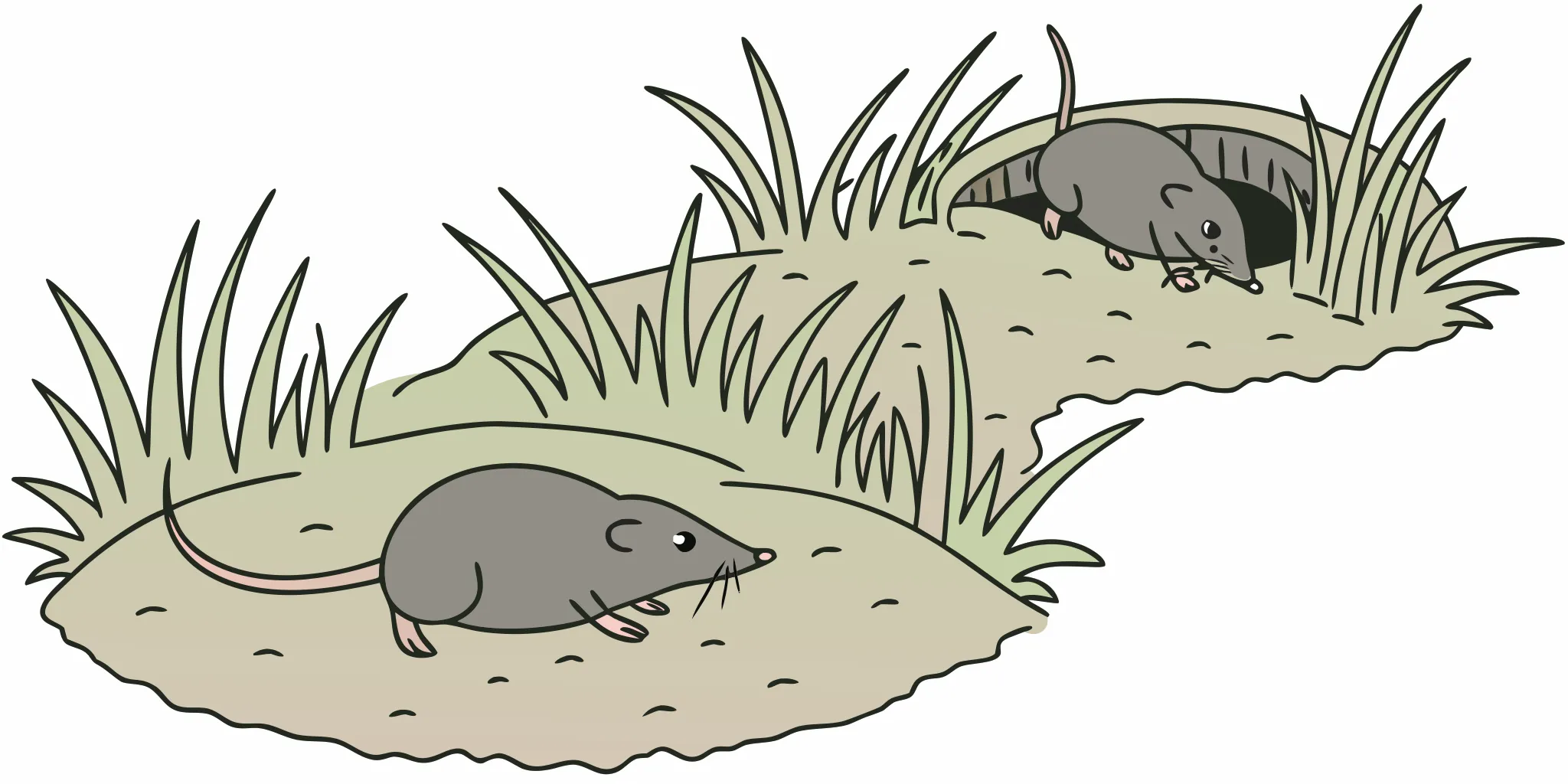
Steps to Find Active Mole Runways
Finding the right spot to trap takes a simple test. Use these five steps to find out which runways are still in use.
- Find the main paths. Look for straight lines of dirt mounds that run along fences, pathways, or foundation walls. These straight paths are usually the main highways.
- Collapse small sections. Step down gently on a small part of a raised surface runway. You can also use a small stick or trowel to poke a hole into a deep tunnel. Do not crush the whole path, just a small spot.
- Mark each test site. Place a bright yellow lawn flag next to the spot you stepped on or poked. This makes it easy to find the exact place when you check back later.
- Wait and watch. Check your marked sites after twenty-four to forty-eight hours. If a mole still uses the path, it will rebuild the collapsed wall or plug the hole with fresh dirt.
- Pick your trap spots. Mark the spots that the mole rebuilt. These are your active tunnels and the perfect places for setting your traps.
Locating the Nest Site
Main runways always lead back to the nest. Mole nests sit in cavities five to eighteen inches deep. Moles build them in high ground to prevent flooding during wet winter and spring seasons. You can find these high-ground areas near trees, large shrubs, or knolls. Finding these main paths near high-ground nests is key to locating active mole tunnels for trapping.
DIY Mole Trapping: A Step-by-Step Guide for Washington Homeowners
Trapping is the most effective choice for mole control in Washington. Successful trapping requires consistent effort, but the process is straightforward when you use the right tools. Homeowners can easily manage lawn damage by choosing high quality mechanical traps that bypass chemical baits or dangerous poisons. Follow this simple guide to clear active tunnels from your yard.
Select the Right Trap Size
Washington moles vary in size, so matching your trap to the tunnel width is critical. The Townsend’s mole, which is the most common species in western Washington, digs tunnels of different sizes depending on its age and soil type. Cinch Traps offers three precise sizes to fit these runways. Use a small trap for 1.5-inch tunnels, a medium trap for 2.25-inch tunnels, and a large trap for 3-inch tunnels. Choosing the best mole trap starts with measuring the tunnel width to ensure a snug fit that prevents the mole from bypass. Our traps are handmade in Oregon and come with a lifetime warranty and flat rate shipping.
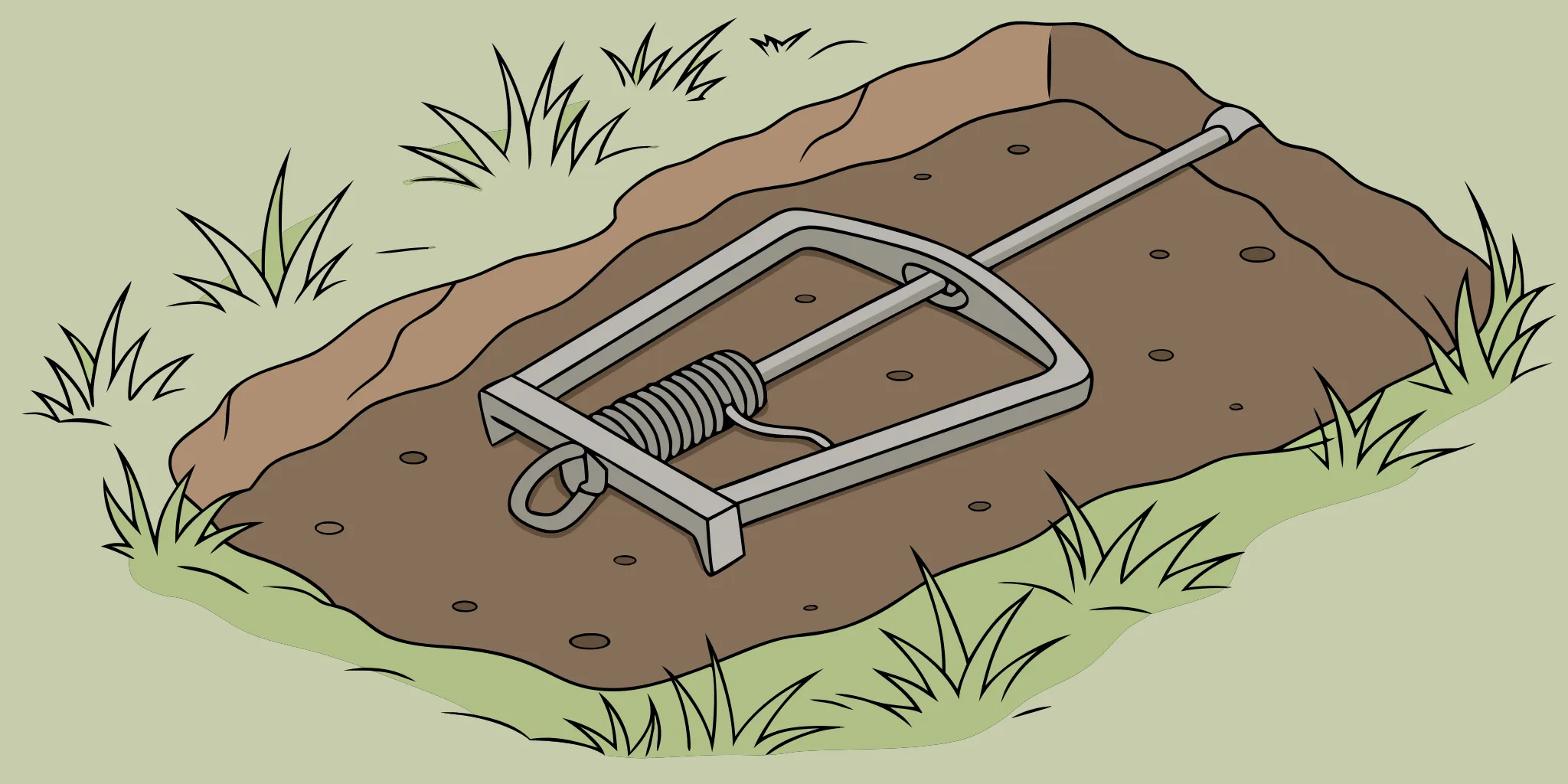
Follow the Four Step Setup
- Locate an active runway: Find a straight tunnel connecting two fresh mounds of soil. You can learn more about locating active mole tunnels by probing the ground between mounds to find where the soil gives way easily.
- Open the tunnel: Carefully excavate a small opening in the main runway just large enough to insert the trap. Keep the rest of the tunnel intact to avoid scaring the mole.
- Set the trigger: Compress the strong scissor jaws of your Cinch trap and lock the trigger wire into place. This mechanical design uses no chemicals, which makes it safe for pets and family when placed deep underground.
- Insert and slide: Slide the set trap into the open tunnel mouth, making sure the trigger plate sits in the path of the mole. Once set, check your traps once or twice a day.
Monitor Your Traps and Handle Disposal
Check the set traps regularly to see if the trigger plate has tripped. According to the Washington Department of Fish and Wildlife, moles are solitary pests, meaning moles live in established burrow systems with very little overlap. Catching one or two moles is often enough to solve a local lawn issue. Once caught, wear gloves to pull the trap out and release the scissor jaws to drop the pest directly into a bag. You can bury the mole in an inactive tunnel or dispose of it in your outdoor trash bin per local waste rules.
DIY Trapping vs Professional Mole Control in Washington: Which Is Right for You?
Deciding between DIY yard care and hiring a team can be tough. In Washington, you must weigh the upfront price against long-term results. Setting your own traps gives you complete control over your schedule, while hire services offer a hands-off approach for busy yards. You can read more about why trapping beats repellents when dealing with lawn damage.
Using the right tools makes a major difference. Cinch Traps are handmade in the USA with a lifetime warranty, offering a permanent solution. This makes them a great long-term choice compared to ongoing service bills. If you want to get started, you can shop our traps with flat rate shipping today.
The Price of Lawn Protection
Yard care bills can add up fast. Local services in Western Washington like Got Moles charge a hundred dollars per month or a flat fee of four hundred and fifty dollars for a few weekly visits. They may even charge a one hundred and fifty dollar setup fee if they do not catch a mole. In contrast, a single Cinch trap costs just twenty-four dollars and ninety-nine cents, and our Deluxe Mole Kit is fifty-four dollars and ninety-nine cents. Since our tools are reusable, your cost over time drops to zero once you catch the pests.
Comparing Your Options
Each path has clear pros and cons. Services like The Mole Patrol cover counties like King and Snohomish with short three-month warranties. But moles are territorial and new ones will often move in later, meaning you must pay for a new contract. Buying your own gear means you can protect your yard year after year. For best results, you can learn about effective mole trapping techniques to clear your lawn fast.
| Control Option | Upfront Cost | Coverage Area | Warranty Period | Reusability |
|---|---|---|---|---|
| Cinch Single Trap | $24.99 | Your entire property | Lifetime warranty | Unlimited reuse |
| Cinch Deluxe Kit | $54.99 | Your entire property | Lifetime warranty | Unlimited reuse |
| Got Moles Service | $100/mo or $450 flat | Western Washington | None specified | No (must pay again) |
| The Mole Patrol | Varies by property | King & Snohomish counties | 3-month warranty | No (must pay again) |
Efficacy and State Laws
Trap choice matters because Washington has strict trapping laws. Under state rules, certain body-gripping traps are illegal for some mole species (Washington State Office of the Attorney General). Cinch Traps are legal, mechanical, and chemical-free. They are also university-proven and ranked number one for yard safety. Using your own tools lets you follow the law while keeping your pets safe.
Preventing Future Mole Problems in Your Washington Yard
Getting rid of active pests is only the first step to a clean yard. Washington yards have moist soil that stays damp all year, which means moles can be active through every season. Once you clear out your active tunnels, you need to set up a plan to keep them from coming back. Taking small, smart steps now will save your lawn and garden from new dirt mounds later.
Manage Your Yard Soil
The main way to keep moles away is to watch your soil health. Townsend’s moles love to eat earthworms, which make up about 70 to 90 percent of their diet according to the Washington Department of Fish and Wildlife. If you have wet, rich soil, you will have a lot of worms. You do not want to kill the worms, but you should avoid watering your grass too much. Let the top layer of dirt dry out between waterings to help push worms and moles deeper down.
Enjoy the Benefits of Moles
It helps to know that a few moles can actually help your soil. Their deep runs mix soil nutrients and improve both aeration and drainage in your lawn. Because of these soil benefits, total elimination of every mole in your yard may not be your best goal. Instead, try to manage their activity so they do not ruin your gardens. Trapping works best when you focus on key lawn areas and let wild spots be. If you use repellents, you may just push them around your yard, which is why trapping beats repellents when you need real, lasting results.
Keep Your Traps Ready
Because Washington moles are active all year, you must watch for new dirt piles and early signs of tunnel runs. When you see new activity, you should act fast before the tunnels grow. It is smart to keep your traps clean, dry, and ready to use again for seasonal lawn care. Cinch Traps are handmade in Oregon and come with a lifetime warranty. Having these tools on hand means you can trap new pests as soon as they dig their first mound.
Frequently Asked Questions
Is it legal to trap moles in Washington?
Yes. You can legally trap moles on your own property in Washington. In 2000, state voters passed Initiative 713, which banned certain body-gripping traps. However, the law still allows you to use common mechanical traps. According to the Washington State University Extension, mechanical out-of-sight and scissor-jaw traps remain legal for homeowners to use to protect their lawns.
What is the best month to trap moles in Washington?
You can trap moles year-round in Washington due to the mild climate. However, late winter and early spring are the best times to start. According to the Washington Department of Fish and Wildlife, trapping during these months is ideal because mole nests are built in high ground to avoid rains, and you can catch them before they breed.
How many moles are usually in a Washington yard?
Most yards only have one or two moles. Moles are very territorial animals and live alone for most of the year. The Washington Department of Fish and Wildlife states that a typical city lot will rarely hold more than one male or two female moles at any given time.
Do mole repellents work in Washington soil?
No. Castor oil, noise makers, and home remedies are not reliable. Washington has thick, wet soils that prevent repellents from spreading well. The most effective way to solve a mole problem is through physical trapping. High-quality traps made by Cinch Traps help you target main runways and remove the pest quickly without chemicals.
Ready to shop Cinch Traps for reliable mole control?
Leaving mole activity unchecked leads to extensive lawn destruction, ruined plant roots, and costly soil erosion. The longer these pests burrow, the more complex and expensive your yard restoration becomes. Taking action with a reliable solution right now stops the damage immediately and keeps your family and pets safe from toxic chemicals.
Our heavy duty traps are handmade in Oregon and designed to last. With our simple mechanical setup, you can protect your beautiful landscaping and gardens from underground damage without paying hundreds of dollars for monthly pest control services.
Ready to shop Cinch Traps for reliable mole control? Shop Cinch Traps online to get flat rate shipping and a lifetime warranty on your order.