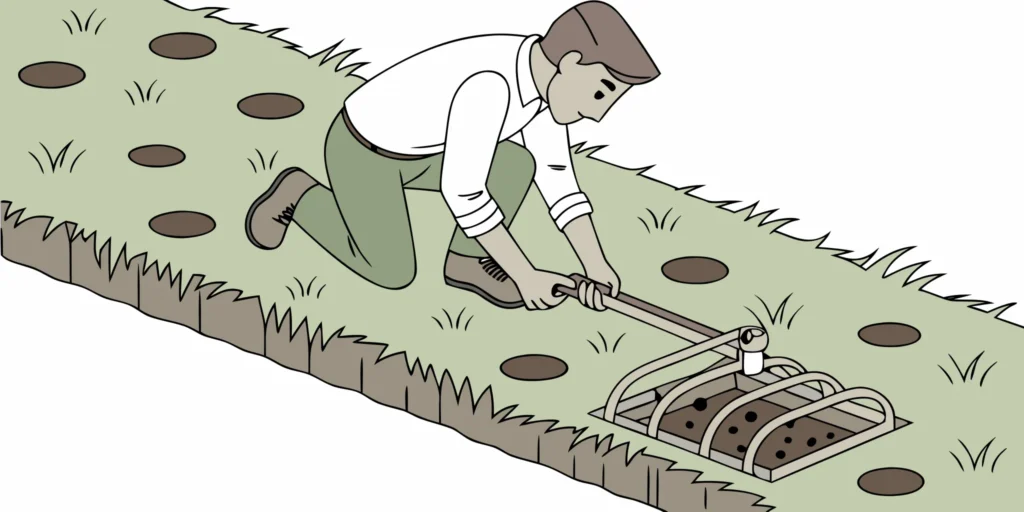
A single mole can dig twenty feet of tunnels every hour. These pests turn a flat lawn into a mess of mounds. You must find the main runway to stop the damage.
Shop Cinch mole traps built for active runways.
Knowing how to set traps for moles starts with finding a straight runway six inches below the surface. Moles use these main runs daily to reach their feeding grounds. Use a stick to poke a hole in the tunnel and wait one day to see if the mole repairs it. Once you find an active run, clear some soil to place your trap in the path of the mole. Trapping is the most effective way to reduce damage from moles and needs the right placement for success. This method targets the mole in its most used travel route. Using a strong, American-made tool allows you to clear your yard without handling the pests.
Once you know how to tell these deep runways apart from shallow holes, you can focus your effort on the routes a mole is most likely to reuse. The path forward starts with understanding why main runways produce better trapping results.
Why main runways produce better trapping results
Trapping is the most effective way to reduce damage from moles. But where you put your trap matters just as much as how you set it. Many people waste time setting traps in feeding tunnels. These are shallow, winding paths that a mole might only use once. To catch a mole fast, you must find the main runways. These are the deep, straight roads that moles use every day to move between their home and their food.
Find the main travel path
Main runways are easy to spot if you know what to look for. Unlike feeding tunnels, which wander around, main runs are usually long and straight. They often follow fixed edges like a fence, a house wall, or a walkway. These permanent mole tunnels are often six inches or more below the ground. They act like a highway for the mole. If you see a straight run that joins two mounds or follows a path, that is your best spot for how Cinch traps operate to catch pests.
Test for active tunnel use
A straight tunnel is a good sign, but you should still test it. You want to make sure the mole is still using that run before you set your trap. Use a small stick to poke a hole in the top of the tunnel. Check back in one day. If the mole has fixed the hole and filled it back in, you have found an active run. This is the best place to set mole traps for fast results. Moles spend most of their time underground, so finding these active routes is the key to success.
Why feeding tunnels fail
Feeding tunnels are the zig-zag paths you see on the surface. Moles dig these while they look for worms or bugs. Because they are temporary, a mole might never go back to that same spot. Setting a trap there is a common mistake. You may wait for days and never catch a thing. Focus your time on the deep, straight runs instead. These paths stay in use for a long time. By placing your trap in a main runway, you put it right in the mole’s daily path. This gives you a much better chance to stop the damage to your lawn.
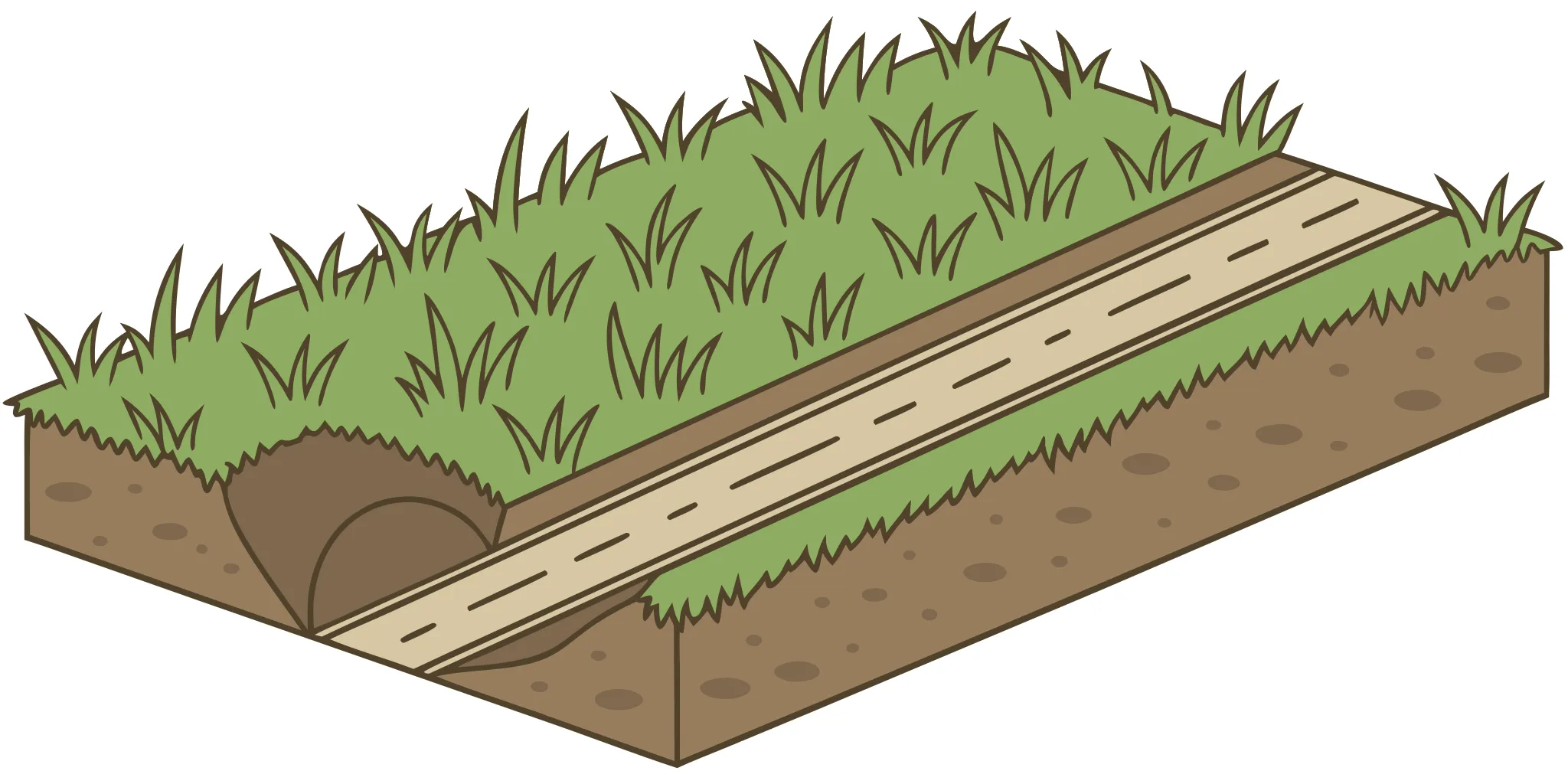
How do you find an active mole main runway?
Find a straight tunnel that follows a fixed edge or connects mounds, then make a small test opening and check whether the mole repairs it within 24 hours.
Finding the right spot is the key part of catching a mole. In fact, trap placement is the key factor for your success. If you put a trap in a path that the mole does not use, you will never catch it. You must learn to tell the feeding paths apart from the main runs. Main runs are the high-traffic roads that moles use to get around your yard.
Look for straight tunnel lines
Most moles dig two kinds of paths. Feeding paths look like winding, jagged ridges that zig-zag across your grass. Moles use these to find worms and grubs, but they often use them just one time. To know how to set traps for moles, you must look for the long-term runs. These main paths mostly follow straight lines and run deeper in the soil. They often connect mounds of dirt or run along solid edges like fences or paved walks.
Check between mole mounds
Mole mounds are the small piles of dirt you see on the grass. These form when the mole digs deep paths to build a nest. If you see two mounds near each other, there is likely a straight main path between them. These deep paths stay firm and the mole uses them for a long time. You can see how Cinch traps work in these deep spots to stop damage fast. Placing a trap here is much better than using a surface ridge that the mole may never visit again.
Test for tunnel activity
Moles are very busy and can dig up to 20 feet in a single hour. But they do not stay in every tunnel they make. Before you spend time setting a trap, you should test the path to see if the mole is still there. This simple check will save you time and help you get results. Follow these steps to find a path in use:
- Find a straight section of a tunnel ridge on your lawn.
- Use your thumb or a small stick to poke a hole in the top of the path.
- Keep the hole small and do not crush the rest of the tunnel.
- Mark your test spot with a small stick or a flag.
- Wait for 24 hours and then come back to check the hole.
- If the mole has plugged the hole with fresh dirt, the path is active.
A mole will fix a hole in its main path to keep out air and light. If the hole is still open after a day, the mole has moved to a new part of the yard. You should move your trap to a new spot and test again. Once you find a fixed hole, you can look for results in two or three days. Check your traps at least every 24 hours to see if you have caught the mole.
How to set traps for moles in a main runway
Open an active runway carefully, clear loose soil, position the trap firmly in the mole’s path, arm it, and cover the opening so no light or draft enters.
Trapping is the best way to stop mole damage in your yard. Success starts with finding the right spot. Moles use deep, straight paths to move between nests and feeding spots. These main runs often sit 6 inches or more below the grass. Moles use these paths every day, so they are the best place to shop mole traps for a fast catch. Experts at Clemson University say that trap placement is the most important part of the job.
Expose the active tunnel
You first need to see if the tunnel is in use. Use a stick to poke a small hole through the top of a straight run. Check the spot after 24 hours. If the mole has closed the hole, you have found an active path. Once you know it is in use, use a small hand tool to neatly open the tunnel. Try not to cave in the path. A clean hole lets the trap sit flat on the tunnel floor. This helps the trigger work well. Moles can tell when things change, so keep the hole small.
Moist soil helps you have more luck with your catch. It makes it easy to dig and set the trap without the walls falling in. If your yard is dry, you can water the spot a bit before you start. This keeps the tunnel firm when you open it. The way how Cinch traps operate relies on a clear path for the mole to hit the trigger. Clear all loose dirt from the tunnel floor. This ensures the mole does not trip the trap too soon by pushing soil ahead of itself.
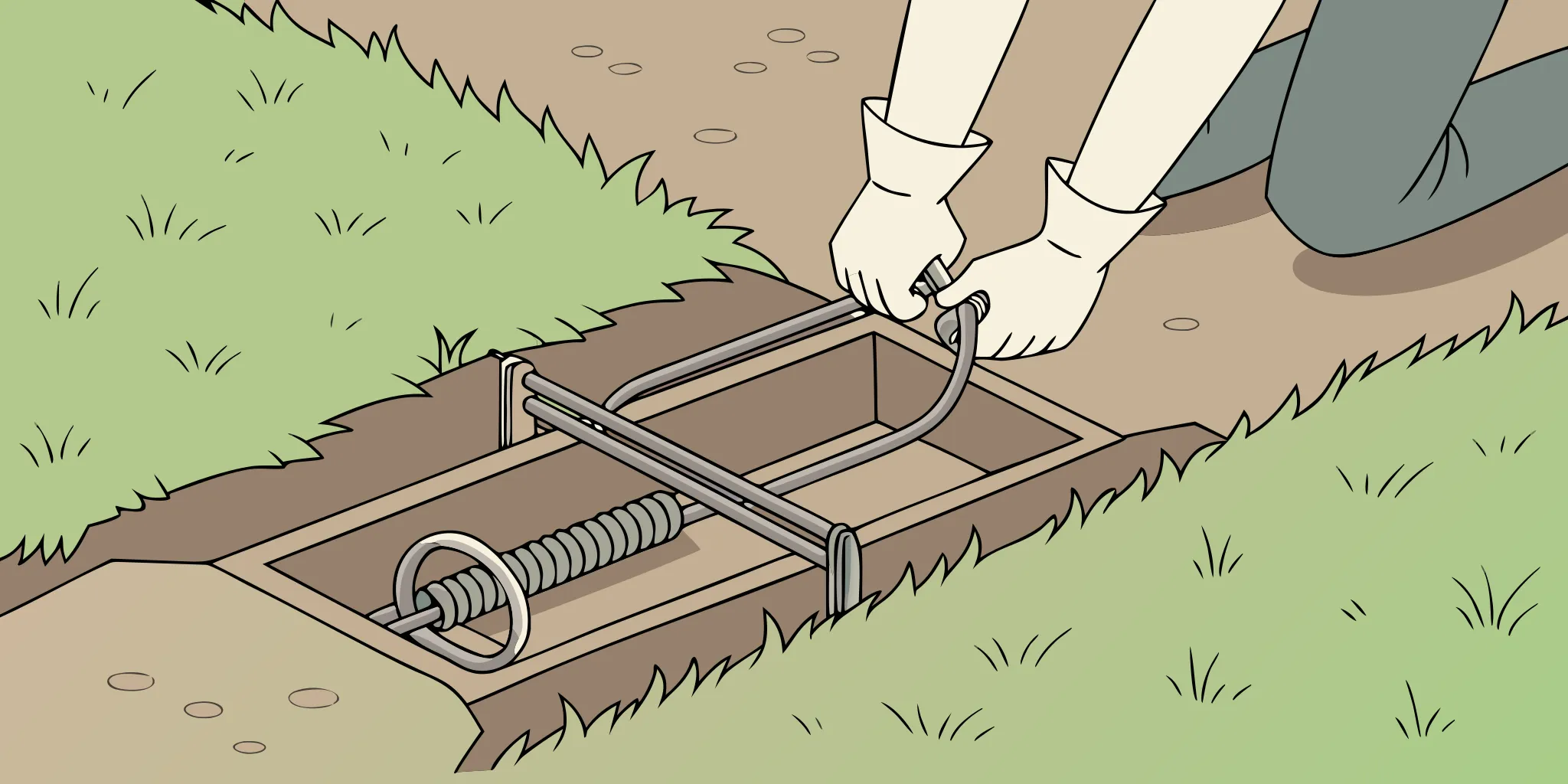
Position and set the Cinch trap
The Cinch trap has a simple 4-step setup. It uses strong American steel to catch moles fast. First, pull the firing pin back and lock it with the safety catch. Slide the trap into the open tunnel. The jaws should be deep enough so the mole is inside them before it hits the trigger pan. You want the trap to be steady. If it moves when the mole hits it, the mole might get away. Push the trap into the soil so it stays still.
Once the trap is in place, let go of the safety. The trigger should be ready but firm. You do not need to touch dead animals with this tool. The mechanical design does the work for you. Most people see success within 2 to 3 days after they set traps in a busy run. If you do not catch anything in three days, the mole may have moved. If that happens, find a new straight run and try again. Each trap has a lifetime guarantee, so you can use it for many years to keep your lawn clear.
Block light and cover the hole
After you set the trap, you must block all light from the tunnel. Moles like the dark and will get shy if they see light or feel a draft. You can use a piece of turf, a board, or a bucket to cover the hole. Make sure the cover does not touch the trap. It must not block the firing pin from moving. If the trap cannot snap shut, it will not work. Some pros use loose soil to seal the edges of the cover to keep the tunnel dark and still.
Checking your traps every 24 hours is a good plan. This lets you see if the trap has snapped or if the mole has filled the hole with dirt. If the mole pushes dirt into the trap without getting caught, you may need to clear the path and reset it. A well-set trap in a main run is the fastest way to stop lawn damage. By following these steps, you use the mole’s own habits to lead it right to the trap. This method is proven by schools to be the best way to handle yard pests without using harsh chemicals.
Get the Deluxe Mole Kit with the tools needed for a clean runway setup.
Common main-runway trapping mistakes to avoid
The most common failures are choosing an inactive tunnel, leaving light or drafts, and allowing loose soil to interfere with the trigger.
Setting a trap is just one step in the work. If you want to learn how to set traps for moles the right way, you must avoid a few common slips. Small errors can lead to a mole digging around your set or tripping the plate too soon. Most trapping failures come from a poor site choice or too much mess at the run.
Using dead or old tunnels
A frequent error is placing a trap in a run that the mole no longer uses. Moles dig many shallow paths to find food that they only use once. These winding paths are not good for traps. You should look for long, straight runs that link two mounds. These are the main roads the mole takes every day. To be sure a run is active, you can poke a small hole in the roof of the tunnel with a stick. Wait 24 hours to see if the mole repairs the gap. A repaired tunnel is a prime spot for your set.
Leaving light or air leaks
Moles live in the dark and do not like drafts. If they feel air or see light in their run, they will stop to fix the hole. They often push a wall of dirt in front of them to block the leak. This dirt can hit the trigger before the mole is in the right spot. When you set your trap, make sure to seal the edges with loose soil. You can also cover the site with a bucket or grass to keep the area dark. This helps the mole feel safe as it moves through the run.
Leaving loose soil in the path
When you cut into the turf, try to keep the tunnel floor clean. If you leave big clumps of dirt in the path, the mole will have to push them out of the way. This can trip the trap too early. A clean path helps the mole reach the trigger for a firm catch. If you are learning how Cinch traps operate, a clear path is key for the jaw to close. You want the mole to move forward without any blocks in the way.
| Common Mistake | Why It Hurts Results | How to Fix It |
|---|---|---|
| Using a dead run | The mole will never trip the trap. | Test for repair before you set. |
| Light or air leaks | The mole will plug the hole with dirt. | Seal edges with soil or grass. |
| Loose dirt in run | It trips the trigger too early. | Clear the floor of the tunnel. |
| Making too much mess | The mole may sense danger and flee. | Keep the dig site small and clean. |
| Bad trap spot | It may miss the mole entirely. | Pick runs that follow a straight line. |
| Failing to move it | You waste time on a cold spot. | Move the trap after two days. |
By skipping these errors, you raise your odds to catch one. Check your sets each day to see if you got a mole. If you are using harpoon-style traps, move them if they do not trip in 48 hours. It is best to stay on a new active run.
What should you do after setting the trap?
Check the trap every 24 hours and move it to a newly confirmed active runway if it remains empty after two to three days.
Once you learn how Cinch traps operate, the next step is to wait for the mole to find it. You must check your site often to see if your work paid off. Moles move fast, so you need to keep up with them. Daily checks help you stay on top of new signs in your yard.
Check your traps every day
You should check your traps at least once every 24 hours. Daily checks help you know right away if the trap has been sprung. If you wait too long, a trapped mole could block the tunnel. This makes it hard for other moles to enter the same run. Frequent checks also tell you if a tunnel is still in use by the pests.
A sprung trap means the mole hit the trigger pan. Since the trap uses a simple trigger, you can see if it fired from above the ground. You do not need to dig up the soil just to check them. This saves you time and keeps the tunnel site safe for later use. If the trap is sprung but empty, check the trigger and reset it. The mole may have pushed dirt into the trap instead of walking through it.
When to move the trap
If a trap stays empty for more than 48 hours, the mole might have moved on. Moles are strong diggers that can travel fast through the soil. If you do not see a catch within two to three days, it is time to find a new spot. This rule helps you avoid wasting time on old tunnels that are no longer in use.
Before you move, look for new mounds or flat runs near the surface. Re-check the tunnel by poking a small hole in the roof with a stick. If the mole does not fix the hole within a day, the tunnel is likely empty. Trapping is the most effective way to stop mole damage, but only if the traps are in the right place. Moving your traps every few days is a key part of how to set traps for moles.
How to cover your land
Expert users often need to cover large areas of land like golf courses or farms. To do this well, you should set traps in a grid or along main property lines. This plan helps you find the most used runways. Once you catch a mole, reset the trap in the same spot. Large tunnel systems often house more than one mole over time, even though moles live alone in their own runs.
After you finish trapping in one area, make sure to reset the site. Flatten out any mounds and fill in the holes you made. This lets you spot new signs if more moles move in later. Using a tough tool made of galvanized American steel makes this work easier for long-term land care. Keep a log of where you catch moles to find the main paths on your land.
Choosing a durable trap for repeat runway use
Choose a trap that remains reliable in wet soil, is simple to reset, and is backed by a maker that stands behind its workmanship.
When you learn how to set traps for moles, the gear you choose matters just as much as where you place it. Moles use main runways for a long time. You need a tool that can stay in the ground through rain and mud. A cheap trap might rust or fail fast, but a high-quality model can last for many years.
Galvanized steel for wet ground
Moles prefer to dig in moist, sandy soil where worms are easy to find. This wet ground can quickly ruin low-grade metal tools. Cinch Traps use galvanized American steel to stop rust from forming. This zinc coating keeps the trigger and jaws working well even when the soil is soaked with rain.
Strong metal is also vital because of how much force it takes to hold a mole. According to experts at Missouri Extension, moles are very strong and use paddle feet to push through the earth. A thin or weak trap may bend or let the mole slip away. Heavy steel ensures the trap stays set until the job is done.
Simple setup for any user
You do not need to be a pro to get results in your lawn. The best traps for long-term use focus on a clear, easy way to work. Cinch traps use a simple four-step setup that does not require you to touch the animal. This makes it a smart choice for people who want to keep their yards clear without a lot of fuss.
Since you will often move traps across a yard, speed is key. A trap that is hard to set will waste your time and might even lead to a missed catch. Choosing a model with a proven design means you spend less time digging. You can focus more on protecting your grass from new hills and tunnels.
A lifetime promise of quality
Buying a trap should be a one-time cost for your land. When you pick a tool with a lifetime warranty, you know the maker stands behind the work. This is a sign of a trap built to handle professional work and daily wear in the field. It gives you peace that your gear will be ready when moles start to move.
Trapping is the best way to stop mole damage on your land. High-quality traps let you manage the problem yourself without the need for toxic baits. By picking a durable, American-made trap, you invest in a solution that keeps your lawn and garden safe for many years to come.
Frequently Asked Questions
What time of day is best to catch a mole?
Moles are active all day and night, but many users find luck during the early morning or late evening. They do not follow a set sleep schedule like people do. Instead, they work in short shifts to find food and fix their runs. You can catch a mole at any time as long as your trap is in a tunnel that they use often.
Is it legal to move moles to a new area?
No, it is usually not legal to move moles from your yard to a new spot. Experts at Clemson University say moles are mammals and most laws do not allow you to move them. This rule helps stop the spread of pests and keeps the animals from dying in a new place. Trapping in your own yard is the best way to handle the problem.
Are moles a type of rodent?
Moles are not rodents, even though they look a bit like mice or rats. They are actually insectivores that eat worms and grubs. As shown by the Missouri Extension, moles have unique paddle feet that help them move through the soil. Unlike rodents, they do not chew on wood or plastic. This fact is key to knowing how to find the right way to trap them.
What is the fastest way to set mole traps?
The fastest way to set traps is to find a deep, straight main runway. These paths connect the mole’s nest to where they eat. Using a Cinch trap with a four-step setup saves time and effort in the field. Once you find a run that is in use, you can set the gear in just a few minutes. This simple method helps you get results without the need for complex tools.
Ready to stop mole damage in your yard?
Moles move fast and can ruin your green lawn in just a few days. If you wait to act, they will dig more tunnels and push up more dirt piles. Each new mound makes your yard look worse and can kill your grass. The cost of doing nothing is a yard full of holes that are hard to fix. You should start now to stop the harm before it spreads to your whole yard. When you see how Cinch traps work, you can get rid of the pests and have a clear lawn again very soon. Our handmade steel traps work fast and are easy to set up. Do not let these pests win when the fix is just a few steps away. You can contact us for help or find the right tools in our shop. You can protect your grass and keep your yard looking great.
Ready to protect your property? Shop Cinch mole traps or contact the Cinch Traps team for help choosing the right setup.