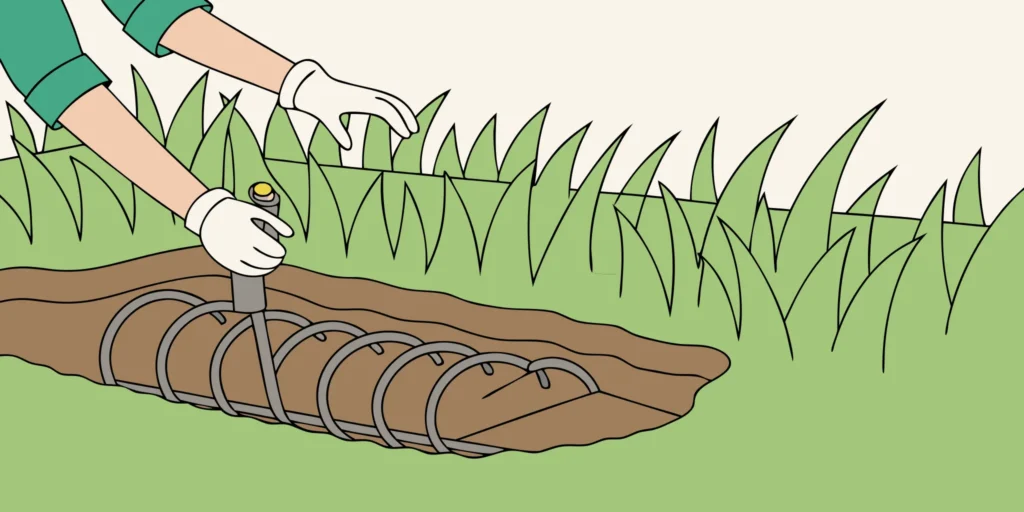
How to trap moles is a key skill for protecting your yard from the damage caused by these underground diggers. While these pests are active all year, the best time to set your tools is during the spring and fall. This is when soil water is high and they stay near the surface. According to University of Illinois Extension, trapping is the most successful method for controlling mole groups, though it needs patience and steady checking. To get the best results, you must find active runs and place high-quality steel traps directly within these paths. Successful trapping uses the natural instinct of the mole to clear any dirt or blocks that stop up its tunnels. By focusing on active areas and using strong tools, you can quickly remove the pests and prevent more harm to your lawn or garden.
How to trap moles by targeting an active tunnel
To learn how to trap moles, you must first find where they live. Moles dig two types of tunnels in your yard. Some are shallow runs that look like raised ridges in the grass. Others are deep tunnels that go far below. Success starts with finding the right tunnel for your trap.
Spot the change in mole damage
Most people look for mole hills first. These mounds of dirt show where the mole has pushed soil out of its path. While these hills show a mole is near, they are not the best place for a trap. You want to find the long, straight tunnels that join these hills. These are often the main roads the mole uses to move around your yard.
Moles also make feeding tunnels that look like zig-zags in your lawn. They may use these paths only once while they hunt for food. If you set a trap here, you might wait for days without a catch. Trapping moles works best when you place your gear in a tunnel the mole uses every day. Focus on the straight paths rather than the messy surface ridges.
Find a main travel run
Look for straight runs that follow a fence line, a walkway, or a garden edge. Moles like to dig along these hard borders because the soil is firm and easy to follow. A straight tunnel that joins two mounds is likely a main travel path. These paths stay in use for a long time as the mole hunts for worms and grubs in the soil.
You can also check for deep runs by poking a rod into the ground. If the rod drops an inch or two into a hollow space, you have found a tunnel. Main tunnels are usually about two to six inches below the surface. Once you find a straight run that feels solid, you are ready to test it for use. This step saves you from wasting time on old, dry tunnels.
Test for use before you set
Before you place your trap, you must make sure the mole is still using the run. Use your heel to push down a small part of the tunnel ridge. You only need to collapse a spot about two inches long. Do not use too much force, or you might block the tunnel too much. Mark this spot with a small stick or a flag so you can find it later.
Wait 24 hours and then check the spot again. If the mole has raised the soil back up, you have found an active run. Experts at the University of Minnesota say an active mole will usually fix a collapsed tunnel within one day. This push-back shows the mole is still there and moving through that spot. This is the perfect place to set your trap for a fast catch.
If the soil stays flat, the mole has moved on to a new area. You should move your search to another part of the lawn. Checking for use first helps make sure that every trap you set has a high chance of success. Once you find a proven active run, you can follow proper ways to set your trap to clear your yard for good.
What is the best time of year to trap moles?
You can trap moles at any point during the year, but success often depends on when they are close to the surface. Moles are active all year long, even in winter. But their digging slows down when the ground is too hard, dry, or frozen. Most people find that the best time to start is as soon as they see new tunnels or mounds in their yard.
Peak activity in spring and fall
Spring and fall are the two most common times to catch moles. During these months, the soil is usually moist and soft. This makes it easy for moles to dig new paths while they look for food like worms and grubs. According to the University of Connecticut, moles are most active in the yard during these seasons, mostly after rain. This surface activity makes it easier to find the right spots to set your gear.
Spring is also a key time because it is the breeding season. Moles usually mate between February and March. If you catch them early in the year, you can stop them before they raise their young. This helps keep the local population from growing. For the best results, you should also learn how to use Cinch mole traps to target these active tunnels before the ground dries out in the summer heat.
Using rain and soil moisture
Wet weather plays a big role in mole habits. When it rains, worms move closer to the surface, and moles follow them. This leads to the visible ridges and mounds that most homeowners do not like. These fresh tunnels are the perfect places to set your traps. The soil is easy to work with, and the mole is likely to return to the path soon. If the ground is too dry, moles will dig deeper into the earth where the air is cool and the soil is damp.
In many areas, the first fall rains bring a new wave of activity. This is one of the best times to start trapping if you missed the spring window. Experts at Illinois Extension note that fall rains often lead to more surface tunneling. Setting your traps during this time lets you clear your lawn before the ground freezes for the winter. This keeps your yard looking good and stops more damage from happening under the snow.
Focusing on active tunnels
While the time of year matters, the state of the tunnel is the most vital part. A trap will only work if it is in a path that the mole still uses. You can check for activity by flattening a small part of a tunnel with your foot. If the mole is using that path, it will usually raise the soil back up within 24 hours. This trick helps you find the right place no matter the date on the calendar.
Once you find a live path, you need to use the right tools. Following proper techniques on how to set a mole trap ensures that the mole cannot simply push past the device. Since these animals like to live alone, catching just one or two can often solve your lawn problem for the year. Checking your traps every day will help you see results fast and keep your lawn safe from new damage.
A four-step method for setting a mole trap
Trapping is the most successful way to get rid of moles on your land. It works well because it uses the mole’s natural drive to clear its tunnel. To get the best results, you need a plan that is both quick and easy to follow. Using proper techniques on how to set a mole trap ensures you stop yard damage fast. These steps work best when you have a trap built to last.
Find an active runway
Success starts with finding a tunnel that the mole still uses. Moles dig many paths, but they only use some of them for travel. To find an active one, press down a small part of a surface ridge with your foot. Check back later to see if the soil has been pushed up again. According to the University of Minnesota, an active mole will usually raise the soil or turf again within 24 hours. If the soil stays flat, move on to a new spot.
Prepare the tunnel opening
Once you find a live tunnel, you must open it to set the trap. Use a small shovel or a garden trowel to cut a hole into the roof of the runway. Be sure to clear out any loose dirt or debris from the floor of the path. This keeps the way clear so the mole can hit the trap trigger. If you want to master this part of the job, you can learn how to use Cinch mole traps for better speed and ease. A clean tunnel makes for a fast catch.
Place and set the trap
Now you are ready to set the trap into the ground. Place the trap so that the jaws or loop sits right in the mole’s path. Ensure the trap is firm and does not wobble when the mole passes through. For an in-tunnel trap, the mole should be able to move forward until it hits the trigger pan. Always follow the safety steps in your product guide to avoid injury while you set the spring. Heavy steel traps are best for this task because they stay in place once set.
Cover and check daily
After the trap is set, cover the hole with a bucket or a piece of sod. This blocks out light and keeps the mole from digging around the trap. You must check your progress often to see if you have caught the pest. Experts at the University of Illinois say that patience and persistence are often needed to win the fight against moles. Check the trap at least once every day to see if it has been sprung. If you have no luck in two days, try a new spot.
- Locate an active surface tunnel by pressing down a section and checking for a repair within one day.
- Open the tunnel roof and clear all loose soil to make a clean space for the trap.
- Insert the trap firmly into the runway and set the trigger according to the product directions.
- Cover the trap to block light and check it every 24 hours until you have a successful catch.
Which type of mole trap should you use?
Choosing the right tool is the first step in learning how to trap moles well. Most mechanical traps use the mole’s natural drive to clear its runs. When a mole hits a block, it tries to push through or dig around it. This action trips the trap. While many styles exist, most fall into three main groups: in-tunnel, harpoon, and scissor traps.
In-tunnel traps
In-tunnel traps, like the ones from Cinch Traps, sit inside the mole’s path. This design is often a top choice because it needs very little digging. You do not have to move much soil or hurt the lawn to set them. These traps use tough steel and work in wet or heavy soil. Since they stay underground, pets and mower blades are less likely to hit them. You can learn how to use Cinch mole traps to clear active runs fast.
Harpoon and scissor traps
Harpoon traps sit on top of the mole hill. They use sharp spikes that fire down into the dirt. Scissor traps work by squeezing the mole from the sides. Both types need a lot of work to set up. You often have to crush a part of the run and place the trigger on the dirt. This can cause a mole to leave the path before the trap fires. If you choose this style, follow a guide for setting scissor claw mole traps to get it right.
| Trap Type | Setup Area | Dirt Moved | Best Soil |
|---|---|---|---|
| In-Tunnel | Inside path | Low | All types |
| Harpoon | Above ground | Medium | Light soil |
| Scissor | Inside path | High | Loose soil |
Studies show that trapping is the most successful way to control moles according to Illinois Extension. To get results, you should check your traps at least once every 24 hours as noted by the University of Minnesota. If you do not see a catch within two days, you may need to move the trap to a new spot.
Why mole traps fail and how to fix the setup
Trapping is the most effective way to manage mole populations on your land. While many people think how to trap moles is simple, common errors often lead to empty traps. Success depends on patience and exact placement to outsmart these pests. Understanding why your set failed is the first step toward a clear lawn. A failed set usually comes down to location or a poor seal.
Find active travel tunnels
Many traps fail because they are set in old or abandoned tunnels. Moles dig deep runs for travel and shallow runs for feeding. You must find the main travel routes for the best results. Step on a small section of a surface ridge and check it the next day. A mole will raise the soil again within 24 hours if the run is active. If the ground stays flat, move your gear to a new spot.
Using too few traps is another common mistake for large yards. We suggest setting traps in pairs to cover both sides of a tunnel. This doubles your catch rate and helps you find the pests faster. If you only use one trap, the mole might come from the other way and never hit the trigger. More sets mean a higher chance of a quick catch.
Stop light and air leaks
Moles have sensitive noses and can sense changes in their home. When you set a trap, you must seal the hole to keep out light and air. If a mole feels a breeze or sees light, it will dig around the trap or fill it with dirt. Use loose soil or a piece of sod to cover the site. This keeps the tunnel dark and quiet. A good seal ensures the mole stays on its path until it hits the trigger.
Poor tunnel cleanup can also alert the mole to your presence. If you leave large clumps of dirt in the run, the mole will stop to clear them. This can set off the trap before the mole is in the right spot. Always clear out the tunnel floor with a small tool before you set the trap. A clean run allows the mole to move fast and hit the trigger hard.
Select the right trap size
A trap that does not fit the tunnel will miss its mark every time. Moles vary in size, and their tunnels match their body width. If your trap is too small, the mole may push it aside. If it is too big, it will not sit right in the soil. Check our troubleshooting guide to match your trap to the tunnel diameter. A snug fit is vital for the mechanical trigger to work as planned.
Avoid over-checking the site
It is tempting to look at your traps every few hours, but this can scare the mole away. Traps work by using the mole’s instinct to clear a blocked path. If you open the tunnel too often, you change the environment. Check your sets once every 24 hours. If you have no luck after two days, the mole has likely moved on to a different part of the yard. Moving the trap to a new active run is better than waiting in a cold spot.
How to monitor traps and confirm the mole is gone
Good trapping takes time and steady work. Once you set your traps, you must check them often. Most experts say you should look at your traps every day. This helps you know if you have caught the pest or if you need to move the trap to a new spot.Finding active mole runs
Before you set a trap, you must find a tunnel that the mole still uses. Moles dig many paths, but they only use some for travel. To find an active run, step on a small part of a surface tunnel to flatten it. Check that spot the next day. If the mole is still there, it will raise the soil again within 24 hours to clear its path. This active run is the best place to set your gear.When to move your traps
If you do not catch a mole after two or three days, you may need a new spot. Moles are very smart and can sense when a tunnel is no longer safe. Sometimes they dig around a trap or stop using that part of the run. To stay on top of the task, you should learn how to use Cinch mole traps. This ensures you place them in the best tunnels. If a trap stays empty for 48 hours, move it to a new active run.Seeing a catch and watching for signs
You will know you have a catch when the bright sign on your trap goes off. For Cinch traps, this is a bright yellow flag that stands up. This part lets you see your success from a distance. You can check the trap without touching the pest. After you remove a mole, do not stop your work right away. Moles often live alone, but others may move into the empty space. To make sure the moles are gone, follow these steps:- Flatten all the mounds and surface runs in your yard.
- Watch the ground for new mounds or raised turf for at least one week.
- Keep your traps ready to set if you see any new signs of digging.
Are you dealing with a mole or a gopher?
Before you set a trap, you must know which pest is in your yard. Moles and gophers both live underground, but they leave very clear signs. Picking the wrong tool or spot will not work well. You can save time and money by looking at the dirt they push up. Both pests can ruin a lawn, but the way you catch them is not the same. You need the right plan to get them out for good.
Mound shape and size
The first sign to check is the dirt mound. A mole makes a hill that looks like a small cone. They push the soil straight up, which creates a round mound. These mounds are often made of fine, loose dirt. Experts at the University of Connecticut say these mounds form as the pest moves soil to build its paths. If you see a round hill with a hole in the middle, it is likely a mole. They often dig these hills in the early spring after the snow melts.
Gophers build their hills in a different way. Their mounds usually have a fan or crescent shape. The hole is off to one side and stays plugged with dirt. This is a key way to tell them apart. If the mound is not round or lacks a clear center hole, you are likely facing a gopher. You can check our FAQs on moles and gophers for more tips. Using the right signs will help you pick the best trap for the job and save your lawn.
Signs of surface ridges
Another big clue is the signs of ridges on top of the grass. Moles dig very close to the surface when they hunt for food. This creates long, raised bumps in your lawn. These surface tunnels are easy to see and feel when you walk on them. Moles use these runs to find new spots to eat. They can move very fast and dig many feet of tunnel in just one day. If you see these raised lines, you should find proper techniques on how to set a mole trap in an active run.
Gophers do not usually leave these surface ridges. They dig much deeper and stay out of sight. You might only see their fan-shaped hills but no raised paths on the grass. If you see long ridges that snake across your yard, you can be sure a mole is at work. These pests are very busy in the spring and fall when the soil is damp and soft. Finding these active runs is the first step in learning how to trap moles.
What do they eat?
The diet of each pest also tells you why they are in your yard. Moles are not rodents. They are insect-eaters that feed on meat, like worms and grubs. They rarely eat plant roots or bulbs. Most damage to your plants in mole runs is actually from other small pests like mice. Knowing this helps you pick the right spot. You do not need seeds or grain to catch a mole. They follow the food, so you should place traps where the soil is rich with worms.
Gophers are rodents that eat plants. They will pull your garden plants down into their holes to eat the roots. If your flowers are dying or gone, you likely have a gopher. Moles only hurt your lawn by digging, but gophers will eat your crops. Our guide on how to learn how to use Cinch mole traps can help you start. Once you know which pest is there, you can stop the damage and keep your yard safe.
Frequently Asked Questions
What is the best way to trap a mole?
Mechanical traps are the most successful way to remove moles from your lawn. Experts at the University of Illinois Extension state that trapping works better than using poisons or gas bombs. You must find an active tunnel and place a high-quality trap inside it. This method uses the mole’s own habits to catch them. Be sure to check your traps often and move them if you do not see results within two days.
How to quickly catch a mole in one day?
To catch a mole fast, you must first find a run that the animal uses every day. Flatten small parts of the mounds and wait to see which ones the mole repairs within 24 hours. Once you find an active spot, set your trap carefully so it does not block the path. According to Illinois Extension, trapping is easiest when tunnels are new or after it rains.
Does baiting work for mole traps?
Baiting is rarely effective because moles are insectivores that prefer to eat live food. They mostly hunt for earthworms and soil insects in their tunnels. Research from the University of Connecticut shows that moles rarely eat plant roots or garden bulbs. Since they do not look for seeds or grains, standard pest baits will not attract them. Using a mechanical trap that triggers when the mole passes by is a much better choice.
How deep should a mole trap be buried?
You should place mole traps in surface tunnels rather than deep nest areas. Most mole activity happens near the top of the soil where the ground is soft and full of food. The Rutgers University guide explains that moles use these shallow runs to find worms. Do not place traps in the deep passages found 8 to 12 inches down. Instead, focus on the raised ridges you see on your lawn for the best results.
Ready to clear your yard and stop mole damage?
Moles can ruin a flat lawn with dirt piles in just one day. This damage will cost time and money to fix if you wait. Act now to catch these pests while they are active so you can keep your grass safe and your yard looking great all year. You can learn how to use Cinch mole traps to get fast results and get your yard back with a tool that works. Do not let these pests take over your property while you wait for a solution that might not even help your lawn.
Ready to save your lawn? Contact Cinch Traps to shop mole traps and learn the proven four-step setup for your yard today.