A fresh ridge across your lawn can undo weeks of careful work overnight. If you are comparing a victor mole trap with a Cinch tunnel trap, the most important differences are where each trap sits, how it triggers, and how well it matches your soil.
Shop Cinch mole traps and choose the right size for your active tunnels.
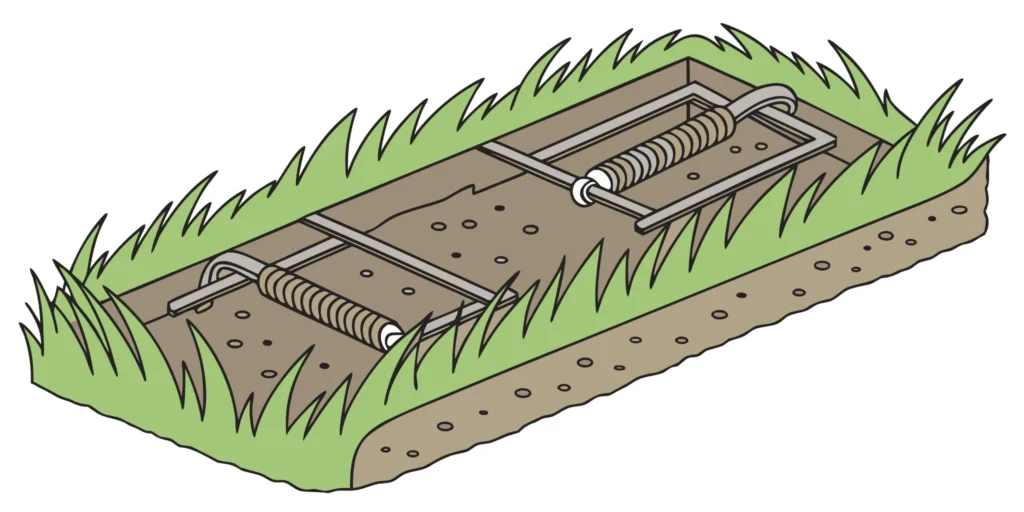
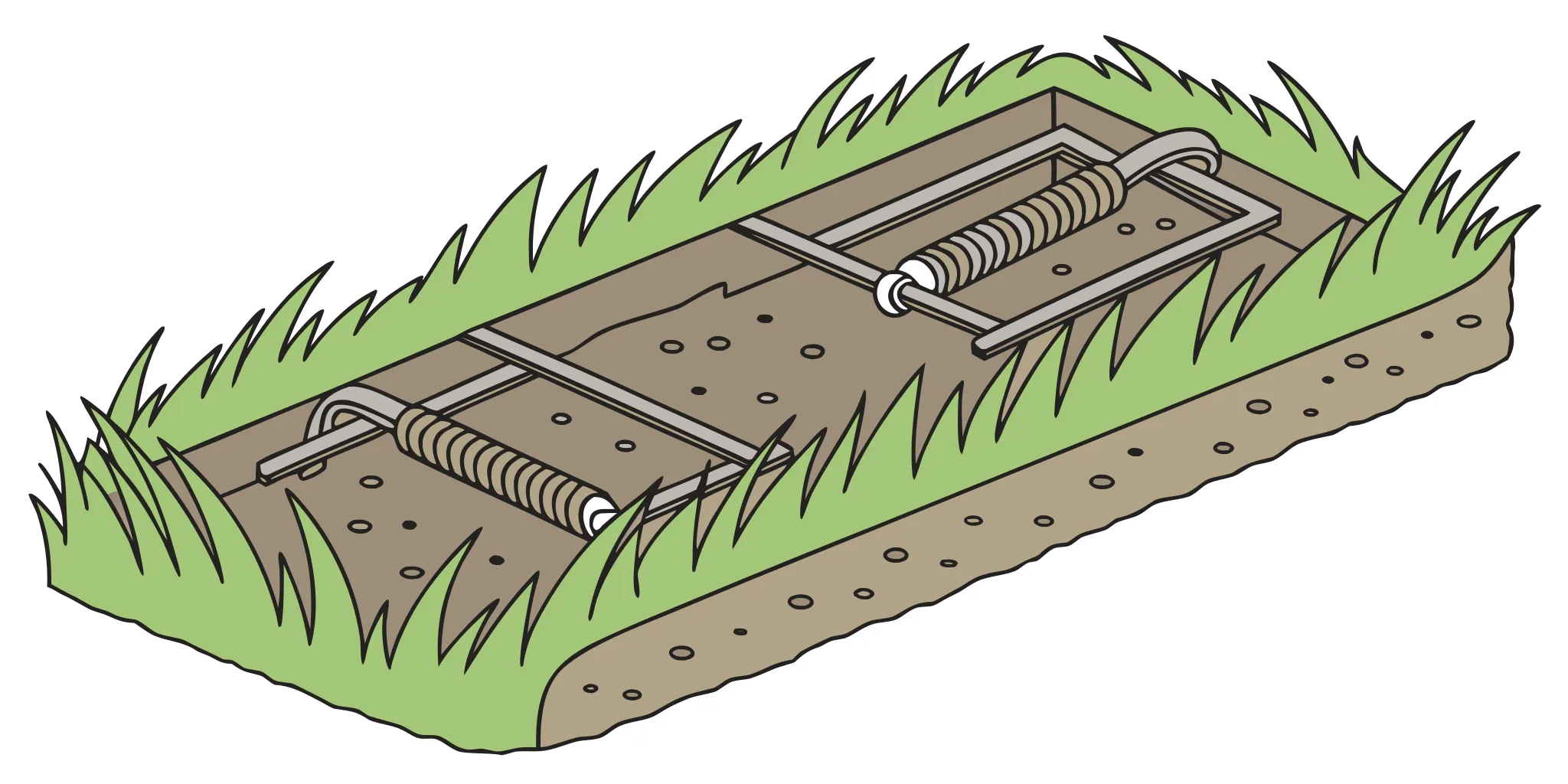
A Victor plunger-style mole trap sits above a runway and fires into the soil when a mole raises the trigger pan. A Cinch mole trap is placed inside an active tunnel, where its jaw-and-trigger design meets the mole in its normal path. Both require careful tunnel selection, but Cinch is handmade in Oregon from galvanized steel, comes with a lifetime warranty, and follows a simple four-step setup.
The comparison below explains the tradeoffs without assuming one yard is like another. Start by confirming that you have moles, find a runway the animal is actively repairing, and choose the design that fits your soil and comfort level.
Victor Mole Trap vs Cinch Mole Trap: the key differences
Choosing the right tool is the first step to a clear lawn. Both Victor and Cinch make traps to stop mole damage. But these tools work in other ways. The victor mole trap is a common choice found in many local stores. It often uses a plunger or harpoon design. Cinch Traps offers a top-tier tool made from heavy steel in the USA.
Traps are the best way to handle a mole problem. Experts at Washington State University say that trapping has proven reliable for stopping mole groups. While gas or bait might seem easy, they often fail to work. A metal trap gives you a sure way to know the pest is gone. This keeps your yard safe and free of holes.
Comparing trap design and materials
Most Victor traps use a strong spring to fire sharp spikes into the ground. This happens when a mole pushes up on the soil. It can be hard to set because you must push the spikes deep into the dirt. This design works best in soft, loose soil. In contrast, Cinch uses a jaw-style design that sits inside the mole’s tunnel. This makes it easier to use in hard or rocky soil where spikes might get stuck.
Cinch traps come with a lifetime warranty. They are built to last for many years. Many mass-market traps use plastic parts or thin metal that can rust. Using strong steel ensures your tool stays ready for work season after season. This strength is key for people who deal with mole hills every year. You want a tool that you can trust to work every time.
| Feature | Victor Trap | Cinch Trap |
|---|---|---|
| Trap Style | Plunger or Scissor | Jaw and Tunnel |
| Material | Plastic and Steel | Galvanized Steel |
| Where It Is Made | Often Overseas | Handmade in Oregon |
| Warranty | Limited | Lifetime Guarantee |
| Setup Steps | Requires soil pressure | Simple 4-step process |
Finding active tunnels for success
No matter which trap you buy, you must find where the moles are active. Moles can tunnel fast through your garden soil. You should look for fresh mounds of dirt to find the best spot for your trap. Finding active runways is the key to catching a mole quickly. This ensures your trap is in the right place to stop the damage.
Moles mostly eat earthworms and grubs. They spend their lives moving through deep and shallow runways. A good trap must sit in these paths to work well. The Cinch Mole Trap design works well because it fits the shape of the tunnel. It catches the mole as it moves through its normal day. This avoids the need to dig up large parts of your lawn.
Choosing the right tool for your yard
The best choice often depends on how many moles you have. A single Victor trap might work for a small yard with light soil. But if you have a large plot of land, you may need a more robust tool. Expert teams often choose Cinch because it is proven and easy to set. You do not even have to touch the animal once it is caught.
Cinch has over 100 years of history making these tools. Using a trap that works the first time saves you stress. It also keeps your lawn and plants safe. When you pick a trap, think about how long you want it to last. A tool with a lifetime guarantee is often the best value for your money.
How does each mole trap work?
Trapping is the best way to stop moles. While there are many tools, the Victor mole trap and the Cinch trap are common. Each uses its own way to catch the pest. Knowing how they work will help you choose the right one. Since trapping is the only trusted way for mole control, you must know these tools to get results.
The Victor plunger trap design
A Victor mole trap uses a strong spring design called a plunger or spear trap. It sits on top of a tunnel. To set it, you press down a small part of the tunnel roof. You then place the trap so its trigger pan rests on that spot. When the mole fixes its tunnel, it pushes the soil up. This lift moves the trigger pan and lets the metal spears go. The spears fire down to catch the mole.
People like this trap because it is easy to find in most stores. It works well in soft soil where the spears can move fast. But if your ground is rocky or hard, the spears might get stuck. This can lead to missed catches. You also have to be careful to set the trigger pan at the right height. If it is too high, the mole may crawl under it. If it is too low, the trap might fire too early. This Victor versus Cinch check helps show why choice matters.
The Cinch tunnel trap design
The Cinch trap works in other ways. It is a tunnel trap made to sit right in the mole’s path. Instead of firing spears from above, the Cinch trap uses a jaw design. You place the jaw end of the trap right into the open end of a tunnel. The Cinch design comes from over 100 years of use in mole control. It is made by hand in Oregon and built from strong steel to last a lifetime. This trap is made to be helpful in all soil types, like the hard clay often found in the west.
When the mole moves through the dirt, it bumps into the trigger inside the jaws. This snap-shut motion catches the mole fast. One big plus of this design is that you can see if the trap has fired from a distance. The back end of the trap stays above ground and changes shape once it snaps. This means you do not have to dig up your yard just to check your work. It also keeps you from having to touch the pest once it is caught.
Why correct placement matters
Even the best trap will fail in the wrong spot. Moles are active bug eaters that hunt for food. They eat mostly worms and grubs. They dig deep runways and shallow feeder paths. Feeder paths are often used only once. Set your trap in the main paths that the mole uses every day to move between its nest and its food source.
Finding active paths takes work. Step on a few small parts of raised tunnels. Check back a day later to see which ones the mole has fixed. Those are your active paths. Setting your trap in these spots is vital. Since moles have large feet made for digging, they move soil fast. If you place your trap in a spot they use often, you will have a better chance of stopping the damage.
Which trap is easier to set correctly?
A trap that is easy to set is the first step to a clear lawn. If a tool is too hard to use, you might not set it right. A trap set wrong will not catch any pests. Moles are smart and avoid tools that fail. This is why you need a simple tool that works on the first try. The Cinch mole trap and the Victor mole trap are two common choices. But they work in very other ways.
The Cinch trap was built to be easy for all to use. It does not use heavy springs that can snap on your hands. It uses a smart lever that is easy to lock in place. This makes it safer than old tools. When you use a Cinch trap, you can be sure it is set the right way.
Setting the Cinch mole trap
The Cinch trap uses a four-step path to catch moles. It fits right into the mole’s own home. The mole does not see it until too late. Set your trap in just a few minutes.
- Find the active run. Look for fresh dirt piles in your lawn. Use a stick to poke the ground near the mounds. When the stick drops into a hole, you have found the run. Experts at Washington State University say that finding active runs is key.
- Open the run. Use a small hand tool to dig a hole down to the run. The hole should be about the size of the trap jaws. Do not fill the run with loose dirt. A clean hole helps the trap work much better.
- Insert the trap. Slide the jaw end of the trap into the run. Make sure the jaws are open wide and flat. The mole should be able to crawl through them easily. The trigger should sit in the middle of the path.
- Pull the lever. Use the handle to pull back the spring. Move the trigger pin over the lever to lock it in place. Now the trap is live. You can see the handle from far off to know if it has fired.
Using the Victor mole trap
The how Cinch compares to Victor mole traps debate often starts with the set-up. The Victor mole trap is a harpoon-style tool. It sits on top of the ground with long legs. To set it, you must push a metal bar down with a lot of force. If the soil is dry or hard, the spikes might not go deep enough to work.
Setting the trigger on a Victor trap can be hard. Your hands are often close to the sharp spikes. You must place a small pan over the run at just the right height. If the pan is too high or too low, the trap will fail. This makes the Victor trap harder to use.
Safety and pro results
Cinch traps are made of top steel in the USA. They are built to be safe and very tough. The Victor mole trap is made of thin metal and can rust over time. It can also be a danger to pets or kids if they find it in the yard. Being under the ground makes the Cinch safer.
Using a tool that is easy to set saves you time and stress. By doing the clear steps for a Cinch trap, you can clear your yard of moles fast. It is the best way to get the job done without using any poisons.
Durability, maintenance, and long-term value
When you choose a tool to fix a yard problem, you want it to last. You might start your search by looking at how the Cinch design is compared to a victor mole trap. While store-bought items work for a quick fix, they may not hold up over many years. A pro trap made of strong metal is a better choice for most people. It stays sharp and strong through many seasons of hard work in the dirt.
Metal strength and build quality
Most retail options use plastic parts or thin metal that can rust or bend. In contrast, traps made in Beaverton, Oregon, use heavy galvanized steel. This metal is thick and resists rust even in wet soil. Since moist soil makes it easier to catch moles, your gear will often be in the mud. You need a tool that can sit in damp earth for days without losing its edge or getting stuck.
When you look at a victor mole trap, it often uses a spring that sits above the ground. A steel trap that fits inside the tunnel is different. It is built to survive the weight of the dirt and the push of the mole. This design helps the tool stay in top shape for years. A steel trap keeps its force so it can catch pests every time it trips. This is why farmers trust metal tools for their work.
Saving money over many years
The real cost of a trap is not just the price on the tag. It is also about how often you have to buy a new unit. Some low-cost traps break after just a few uses. If you have to buy three cheap traps to do the job of one good one, you have spent more money in the end. A trap with a lifetime warranty gives you peace of mind because you know the brand stands behind the build.
Cinch Traps has made these tools for 116 years. This long history shows that the design is solid and lasts for a very long time. While some brands focus on fancy looks, a heritage brand focuses on what works in the real world. This value is why finding the right pest is key before you spend your hard-earned cash on a trap. Once you know you have moles, you can buy a tool that will stay in your family for years.
The Deluxe Mole Kit is the most popular starter bundle, combining two traps with maintenance spray and a tunnel-sizing tool for a complete setup.
Simple care for your traps
To get the most value from your gear, you should do basic care after each catch. Wipe off any mud or dirt before you store the tool. This keeps the moving parts smooth so they trip fast. You do not need oily sprays or special soaps. Just a quick wipe with a dry cloth is often enough to keep the metal clean. If you use the tool in very wet ground, let it air dry before you put it away in a shed or box.
If you see any rust after many years of use, you can use a bit of steel wool to clean it off. You do not need to buy a new trap if the metal is still strong. This kind of care keeps your tools ready for any new moles that move into your yard. Store your traps in a dry place when the ground is frozen or too dry for moles to tunnel. Keeping your gear out of the rain helps it last even longer. By following these easy steps, you make sure that your tool is ready for the next time a mole hill pops up.
Which trap is right for your property?
Every yard has its own needs when it comes to pest control. Before you pick a tool, you must know what animal is digging in your soil. Many people find that finding the pest is the first big step. If you see mounds of dirt that look like fans, you likely have gophers. If the mounds look like small hills or long ridges, you are dealing with moles. These pests have different habits, so they need different traps.
Finding your yard pests
Moles and gophers hurt lawns in different ways. Moles are not rodents. They are insect eaters that hunt for worms and grubs in the dirt. They use their strong claws to “swim” through the earth. This creates long tunnels that can ruin the look of your grass. To stop them, you need a trap that sits inside their active paths. Many users start by looking for a victor mole trap or other common tools. While those are easy to find, they may not offer the same level of care as pro gear.
Gophers, on the other hand, are rodents that eat roots and plants. They can quickly kill a garden or young trees. Since gophers are larger and more active, their traps must be strong and safe. Gopher tunnels are usually deeper and have a clear plug of dirt at the door. Picking the right model depends on which of these pests is moving through your yard.
Picking the best model for your needs
Where you live and work also matters. A small garden in a city yard has different needs than a large farm or a tree nursery. Homeowners often want a tool that is easy to set and safe to use. They also prefer not to touch the pest after it is caught. Pros, like yard care experts, need tools that last for years. They look for strength and a high catch rate.
Cinch Traps are hand-made in Oregon from tough steel. This makes them a top choice for tree farms and farm supply stores. These traps can handle the daily use of a pro shop but are simple enough for a home user. When you look at how Cinch compares to Victor mole traps, the main point is how the tool is made. A pro-level tool is built to work in all soil types, from soft sand to hard clay. This strength is why trapping is the only proven way to manage these pests.
Comparing the Cinch and Victor designs
The victor mole trap is a common tool found in many stores. It often uses a spring or scissor-style shape. These traps can work, but they often require you to dig big holes in your lawn. They can also be hard to set if the ground is very firm. If the spring is not strong enough, the pest may get away or set off the trap without being caught.
The Cinch design is different. It uses a long jaw that fits right into the tunnel. You do not need to dig a big hole or mess up the runway. The trap sits above the ground so you can see if it has fired from far away. This system saves you time and work. Also, Cinch offers a lifetime warranty on its tools. For those who want a long-term fix, a pro tool is often the better deal over time.
The bottom line on Victor vs Cinch
Picking the right tool depends on your goals and your yard. The Victor mole trap is a common pick for many people. You can find it in most local hardware stores. It works for small yard issues. But if you want a tool that lasts for years and works like a pro tool, the Cinch trap is the best choice.
Many people start with a Victor mole trap because of the low cost. It is a mass-made tool that can solve a quick problem. But if you have a big yard or many moles, it may lack the strength you need. The Cinch trap is a tough tool made from heavy steel. It will not rust in wet dirt. It is a long-term fix for a long-term problem.
Why build quality matters for long-term use
Cinch traps are hand-made in Oregon. They have a past that spans over 100 years. This shows the design stays strong. Unlike some other brands, these traps have a lifetime warranty. This is a big win for people who want to buy a tool once and use it for many years. You can see how Cinch compares to Victor mole traps when you look at the build.
A Victor mole trap may work for one year, but the Cinch is made to last much longer. The steel is thick and holds up against the force of the soil. This build is why many farmers and pest pros trust it. They need a tool that works every time. When you buy a Cinch, you get a piece of gear made for hard work.
Effective control in active runways
Success in mole control depends on finding the right spot to trap. Moles live in tunnels deep in the ground. Experts at Washington State University say that trapping is the only way to stop these pests. You must find an active runway and place your trap there. The Cinch design makes it easy to set the trap in these tunnels.
Some find the Victor design harder to set in deep or wet soil. Its spring can lose power over time. The Cinch uses a steady tension that stays strong for years. This helps you get the same results on day one as you do on year ten. To see why the Victor mole trap ranks differently in pro settings, look at how well the trap stays set.
The best tool for your goals
If you have a small mole problem and want a cheap fix, the Victor trap may work. It is fine for light use in small yards. But if you want a tool you can trust, go with a Cinch. It is a pro-grade tool that offers more value. Cinch is for those who want to stop moles for good without using toxic chemicals. It is a tool that pays for itself by lasting through many seasons of use.
Frequently Asked Questions
Is the Victor mole trap better than the Cinch mole trap?
Both options can work, but they serve different needs. The Victor trap is a common tool found in many stores. However, Cinch Traps offer a pro design with over 100 years of history. According to Cinch Traps, their tools use a mechanical design that does not need bait or poison. This makes them a top choice for people who want a safe way to stop pests.
Is the Cinch mole trap easier to set than the Victor trap?
Many users find the Cinch trap easier to set than the Victor models. Cinch traps work well in many soil types. They allow you to see the trap from above the ground once you set it. This helps you know if you caught the pest without any digging. According to Cinch Traps, the easy setup makes them great for both homeowners and lawn care pros.
Do Victor mole traps require poisons or chemicals?
No, the Victor mole trap is a tool that kills pests on contact. It does not use toxic bait or gas to work. This is good because gas and other baits often do not work well. According to Washington State University, trapping is the only proven way to manage a mole problem. Both Victor and Cinch provide a way to clear your yard without poisons.
Can I use these traps for gophers as well as moles?
Yes, Cinch Traps can catch both moles and gophers. While Victor has different models for each pest, the Cinch design works for both. This means you only need one tool to protect your garden or farm. Since these traps are made from strong steel, they stay useful for a long time. They offer a simple and fast solution for anyone dealing with holes or mounds in their yard.
Ready to choose the right mole control tools?
Shop Cinch mole traps for a durable, tunnel-set approach backed by a lifetime warranty.
If you wait to set a trap, the moles will keep digging tunnels that cause big holes and dead grass all over your yard. Each day you wait is more time for the damage to get worse and cost you a lot of money and hard work to fix. You can stop this right now by using a strong tool that will save your lawn and keep it safe from pests for good.
Ready to contact us? Shop Cinch mole traps to stop yard damage and keep your grass green and healthy right now. You will get a tool that works well and saves you time every single day.