

Fresh mounds and damaged grass can be frustrating, especially when rain has left the lawn wet. If you are asking, what is a mole, it helps to know that a mole and a pocket gopher are different animals, and their signs point to different control steps. For a wet lawn with gopher activity, the key is to identify the gopher’s active tunnel and put the trap where the animal travels—not simply on top of a mound.
Get help choosing your next step
How can you tell whether a wet lawn has gophers or moles?
Before setting any trap, look at the shape and arrangement of the damage. Pocket gophers push soil up from underground tunnels and commonly leave distinct mounds, often with a plugged opening off to one side. They feed on roots and plant material below ground, so a plant may wilt or disappear even when its leaves were not eaten. Fresh soil and new damage are useful clues, but one mound alone does not tell you whether a tunnel is active.
Moles also move through the soil, but their feeding and tunneling signs often look different. Raised surface ridges or shallow, winding runs can point to mole activity, while a series of fan-shaped soil mounds is more characteristic of pocket gophers. Wet weather can soften the ground and make ridges, footprints, and mounds harder to interpret. Check more than one sign before choosing a trap. If the evidence looks like surface runways rather than gopher mounds, use a mole-specific guide instead of treating it as a gopher problem.
- Gopher clues: separate soil mounds, plugged openings, and damage to roots or plants.
- Mole clues: raised, shallow ridges or winding surface runs, sometimes with molehills.
- Unclear signs: look for fresh changes after the next rain and compare several features before acting.
The answer to “what is a mole?” matters here because the two animals do not use the same tunnel system in the same way. Do not put a gopher trap into a shallow surface ridge just because it is easy to see. A helpful check is to compare the shape, freshness, and location of the signs together: isolated piles of soil are not enough, and a bare patch of grass may have more than one possible cause. Look for a pattern that connects current mounds with nearby plant damage, and consider whether rain has washed away or softened the original evidence. When you are not sure, spend time identifying the animal before buying or setting equipment. Choosing the correct trap type at the start is simpler than troubleshooting a device placed in the wrong tunnel system. For a more detailed comparison of the signs, review Cinch’s mole and gopher FAQs. The how trapping works guide can also help you understand why placement in an animal’s route matters.
Identify the animal from several fresh signs first; a gopher trap is for a gopher’s underground tunnel, not a mole’s surface runway.
What changes when the lawn and soil are wet?
Rain can make gopher activity easier to notice because new soil stands out against wet grass. It can also make the ground soft enough that mounds slump, tunnel openings collapse, and shallow surface signs become less clear. The important distinction is between damp soil and saturated, unstable ground. A little moisture does not automatically mean you must stop, but muddy soil that caves in or fills a tunnel makes it harder to find and maintain a useful set.
Walk the area carefully and avoid trampling the suspected route. Heavy foot traffic can flatten fresh signs and compress the very soil you are trying to inspect. If water is pooling over a mound or the ground is so soft that the tunnel walls fall away, wait for drainage and reassess. A trap needs a stable location in the tunnel system. A rushed set in collapsed mud may not sit correctly or leave the gopher’s route open as intended.
Also consider the source of the wetness. If a sprinkler has saturated one patch, turn it off temporarily and let the area drain before digging. If runoff is repeatedly washing soil into a hole, address the water flow as well as the animal damage. A trap does not correct drainage, and ongoing erosion can obscure signs or undermine a set. Choose a spot that is not actively collecting water and where you can return to inspect the set safely.
After a heavy shower, look at the yard from the edge before stepping onto the wettest ground. A low area may hold water long after the rest of the lawn is workable. Make a simple note or take a photo of fresh mounds before they slump, then compare the area later. That gives you a better sense of which marks are new. Do not mistake a softened old mound for fresh activity just because its color is darker than the surrounding grass. If the soil is sticky enough to smear on your tool or boot, pause; opening a tunnel in that condition can make it harder to see where the passage runs.
| Ground condition | What to do | Why it matters |
|---|---|---|
| Damp, firm soil | Inspect for a fresh route and proceed if the tunnel holds its shape. | A stable tunnel makes placement easier to check. |
| Soft soil that slumps | Wait for drainage, then reopen and reassess the tunnel. | Collapsed walls can block the route or interfere with a secure set. |
| Standing water or active runoff | Choose a drier section or wait until water has moved away. | Flooding can fill the tunnel and make the location unreliable. |
| Drying surface, damp ground below | Check for a fresh mound or other current activity before setting. | Surface appearance alone does not confirm an active tunnel. |
Set in a stable, usable tunnel; if water or collapsing soil prevents a sound placement, let the area drain and try again.
How do you find an active gopher tunnel after rain?
Start with the newest mound or plant damage, not the easiest place to dig. Gophers extend and maintain tunnel systems, so an old mound can remain visible after activity has moved elsewhere. Look across the affected patch for fresh, loose soil, newly disturbed plants, or a mound that appeared since your last check. Note where several signs cluster. The route between current signs is a better place to investigate than a random point in the lawn.
Use a suitable tunnel-finding tool to probe around a fresh mound and locate the underground passage. Work slowly so you can feel the change when the probe meets an open tunnel rather than compact soil. Wet ground can make probing easier in some soils, but very muddy ground can disguise that difference. When you find a likely tunnel, open a small section carefully and check that it continues in a usable direction. If it has filled with water or collapsed, do not force the trap into it. Find another section or come back when conditions improve.
- Mark the newest mound or plant damage before walking through the area.
- Probe around the fresh sign until you locate a tunnel rather than loose mound fill.
- Open only enough soil to inspect the passage and confirm it is not flooded or caved in.
- Choose a straight, stable section where the trap can sit as directed.
- Restore disturbed soil around the set so light and outside air do not leave the tunnel unnecessarily exposed.
Do not assume that a tunnel is active just because it is large or easy to reach. If the probe opening is not revisited, or no new signs appear nearby, reassess the location rather than leaving a trap indefinitely in a poor spot. In a damp yard, it helps to work in short, deliberate steps. Mark where you found the passage, then clear only enough soil to see whether it continues. If the opening is packed with wet dirt, probe again from a nearby point instead of widening the hole into a large trench. A small inspection area is easier to restore and less likely to destroy the evidence you need. If you find more than one passage, favor the one connected to the newest mound or active plant damage, and avoid setting in a section that is visibly crushed by foot traffic. The Cinch tunnel tool is designed for locating tunnels, and the step-by-step gopher trapping guide gives additional placement context.
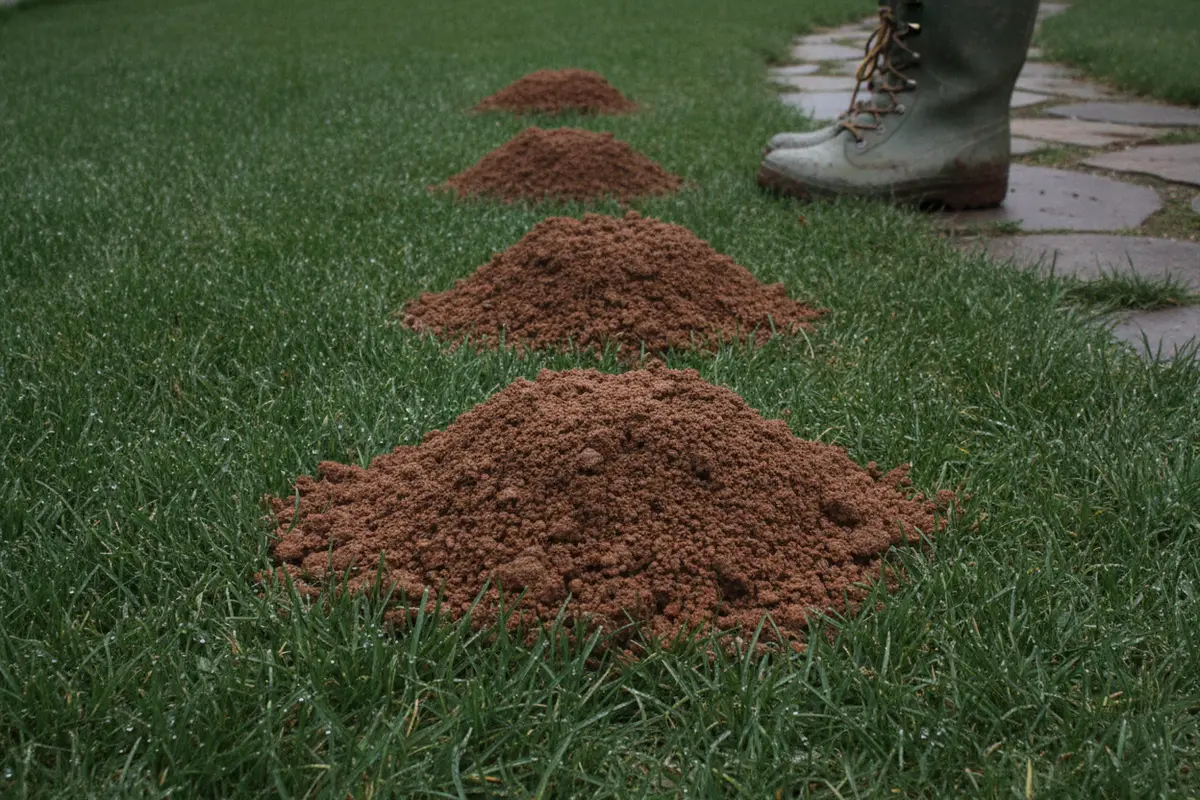
Use fresh signs to guide your search, then confirm a stable tunnel before setting; a mound by itself is not a trap location.
Related products


Weather-resistant construction for outdoor use
View product
How should you set a gopher trap in a wet lawn?
Once you have confirmed a firm, active tunnel, follow the trap’s instructions for the correct model and size. Clear away enough soil to position the trap properly in the passage. Keep the tunnel path open to the trap and avoid placing the device in a mound’s loose soil. The goal is to intercept the gopher where it travels underground. A trap sitting above ground or across an unrelated surface ridge will not do that.
Wet conditions call for a little more attention to fit. Check that the tunnel walls are holding and that the trap is not resting in pooled water or loose mud. If you have to push hard to make the trap stay put, the opening may be too soft or poorly shaped. Rework the site only as directed, or wait for more stable conditions. Do not make a set where you cannot return to inspect it. Keep children and pets away from the setting area and follow the product instructions for safe handling and checking. A practical test is whether the tunnel remains open while you prepare the set and whether the trap can be positioned without crushing the passage. If either answer is no, the location is not ready. Do not try to compensate for unstable mud by forcing the device into place or piling loose wet soil around it. Select a firmer section of the same active route, if one is available, or wait for better conditions. Getting the placement right is more useful than setting quickly in the first hole you find.
Choose a gopher trap size appropriate to the animal and tunnel. If you are uncertain which size to use, compare the Cinch trap size guide before you buy. Cinch traps are designed for placement within a tunnel system; setup is a sequence of locating the passage, positioning the trap, and checking it—not placing a device on top of the lawn. For product details, see the Cinch gopher trap.
After setting, return to the area according to the manufacturer’s directions. If the tunnel has been disturbed, filled with water, or collapsed, reset only after confirming a sound passage. A trap that has not caught anything does not prove that gophers are absent. It may mean the tunnel was inactive, the route was blocked, or the placement needs a second look. Make one change at a time so you can learn from the result rather than moving the trap without a reason. Keep a brief record of the set location, weather, and what you observed at the next check. That simple record can prevent you from repeating the same placement mistake in a second tunnel. If rain is expected, choose an accessible location and follow the trap instructions for inspection; do not leave the device where rising water could cover it or where you cannot reach it without stepping into unsafe, unstable ground.
Place the gopher trap inside a confirmed, stable tunnel and follow the model’s instructions; never rely on a surface mound as the set.
What should you do if a wet-weather set does not catch?
First inspect the ground and the tunnel rather than immediately changing methods. Rain can wash soil back into an opening, loosen a set, or leave a once-open passage unusable. Check whether fresh mounds or plant damage have appeared since you set the trap. If there is no new sign and the tunnel looks undisturbed, confirm that you selected an active route. If there is new soil nearby, search again from the fresh sign instead of assuming the previous location is still best.
- Trap shifted or exposed: the soil may not have held it securely; relocate to firmer ground when possible.
- Tunnel filled with water: wait until it drains and recheck that the route remains open.
- No activity near the set: choose a more recent mound and verify another tunnel.
- New mound elsewhere: follow the latest sign and check the route connected to it.
Be patient when conditions are changing. A wet lawn can make fresh damage appear quickly, but it can also make a tunnel difficult to access. Avoid repeated digging in the same unstable area. If you have multiple fresh mounds, prioritize the newest signs and use a trap at a time in a place where you can inspect it. Follow the manufacturer’s handling and maintenance guidance after each use, and store equipment as directed. For a lawn shared with family, guests, or workers, tell everyone where you are monitoring activity and keep them away from the setting area. Check that irrigation schedules will not soak the location again before your next inspection. These small routines make it easier to evaluate whether the problem is continuing without creating extra disturbance or accidentally disrupting the trap.
Mechanical trapping is one approach, but it is not a substitute for correct identification and placement. Repellents or surface treatments do not put a trap in the gopher’s route. If the signs actually point to moles, switch to guidance for mole activity and a mole-specific trap rather than continuing with a gopher setup. You can compare available options in the Cinch trap store or see the gopher trap kit for a set intended for gopher control.
When a set misses, check the tunnel, soil stability, and recent signs one at a time; adjust the location only after you know what changed.
How can you protect the lawn while trapping?
Keep the work focused. Mark active signs before you start, dig only where you need to confirm the tunnel, and replace disturbed soil when you finish. This reduces unnecessary damage to turf and garden beds. In a wet lawn, avoid walking repeatedly over soft areas or digging when the soil is saturated enough to smear and collapse. You want a clean view of the tunnel and a set that remains stable, not a broad patch of churned mud.
Think about people and animals using the yard, too. Choose a location that is easy to monitor and keep children and pets away from the trap while it is set. Follow the product’s instructions for placement, inspection, and handling. If livestock or garden equipment could disturb the area, mark or restrict access in a way that is clear to everyone who uses the property. Do not leave a device in a spot that will be mowed, irrigated, or worked without checking it first.
Once the immediate problem is addressed, keep an eye on the same area after future rain or watering. New gopher mounds are a reason to inspect again; a wet patch without fresh signs is not, by itself, proof of renewed activity. If water consistently collects where tunnels run, improve the drainage issue where practical so future signs and trap locations are easier to evaluate. This also helps protect lawn roots and avoid repeatedly disturbing the same ground. A quick walk around the perimeter after rain can show whether activity is limited to one bed or appears in several parts of the yard. Take care not to turn that check into repeated stomping across soft turf. A few observations from the edge, followed by a focused inspection at the newest sign, are usually more useful than digging at every mound. Keep the area accessible enough to monitor, especially if you will need to revisit it after the soil firms up.
For owners who want a reusable, purpose-built option, explore the Cinch gopher trap product information and confirm the size and setup instructions fit the situation. Cinch is a fourth-generation family-owned company making professional-grade traps in Oregon, with a focus on durable tools and correct tunnel placement. The point is not to rush a set in bad soil; it is to stop damage by placing the right tool where the animal travels.
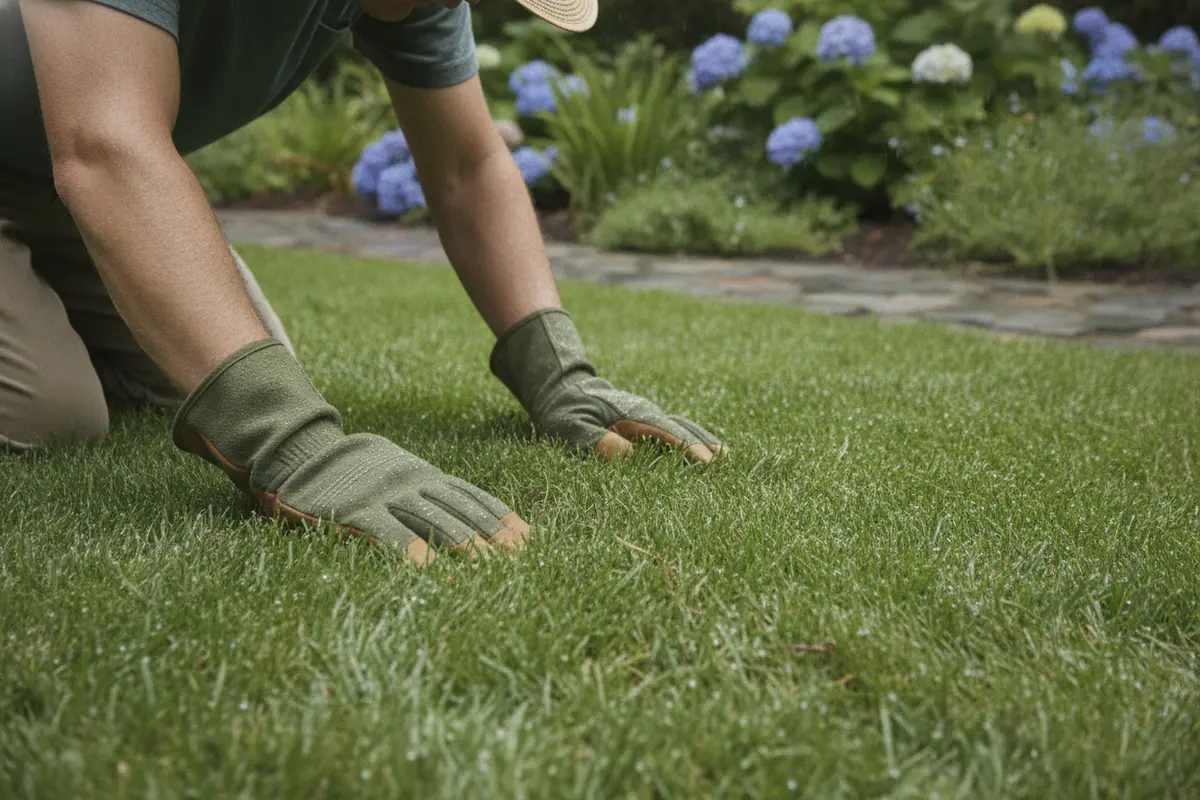
Protect the yard by limiting digging, keeping the set monitored, and addressing fresh activity only when signs support it.
Frequently asked questions about gopher traps in wet lawns
Can I set a gopher trap while it is raining?
Rain alone does not decide whether a set is workable. If the tunnel is stable, not flooded, and accessible for inspection, follow the product instructions. If water is running through the opening or the soil keeps collapsing, wait until conditions improve.
Does a mole make gopher mounds?
Moles and pocket gophers leave different patterns, although wet soil can blur the clues. Gopher mounds are often distinct and plugged, while moles commonly create shallow ridges or winding surface runs. Confirm the animal before choosing equipment.
How long should a trap stay set?
Follow the manufacturer’s directions for checking and handling the trap. Wet weather can change tunnel conditions, so inspect the site as directed and reset only if the passage remains suitable.
Should I put a gopher trap in a mound?
No. Locate the underground tunnel connected to fresh activity and place the trap in the passage according to the instructions. A mound is a clue that can help you find a tunnel, not the intended trap position.
For general information about wildlife management, consult USDA APHIS and look for resources applicable to your area. Local conditions and rules can vary.
A useful wet-lawn set starts with the right animal, a fresh sign, and a tunnel that is firm enough to hold the trap.
When the lawn is wet, give the ground time to drain if needed, confirm the gopher’s active route, and set the trap only where the tunnel is stable and accessible to check.