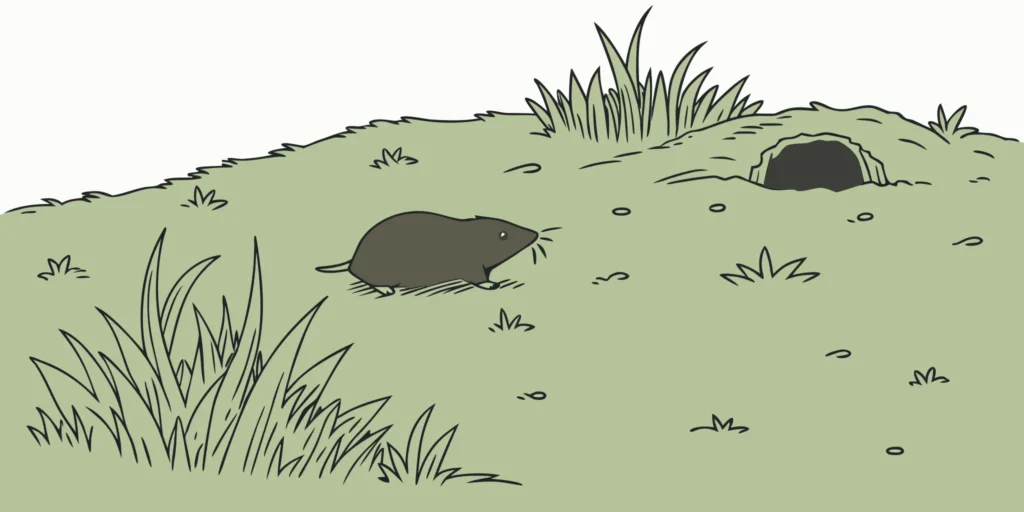
Finding twenty dirt mounds does not mean twenty moles live under your grass. Most cases of moles in yard areas involve only one or two solitary animals, even when fresh ridges seem to appear everywhere.
Shop Cinch mole traps to find the right trap for your yard and stop fresh damage.
The number of moles in yard areas is usually much lower than the visible damage suggests. According to the University of Connecticut, adult moles are solitary except during breeding season. One mole can build a large network of surface and deep tunnels, so counting mounds will not tell you how many animals are present. Cinch Traps recommends testing tunnels for current activity, then placing a mechanical trap in a main run rather than treating every mound.
The practical goal is not to calculate a perfect head count before acting. It is to confirm that moles caused the damage, find the routes they still use, and monitor the lawn after a catch. This guide explains each step without mistaking an extensive tunnel network for a large colony.
Moles in yard: How many are usually present?
Most yards have one or two moles, not a large group. A single animal can move enough soil to create many raised ridges and mounds in a short period, making the problem look much larger than it is. Because moles usually live and hunt alone, visible damage is a poor measure of their number.
Why one mole can create widespread damage
Moles build different passages for different purposes. Shallow feeding runs appear as raised ridges near the surface, while deeper passages provide more permanent routes and protected areas. UConn notes that deeper tunnels can sit about 8 to 12 inches underground. A mole may extend its network, revisit a main route, and push excavated soil to the surface, leaving signs across a broad part of the lawn.
Damage that moves steadily from one area to another often points to one active mole following its route. Fresh work appearing at the same time in distant, disconnected areas may suggest more than one. Conditions matter too: digging is easier to see during spring and fall when the soil is softer. Learning what drives moles into your yard also explains why an animal keeps searching through soil where worms, grubs, and other food are available.
Why moles usually live alone
Adult moles are territorial, solitary animals that generally come together only to breed. They do not normally share one large tunnel system as a colony. That behavior is useful when planning control because removing one active animal may stop most or all new damage in a typical yard.
Cinch Traps advises homeowners to focus on fresh activity rather than assume every old ridge belongs to another mole. Use the signs in this guide for spotting signs of mole presence, then check whether new damage continues after a catch. That sequence gives you better evidence than guessing from the total number of mounds.
How to tell whether you have one mole or several
No surface clue can provide an exact count by itself, but tunnel layout, fresh soil, and timing can help you make a useful estimate. The key is to separate old damage from work that appeared during the same monitoring period.
Read the tunnel pattern
Start by looking at how the ridges connect. A broad but connected network can still belong to one mole. Main tunnels often form straighter, more durable routes, while short and winding surface runs may be temporary feeding paths. Separate areas of activity do not automatically mean separate animals because one mole can travel through deep tunnels without leaving a visible ridge between them.
To make the pattern more informative, test several runs instead of judging them by appearance alone. Follow the steps for finding active mole tunnels: flatten a small section, mark the location, and inspect it after 24 hours. A repaired ridge shows recent use. If widely separated runs are repaired during the same period, more than one mole is possible, but continue monitoring before reaching that conclusion.
Check molehills and fresh soil
Molehills form when a mole pushes excavated soil to the surface while creating deeper passages. One animal can produce several hills, so do not assign a separate mole to each pile. Moist, dark soil generally indicates newer work, while weathered or compacted soil is older and less helpful for locating the animal now.
- A line of fresh mounds may trace one mole’s direction of travel.
- Several mounds in one area can come from deeper digging by one animal.
- Fresh ridges or mounds in distant areas at the same time may justify testing for a second mole.
Track when new damage appears
Flatten selected ridges and mounds, then note which ones return and when. A steady progression across the lawn often indicates one mole. Simultaneous repairs in disconnected areas provide stronger evidence of multiple animals. Keep the test focused and repeatable; otherwise, yesterday’s damage can be confused with today’s activity.
This monitoring process also tells you where to set a trap. The exact number matters less than whether the main run in front of you is active. If damage stops after one catch and flattened ridges stay flat, there is no reason to assume another mole remains.
Find the active main tunnel before setting a trap
Successful trapping depends on placement. Moles create many passages but do not use every one each day. A trap placed in an abandoned feeding run may sit untouched even while new damage appears elsewhere. Find a route the animal currently travels before you set the trap.
Surface paths versus deep tunnels
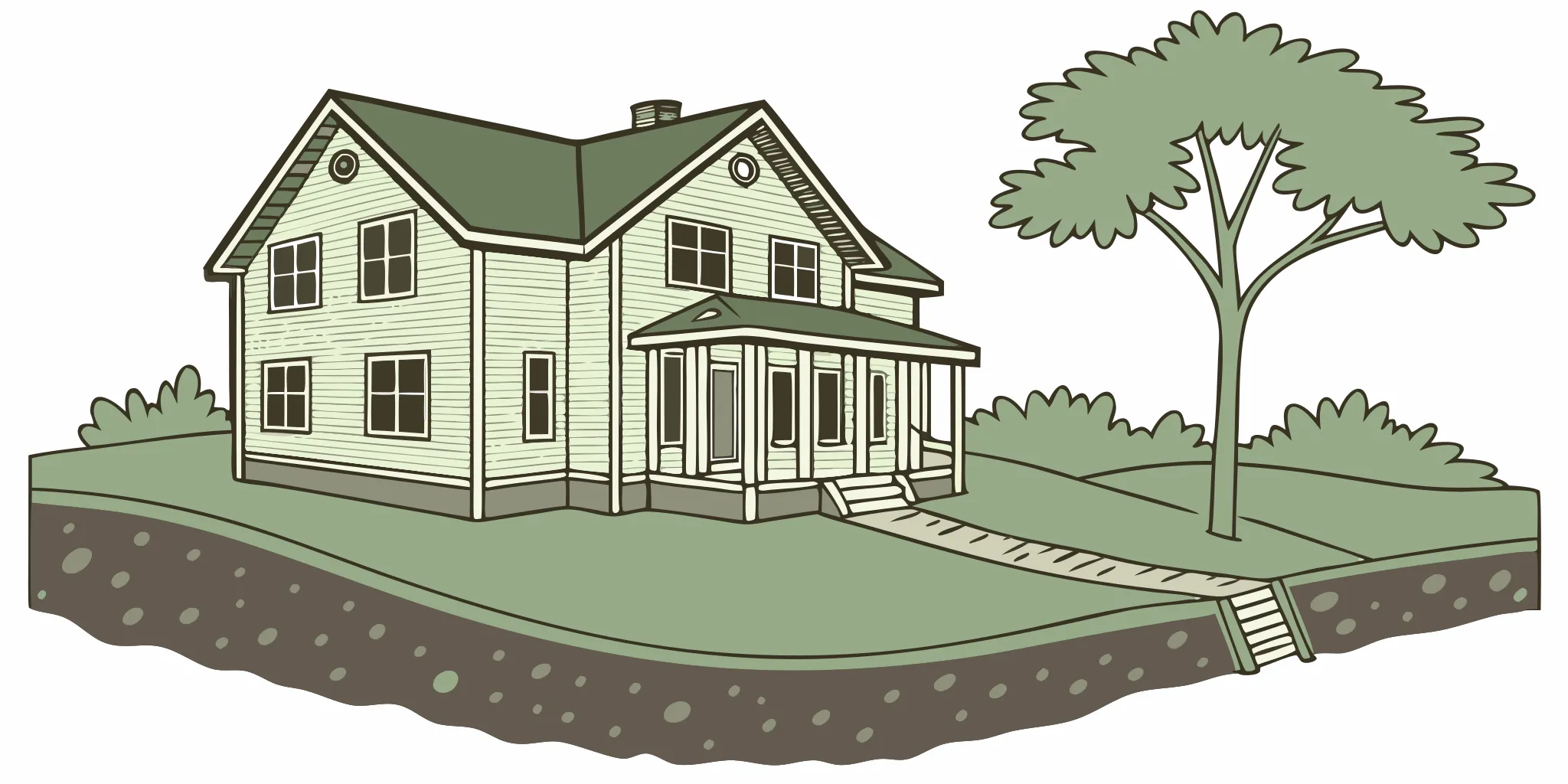
Shallow tunnels create the raised ridges that are easiest to see. Some are temporary feeding runs and may be used only briefly. Deeper tunnels are more permanent routes used for travel and protected areas. As noted by the University of Connecticut, these deeper passages may be 8 to 12 inches below the surface. Straight runs near fixed edges can be useful places to test, but activity matters more than appearance.
Use the press-down test
Cinch Traps recommends a simple activity test before trapping moles in yard areas. It reduces guesswork and keeps attention on the route the animal is using now rather than on the most dramatic mound.
- Select several straight or well-defined tunnel ridges that could serve as travel routes.
- Press down a short section of each ridge with your heel without collapsing the entire run.
- Mark every tested spot with a flag or small stake so you can find it again.
- Return after 24 hours and look for soil that has been pushed back up.
- Set the trap in the active tunnel with the clearest repeated movement.
For more detail, review the guide to identifying active mole tunnels. Testing a few likely routes is more efficient than repeatedly moving a trap among unverified tunnels.
Is the damage from moles, voles, or gophers?
Confirm the animal before choosing a trap. Moles, voles, and gophers leave different signs and require different control methods. A mole trap will not solve damage caused by an animal that does not travel through mole-sized runs.
Common signs of moles in your yard
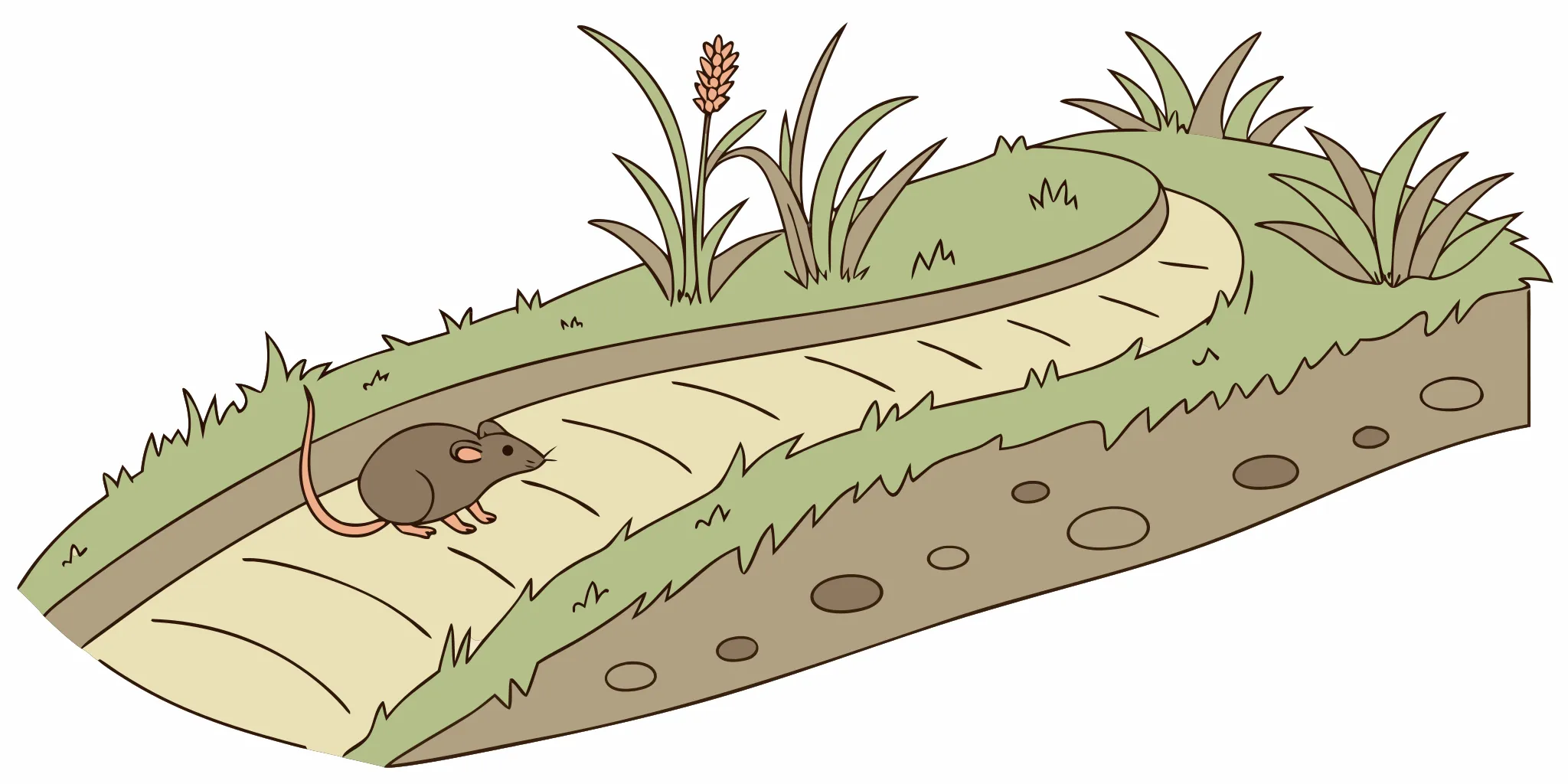
Moles create raised surface ridges and mountain-shaped soil mounds without a visible open hole in the center. They are insectivores that search for earthworms, grubs, and other food in the soil. They rarely eat plants directly, although their digging can disturb roots, loosen turf, and create uneven ground.
According to Rutgers University, plant damage blamed on moles is often caused by rodents such as voles that use mole tunnels. Moles can aerate soil and eat insect larvae, but their ridges and mounds may still make a maintained lawn difficult to use. Many mounds can still be the work of only one or two moles in yard areas.
Spotting vole and gopher damage
Voles are plant-eating rodents that leave narrow surface runways and may chew roots, grass, bark, or other vegetation. They do not usually create the prominent soil mounds associated with moles. Gophers also eat plants, but their digging produces larger, fan-shaped mounds with a plugged opening to one side.
Inspect the mound shape, surface paths, and plant damage together. Use the information about what drives moles into your yard to compare mole feeding behavior with signs from plant-eating pests. Accurate identification prevents wasted effort and helps you choose the correct trap for the animal present.
| Sign | Moles | Voles | Gophers |
|---|---|---|---|
| Main diet | Insects and worms | Roots and grass | Plants and bulbs |
| Dirt mounds | Mountain shape | No prominent mounds | Fan shape |
| Tunnel sign | Raised ridges | Surface runways | Large deep tunnels |
| Direct plant damage | Rare | High | Very high |
Why active-tunnel trapping addresses the problem
Active-tunnel trapping targets the animal responsible for current damage. Mounds and ridges are signs, but treating or flattening them alone does not stop the mole that created them. A mechanical trap placed in a confirmed travel route acts where the mole is likely to pass.
Target the source, not every sign
Moles usually live alone, so the goal is to catch the small number of active animals rather than clear a colony. Repellents, smells, or treatments applied across every visible mound do not identify the route in use. Activity testing first makes the next action precise.
Cinch Traps focuses on mechanical control in confirmed runs because it directly addresses active moles in yard spaces. Once you know which route is being repaired, place the trap according to its instructions and check it regularly. If a tested route stops showing movement, test another route instead of assuming the trap failed.
Choose precision over guesswork
Main runs may follow walkways, walls, or other stable edges, but no location should be treated as active without a test. Start with likely routes, then let repaired soil determine placement. The guide to identifying active mole tunnels can help you narrow the search before selecting from available mole control tools.
Cinch Traps has more than 100 years of mole-control experience and builds mechanical traps for repeated yard use. The useful takeaway is simple: a durable trap still depends on correct identification, a confirmed active tunnel, and careful placement. Tools work best when the evidence guides where they go.
What to do after you catch a mole
After a catch, reset the condition of the lawn and watch for fresh activity. This is the best way to determine whether the problem involved one mole or whether another remains. Do not mistake old ridges for proof of a second animal.
Flatten old tunnels and mounds
Press down visible ridges and level old mounds so any new soil movement stands out. This step improves monitoring and makes the lawn easier to walk and mow. It also creates a clean baseline: if everything stays flat, current digging has likely stopped.
Mounds form when moles push excavated soil out of deeper tunnels. Flattening them does not remove a mole, but it separates past signs from new work. Check the repaired areas over the next several days rather than making a decision immediately after the catch.
Check for new signs
Walk the yard and look for fresh, dark soil or ridges that have risen again. If new work appears, repeat the activity test and set a trap in the confirmed run. If no signs return, leave traps unset and continue occasional monitoring.
Cinch Traps recommends judging results by new activity, not by how extensive the old tunnel network looks. Moles may be more difficult to observe when weather drives them deeper, so continue checking during periods when the soil becomes softer and fresh surface signs are easier to see.
Prepare for future activity
An existing tunnel system may later attract another mole, especially where food remains available. Keep old damage level and inspect the lawn periodically so a new ridge is easy to recognize. Early detection lets you test and trap a main run before the network expands.
- Walk the yard regularly and look for fresh ridges or mounds.
- Test likely runs before resetting a trap.
- Keep old damage flat so new movement is obvious.
Frequently Asked Questions
Will moles eventually leave my yard?
Moles may remain while food and suitable tunnels are available. Although their visible digging can change with soil and weather conditions, reduced surface activity does not necessarily mean they left. If damage requires control, confirm an active route and address the animal using it.
Are moles in the yard good or bad?
Moles eat insect larvae and help aerate soil, but their tunnels and mounds can loosen turf, affect a maintained landscape, and create uneven walking surfaces. Whether control is needed depends on the damage and how the area is used. Learn more from Cinch Traps before choosing an approach.
How do you tell the difference between voles and moles in your yard?
Moles create raised ridges and soil mounds while searching underground for worms and insects. Voles are plant-eating rodents that leave narrow surface runways and chew vegetation. Rutgers notes that voles may use mole tunnels, so plant damage can appear near mole activity without being caused by the mole itself.
Why should you never kill moles?
Some people leave moles alone because they aerate soil and eat insect larvae. When their digging causes unacceptable damage, active-tunnel trapping directly addresses the animal without spreading chemicals across the yard. A properly placed mechanical trap should be used according to its instructions.
Ready to choose the right Cinch mole trap?
First identify the pest, then test several likely runs and focus only on confirmed activity. That process helps you place a trap where a mole is traveling and determine afterward whether any moles in yard areas remain.
Ready to choose the right Cinch mole trap? Contact our team to discuss your yard, then use the guide to finding active mole tunnels before you set your trap.