How Deep Are Gopher Tunnels? A Practical Guide
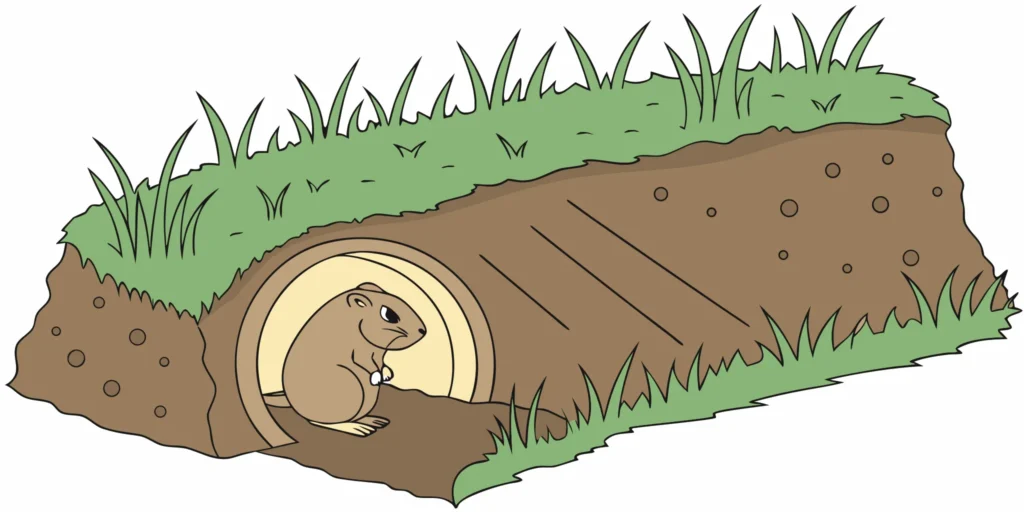
Gophers dig their main tunnels four to eighteen inches deep to stay safe and find food. Finding these hidden paths is the secret to protecting your garden.
Shop proven gopher traps to stop active tunnel damage.
Knowing how deep are gopher tunnels helps you place traps in the right spot to protect your property from the damage caused by these pests. Most pocket gophers dig their main runways four to eighteen inches below the surface to find roots while deeper nesting tunnels can reach six feet deep. According to Montana State University Extension, these large systems can grow to eight hundred feet in length and change based on the soil type. If you find a fresh dirt mound on your lawn, the main tunnel is usually just a few inches away and easy to find with a probe. Success in pest control starts with finding these main feeding paths near the surface rather than spending your time looking for the deep nesting sites.
You need to know where to look before you can stop the damage to your garden because gophers follow set patterns when they dig. Learning how tunnel systems work will help you find active runways quickly.
How deep are gopher tunnels, usually?
Most people only see the mounds of dirt gophers leave on the lawn. But the real work happens underground. Pocket gophers spend about 95 percent of their time in burrow systems that can reach 800 feet in length. These systems have two levels: shallow tunnels for food and deep rooms for living.
Shallow feeding tunnels
The main part of a gopher network runs parallel to the surface. These tunnels are where gophers hunt for roots and tubers to eat. Usually, these paths sit between 4 and 18 inches deep. How deep do gophers tunnel often depends on the soil. They like soft, loamy ground that holds its shape well. In these spots, you will find the most activity in the top foot of soil.
Deep dens and storage
Gophers do not just need to eat. They also need a safe place to sleep and store food. They dig much deeper to build these rooms. These deep tunnels can reach depths of 2 to 6 feet below the surface. This keeps their nests safe from cold weather and most predators. To stop the damage, you must focus on the main level where they move each day.
| Tunnel Type | Common Depth | Primary Use |
|---|---|---|
| Main Run | 4 to 18 inches | Foraging for food |
| Lateral Tunnel | Varies (angled) | Pushing dirt to surface |
| Nesting Chamber | 2 to 6 feet | Sleeping and safety |
| Food Storage | 2 to 6 feet | Keeping roots and tubers |
Why depth matters for trapping
To catch a gopher, you have to put your trap in its path. Many people make the mistake of digging too deep. You need to find the main run where the gopher travels. Success starts with placing a trap in the main runway to place your steel trap where the animal will trip it. This main tunnel is almost always less than 18 inches down.
Setting multiple traps across several active runs improves your odds, and the gopher kit includes three traps so you can cover more ground in a single session.
Inside a pocket gopher tunnel system
Pocket gophers are masters of the underground world. These small pests spend about 95 percent of their lives in dark, hidden networks of dirt. These systems are not just random holes in the ground. They are well built paths for feeding, sleeping, and storing food. For any homeowner or grower, identifying an active gopher burrow is the first step toward solving a pest problem.
The layout of a burrow system
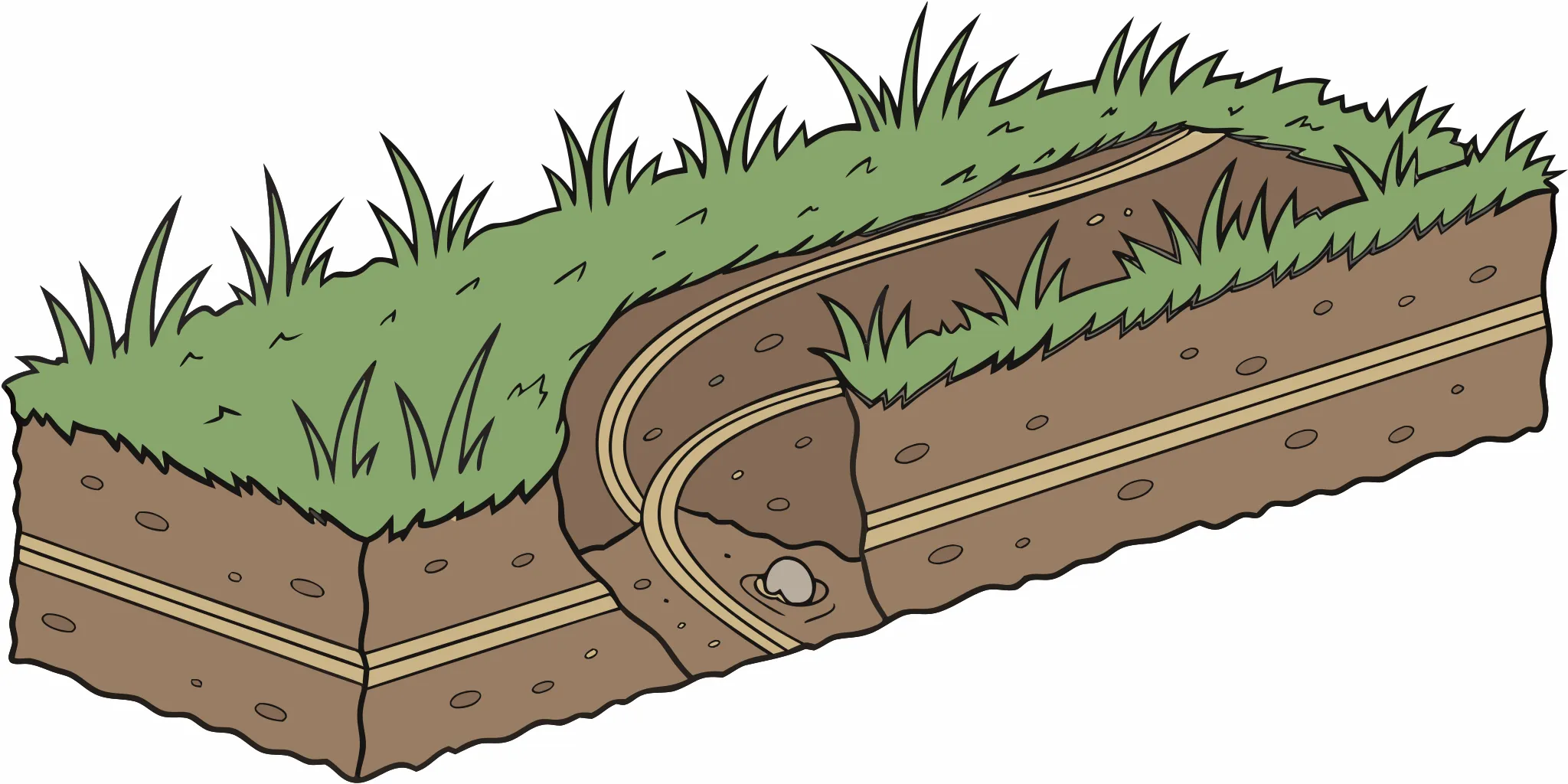
A single gopher burrow system is much larger than most people think. One system can have up to 800 feet of total tunnel length. The tunnels are about three inches wide, though this size can change based on how big the gopher is. These animals are fast diggers and can move through soil at a rate of three to four feet per hour when soil is soft. They use their strong claws and teeth to clear paths and find roots to eat.
Most of the work happens in the main runways that run along the surface. These paths allow the gopher to find a steady supply of food. Because gophers seal their tunnels from the air, they must rely on air that moves through the soil. This makes soil type a big deal for where they live. They prefer loose soil that drains well and lets air pass through easily.
How deep are gopher tunnels?
When you ask how deep do gophers tunnel, the answer depends on what the gopher is doing. Most main feeding tunnels sit between 4 and 18 inches below the surface. This is where they forage for the roots and bulbs of your plants. This shallow depth is the best place to set traps. But gophers also need safe spots to hide from the weather or raise their young.
For these needs, they dig much deeper. Deep tunnels can reach two to six feet deep into the ground. These lower levels hold nesting dens and storage spots for extra food. Gophers use their cheek pouches to carry food and bedding down to these safe rooms. Soil moisture and the season often change when they move between these different depths.
Main runways and side tunnels
The mounds of dirt you see on your lawn are not the main tunnels. They are just the exit points for side tunnels. These side paths branch off from the main runway at about a 45-degree angle. Gophers use these paths to push loose dirt to the surface. A single gopher can move over four tons of soil in just a few weeks of work. Once the gopher is done moving dirt, it seals the exit with a plug of soil.
Finding the main runway is the key to trapping success. You should probe the ground near a fresh mound to find the main path. The goal is to place a trap where the gopher travels most often. For a good result, the trap must sit in the main runway, not in the side tunnel that leads to the mound. This layout is what makes gophers so hard to find without the right tools.
What makes gophers dig deeper?
Pocket gophers are skilled at adapting to their surroundings. While their main runways often sit close to the grass, many factors force these pests to move lower. How deep do gophers tunnel depends on the soil and the weather at your site. Knowing these shifts helps you set traps in the right spot.
Soil type and moisture
Soil makeup is a top factor for tunnel depth. Gophers thrive in loose, loamy soil where they can dig at a fast rate of three to four feet per hour. In these areas, they may dig deeper for extra safety. But they avoid heavy clay or wet soil. Thick clay makes it hard for air to move through the burrow, so they stay closer to the top to breathe.
Moisture also plays a big role. When the ground is very dry, gophers may head down to find damp soil that is easier to work. Wet soil also holds its shape better than dry sand. If the soil is too sandy, the walls may cave in unless the gopher goes deep enough to find more stable ground. This is vital when setting traps at the right depth for your trap layout.
Weather and seasonal shifts
The time of year changes where gophers live. During hot summers or cold winters, these pests seek stable temperatures. Surface soil can freeze or bake, but deep tunnels two to six feet down stay mild all year. Gophers use these deep spots to escape the heat or cold above.
Weather patterns also guide their work. Heavy rain can flood shallow paths, pushing gophers to higher ground or deeper, well-drained spots. In long dry spells, they dig lower to stay cool. This move to deeper soil can make them harder to track, as their surface mounds may stop for a while.
Food and storage needs
Gophers dig for two main reasons: to eat and to stay safe. Their shallow tunnels, about 4 to 18 inches deep, are mainly for finding roots and tubers. If food is scarce near the top, they will dig lower to reach deep roots. They also need deep rooms for nests and to store food for later use. These complex burrow systems can reach 800 feet in length, with many layers for different needs.
How to find the main gopher tunnel
To stop a gopher, you must find where it travels most. This main path is where gophers spend 95 percent of their time below ground. Finding it requires looking for fresh signs and using a probe to test the soil. You should check for active digging to make sure the gopher is still using that part of the burrow.
Spot a fresh fan mound
Look for a mound of dirt that looks like a fan or a kidney. These mounds are made when the gopher pushes dirt to the surface. A fresh mound will have dark, moist soil that is not yet dry or crusty. Most gopher mounds have a small plug of dirt on one side where the gopher sealed the hole.
You can find these mounds in many areas, but they are common in loamy soil that drains well. Once you find a fresh mound, you are close to the main line. This is the best place to start finding the main underground runway for trapping.
Probe for the drop
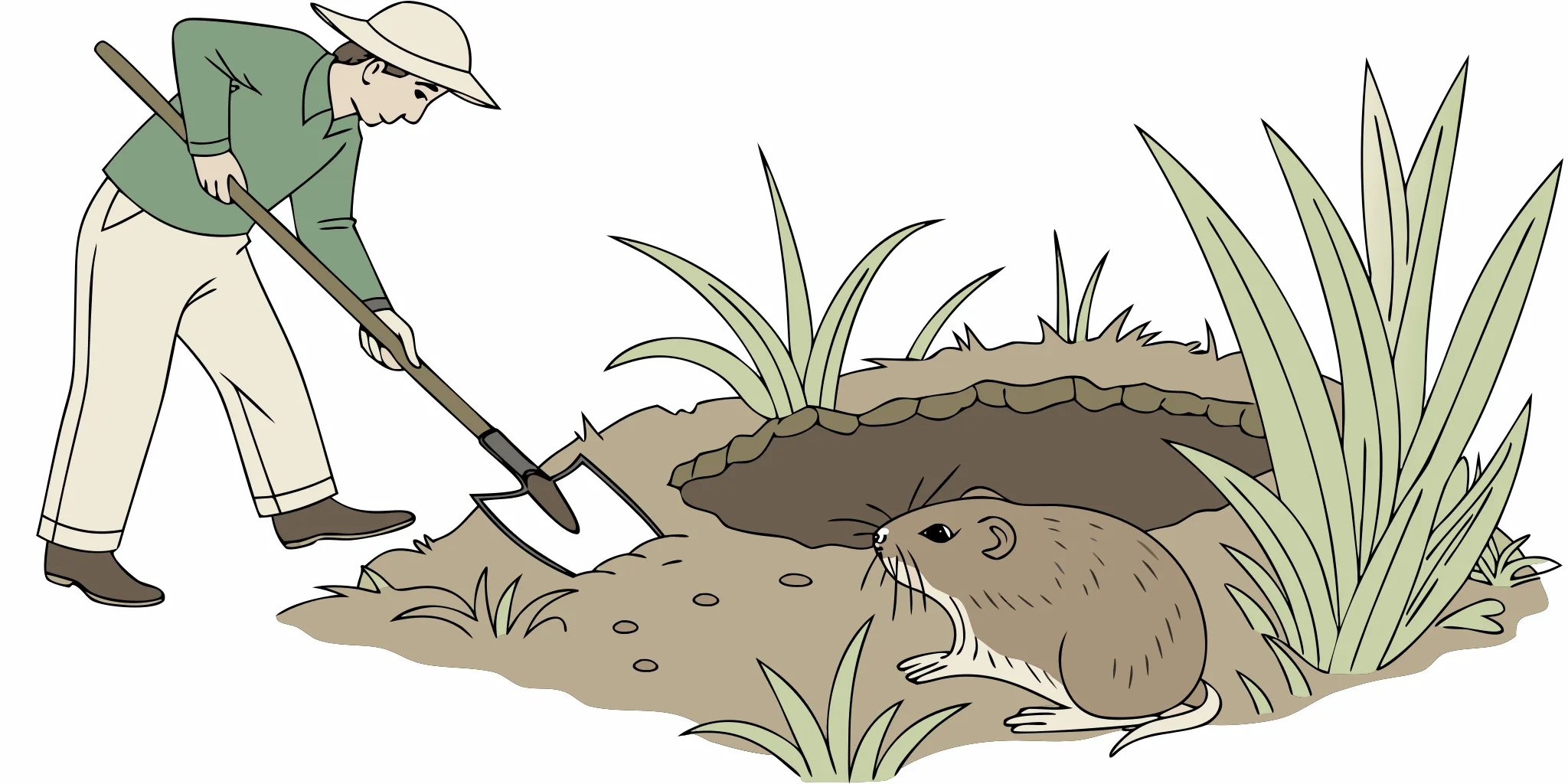
The main tunnel is usually 4 to 18 inches deep. To find it, you will need a long metal rod or a probe. Start probing about 8 to 12 inches away from the plug side of the mound. Push the probe into the ground in a circle around the mound until you feel it give way.
When the probe drops 2 to 3 inches suddenly, you have hit the runway. This is a key part of understanding gopher tunnel depth before you set your gear. Be careful to probe slowly so you do not miss the small gap of the tunnel.
- Find a fresh, fan-shaped mound with moist dirt and a clear soil plug on one side.
- Use a probe to test the soil 8 to 12 inches away from the plugged side of the mound.
- Push the probe down until you feel a sudden drop, which shows you have hit the main tunnel.
- Clear a small hole with a shovel to see the tunnel and check its size and direction.
- Check for utility lines or pipes before you dig deep to stay safe and avoid damage.
Prepare the opening
Once you find the tunnel, use a small trowel to open it up. The tunnel should be about 3 inches wide and run parallel to the surface. Clear away any loose dirt so the gopher does not push it into your trap. A clean opening makes it easier for the gopher to find the trap and trigger it.
Keep in mind that gopher digging can impair utility lines or drainage tiles. Always dig with care and watch for any signs of cables or pipes. After the hole is clear, you are ready to set a professional trap in the main runway.
Why tunnel depth changes where you set a trap
Successful gopher control starts with knowing exactly where to place your trap. Many people make the mistake of digging too deep or chasing secondary chambers. To get the best results, you must focus on the main runways. These paths are where gophers travel most often to find food and maintain their complex burrow systems.
Finding active main runways
Main gopher tunnels are typically located 4 to 18 inches below the surface. These runways usually run parallel to the ground and connect the various mounds you see in your yard. When you are reading fresh gopher mound signs, look for the main path between two fresh mounds of soil. Probing this area helps you feel for the “drop” that shows you found the hollow tunnel.
Avoid setting traps in deep tunnels that lead to dens or food storage. These chambers can reach depths of 2 to 6 feet. While these areas are key for the gopher’s survival, they are not the best spots for trapping. Gophers do not travel through these deep zones as often as they do through the shallower foraging tunnels. Stick to the 4-to-18-inch depth range for the highest success rate.
Setting mechanical traps for success
Once you find a main tunnel, you can begin the 4-step setup process for your Cinch Trap. Since our traps are handmade in Oregon from galvanized steel, they are built to last in tough soil. Start by opening the tunnel just enough to fit the trap. You want to slide the trap into the runway so that the trigger is ready for the gopher to bump it as it moves through the path.
One of the most important steps in tunnel depth considerations for trapping is how you seal the opening. Gophers are very sensitive to light and air moving through their burrows. If they feel a draft or see light, they will often push a load of dirt in front of them to plug the hole. This can set off your trap without catching the animal. Always block out all light by covering the hole with a piece of sod or a dark cloth after you set the trap.
Checking and resetting your traps
Check your traps often, ideally every 12 to 24 hours. A gopher is a solitary creature that is very active in its own space. If you do not have a catch within 48 hours, the gopher may have moved to a different part of the system. They might have also abandoned that specific runway. In this case, move your trap to a new spot. Understanding gopher tunnel depth allows you to pivot quickly and find the next active path.
Every miss is a chance to learn more about the gopher’s habits on your land. If the trap is filled with dirt, you likely left a small light leak. If the trap is sprung but empty, you may need to adjust the depth of the trigger. Since we offer a lifetime warranty on our traps, you can keep practicing until your technique is perfect. Regular checks and small changes to your setup will help you clear your lawn and protect your plants for years to come.
Is it a gopher tunnel or a mole tunnel?
Finding the right pest in your yard is the first step to a clear lawn. Both moles and gophers live in the dirt, but they leave different signs. If you see dirt mounds, you must look closely at their shape. Gophers and moles use their tunnels for different goals. Moles hunt for worms, while gophers look for plant roots to eat. Knowing which one you have will help you choose the best trap.
Look at the mound shape
The easiest way to tell the two apart is by the mounds of dirt they leave. A pocket gopher mound is usually shaped like a fan or a kidney. The hole is not in the middle. Instead, it is off to one side and plugged with fresh dirt. These mounds appear when the gopher pushes soil out of its lateral tunnels. According to Montana State University, these side paths often branch off at a 45-degree angle from the main runway.
In contrast, mole mounds look like small volcanoes. They are round and shaped like a cone. The dirt is pushed straight up, so the hole is right in the center. Moles also leave raised ridges on the surface of your lawn. These ridges show where the mole is hunting for food just under the grass. Gophers rarely leave these surface ridges because they dig deeper to find roots.
Check for surface ridges and holes
When you ask how deep are gopher tunnels, the answer depends on how the gopher uses them. Main gopher tunnels are often 4 to 18 inches deep. These paths run parallel to the surface. Deeper tunnels for nests and food storage can reach 2 to 6 feet down. Because they work deeper than moles, gophers do not usually create the soft soil ridges that moles do. If you can walk across your lawn and feel the ground cave in, you likely have a mole problem.
You should also look at your plants for damage. Gophers are plant eaters that love to eat roots, bulbs, and even whole plants. They might pull a small plant straight down into their hole. Moles do not eat plants. They eat grubs and earthworms. Most mole damage to plants is by chance. They might uproot a plant while digging, but they will not eat it. This is a key part of confirming you have pocket gophers for your traps.
Why the right ID matters for trapping
The tunnel type shows where you should put your trap. A mole trap is often set on the surface ridges where they hunt. A gopher trap needs to go inside the main tunnel. Since gopher tunnels are deeper, you must probe the ground to find the main path. Finding the exact spot is vital for success. If you place a trap in a side tunnel, the gopher might just fill it with dirt and walk away.
- Gopher mounds are fan-shaped with a side plug.
- Mole mounds are volcano-shaped with a center hole.
- Moles create surface ridges, but gophers do not.
- Gophers eat roots, while moles eat bugs and worms.
Once you know you have a gopher, you can focus on the main runway. Cinch traps are made to fit right into these 3-inch wide paths. This makes it easy to stop the pest without using messy baits. By knowing the signs, you save time and get your yard back faster. You can learn more about how to get rid of gophers with the right tools and steps.
When should you act on a gopher tunnel?
You should act as soon as you see a fresh mound of dirt. Pocket gophers spend about 95 percent of their time underground, so the dirt they push up is the best sign of their work. Fresh soil is often dark and damp. If you wait too long, the gopher may move to a new part of the yard or garden.
Find active tunnel spots
Wait for new mounds to appear before you set your traps. A single gopher can dig up to four feet of tunnel in just one hour. This means a new mound shows exactly where the animal is working now. Growers and homeowners should look for fan-shaped piles of soil with a plugged hole on one side.
Once you find a new mound, you need to find the path below. Experts use a probe to feel for the soft spot in the soil. By locating gopher tunnels underground, you can find the main run. This main path is often found 4 to 18 inches deep and runs next to the surface.
Watch for seasonal damage
Pest control experts and landscapers often see more work when the soil is easy to move. Wet soil in the spring or fall makes it easy for gophers to build extensive tunnel systems. If you have loamy soil that drains well, you may have more pests than those with heavy clay or rocky ground.
For nursery owners and farm supply customers, checking for damage to roots is a key part of the job. Since gophers create tunnels up to 800 feet long, one animal can damage many plants in a short time. Act fast to stop the spread of these paths before they reach your most prized crops or lawns.
Shop Cinch gopher traps before the active runway shifts.
Frequently Asked Questions
How deep are gopher tunnels?
Most gopher activity occurs in main tunnels that run 4 to 18 inches below the ground. These shallow paths are used for feeding on plant roots. However, gophers also dig deep tunnels for nests and food storage. According to Montana State University, these deeper chambers can reach 2 to 6 feet below the surface. Understanding these depths is key for proper trap placement.
Do gopher tunnel depths change by season?
Yes, gophers adjust their tunnel depth based on the weather and soil conditions. During very hot summers or cold winters, they move deeper underground to find stable temperatures. They also seek out soil with more moisture when the surface becomes too dry. According to Cinch Traps, environmental factors like food availability and the time of year will directly impact how deep these rodents dig.
Why do pocket gophers dig deep tunnels?
Gophers use deep tunnels, often 2 to 6 feet down, for protection and survival. These areas serve as safe spots for nesting and raising young away from surface predators. They also use deep chambers to store food caches for later use. These deep zones are distinct from the shallow feeding runways found closer to the surface. Research from Iowa State University shows that gophers spend 95 percent of their time in these complex systems.
What is the difference between gopher main runways and deep tunnels?
Main runways are shallow tunnels about 4 to 18 inches deep where gophers forage for food. These are the best spots to place Cinch Traps because gophers use them daily. Deep tunnels are much lower, reaching up to 6 feet. They are built for long-term shelter and food storage rather than daily travel. Knowing the difference helps you find the active paths that lead to successful trapping and control.
How do you find gopher tunnels?
To find a tunnel, look for fresh soil mounds on your lawn. Gophers push dirt to the surface through lateral tunnels that branch off the main path at a 45-degree angle. You can use a thin rod or probe to feel for a sudden drop in resistance about 6 to 12 inches away from the mound. This gap indicates you have hit the main runway. Locating these underground tunnels is the first step in effective pest management.
Ready to find and stop gophers at the right depth?
Waiting to act on your gopher problem only leads to more deep holes and more damage to your yard and gardens. If you do not stop these pests now, their tunnels will grow and become much harder to find in the soft soil under your grass. You can save your plants by starting your control plan today and using tools that have helped people for over one hundred years. Gophers work fast and will not stop until they have dug through your whole yard, which puts your roots and soil at great risk. You can learn more about proper trap use on our how it works page to see how we help you win. You can stop this harm right now with a clear plan and the best tools built to catch these pests at the right depth.
Ready to shop proven gopher traps? Shop proven gopher traps to protect your yard and get rid of gophers for good.