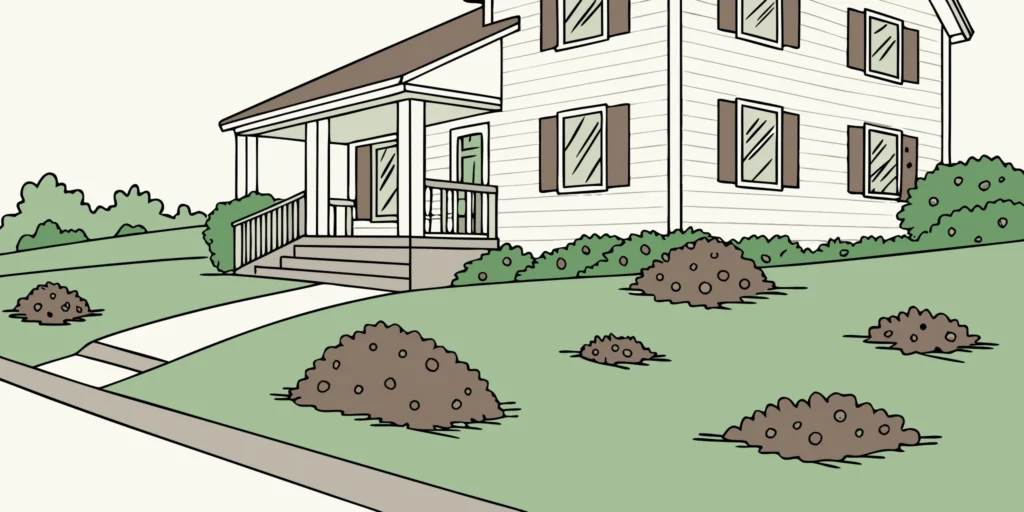
If you’re dealing with a gopher problem, you’ve probably already been bombarded with advice. From neighbors swearing by Juicy Fruit gum to websites promoting vibrating stakes, the internet is full of so-called “quick fixes.” The problem is, most of these methods are myths that waste your time and money while the gophers continue to multiply underground. It’s discouraging to spend a weekend trying a new trick, only to see fresh mounds appear on Monday. This guide cuts through the noise. We’re going to skip the gimmicks and focus on what actually works, based on decades of experience. Let’s talk about the real, proven strategies for how to get rid of gophers permanently.
Key Takeaways
- Identify the correct pest first: Look for crescent-shaped mounds with a dirt plug on the side, which are the key sign of gophers. Correctly identifying the pest is the first step to choosing an effective solution, as mole and gopher behaviors require different strategies.
- Choose trapping for a reliable solution: Trapping is the most dependable method because it physically removes the gopher, giving you clear proof the problem is handled. Avoid wasting time and money on repellents, vibrating stakes, or smoke bombs, as these are largely ineffective. Using professional gopher traps gives you the proven tools you need for success..
- Make your yard less attractive to new gophers: To prevent future infestations, install underground wire mesh around garden beds, use wire baskets to protect individual plant roots, and adjust your watering schedule to be less frequent but deeper, which makes the soil harder to dig.
Is It Gophers? Signs to Look For
Before you can solve your pest problem, you need to play detective. Figuring out what kind of critter is tearing up your yard is the first step to taking it back. Gophers leave a specific set of clues, and once you know what to look for, you can identify them with confidence. If you’ve noticed mounds of fresh dirt and damage to your plants, you’re in the right place. Let’s walk through the telltale signs of a gopher problem so you can confirm your uninvited guest’s identity and move on to evicting them for good.
Spotting Crescent-Shaped Mounds
The most obvious sign of gophers is the mounds of dirt they leave behind. Unlike the perfectly round, volcano-shaped hills moles create, gopher mounds are distinctively crescent-shaped or fan-shaped. You’ll notice a small, plugged hole on one side of the mound. This is the exit point of a lateral tunnel leading up from their main burrow. When you see these horseshoe-shaped piles of soil dotting your lawn or garden, you can be almost certain you’re dealing with gophers. These mounds are the dirt they excavate while building their extensive underground network.
Finding Fresh Tunnels
Gophers are master excavators, and their main tunnels are usually hidden 6 to 18 inches below the surface. To confirm an active infestation, you need to find a fresh tunnel. The best way to do this is to use a gopher probe or a long screwdriver. Start probing the ground about 4 to 12 inches away from the plugged side of a fresh mound. You’re looking for a sudden drop or give in the soil, which indicates you’ve broken through into the main runway. Finding this tunnel is the most important part of the how it works process for effective trapping.
Checking for Plant and Root Damage
One of the most frustrating signs of a gopher problem is the damage they do to your plants. You might notice a healthy plant suddenly wilting, or you might be able to pull a plant right out of the ground with little resistance because its roots have been completely eaten. Gophers are herbivores and love to feed on roots, bulbs, and even the base of young trees. A single gopher can pull entire plants down into its tunnel from below, leaving you with a ruined garden bed and no clue where your prize-winning carrots went.
Gopher or Mole? How to Tell the Difference
It’s easy to confuse gophers and moles, but they leave different signs. The key is in the mounds. Gopher mounds are crescent-shaped with a dirt plug off to the side. Mole mounds, on the other hand, are circular and cone-shaped, looking like a mini volcano with the entry hole often directly in the center. Moles also create raised surface tunnels that look like veins across your lawn, while gophers primarily stay deeper underground. Correctly identifying your pest ensures you use the right solution, whether it’s gopher traps for a root-eating rodent or mole traps for an insect-eating tunneler.
The Damage Gophers Are Doing to Your Yard
It’s easy to underestimate the chaos a single gopher can cause. Those fresh mounds of dirt are more than just an eyesore; they’re the first sign of a much bigger problem happening right under your feet. Gophers are incredibly destructive, and their constant digging and feeding can lead to serious, expensive damage to your property. From ruining your carefully tended garden to compromising your home’s essential systems, these little pests pack a big punch. Understanding the full extent of the damage they cause is the first step in realizing why a quick and effective solution is so important. Before the problem gets out of hand, it’s wise to have a reliable gopher trap ready to go. Ignoring the issue won’t make it disappear; it will only give the gopher more time to turn your yard into its personal construction zone.
Destroying Your Lawn and Garden
Gophers are vegetarians with a voracious appetite, and your yard is their all-you-can-eat buffet. They tunnel underground, feeding on the roots of your favorite plants. This includes everything from garden vegetables and flowers to shrubs and even young trees. A single gopher can decimate a vegetable patch in no time. You might notice plants wilting or collapsing for no apparent reason, only to discover their entire root system has been eaten away. The University of California’s research on pocket gophers confirms that their feeding habits are a primary source of damage for gardeners and homeowners, turning a beautiful landscape into a barren wasteland one root at a time.
Damaging Pipes and Cables
The destruction doesn’t stop at your plants. Gophers’ powerful front teeth are constantly growing, which means they are constantly chewing to keep them in check. Unfortunately, they aren’t picky about what they gnaw on. Buried plastic water lines, drip irrigation systems, and sprinkler pipes are all fair game. A chewed-through pipe can lead to soggy patches in your yard, high water bills, and expensive repair jobs. As they expand their tunnel network, they can also accidentally sever buried electrical cables, disrupting landscape lighting or other systems. This hidden threat can cause a lot of headaches and unexpected costs for any homeowner.
Gopher Myths That Waste Your Time and Money
When you’re dealing with a gopher problem, you’ll find no shortage of advice online and from neighbors. The trouble is, a lot of it is based on myths that can send you down a rabbit hole of wasted time, money, and effort. From magical repellents to simply covering up the evidence, these popular “solutions” rarely work. They can even make the problem worse by giving gophers more time to establish their complex tunnel systems and cause more damage to your lawn, garden, and even underground utilities. It’s frustrating to spend a weekend trying a new trick only to find fresh mounds a few days later. This cycle of trial and error is not only discouraging but also allows the gopher population to grow unchecked. Getting rid of gophers is much easier when you know what doesn’t work from the start. Let’s cut through the noise and debunk some of the most common gopher myths so you can focus on solutions that actually get the job done. By understanding the facts about gopher behavior and what truly works, you can create a clear, effective plan to reclaim your yard for good, without falling for ineffective old wives’ tales.
Myth: Gophers and Moles Are the Same
Let’s clear this one up first, because it’s a big one. While both critters tunnel underground and leave mounds in your yard, gophers and moles are completely different animals. The easiest way to tell them apart is by looking at the dirt mounds. Gopher mounds are shaped like a crescent or a horseshoe with a dirt plug on one side. Moles, on the other hand, create cone-shaped, volcano-like mounds with the plug right in the middle. This distinction is critical because what works for a gopher won’t necessarily work for a mole, which primarily eats insects. Knowing which pest you have is the first step to choosing the right gopher traps for the job.
Myth: Repellents and Smoke Bombs Work
It’s tempting to reach for a seemingly easy fix like a repellent, smoke bomb, or vibrating stake. The idea of simply scaring gophers away is appealing, but unfortunately, it’s mostly wishful thinking. According to university studies, these methods are largely ineffective. Gophers can easily seal off a section of their tunnel to avoid a bad smell or simply dig a new path around a vibrating stake. You might see a temporary lull in activity, but they almost always come back. Instead of spending money on gimmicks that promise a quick fix, it’s better to invest in a method that physically removes the pest from your property for a permanent solution.
Myth: You Can Just Fill in the Holes
Seeing a fresh gopher mound can trigger an immediate urge to grab a shovel and fill it in. While it might make your lawn look better for a few hours, this does absolutely nothing to solve the underlying problem. Gophers are expert tunnellers, and their burrows are extensive and well-sealed from the inside. When you fill in an exit hole, the gopher will simply dig a new one nearby or continue expanding its network of tunnels unseen. It’s like putting a bandage on a broken bone. To truly stop the damage, you have to address the source of the problem: the gopher itself.
Myth: Owls Will Solve Your Gopher Problem
Putting up an owl box and hoping for the best is a lovely idea, but it’s not a reliable gopher control strategy. While barn owls and other predators do eat gophers, they are not a targeted solution for your specific yard. Owls have large hunting territories and may forage far from their nesting box, meaning they won’t necessarily focus on the gophers tearing up your garden. Relying on them is a passive approach that rarely resolves an active infestation. While encouraging natural predators is great for the ecosystem, it isn’t a substitute for a direct and proven method like trapping when you need immediate results.
Myth: Gophers Only Live in Rural Areas
Many people associate gophers with farms, fields, and wide-open rural spaces. The reality is that gophers are incredibly adaptable and are just as happy in a manicured suburban lawn or a lush city garden as they are in the countryside. In fact, irrigated lawns and gardens provide a perfect, year-round food source for them. This means that even if you live in a developed neighborhood, you’re not immune to a gopher problem. Understanding that gophers are a common problem in all kinds of environments is key to staying vigilant and protecting your property, no matter where you live.
Your Guide to Getting Rid of Gophers
You’ve confirmed it’s gophers, and you’re ready to take back your yard. So, what’s the next step? There are a few common methods for gopher control, but they definitely aren’t all created equal. Some are highly effective and safe, while others can be risky or just a waste of time. Let’s walk through the most popular options, from the most reliable to the ones you might want to skip. Understanding the pros and cons of each will help you choose the right approach for your property and get the results you want.
Trapping: The Most Reliable Method
When it comes to gopher control, trapping is hands-down the most reliable and effective method. It’s a non-toxic solution, which means you don’t have to worry about endangering pets or other local wildlife. The process is straightforward: you locate an active main tunnel, place a couple of gopher traps inside, and wait. Because you can see the results, you know for sure that the problem has been handled. It’s the method recommended by experts for a reason: it simply works, giving you a definitive way to remove the gophers damaging your yard without introducing poisons into your environment.
Using Poison Bait (With Caution)
Poison bait is another option, but it’s one you should approach with serious caution. The biggest issue is the risk it poses to pets, children, and non-target wildlife that might dig up or ingest the bait. Plus, you never really know if it worked. The gopher perishes underground, so you don’t get confirmation that you’ve solved the problem. If you do go this route, it’s critical to place the bait deep inside the main tunnel to minimize accidental exposure, as recommended by the UC Statewide IPM Program. For most homeowners, the risks often outweigh the potential benefits.
Relying on Natural Predators
It can be tempting to hope that nature will take its course. Animals like owls, snakes, cats, and coyotes are natural predators of gophers and can certainly help reduce their numbers. Encouraging predators by installing owl boxes is a great long-term, eco-friendly practice. However, relying on them as your only method of gopher control is rarely enough to stop a determined population from tearing up your lawn and garden. Predators might catch a few gophers here and there, but they usually can’t remove an entire infestation quickly enough to prevent significant damage.
Flooding Tunnels: A Last Resort
You might have heard about people flooding gopher tunnels with a garden hose to force the animals out. While it can sometimes work, this method is often ineffective and should be considered a last resort. Gophers are excellent diggers and can quickly seal off sections of their tunnels to escape the water, or they may have drainage tunnels you don’t know about. You can also end up with a muddy, waterlogged mess without ever seeing a single gopher. It can be a frustrating exercise that wastes water and time, with no guarantee of success.
How to Set a Gopher Trap, Step by Step
Trapping is the most reliable way to handle a gopher problem for good. Unlike repellents that offer temporary relief or poisons that pose risks to pets and wildlife, trapping physically removes the gopher from your property. It’s a definitive solution that puts you back in control of your yard. While it might seem intimidating, the process is straightforward once you know the basics. Using a dependable, easy-to-set trap is half the battle, which is why our traps have been trusted for over a century. We’ll walk you through the exact process, from finding the gopher’s main highway to setting the trap for a successful catch. With a little patience and the right technique, you can reclaim your yard. The key is to think like a gopher and place your traps where they are most likely to travel. This step-by-step guide will give you the confidence to tackle the job yourself and see real results. Let’s get started.
Step 1: Find the Main Tunnel
First things first, you need to find the gopher’s main runway tunnel. These are different from the short, dead-end tunnels that lead to the mounds of dirt you see on the surface. Think of the main tunnel as a gopher highway, which they use for daily travel. To find it, grab a long screwdriver or a metal probe. Go to a fresh, moist mound and start probing the ground about six to twelve inches away from the dirt plug. You’ll feel resistance from the soil, but when you find the tunnel, your probe will suddenly sink a few inches. That’s your spot. According to experts at the Oklahoma State University Extension, locating this main tunnel is the most critical part of successful trapping.
Step 2: Place Your Traps
Now that you’ve found the tunnel, it’s time to place your traps. Use a small shovel or trowel to carefully dig an opening just large enough to access the tunnel and fit your traps inside. You want to cause as little disturbance as possible. For the best results, you should use two gopher traps. Place one trap in each direction of the tunnel. This doubles your chances of catching the gopher, regardless of which way it’s heading. Make sure the traps are set according to their instructions and placed snugly on the tunnel floor so the gopher can’t just push them out of the way.
Step 3: Secure and Cover the Traps
Gophers are sensitive to light and drafts, so a sudden change will make them suspicious. After placing your traps, you need to block all light from entering the tunnel. You can use a piece of wood, a rock, or a clump of sod to cover the hole you dug. Then, pack loose dirt around the edges to seal any gaps. It’s also a good idea to secure your traps. Our Cinch Traps come with a chain that you can attach to a stake or one of our marking flags. This makes it easy to find your traps later and prevents a gopher from dragging them deep into its tunnel system.
Step 4: Check Your Traps Daily
Patience is important, but so is persistence. You should check your traps every 24 hours. If you’ve made a catch, you can remove the trap and decide whether you need to set it again in a different location to catch any other gophers. If a trap hasn’t been sprung after a day or two, don’t get discouraged. The gopher may have temporarily abandoned that tunnel. Simply pull the traps and try again in a different spot near fresh activity. For more troubleshooting tips, you can always check our how-it-works guide to refine your technique and ensure you’re setting everything up for success.
What Makes a Gopher Trap Effective?
When you’re dealing with gophers, the trap you choose can make all the difference between a clear yard and a frustrating weekend. Not all traps are built the same, and finding an effective one comes down to understanding the different types available and knowing what features actually matter. The goal is to find a trap that is not only lethal for the gopher but also simple and safe for you to handle. Let’s break down what you should look for.
Comparing Trap Types
You’ll generally find two main styles of gopher traps on the market: pincer traps and box traps. Pincer traps, like the ones you might see old-timers use, have jaws that snap shut when a gopher triggers them. Box traps are enclosed tunnels that trap the gopher inside. According to university studies, trapping is the most dependable and safe non-toxic method for gopher control. The key isn’t just the trap type, but placing it correctly in the gopher’s main tunnel. While both styles can work, pincer traps are often favored for their powerful and quick action, which ensures a humane result.
What to Look For: Durability and Ease of Use
A good gopher trap needs to be tough. It will be underground, exposed to dirt and moisture, and needs to be strong enough to handle a determined pest. Look for traps made from durable materials like galvanized steel that resist rust and won’t bend or break after a few uses. Ease of use is just as important. If a trap is overly complicated to set, you’re less likely to use it correctly, which reduces your chances of success. You want a trap that you can set and place confidently without a struggle. A simple, reliable mechanism is always better than a complex one.
The Cinch Traps Advantage
This is where Cinch Traps really shine. Our gopher traps are designed with both effectiveness and user-friendliness in mind. Each trap is handmade in Oregon from heavy-duty galvanized steel, so they’re built to last a lifetime, which we back up with a warranty. We focused on creating a simple design that is incredibly easy to set. You can see exactly how it works on our site; there are no confusing parts or complicated steps. This combination of durability and simplicity is why gardeners and professionals have trusted our traps for decades to get the job done right the first time.
How to Use Poison Bait Safely
While trapping is often the most effective and targeted method for gopher control, some people consider using poison bait. If you decide to go this route, it’s absolutely critical to handle and place these materials with extreme care. Poison baits come with significant risks to pets, children, and local wildlife, so following safety protocols isn’t just a suggestion, it’s a necessity. Think of this as a high-stakes option where mistakes can have serious consequences. Before you begin, make sure you understand the proper procedures for selection, placement, and the situations where bait should be avoided altogether. This approach requires diligence and a full understanding of the potential impact on your yard’s ecosystem. If you’re not prepared for that level of responsibility, sticking with traps is a much safer bet for everyone involved.
Choose the Right Kind of Bait
Not all baits are created equal. For gophers, you need a formula that is both effective and fast-acting. According to research from the UC Statewide IPM Program, baits containing strychnine or zinc phosphide are lethal with just one feeding. Using a less effective bait can result in sickened gophers that avoid it in the future, making your problem even harder to solve. Always read the label to confirm the active ingredient and ensure it’s specifically designed for pocket gophers. Choosing the correct, potent bait is the first step in ensuring the method has a chance to work, so don’t just grab the first box you see on the shelf.
Place Bait in the Main Tunnel
Where you put the bait is just as important as what kind of bait you use. Gophers spend almost their entire lives underground, so scattering poison on your lawn is not only ineffective but also incredibly dangerous. You must place the bait deep inside the main gopher tunnel. These are the primary runways gophers use to travel through your yard. You can find them by probing the ground near a fresh mound. The goal is to get the bait directly in the gopher’s path so they encounter it during their normal activity. Learning how it works to find these main tunnels is a key skill for any gopher control method.
Protect Pets, Kids, and Wildlife
This is the most important rule: never, ever apply bait above ground. It is illegal in many areas and poses a direct threat to your pets, children, and beneficial wildlife that might wander through your yard. A dog could easily mistake the bait for a treat, or a hawk could be poisoned by eating a gopher that consumed the bait. Always place the bait deep within the tunnel system and securely close the opening you created. Your responsibility is to eliminate a pest, not to unintentionally harm other animals or people. If you have pets or kids who play in the yard, you should seriously reconsider using poison at all.
Know When to Avoid Using Bait
Poison bait isn’t a magic bullet, and there are times when it’s simply the wrong choice. As garden writer Debra Lee Baldwin notes, poison has its downsides. It can be dangerous for pets and other animals, and it doesn’t last forever, meaning you might have to reapply it. If you have a large property, the cost and effort can add up quickly. Furthermore, you’re left with a poisoned animal somewhere underground, which isn’t ideal for many homeowners. If the risks feel too high, it’s wise to stick with a more reliable and contained method, like using gopher traps.
Do Gopher Repellents Actually Work?
When you’re facing a yard full of gopher mounds, the idea of a simple, hands-off repellent is incredibly appealing. Whether it’s a spray, a plant, or a futuristic-looking stake you stick in the ground, these products promise to send gophers packing without any fuss. It’s tempting to want to believe in a magic bullet solution.
Unfortunately, the consensus from university studies and pest control experts is clear: most gopher repellents simply don’t work. Many common home remedies and commercial products are based on myths and fail to address the persistent nature of gophers. While it might seem easier to try a repellent first, you’ll likely end up wasting valuable time and money while the gophers continue their destructive digging. Instead of solving the problem, you’re just giving them more time to establish their tunnel systems. Let’s break down the most common types of repellents and why they fall short.
What About Ultrasonic and Vibrating Devices?
You’ve probably seen them online or in garden centers: solar-powered stakes that vibrate or emit an ultrasonic pulse. The theory is that the constant disturbance will annoy gophers so much that they’ll leave your yard for a quieter place. It sounds plausible, but the reality is quite different. Gophers are accustomed to vibrations from human activity like mowing and walking. According to research from the UC Statewide IPM Program, these devices are not effective. Gophers may be startled initially, but they quickly learn to ignore the noise and vibrations or simply dig their tunnels around the stakes. They are masters of their underground world, and a little buzzing isn’t enough to deter them from a yard full of tasty roots.
Can Natural Oils and Scents Keep Them Away?
Another popular category of repellents includes strong-smelling substances like castor oil, peppermint oil, garlic, and even mothballs. The idea is to make the ground smell and taste unpleasant, encouraging gophers to move along. Some gardeners swear by these methods, but any effect is usually temporary and very localized. A gopher might avoid the specific area where you poured a castor oil mixture, but it won’t drive them out of your yard. They will likely just seal off that section of the tunnel and dig a new one a few feet away. You end up playing a frustrating game of “whack-a-mole” (or in this case, “whack-a-gopher”) without ever addressing the core infestation. These scent-based methods are not a reliable long-term solution.
Do Gopher-Repellent Plants Work?
The idea of planting a beautiful, living barrier to keep gophers away is perhaps the most appealing of all. Plants like gopher spurge, castor bean, and crown imperial are often marketed as natural gopher deterrents. However, there is no scientific evidence proving that any plant can reliably repel gophers. Gophers will simply tunnel around or under these plants to get to the food they actually want. Furthermore, many of these so-called repellent plants, like castor bean, are highly toxic to pets and children if ingested. Relying on these plants for protection is not only ineffective but can also introduce an unnecessary hazard to your yard. You’re better off using proven methods to protect your garden, like our effective gopher traps.
How to Keep Gophers from Coming Back
You’ve done the hard work of trapping the gophers and reclaiming your yard. Congratulations! Now, how do you make sure new ones don’t show up to the party? The key is to make your property less inviting. Gophers are always looking for new territory with easy digging and plenty of food. By taking a few preventative steps, you can create a landscape that encourages them to move on and find a more suitable home elsewhere.
Think of it as reinforcing your defenses. You wouldn’t leave your front door wide open after getting a new lock, and the same principle applies to your yard. A proactive approach will protect your lawn, garden, and peace of mind for the long haul. Combining physical barriers with smart gardening habits creates a powerful deterrent. It’s about making your yard a beautiful, gopher-free space that you can enjoy without constantly looking over your shoulder for the next mound of dirt. Let’s walk through the most effective strategies to keep gophers away for good.
Install Underground Barriers
For long-term protection of your most prized garden beds, installing underground barriers is a fantastic solution. This involves digging a trench and burying hardware cloth or wire mesh to create a wall that gophers simply can’t dig through. For this method to be effective, the University of California’s pest management program recommends burying the mesh at least two feet deep. At the bottom, bend the wire outward about six inches to stop gophers from digging under it. The barrier should also extend about a foot above the ground. It’s a bit of work upfront, but it provides lasting protection for your valuable plants.
Use Wire Baskets to Protect Plants
If fencing your entire garden isn’t practical, you can protect individual plants with wire baskets. This is a perfect strategy for new trees, shrubs, or any specific plant you want to shield from hungry gophers. You can buy pre-made gopher baskets or make your own from hardware cloth. Simply place the basket in the hole when you’re planting, setting the plant directly inside it. For younger plants, you can use a light-gauge, non-galvanized wire. This type of wire will eventually rust away, giving the plant’s roots room to expand once it’s established and less vulnerable.
Change Your Watering Habits
Did you know your watering schedule can either attract or deter gophers? Gophers love soft, moist soil because it’s easy to dig through. If you’re watering your lawn or garden lightly and frequently, you’re essentially creating the perfect gopher-friendly environment. Instead, try watering less often but more deeply. This encourages your plants to develop deeper root systems and allows the top layer of soil to dry out between waterings. The firmer, drier soil is much less appealing to a gopher looking to excavate a new tunnel system. It’s a simple adjustment that can make a big difference.
Monitor Your Yard Regularly
Once you’ve cleared out a gopher population, the best thing you can do is stay vigilant. Make it a habit to walk your property every few days and keep an eye out for any new signs of activity. Look for fresh, crescent-shaped mounds of dirt, which are the telltale sign of a new arrival. Catching a single, exploring gopher is much easier than dealing with an entire family that has had time to get established. By regularly monitoring your yard, you can act quickly with a Cinch Trap at the first sign of trouble, stopping a small problem before it becomes a big one all over again.
When to Call a Professional
Sometimes, despite your best efforts, a gopher problem can feel like a battle you just can’t win. While trapping is an incredibly effective DIY method, there are certain situations where handing the problem over to a professional is the right move. If you’re feeling overwhelmed or your efforts just aren’t paying off, it might be time to make the call.
One of the clearest signs is the sheer scale of the infestation. If your yard is covered in dozens of mounds and new ones appear daily, you’re likely dealing with a large, established network of gophers. Tackling a widespread issue on your own can be exhausting. When you have a lot of gophers, it’s often best to call a pest control expert who has the equipment and experience to manage a large-scale removal efficiently.
Another reason to bring in a pro is persistence. Perhaps you’ve successfully trapped a few gophers, but the activity never seems to stop for long. If the damage keeps happening, a professional pest control service can investigate the source of the recurring issue. They are trained to find the main tunnels and create a long-term strategy to keep gophers from coming back. Finally, consider your own time and willingness. Let’s be honest, not everyone wants to spend their weekends setting and checking traps. If you’d rather leave the work to someone with specialized training, calling a professional is a perfectly valid choice.
Related Articles
- How to Get Rid of Gophers in Your Yard for Good
- Cinch Traps | The Best Mole & Gopher Trap
- Pocket Gopher Extermination: A Complete Guide
Frequently Asked Questions
How can I be absolutely sure I have gophers and not moles? The easiest way to know for sure is to look at the dirt mounds. Gophers leave crescent-shaped or fan-shaped mounds with a visible dirt plug on one side. Moles, on the other hand, create circular, volcano-shaped mounds. Gophers are also the ones eating your plant roots, while moles are after grubs and insects. Correctly identifying the pest is the first step to solving your problem.
With so many options, what is the most effective way to get rid of gophers? Trapping is the most reliable and straightforward method. It physically removes the gopher from your property, so you know for certain the problem is handled. Unlike poisons, trapping is a non-toxic solution that is safe for pets and other wildlife when used correctly. It’s the method recommended by professionals because it offers a definitive end to the damage.
I’ve never trapped anything before. What if I mess it up? That’s a common concern, but the process is more about placement than perfection. The single most important step is finding the gopher’s main tunnel, which is their underground highway. Once you locate that active runway, setting the traps is much easier. Don’t get discouraged if you don’t have success on the first day. Just move the traps to a new area with fresh activity and try again.
Are there any repellents, like sonic stakes or certain plants, that are worth trying first? It’s tempting to look for an easy fix, but unfortunately, most repellents are a waste of time and money. Gophers quickly learn to ignore vibrating stakes, and they will simply dig around smelly substances or repellent plants. You might see a temporary lull in activity, but they almost always come back. You’ll save yourself a lot of frustration by using a proven removal method from the start.
After I’ve caught the gopher, what’s the best way to make sure new ones don’t move in? The key is to make your yard less attractive to them. For long-term protection, you can use wire baskets around the roots of new plants or install underground mesh barriers around garden beds. It’s also important to stay vigilant. Regularly walk your property and look for any new mounds. Catching a single new gopher with a trap is much easier than dealing with another full-blown infestation.