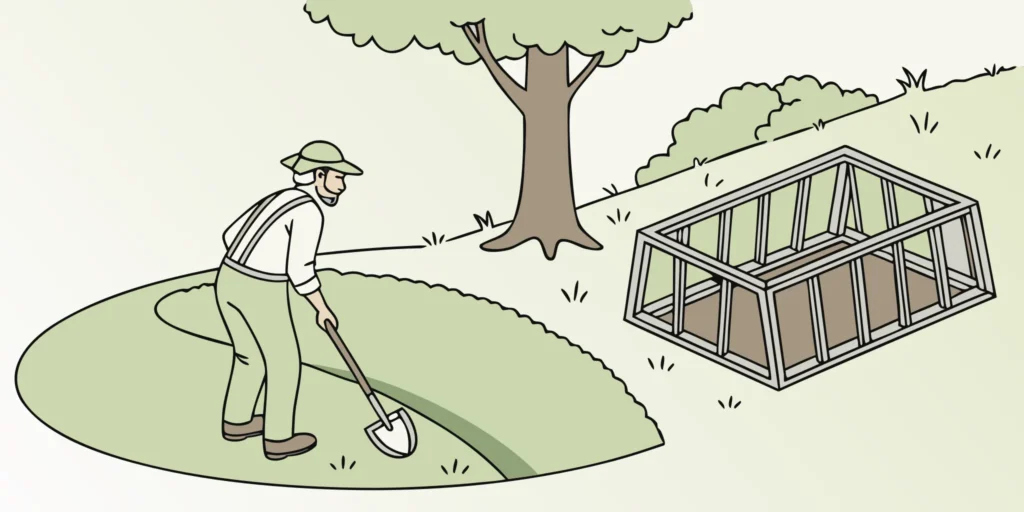
Gardeners searching for the best bait for gopher traps often try carrots, apples, fresh greens, or peanut butter. Food can attract a gopher, but it is usually less important than placing a clean mechanical trap in an active main tunnel. A well-positioned tunnel trap works with the gopher’s normal movement and does not require a lure.
Shop Cinch gopher traps built to work without bait.
If you want to use bait, choose a small piece of fresh root, carrot, apple, alfalfa, or clover and place it behind the trigger. However, an unbaited trap in an active runway is often the more dependable setup. Gophers may ignore unfamiliar food, steal it, or plug a disturbed tunnel with soil. Correct placement removes those extra variables.
Do gopher traps need bait?
No. Many tunnel traps, including Cinch traps, are designed to catch a gopher as it moves through or repairs its underground runway. The trigger sits in the animal’s path, so the gopher does not have to choose to approach food. This makes an unbaited set simple, clean, and repeatable.
Gophers spend most of their time underground and maintain extensive tunnel systems. When a main runway is disturbed, a gopher may travel through it or push soil toward the opening. A correctly placed mechanical trap uses that behavior instead of relying on hunger. That is why proper gopher trap placement generally matters more than the lure.
Bait also introduces possible problems. Food may attract ants, mice, or pets. A gopher can sometimes take the food without contacting the trigger, and a large piece can interfere with the mechanism. If you do add bait, use only a small amount and keep it clear of all moving parts.
How do baited and unbaited traps compare?
| Factor | Baited trap | Unbaited tunnel trap |
|---|---|---|
| Setup | Requires a fresh food lure placed behind the trigger | Requires accurate placement in an active runway |
| How it works | Gopher must approach the lure | Gopher contacts the trigger during normal tunnel activity |
| Possible issues | Bait can be stolen, dry out, attract other animals, or obstruct the trap | Poor placement or an inactive tunnel can prevent a catch |
| Best focus | Fresh bait plus correct setup | Active-tunnel identification and correct setup |
Both methods still depend on a working trap and an active location. No bait can rescue a trap placed in an abandoned side tunnel. Likewise, even an active runway will produce misses if loose soil shifts the trap or blocks the trigger.
What is the best bait for gopher traps?
The best food lure is a small, fresh piece of something a gopher naturally eats. Pocket gophers feed on plant material, including roots and other underground plant parts. Utah State University Extension describes their feeding and tunneling behavior and notes the characteristic mounds they create while excavating soil.
Practical options include carrot, sweet potato, apple, alfalfa, clover, fresh roots, or plant material the gopher has already been eating in your yard. A small dab of peanut butter is another common choice because of its strong scent, but it is not necessary. Freshness matters more than quantity. Dry or wilted plant material has less odor, while too much bait can get in the way.
How should you place a food lure?
Put a small piece behind the trigger so the gopher must pass or contact the trigger to reach it. Keep the bait away from the spring and other moving components. Wear gloves or wash your hands before handling the set, then follow the trap manufacturer’s instructions. If the trap remains untouched, reassess the tunnel before repeatedly changing foods.
When should you skip bait?
Skip it when you have located an active main tunnel and are using a trap designed to intercept normal tunnel movement. This avoids attracting non-target animals and lets you focus on the variables that matter most: activity, alignment, stability, and trigger clearance. It also makes it easier to diagnose a failed set because there is no missing or spoiled lure to interpret.
Why does an unbaited tunnel trap often work better?
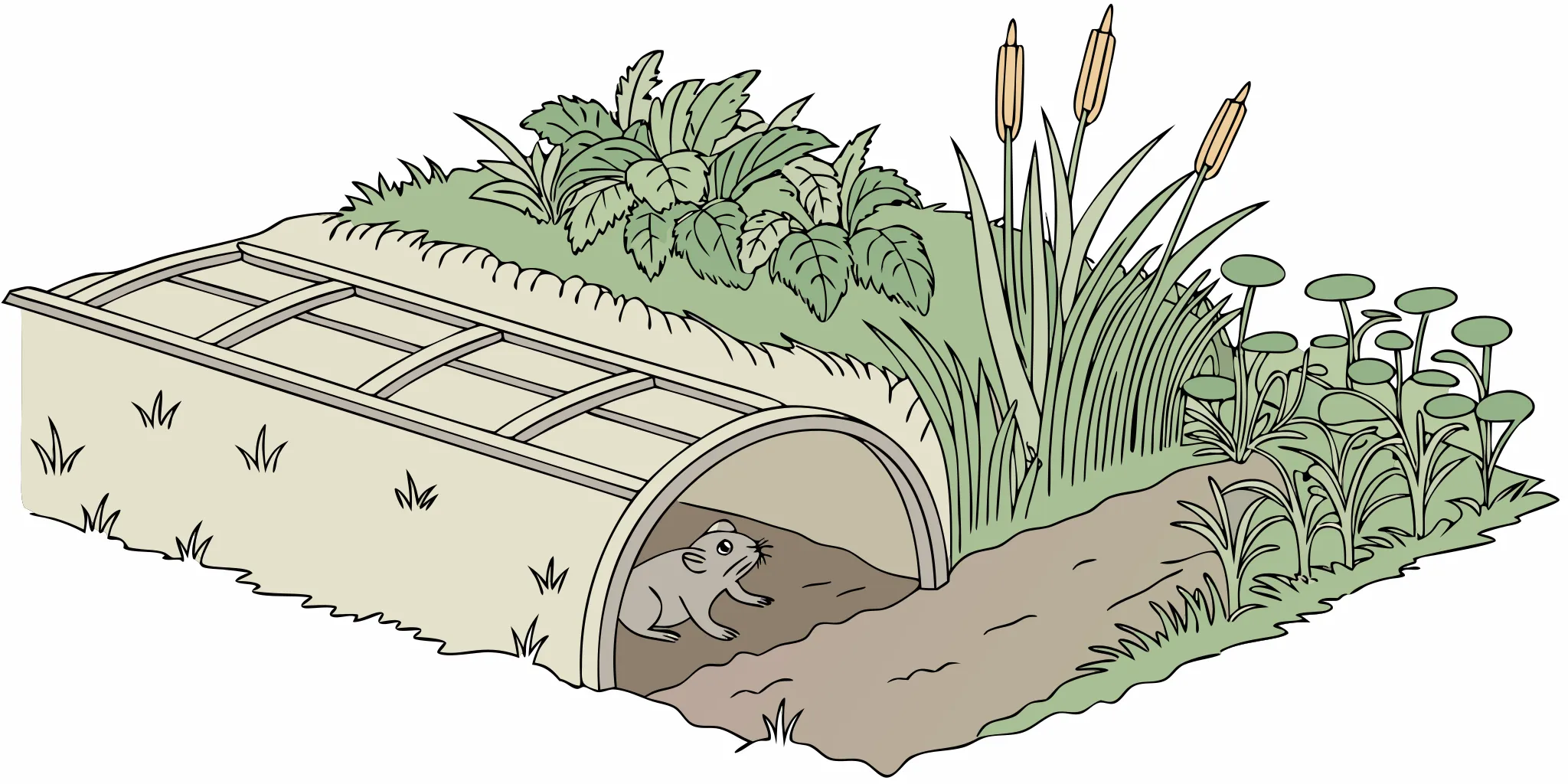
An unbaited tunnel trap reduces the number of decisions a gopher must make. Rather than hoping it wants a particular food, the trap intercepts an animal using a familiar route. The method is especially practical when natural food is abundant and an added lure may not be interesting.
A clean mechanical set also avoids chemicals. New Mexico State University identifies trapping as a non-toxic method of pocket gopher control and explains that trapping provides confirmation of removal. Unlike poison bait, a mechanical trap stays at a known, marked location and can be checked directly.
Unbaited trapping is not automatic. A gopher may plug an opening with soil instead of passing through it, especially if the site admits too much light or air. Careful placement, minimal excavation, a stable trap, and a covered opening improve the setup. When a trap is not working, inspect those details before assuming a stronger lure is needed.
Choose an Oregon-made Cinch gopher trap backed by a lifetime warranty.
How do you set a gopher trap without bait?
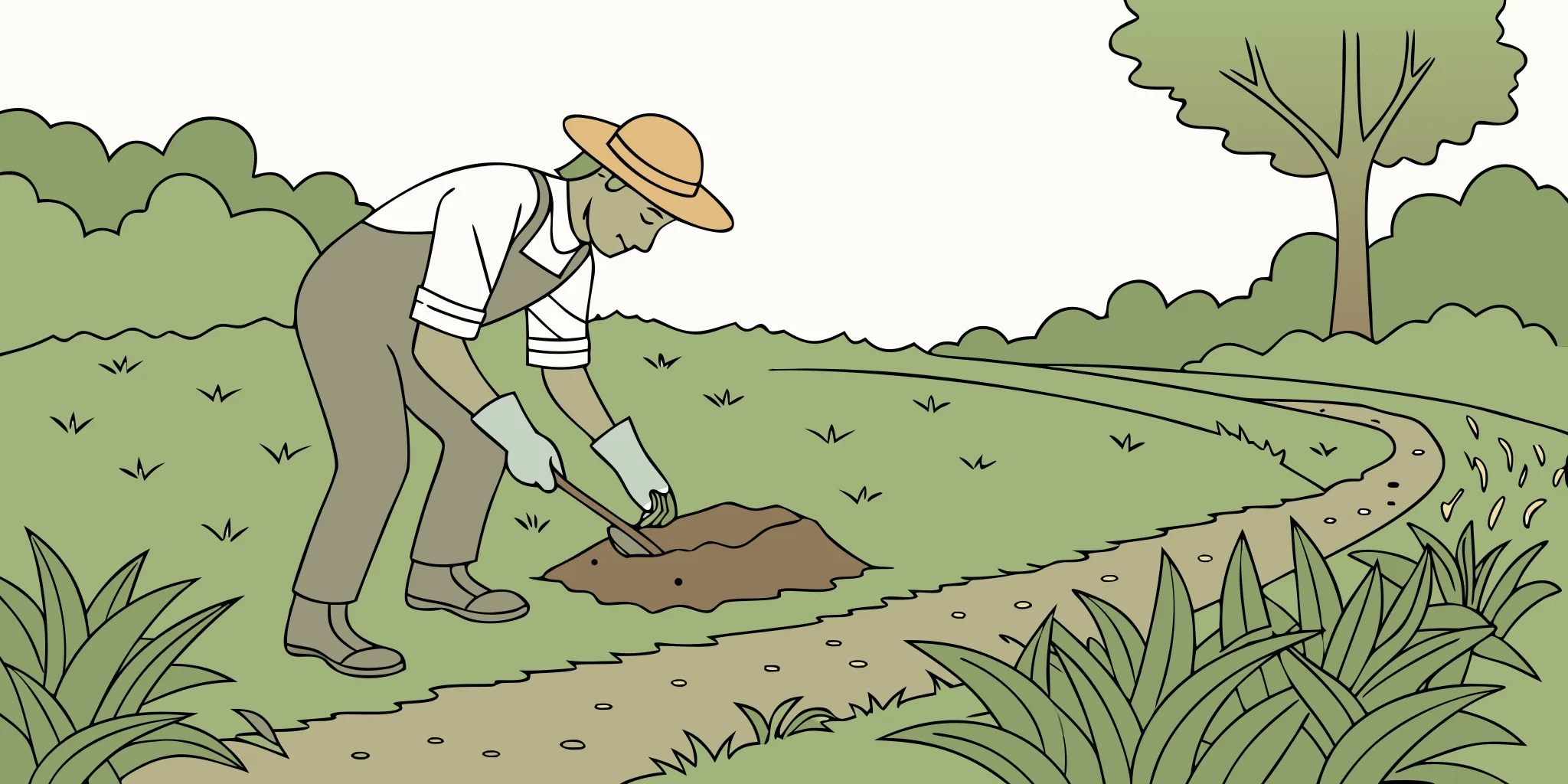
Start with fresh evidence. Loose, recently moved soil and new fan-shaped mounds suggest current activity. Probe near a fresh mound until the tool drops into the hollow main runway. The main tunnel may not sit directly beneath the visible mound because a short lateral passage often connects the mound to the runway.
Work carefully and disturb as little soil as possible. A large excavation can collapse the runway or make it difficult to position the trap. Always read the instructions for your specific model before setting it, and keep your hands clear of the trigger and strike area.
- Locate the main runway. Probe near a fresh mound and confirm the direction of the hollow tunnel.
- Open a small access point. Remove only enough soil to see and prepare the tunnel path.
- Clear the set. Remove loose soil that could obstruct the trigger or moving parts.
- Position the trap. Seat it firmly and align it with the runway according to the manufacturer’s directions.
- Set and secure it. Follow the instructions to set a Cinch gopher trap correctly, stake it, and mark the site.
- Cover and check the site. Keep the tunnel dark, prevent access by children and pets, and inspect the trap every 24 to 48 hours.
If there is no activity after two days, move the trap to a fresher tunnel rather than leaving it indefinitely. Steady monitoring helps you distinguish an inactive runway from a setup problem. It also keeps every set accounted for. New Mexico State University reports that trapping success can exceed 90 percent with persistent effort, which underscores the value of checking and relocating sets rather than depending on a single attempt.
Use the mound as a starting clue, not as the final trap location. The visible pile is excavated soil pushed out through a lateral passage. The main runway is usually nearby, and that is the route a gopher is more likely to use repeatedly. Probe in an orderly pattern so you can feel the difference between firm soil and the sudden drop of a tunnel. Once you find the runway, note its direction before opening the access point.
For a large property, work one active area at a time and keep a simple map of marked sets. This prevents forgotten traps and helps reveal where fresh activity continues. Dealers, nurseries, growers, landscapers, and pest-control professionals can use the same disciplined process across larger sites: confirm activity, set carefully, record the location, inspect on schedule, and relocate when evidence shifts.
Why is your gopher trap not working?
Most misses come from tunnel choice, placement, or setup, not the absence of bait. Diagnose one variable at a time so you do not repeat the same mistake elsewhere in the tunnel system.
Is the tunnel active?
An old runway can look suitable but never receive traffic. Look for new loose soil, then test activity by making a small opening or flattening a mound. If it is repaired or a new mound appears within a day, the area is active. If nothing changes, probe near a newer mound and relocate the trap.
Is the trap stable and unobstructed?
Loose soil can shift a trap, and clods can block the trigger. Seat the trap firmly, clear its moving parts, and align it with the runway. A set that sits too high, too low, or at an angle may let the gopher approach without making the intended contact.
Is the opening covered?
Excess light or air can prompt a gopher to plug the opening with dirt. Cover the access point as directed while keeping soil away from the mechanism. If the trap repeatedly fires under a pile of dirt, reduce the disturbance, inspect the alignment, and try another active section.
Are you checking and resetting safely?
Mark every location and check it every 24 to 48 hours. A tripped trap may need to be reset, and an untouched set may need to be moved. Use gloves, keep hands away from the strike area, and never leave a set where children, pets, or other people can reach it.
How do food lures, poison bait, and mechanical traps differ?
A food lure is simply an attractant, such as a piece of carrot or fresh root. It is placed in or behind a trap to encourage approach. Food lures are not the same as toxic bait, although both are commonly called “bait.” Keeping the terms separate is important when comparing methods and risks.
Poison bait contains a toxicant and must be handled according to its label and all applicable rules. It can create risks for non-target animals if it is used improperly. Mechanical traps use a physical trigger instead of poison. They are non-toxic, reusable, and let the operator verify a catch, but they can still injure a person or pet that contacts them.
For safer mechanical trapping, follow the manufacturer’s directions, stake and mark every trap, keep children and pets away, and obey local regulations. Do not place a trap where a non-target animal can access it. If you choose any toxic product, read and follow the entire label; the label is the law.
Before each use, inspect a mechanical trap for damage, soil buildup, or a trigger that does not move as intended. Clean it according to the manufacturer’s directions and replace a damaged unit rather than improvising a repair. When carrying or storing traps, keep them unset. Account for every trap at the end of the job, particularly on a property shared with workers, visitors, livestock, or pets.
Choose the method that fits the site and your ability to monitor it. A trap should not be placed and forgotten. Regular checks support humane, responsible control and quickly reveal whether the set is productive. If you are unsure about local requirements or cannot keep others away from the area, consult the appropriate local authority or a qualified pest-control professional before proceeding.
Why choose a Cinch trap that does not depend on bait?
Cinch traps are designed to work mechanically in the tunnel, so users can concentrate on locating an active runway and making a clean set. That positioning avoids the recurring question of whether a gopher wants carrot, peanut butter, or another lure on a particular day.
Cinch draws on more than 100 years of mole-control experience and has built its products around practical field use. The company’s gopher traps are Oregon-made, reusable, and backed by a lifetime warranty. Cinch also states that its trap designs have been checked by the USDA and five major schools. For help selecting a model, review the Cinch gopher trap buying guide.
If you are starting from scratch, the deluxe gopher kit includes everything needed for a complete trapping setup: three traps, tunnel clearing tool, gloves, flags, and maintenance spray.
Durability matters because effective control may require multiple placements as you identify active parts of a tunnel system. A reusable steel trap gives homeowners, growers, landscapers, nurseries, and pest-control professionals a direct method that does not depend on disposable food lures or poison.
Frequently Asked Questions
What are effective attractants for gopher traps besides peanut butter?
Small pieces of fresh carrot, apple, sweet potato, roots, alfalfa, or clover are practical options. Plant material the gopher is already eating may also be familiar. Use only a small, fresh piece, and remember that a correctly placed mechanical tunnel trap may work without any attractant.
How do you place bait in a gopher trap effectively?
Place a small amount behind the trigger so the gopher must contact the trigger to reach it. Keep food clear of springs and moving parts, follow the trap instructions, and do not use so much that it obstructs the set. Correct tunnel placement remains essential.
Is trapping gophers safer than using poison bait?
Mechanical trapping is a non-toxic control method and avoids placing poison in the soil. It also provides confirmation of a catch. However, a set trap can still injure people or pets, so mark it, restrict access, follow the manufacturer’s directions, and comply with local rules.
How do you know if a gopher tunnel is active?
Look for fresh, loose soil and new mounds. You can also make a small opening or flatten a mound, then check it the next day. A repaired opening or new mound indicates current activity and helps identify a better place for a trap.
Ready to choose the right Cinch gopher trap for your yard?
The best bait for gopher traps is often no bait at all. Find a fresh main runway, make a stable and unobstructed set, cover the opening, and check it regularly. That focused process is cleaner and more dependable than repeatedly changing food lures while leaving placement problems unsolved.
Explore Cinch gopher traps and choose the right model for your property.