

Choosing a mole trap starts with the runway, not the brand name. An active tunnel, the soil around it, and how often you can check the set all affect whether a trap is practical for your property.
Find the Right Trap by comparing Cinch mole traps and kits for your tunnel and workload.
The right Cinch trap vs Victor choice depends on verified tunnel fit, placement and setup requirements, monitoring feedback, maintenance, and intended workload. Cinch offers small, medium, and large mole traps made from galvanized steel in Oregon. Victor-specific details should be checked against the current model instructions rather than assumed from the brand name.
For a homeowner protecting one lawn, ease of checking and a snug fit may matter most. A professional or land manager may weigh repeatable placement, durability, and whether a kit supports multiple sets. The comparison becomes clearer when those real trapping decisions are examined one by one.
What the Cinch Trap vs Victor Comparison Reveals About Fit
There is no universal winner between a Cinch trap and a Victor mole trap without a direct, current comparison of the exact models. The right choice depends on the tunnel you are working with. It also depends on how you prefer to set and monitor a trap, and whether you need one replacement trap or a kit for repeated work.
Cinch offers a focused mole and gopher control line rather than a broad range of unrelated pest-control products. For a single replacement or first test, review the single Cinch mole trap before choosing a kit. Its mole traps are handmade in Oregon from galvanized steel and come in small, medium, and large sizes. The goal is a snug tunnel fit. A wider end is designed to help keep a mole from pulling the trap farther down the tunnel. Its raised trigger arm also gives you a visible fired indication during routine checks.
Those details give a Cinch buyer specific design features to evaluate. They do not, by themselves, prove that every Cinch model will outperform every Victor model. Victor has multiple pest-control products and model-specific instructions can differ. Before comparing setup or placement, identify the exact Victor mole trap you are considering and read its current manufacturer instructions. Do not assume that the specifications, trigger design, materials, or recommended placement of one Victor model apply to another.
The same care applies to claims about durability, warranty coverage, and effectiveness. Cinch recommends maintenance to help prevent rust and corrosion, and its lifetime warranty does not cover rust or corrosion. That is useful information for planning upkeep, but it is not a head-to-head warranty comparison. Prices and performance can also change by model and seller, so they should be checked from current product sources rather than inferred from the brand name.
For a practical comparison, write down the conditions at your site. Measure or assess the active tunnel, decide how often you can monitor it, and consider whether visible fired feedback matters to your routine. If you are setting several traps, compare the available kit contents as well as the individual trap. Cinch's mole kit includes two traps and flags, while its deluxe kit adds gloves, a tunnel-clearing tool, maintenance spray, and instructions.
A Cinch trap is not automatically better than a Victor mole trap. Choose only after comparing the exact models, tunnel fit, setup instructions, monitoring features, upkeep, and intended workload.
What Should You Compare Before Buying a Mole Trap?
A useful comparison starts with the tunnel, not the brand name. A trap that fits the situation is easier to place, easier to monitor, and less likely to be left in the wrong location. Before comparing a Cinch trap vs Victor, walk the area and decide what problem the equipment must solve.
Start with an active runway
Fresh activity matters more than a convenient-looking tunnel. Look for a raised ridge, renewed soil movement, or other signs that a mole is using the runway now. A trap placed in an abandoned passage can appear ineffective even when the equipment is working as designed. Probe carefully, confirm the tunnel is active, and choose a location where the trap can sit securely without collapsing the passage.
Match the trap to the tunnel
Fit should be one of the first product questions. Cinch mole traps are available in small, medium, and large sizes, selected to create a snug fit in the tunnel. The right size should suit the runway rather than being chosen only because it is the largest or most familiar option. A loose fit can make placement less precise, while forcing an oversized trap into a narrow passage can disturb the tunnel.
Look at how the trap will stay positioned after you set it. Cinch traps have a wider end intended to help keep a mole from pulling the trap down the tunnel. That is a design feature worth considering when comparing products, but avoid assuming that any brand's model has the same construction unless its current documentation confirms it.
Compare setting effort and monitoring
Consider how much handling the job requires. Homeowners may need one or two traps for a lawn or garden. Professionals, farmers, and property owners managing repeated activity may value a setup that is straightforward to reset and check across several locations. A raised trigger arm on a Cinch trap provides a visual indication that the trap has fired, so monitoring does not require guessing or unnecessary handling.
For a closer look at placement and safe setup, read the how to set Cinch traps guide before making a purchase. The instructions can also help you judge whether the equipment matches your comfort level and available time.
Think about workload and upkeep
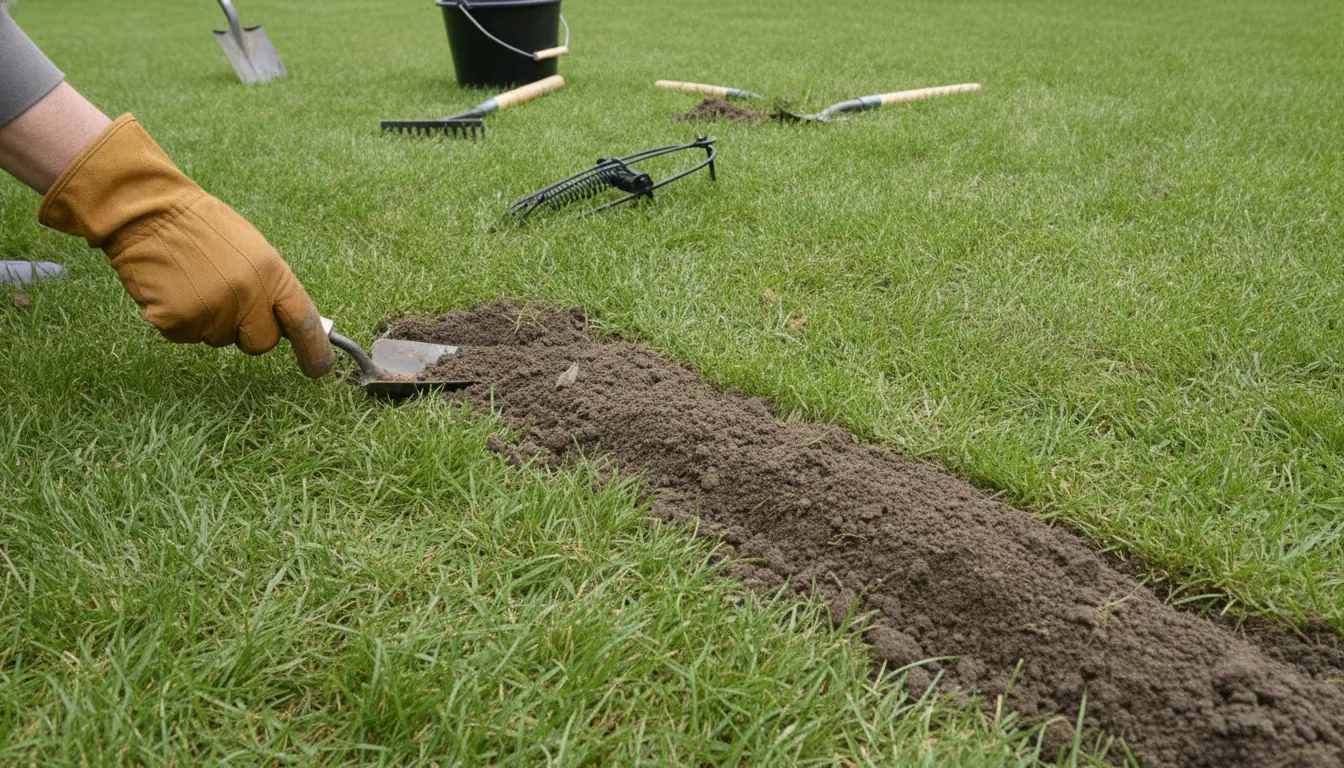
Finally, compare the full workload, not just the initial setting. A single trap may suit a small, clearly defined problem. A kit can make more sense when several active runways need attention. Cinch's mole kit includes two traps and flags, while the deluxe kit adds gloves, a tunnel-clearing tool, maintenance spray, and instructions. Whichever product you choose, plan time for checking placements and keeping equipment clean. Cinch recommends maintenance to help prevent rust and corrosion, which are not covered by its lifetime warranty.
The best comparison comes down to active-runway placement, snug tunnel fit, setting and monitoring effort. Expected workload and maintenance matter too. Do not rely on an unsupported claim that one brand wins every situation.
Related products

Weather-resistant build for long-lasting outdoor performance.
View product

How Does Cinch Design Affect Placement and Monitoring?
Placement starts with the tunnel, not the brand name on the package. A Cinch trap should fit the active runway closely enough to interact with the mole's path without leaving unnecessary space around the trap. That makes sizing and positioning practical parts of the comparison when you are evaluating a Cinch trap vs Victor. This matters when available product information does not establish matching specifications for a particular Victor model.
- Match the trap size to the tunnel. Cinch mole traps come in small, medium, and large sizes. Choose the size that gives the trap a snug fit in the tunnel. The right fit helps keep the mechanism in the mole's travel path, while a trap that is too loose may be harder to position consistently. Tunnel conditions vary, so confirm the current product guidance before relying on a specific measurement.
- Place the wider end where it can resist movement. The Cinch design includes a wider end intended to help prevent a mole from pulling the trap down the tunnel. That feature matters during placement because a trap that shifts can be harder to monitor and may no longer sit where you set it. Clear and prepare the runway carefully, then position the trap so it remains aligned with the tunnel.
- Use the raised trigger arm as a status check. Cinch's raised trigger arm provides a visual indication that the trap has fired. This lets you check the trap without handling it or needing to see the animal. For homeowners, that can make routine checks less intrusive. Professionals managing several sets can use the visible position as a quick way to identify which traps need attention.
- Keep the trap maintained between uses. Cinch recommends maintenance to help prevent rust and corrosion. The lifetime warranty does not cover rust or corrosion, so clean, dry storage and appropriate maintenance are part of long-term equipment care. If you are setting multiple traps or returning to the same property, include inspection and upkeep in the routine rather than waiting for a problem.
For a fuller look at runway selection and field use, see the mole-versus-gopher guide.
Answer: Cinch design affects placement through three practical details: size options for a snug tunnel fit. A wider end that helps limit movement, and a raised trigger arm that makes monitoring easier. Maintenance then helps protect the trap from rust and corrosion.
Where Does Victor Fit in a Mole-Trap Comparison?
Victor belongs in the conversation, but a fair Cinch trap vs Victor comparison starts by identifying the animal and the exact model. A brand name alone does not tell you whether a trap is intended for moles, gophers, or another pest. The tunnel pattern, trap dimensions, setting method, and monitoring needs all matter.
That distinction is especially important because product references can cross species. UC Integrated Pest Management lists Victor Black Box and Cinch among examples of gopher-trap types and brands, alongside Macabee and Gophinator. That source provides useful context about gopher trapping, but it is not a head-to-head test of every Victor or Cinch mole-trap model. It should not be used to claim that one brand catches moles faster or works better in every yard. UC IPM's gopher-trap overview also notes that trap types and trapping methods can vary substantially.
| Criterion. | What to verify. | How to use the information. |
|---|---|---|
| Target species. | Whether the model is designed for moles or gophers. | Check that the instructions match your pest. Do not treat gopher evidence as proof of mole performance. |
| Tunnel fit | Trap size, tunnel dimensions, placement requirements, and any model-specific limits. | Choose the option that can sit securely in the active runway. |
| Setting process | How the trap is armed, positioned, covered, and checked. | Compare the real work involved, not just the product photo. |
| Monitoring. | Whether a fired position or other condition makes a catch easy to identify. | Favor clear, practical checks for your schedule and property. |
| Construction and care. | Published material details, maintenance instructions, and warranty terms. | Use documented information instead of assuming two models are equivalent. |
For Cinch, the documented comparison points include galvanized-steel construction and multiple mole-trap sizes for a snug tunnel fit. The design also has a wider end intended to help prevent the trap from being pulled down the tunnel. A raised trigger arm provides a visual fired indication. Those details describe the Cinch design. They do not establish what a particular Victor model does, so check the current Victor packaging and instructions before drawing a model-level conclusion.
Victor is a relevant comparison brand. The right choice depends on verified species, tunnel fit, setting method, and maintenance details, not brand recognition alone.
How the Cinch Trap vs Victor Choice Changes With the Job
The right choice depends less on a universal winner and more on the work in front of you. A homeowner dealing with one active runway may want a single trap, straightforward placement, and a clear way to check whether it has fired. A gardener protecting several beds may value having more than one trap ready when activity appears in different parts of the property. Farmers and pest-control professionals usually need a repeatable process, equipment that can be maintained, and enough traps to keep up with monitoring.
For a homeowner or gardener
If you are handling a small problem, start by confirming that the tunnel is active and choosing a trap size that fits the runway snugly. A single Cinch trap can make sense when you are learning the process or replacing one trap you already use. The raised trigger arm gives you a visual fired indication, which can make routine checks easier without repeatedly disturbing the set.
A two-trap mole kit is more useful when you have multiple active areas or want a second trap ready while the first is being checked. The kit includes two traps and flags. The two-trap mole kit can suit a homeowner who wants a matched pair ready for active runways. If setup confidence is the main concern, the deluxe kit adds gloves, a tunnel-clearing tool, maintenance spray, and instructions. Read the Cinch mole-trap collection when you are still comparing trap types or need broader buying guidance rather than a situation-specific recommendation.
For farmers and pest-control professionals
Larger properties change the calculation. One trap may be enough for a focused repair, but a multi-trap setup can reduce gaps between locating, setting, and monitoring active runways. Professionals also benefit from a consistent routine: confirm activity, select the appropriate size, set the trap carefully, flag its location, and check it on a planned schedule. That process matters more than buying a product based on a brand comparison alone.
Maintenance becomes part of the decision for anyone using traps repeatedly. Cinch traps are handmade in Oregon from galvanized steel, and the company recommends maintenance to help prevent rust and corrosion. Those conditions are excluded from the lifetime warranty, so cleaning, drying, and using the recommended maintenance approach should be treated as equipment care, not an optional extra.
The best fit is the trap and quantity that match your active runway count, setting confidence, monitoring routine, and maintenance capacity. Choose a single trap for a focused job. Consider a kit for multiple active areas, and use verified model instructions before making a Cinch trap vs Victor decision.
What Does the Research Say About Mechanical Trapping?
Authoritative research supports mechanical trapping as a practical control method, but it also shows why trap selection cannot be separated from identification and placement. The evidence in the assigned sources focuses on pocket gophers, not a direct head-to-head test of Cinch and Victor mole traps. That distinction matters. A result observed with a gopher trap in a gopher burrow should not be presented as proof that one mole trap will outperform another.
UC IPM describes trapping as a fast, economical option for managing gophers, particularly when reducing reliance on baits or fumigants is important. Its overview identifies several gopher-trap types and brands, including Victor Black Box, Macabee, Gophinator, and Cinch. The same material emphasizes that researchers were studying variables such as tunnel location, whether an opening was covered, and the animal's species and characteristics. Those details reinforce a basic field lesson: a trap must meet the animal in an active travel route.
For mole control, start by confirming that the raised runs and soil disturbance belong to moles rather than gophers or another digging animal. Then look for a recently used runway instead of setting wherever the damage is easiest to see. A trap that is correctly placed in an active tunnel has a more meaningful chance to work than a theoretically superior trap placed in an abandoned run.
What the university research adds
A University of California, Davis paper by Rex E. Marsh documents the long history of pocket-gopher trapping, including the development of purpose-built traps by the late nineteenth century. That history demonstrates that mechanical control has been refined over time, but it does not establish a modern Cinch trap vs Victor performance winner for moles. Use it as context for the method, not as a product comparison.
- Identify the species before choosing a trap or interpreting tunnel signs.
- Prioritize an active runway or tunnel over a convenient but inactive disturbance.
- Compare setup, fit, visibility, and maintenance without inventing unverified competitor specifications.
Research-backed answer: mechanical trapping can be an effective, practical control method, but results depend heavily on correct species identification and placement in an active route. UC IPM and UC Davis evidence supports the method, not an unsupported direct ranking of Cinch against Victor mole traps.
Compare Cinch mole traps and kits in the store before you choose the setup that fits your tunnel and workload.
Frequently Asked Questions
How do I choose the right size for a Cinch mole trap?
Choose the size that fits the active runway snugly without crushing or distorting the tunnel. Cinch mole traps come in small, medium, and large sizes, so inspect the runway before selecting a trap. A close fit helps keep the trap positioned where the mole is traveling.
How can I tell whether a mole trap has fired?
With a Cinch trap, the raised trigger arm provides a visual indication that the trap has fired. That lets you monitor the set without repeatedly handling the trap or disturbing the tunnel. Follow the current instructions for the specific Victor model you own, since this article does not establish model-specific monitoring features.
Will a mole trap work on pocket gophers?
Not automatically. Moles and pocket gophers use different tunnel systems, and a trap must match the animal and the placement site. UC IPM lists several trap types and brands for gopher control, including Victor Black Box, Macabee, Gophinator, and Cinch. Use guidance for the pest you are actually controlling rather than assuming a mole-trap setup transfers directly.
What maintenance does a durable mole trap need?
Inspect the trap after use, clear soil and debris, and keep it dry before storage. Cinch recommends maintenance to help prevent rust and corrosion. That upkeep matters for any reusable trap, especially when it will be set repeatedly by a professional or used across multiple seasons.
Ready to Compare Your Mole-Trap Options?
The right choice starts with the runway, not the brand name alone. Confirm that you have an active tunnel, match the trap to the space, and choose the setup you can place and monitor correctly. If a Cinch trap or kit fits your situation, review the available options before you buy.
Browse Cinch mole traps and kits to compare options for your yard, garden, farm, or professional workload.