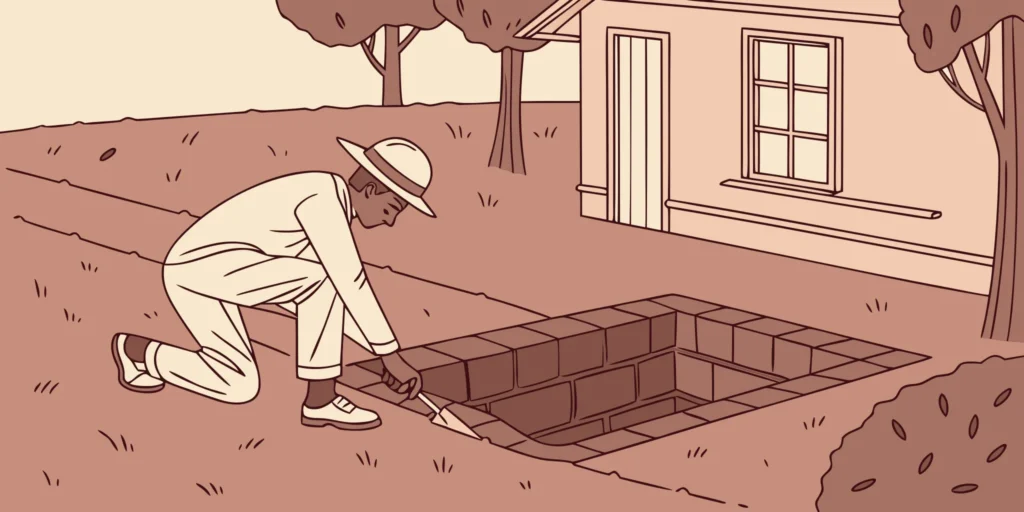
Clay soil can make mole trapping frustrating. It holds together firmly, resists digging, and may limit how smoothly a trap moves when a tunnel is packed tight. Moles still favor loose, moist soil rich in grubs and earthworms, which is why lawns and gardens remain active targets even when the ground is heavy clay. Penn State Extension explains this soil preference.
The best mole traps for clay soil are mechanical traps that can be positioned in an active tunnel and maintain reliable pressure despite dense ground. Scissor and harpoon traps are established options, while a spring-loaded Cinch Trap is designed for challenging soil profiles, including compact clay.
The right choice depends on more than the trap’s name. Soil density, tunnel location, and the mechanism’s ability to complete its strike all matter. Comparing those factors makes it easier to see why clay changes the way each trap performs.
Why Clay Soil Changes the Mole Trapping Game
Clay soil changes the job before you ever set a trap. Its fine particles pack tightly, especially when the ground dries. Creating a dense tunnel wall that is harder for a mole to excavate and harder for a trap mechanism to move through cleanly. A setup that works smoothly in loose loam may need more careful placement in compact clay.
Moles are naturally drawn to loose, moist soil rich in grubs and earthworms, which is why lawns and gardens can be attractive habitat. Penn State Extension notes that this soil preference accounts for moles’ attraction to lawns and parks. In heavy clay, however, digging takes more effort. Instead of creating many easy-to-expand runs, moles may concentrate their activity in fewer, deeper, more established tunnels.
That concentration can help a homeowner, but only if the trap is placed in an active route. A fresh surface ridge is not automatically the best location. Look for a straight, permanent tunnel that the mole is likely to use repeatedly. The Oregon mole control guide offers additional regional trapping context for areas where heavy soils are common.
Why density affects trap performance
Clay can press against trap components and restrict the movement needed for a reliable set or trigger. The denser the soil, the more important it is to match the trap to the conditions rather than choosing solely by price or appearance. A mechanism that depends on unobstructed movement may be less forgiving when clay collapses around the tunnel or remains packed against the trap.
Cinch Traps use spring-loaded tension designed to work through challenging soil conditions, including dense clay. That mechanical approach also gives homeowners a chemical-free alternative to poison-based control. It does not eliminate the need to find an active tunnel or set the trap carefully. But it gives the trap a better chance of functioning when the surrounding soil is compact.
Why soil type should guide your choice
In sandy or loamy ground, tunnel walls may be easier to open and shape, so several trap styles can be practical when placed correctly. Clay demands more attention to tunnel location, clearance, and mechanism. When comparing the best mole traps for clay soil, prioritize a design that can maintain effective tension in dense ground and tolerate the conditions around an established run.
Clay soil concentrates mole activity in fewer, deeper tunnels and can obstruct some trap mechanisms. So reliable tension and precise placement matter more than they do in loose loam or sandy soil.
Scissor Traps in Clay Soil: What You Need to Know
Scissor traps use two opposing, jaw-like arms that snap closed when a mole triggers the mechanism. Their straightforward design is one reason they remain common: they are easy to find, familiar to many homeowners. And recognized by Clemson Extension as one of the most effective trap styles for lawn control when placed correctly.
Clay soil introduces a mechanical challenge. Dense, compacted soil can press against the jaws and leave less room for a clean closing stroke. If the tunnel is tight or the surrounding clay has packed back around the trap. The jaws may move more slowly or become obstructed before they complete the intended action. That does not make every scissor trap ineffective, but it does make soil preparation and placement especially important.
Why placement matters in compacted ground
Start with an active, permanent tunnel rather than a temporary feeding run. Clemson Extension recommends locating active tunnels and using straight, permanent tunnels for trap placement. In clay, carefully open only enough soil to expose the tunnel and create clearance for the jaws. Excess disturbance can cause the mole to avoid the area, while too little clearance can interfere with the trap’s movement.
- Confirm the tunnel is active before setting the trap.
- Keep the jaw path clear of hard clods and compacted soil.
- Check that the mechanism can close fully before covering the opening.
Where scissor traps fit in a clay-soil comparison
The main advantage is availability. A scissor trap can be a practical option when you want a familiar, chemical-free mechanical method and are willing to prepare the tunnel carefully. The tradeoff is that its moving jaws must force their way through the surrounding soil at the moment of activation. In especially dense clay, that dependence on clearance can be a weakness compared with mechanisms designed to maintain strong closing tension through difficult soil.
For a closer look at how different designs compare, read this comparison of Victor and Cinch mole traps before choosing a setup.
Scissor traps are widely available and can work well in clay when the tunnel is active and the jaws have clear closing space. But dense soil may obstruct or slow their mechanism.
Harpoon Traps: How They Perform in Heavy Soil
Harpoon traps, sometimes called spear traps, use a vertical spike assembly. When a mole passes through the tunnel and triggers the mechanism, the spikes drive downward into the tunnel. Clemson Extension lists harpoon and scissor traps among the most effective mole traps for lawn control. But effectiveness depends heavily on placing the trap in an active tunnel and setting it correctly.
Heavy clay changes the setup. The soil can be dense enough to resist a full downward strike, especially if the spikes enter compacted ground rather than the open tunnel. Clay may also create friction around the trigger or hold parts in place. A trap that works smoothly in loose soil can therefore produce inconsistent results when the surrounding ground is hard and tightly packed.
That is why placement matters as much as trap design. Locate a straight, permanent tunnel rather than a surface ridge that the mole may have abandoned. Clear only enough soil to position the trap without collapsing the passage, then make sure the spike assembly can travel freely. For practical guidance on this part of the process, see our guide to setting traps in active mole runways.
Common harpoon-trap setup mistakes
Themolehunter.com frequently focuses on the small setup errors that undermine otherwise capable traps. Common problems include choosing a tunnel that is not active, leaving the trigger poorly aligned, and packing clay around moving parts. In hard soil, forcing the trap into position can make those problems worse by restricting the spear’s path.
Harpoon traps remain a legitimate option for clay-heavy lawns, but they require careful preparation and a clean downward strike. If the soil repeatedly interferes with the mechanism, compare the trap’s moving parts and operating force against alternatives designed for compact ground.
Harpoon traps can work in heavy soil, but dense clay makes active-tunnel placement and an unobstructed downward strike especially important.
The Cinch Trap Advantage in Dense Clay Conditions
Dense clay tests a mole trap in ways that loose, workable soil does not. The ground can resist movement, hold tightly around a mechanism, and make an otherwise promising set harder to trigger. Cinch Traps are designed to work across diverse soil profiles, including dense clay, with a spring-loaded tension mechanism built to overcome that resistance. Cinch’s product information explains the design focus on challenging soil conditions.
When clay makes trap performance less predictable, choose a mechanism designed to maintain tension instead of relying on easy soil movement.
Why the mechanism matters
In compact clay, the trap needs enough force to operate decisively when a mole passes through the active tunnel. Cinch’s spring-loaded tension is the key difference to look for. It is engineered to push through the density that can obstruct or slow other trap mechanisms. That does not replace careful placement, but it gives the trap a better mechanical foundation once it is set in the right tunnel.
Victor, GopherHawk, and Macabee each offer established approaches to mole and gopher control. But a trap that performs well in one soil profile may not be the easiest choice in another. For homeowners dealing with hard, compact ground, the useful question is not simply which trap looks familiar. Ask whether its operating force is suited to the soil around the tunnel.
A chemical-free option for lawns and gardens
Cinch Traps use mechanical control rather than poison. That gives homeowners a chemical-free option for managing moles around lawns, gardens, and landscaped areas. The customer product guidance describes mechanical traps as a safer alternative to poisons, which can matter when people want to limit chemical use around outdoor spaces. Follow the product instructions and keep any trap inaccessible to children and pets.
Built for long-term value
Cinch has made traps in Oregon since 1909, giving the company 116 years of manufacturing heritage. The traps are handmade in Oregon and backed by a lifetime warranty. Cinch also reports a number-one ranking from five universities and the USDA, a distinction that adds useful context when comparing products on more than appearance or price.
A single Cinch Trap is priced at $24.99, with flat rate shipping. You can shop Cinch Traps directly, or read the best mole trap guide before choosing a setup. For the company’s history and manufacturing background, see about Cinch Traps.
For dense clay, the best mole traps for clay soil combine dependable spring tension, chemical-free control, and long-term support in a design made in Oregon.
How to Set Mole Traps in Clay Soil for Best Results
Clay soil rewards careful placement. It can hold moisture longer than lighter soil, but its density makes careless digging more likely to collapse or distort a tunnel. Take time to identify a straight, active runway before you set a trap. Clemson Extension recommends locating active tunnels first and using straight, permanent runways for the best placement.
For more detail on runway selection, see our guide to setting traps for moles in clay soil.
1. Find an active, permanent tunnel
Do not place a trap on every fresh mound or raised ridge. First, test likely runways by gently pressing a small section of the tunnel down. Check it again later. If the soil has been pushed back up, the mole is using that route. Choose a straight section rather than a sharp turn, side tunnel, or shallow feeding ridge. Straight permanent tunnels provide a more predictable path for the trap.
2. Open the tunnel and clear the runway
Clay may sit deeper and hold its shape more firmly than loose garden soil. Excavate only enough soil to expose the runway and create a clean opening. Avoid widening the tunnel unnecessarily, since loose chunks can interfere with the trap or signal disturbance. Use a tunnel clearing tool to remove soil from the trap’s path, then check that the passage is open from side to side.
3. Set the trap in the runway
Place the trap squarely in the active tunnel, following the manufacturer’s setup instructions. The trigger or working parts should align with the mole’s path, not press against a wall of compacted clay. Cinch Traps use spring-loaded tension designed for challenging soil conditions, including dense clay. Work deliberately, and keep hands clear of the mechanism while setting it.
4. Cover and mark the location
Replace the excavated clay carefully so light and debris do not enter the opening. The cover should be secure without packing soil directly against moving parts. Mark the location with a visible stake or other simple marker, especially if the trap is in a lawn or garden. Because clay often stays moist longer, a properly set trap may remain effective longer without needing an immediate reset. Still, inspect it according to the product instructions and local regulations.
Regional conditions can change how deep tunnels run and when soil stays workable. Our Oregon guide to trapping moles in heavy clay soil offers additional regional tips.
In clay soil, the best results come from finding a straight active runway, clearing it carefully, setting the trap squarely, and covering the location without obstructing its mechanism.
Comparing the Best Mole Traps for Clay Soil Side by Side
Trap design matters more when soil is dense. A mechanism that works smoothly in loose lawn soil can meet resistance when it must cut through or move compacted clay. Clemson Extension identifies both scissor and harpoon traps as effective options for general lawn control. But clay-heavy yards deserve a closer look at how each trap interacts with the ground.
| Trap Type | Mechanism | Clay Soil Performance | Ease of Set | Price Range | Best For |
|---|---|---|---|---|---|
| Scissor | Jaws close around the mole in the tunnel. | Effective in general lawn use, but dense clay can resist the jaws as they push through compacted soil. | Moderate. Correct placement and a clean tunnel opening matter. | Varies by model and seller. | Homeowners with workable soil and a clearly defined active tunnel. |
| Harpoon | Spikes drive downward into the tunnel. | Effective for general lawn control, but the spikes may not penetrate fully when clay is hard and compacted. | Moderate. The trap must be aligned precisely over the tunnel. | Varies by model and seller. | Lawns with softer soil and straight, active tunnels. |
| Cinch | Spring-loaded tension activates the trap in the tunnel. | Designed for diverse soil profiles, including dense clay. Spring-loaded tension helps overcome resistance that can obstruct other mechanisms. | Simple setup, with a four-step process designed for non-professional users. | $24.99 for the Cinch trap. | Clay-heavy yards, compact ground, and homeowners who want a mechanical, chemical-free option. |
The comparison is not a dismissal of scissor or harpoon traps. Both have a legitimate place in lawn control, and Clemson Extension lists them among the most effective mole trap types. The practical issue is soil resistance. In dense clay, the trap must perform after installation, not merely look suitable before the tunnel is closed.
Cinch Traps are designed to work across soil profiles, including challenging clay. Their spring-loaded tension is the key distinction for compact ground because it is intended to maintain the force needed when dense soil interferes with movement. At $24.99, Cinch also gives homeowners a clearly stated price point when comparing trap options and current competitor models.
For homeowners comparing the best mole traps for clay soil, scissor and harpoon traps can work in general lawn conditions. While Cinch’s spring-loaded design is the better fit when compact clay may obstruct jaws or limit spike penetration.
Frequently Asked Questions
What makes clay soil difficult for mole traps?
Clay soil is dense and can obstruct parts of a trap mechanism, especially when the ground is compacted. Moles often concentrate activity in specific tunnels, so choosing a trap that can function under pressure and placing it in an active, permanent tunnel both matter. Cinch Traps use spring-loaded tension designed for challenging soil conditions. In clay, mechanism strength and accurate tunnel placement are equally important.
Are scissor or harpoon traps effective in clay soil?
Both are established mechanical options for lawn mole control. Clemson Extension identifies harpoon and scissor traps as the most effective mole trap types, but results still depend on finding an active tunnel and setting the trap correctly. Dense clay may make positioning and mechanism movement more demanding than loose soil. Scissor and harpoon traps can work, but clay conditions make setup precision especially important.
How do I choose the best mole traps for clay soil?
Look for a mechanical trap built to handle compact ground, then compare its triggering method, placement requirements, durability, and ease of setup. A chemical-free design is useful for homeowners who want to protect lawns and soil without using poison. Cinch Traps are designed for varied soil profiles, including dense clay, and use spring-loaded tension to address resistance from compact ground. The best choice combines a clay-capable mechanism with a placement method you can use confidently.
Where should I set a mole trap in clay soil?
Start by locating an active, straight, permanent tunnel rather than placing a trap at random. Clemson Extension recommends identifying active tunnels before setting a trap and using straight permanent runs for placement. In clay, firm the trap carefully into position without collapsing the tunnel, then follow the manufacturer’s setup directions. Cinch Traps use a simple four-step setup that is accessible to non-professionals. An active permanent tunnel gives any trap the best opportunity to work.
Ready to Choose a Mole Trap for Clay Soil?
The right trap can make setup more straightforward when dense soil makes tunnel work difficult. Cinch Traps offers a university-proven option designed for demanding conditions, so you can choose a practical tool for your lawn and trapping plan.
Get started and shop Cinch Traps today for your clay-soil trapping needs.