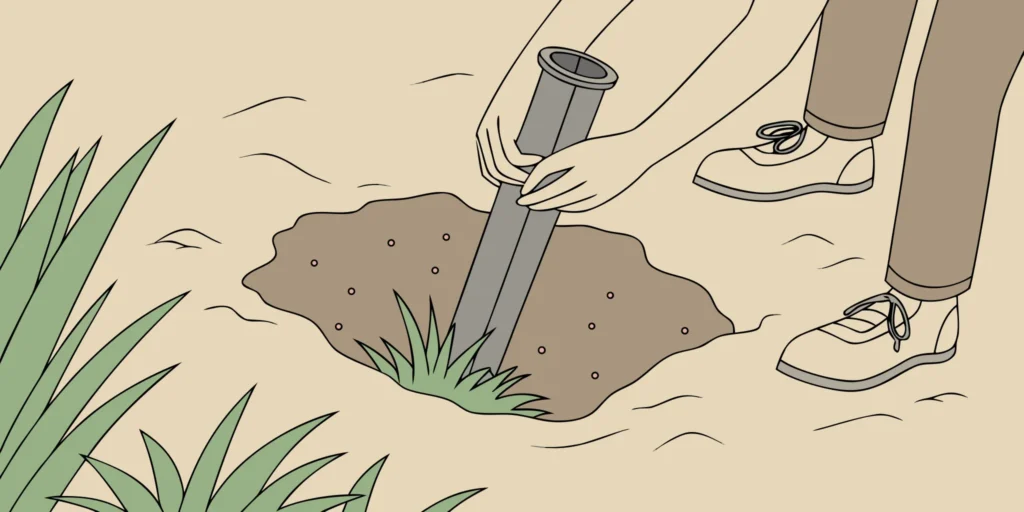
Loose sand changes the job before a trap ever reaches the tunnel. Openings can crumble, trap placement can become unstable, and a promising set may fail if the soil is disturbed too much. That matters because pocket gophers favor moist, sandy ground for excavating their burrow systems, according to Montana Fish, Wildlife & Parks.
For gopher traps for sandy soil, the best choice is a design that stays positioned inside the tunnel without depending on firm soil to hold it in place. Cinch is built for that approach, while Macabee, GopherHawk, and Victor traps each involve different placement considerations, prices, and tradeoffs.
This guide compares those trap styles by the conditions that matter most in sand: how much digging they require. How well they tolerate loose tunnel walls, and how easily you can confirm a careful set. Start with the soil mechanics that make sandy sites harder to trap successfully.
Why Sandy Soil Makes Gopher Trapping Harder
Sandy soil gives gophers an easy place to excavate, but it creates a fragile working environment for anyone setting a trap. Pocket gophers prefer moist, sandy soils because the loose particles are easier to move while they build extensive burrow systems. The Montana Fish, Wildlife & Parks guide notes that these systems can reach 400 to 500 feet. So the visible mound is only one small clue to what is happening underground.
That loose structure is the first problem. When you probe for a tunnel, the surrounding soil may crumble into the passage before you locate the active run. A hole that looked open a moment ago can fill with sand, leaving the trap out of alignment or blocking the gopher’s path. This is why choosing gopher tunnel depth and location carefully matters before you disturb the ground.
Loose walls make a narrow target unstable
Gopher tunnels in sandy ground can be shallow, soft-edged, and difficult to keep open. A trap that depends on firm tunnel walls may shift as the soil settles. A trapper may also dig a larger opening to compensate, only to cause more collapse. The extra disturbance can make the tunnel look abandoned, even when a gopher is still using the surrounding system.
- Probe gently instead of forcing the rod through the tunnel roof.
- Keep the opening as small as practical.
- Watch for fresh soil and recent mound activity before setting.
Why traps misfire in sandy conditions
Misfires usually start with movement. Sand can slide beneath a trap, press against the trigger, or leave the mechanism sitting at an angle. If the tunnel collapses around the set, the trap may close without contacting the gopher, or the passage may become impassable before the animal reaches it. These frustrations do not always mean the trap is defective. In loose soil, placement and tunnel preservation are part of the setup.
Sandy soil suits gophers because it is easy to excavate, but collapsing tunnels and unstable trap placement make active-tunnel identification and minimal disturbance essential.
How Sandy Soil Affects Trap Placement and Success
Loose sand changes the mechanics of setting a gopher trap. A trap can be well made and still fail if the tunnel shifts around it, the opening collapses, or the trigger cannot sit in its intended position. In these conditions, careful placement is part of the equipment choice.
Why traps misfire in loose soil
Sand does not hold a cut tunnel wall the way compact soil does. As you open the tunnel, particles can slide into the passage and alter the trap’s position. A trap that tilts, sinks, or becomes partly covered may not present its trigger correctly. The gopher can then pass the trap, push against it without activating it, or fill the opening before the mechanism works.
Large, unstable openings create another problem. Digging farther than necessary exposes more of the tunnel to collapse, while repeated probing can disturb the route you are trying to intercept. Oregon guidance notes that minimizing tunnel disruption during installation improves trapping success in sandy or loose soil. That principle matters whether you are working in a garden bed, pasture, or nursery row.
Prepare the tunnel without overworking it
Start by locating a fresh, active tunnel and confirming its direction before cutting an opening. Remove only enough soil to place the trap. Keep the tunnel floor as level as possible, and avoid scraping away supporting material from both sides. If sand begins to slough inward, pause and reshape the opening rather than continuing to widen it.
Trap design also affects how much preparation is practical. Macabee traps are a familiar standard. But California Department of Pesticide Regulation guidance cautions that they require more careful tunnel preparation in very loose soil because stable tunnel walls are important to the set. A trap that can be inserted directly into the tunnel with minimal excavation reduces the opportunity for the passage to collapse.
Accurate placement starts with understanding the passage you are targeting. For more context before you dig, review this guide to gopher tunnel depth and use that information to distinguish an active tunnel from a shallow disturbance.
In sandy soil, successful trapping depends on minimizing tunnel disruption, keeping the trap stable, and preparing only the opening needed for a reliable trigger set.
Top Gopher Traps for Sandy Soil: A Full Comparison
Loose sand changes the buying decision. A trap must respond to the gopher, not depend on firm soil to hold it in place. The most useful features are minimal excavation, a sensitive trigger, and secure placement without burying the trap deep enough for the tunnel walls to collapse.
For a broader look at use cases, see these gopher traps for gardens. The comparison below focuses specifically on sandy-soil handling, setup demands, and practical cost.
| Trap | Listed price | Sandy-soil strengths | Potential drawbacks |
|---|---|---|---|
| Cinch | $19.95 | Wire-loop design, minimal digging, inserts into the tunnel, and holds position without burying. Used by the US Forest Service and backed by 100+ years of heritage. | Higher single-trap price than basic hardware-store models. |
| GopherHawk | $42.95 | No digging needed, with an above-ground catch indicator that makes checking the set straightforward. Listed at 4.1 stars. | Highest single-trap price in this comparison. |
| Victor Easy Set | $6.95 | Low entry price and broad availability at hardware stores. | Placement still depends on preparing a stable tunnel opening in loose sand. |
| Death Klutch | $5.95 each; $64.95 per dozen | Budget-friendly option with adjustable tension for users who want to tune the trigger. | Requires careful positioning so shifting sand does not disturb the set. |
| Macabee-style | Varies by seller | Familiar, widely used trap design. | Loose soil requires careful tunnel preparation and more stable walls before setting. California guidance notes the preparation requirement. |
What matters most when sand will not hold a set
Minimal excavation is the first filter. A large opening removes the support that keeps a trap aligned, while extra digging can collapse the tunnel before the trap is ready. A sensitive trigger is the second. Gophers should activate the mechanism through normal movement rather than forcing the trapper to create an oversized, unstable passage. Secure placement is the third. A trap that slides, tips, or becomes buried in loose soil can miss the animal even when it is positioned over an active run.
Cinch is the strongest fit when those three requirements outweigh the lowest purchase price. Its wire-loop trap is designed for loose soil, slides into the tunnel, and does not rely on burial to stay in position. GopherHawk is a practical alternative for users who value an above-ground indicator and no-dig setup, but its price is substantially higher. Victor and Death Klutch make sense when budget or local availability leads the decision. Macabee-style traps can work, but they demand the most attention to tunnel preparation in sand.
For a closer look at the differences between two of these options, continue with our guide to comparing trap models.
For gopher traps for sandy soil, choose a design that minimizes excavation and stays secure without relying on firm soil. Cinch offers the clearest match for those conditions, while GopherHawk, Victor, Death Klutch, and Macabee-style traps each trade off price, indicators, availability, or setup demands.
How to Set Gopher Traps in Sandy Soil for Best Results
Loose sand changes the job. A tunnel that holds its shape in clay can collapse when you open it, burying the trap or alerting the gopher to a disturbance. The goal is to reach the active tunnel with the smallest possible opening, keep the walls intact, and place the trap without filling the passage with loose soil. Oregon guidance notes that minimizing tunnel disruption during installation can improve trapping success in sandy or loose soil.
- Locate a fresh mound and probe for the main tunnel. Start with a mound that has fresh, loose soil rather than an older mound hardened by weather. Use a probe or slender rod to find the lateral tunnel beneath or beside the mound. Probe carefully and stop when you feel the rod enter a void. Avoid repeatedly puncturing the area, since each extra hole creates more loose material and makes the tunnel harder to preserve.
- Dampen the soil around the opening. Apply a small amount of water from a hose around the point where you will work. The purpose is to firm the sand enough to hold its shape, not to flood the tunnel or turn the soil into mud. Give the dampened area a short time to settle before opening it.
- Make a minimal access hole with a small trowel. Remove only enough soil to expose the tunnel. Aggressive digging guarantees a cave-in in loose sand, and a large opening gives the gopher more disturbed ground to avoid. Keep the edges as intact as possible while working.
- Clear loose sand from the tunnel. Use the trowel or your fingers to remove sand that has fallen into the passage. Do not enlarge the tunnel unnecessarily. The trap should enter the existing run rather than forcing a new channel through the soil.
- Set the trap and insert it with minimal disturbance. Prepare the trap before placing it at the opening. Follow the trap’s normal setting procedure, then guide it into the tunnel so the trigger sits in the travel path. Press gently and avoid scraping the tunnel walls or packing sand around the mechanism. A trap that can be inserted directly into the run is especially useful where the surrounding soil cannot support a large excavation.
- Cover the opening without sealing the tunnel. In sandy soil, place leaves, a towel, or another light cover over the access point. The cover should block light and limit airflow while keeping excessive weight off the fragile tunnel roof. Do not shovel a heavy mound of sand directly onto the trap, because the added pressure can shift its position or cause the opening to collapse.
- Mark the spot and check within 24 hours. Use a visible marker so the trap is easy to find without probing the area again. Check the setup within a day, then reset or relocate it if the tunnel has collapsed, the trap has been triggered, or fresh activity appears elsewhere. Quick checks also prevent a disturbed opening from being left unattended.
In sandy soil, the best results come from firming the work area, opening only what you need, and preserving the tunnel around the trap.
Why Cinch Traps Stand Out in Sandy Conditions
Loose sand changes the installation problem. A trap can be effective on paper, but a large opening may cave in before the mechanism is positioned. And disturbed soil can make the tunnel harder to follow. Cinch traps address that issue with a wire-loop scissor mechanism that slides directly into the existing tunnel. The installation requires minimal excavation, so the surrounding tunnel stays more intact.
That design also avoids a common limitation of traps that must be buried or held in place by firm soil. The Cinch trap does not depend on compact soil to keep it positioned. The trap sits in the tunnel, where its shape and spring-loaded mechanism do the work. This is why Cinch is a practical choice when comparing gopher traps for sandy soil and other loose ground conditions.
Less digging means less tunnel disruption
In sandy soil, every extra shovel of material creates another opportunity for a tunnel wall to collapse. A box-style trap typically needs a larger excavated area and more careful backfilling around the trap. That added work can be manageable in firm ground, but it is less convenient when the soil will not hold a clean opening.
Some wire traps use more intricate mechanisms that can collect sand during setup or operation. Cinch keeps the operating principle straightforward: insert the wire-loop trap into the tunnel and set it without burying the entire trap. The simpler placement is useful for homeowners, landscapers, and pest control professionals who need a repeatable setup across multiple locations.
Built for repeated use
Cinch traps are made from galvanized steel and handmade in Oregon. The company traces its approach to founder Don Sprague and more than 100 years of mole and gopher control experience. That history is supported by field use as well. The US Forest Service has used Cinch traps for gopher control, giving the design credibility beyond a single residential application.
For sandy ground, Cinch traps combine direct tunnel placement, minimal excavation, and a galvanized-steel scissor design that does not rely on firm soil to stay positioned.
Frequently Asked Questions
How do you trap gophers in sandy soil?
Start by confirming a tunnel is active, then open it with as little digging as possible. Loose sand can collapse around a conventional trap, so choose a design that inserts into the tunnel without requiring a large, unstable opening. Set the trap firmly, cover the opening to block light, and check it regularly. Minimizing tunnel disruption is a recommended part of trapping in loose soil (Oregon Department of Agriculture).
What is the best time to trap gophers?
The best time is when you find fresh signs of activity, such as a new mound or recently repaired soil, rather than relying on a particular month. Gophers can use extensive burrow systems, so an active tunnel gives you a better target than an abandoned section. Place the trap promptly after confirming fresh activity and avoid disturbing nearby tunnels unnecessarily.
What is the fastest way to get rid of gophers?
Direct trapping in an active tunnel is usually the most practical way to address an individual gopher problem because it targets the animal where it travels. Locate fresh activity, use a trap suited to loose soil, and inspect it consistently. Farmers, nurserymen, and gardeners commonly use active trapping for gopher control (Montana Fish, Wildlife and Parks).
What is the best gopher trap in 2026?
For sandy soil, the best choice is a trap that stays functional without depending on firm soil to hold it in place. Cinch is designed to slide into the tunnel and remain positioned without being buried, which suits loose conditions. A Macabee-style trap can also work, but it may require more careful preparation when tunnel walls are unstable.
For sandy soil, choose a trap that minimizes digging and remains stable inside the active tunnel. 1:Ready to Shop Cinch Traps for Sandy Soil?
2:Choosing a trap that stays stable in loose soil can make setup simpler and help you focus on fresh gopher activity. Cinch traps are a practical option when you want a purpose-built tool for sandy conditions.
3:Shop Cinch traps for sandy soil with flat rate shipping.