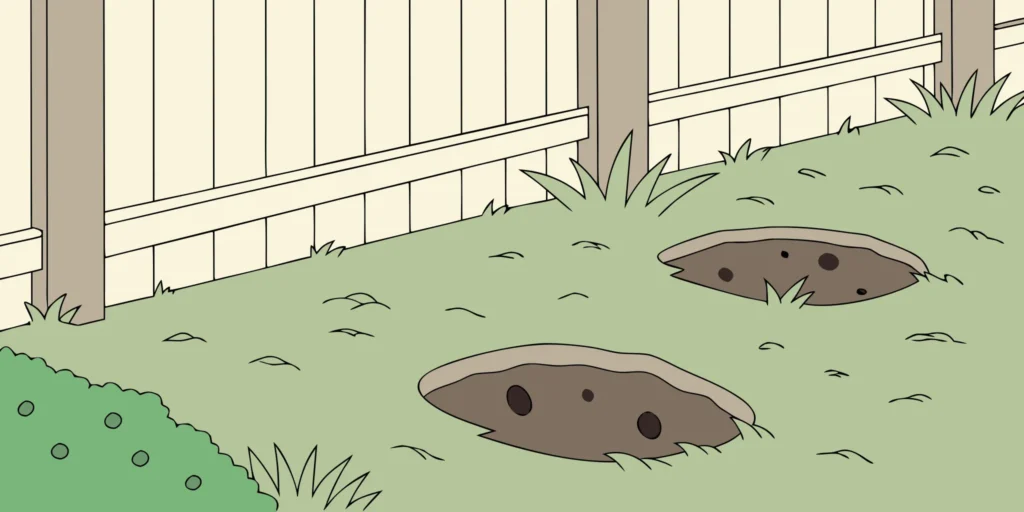
Fresh dirt mounds with an off-center soil plug mean a pocket gopher is now tunneling through your yard. Finding them early is the only way to stop these rodents before they chew through your buried wires.
Gopher holes appear as fan-shaped mounds with an off-center soil plug. According to USU Extension, these mounds are the main sign of active burrowing. Finding fresh dirt and sealed tunnels early helps you stop damage before it spreads across your yard.
You might wonder if those dirt piles in your grass are from gophers or another pest. Finding the exact shape of these mounds is the first step in taking your yard back. Here is how to identify these signs and take action.
What Do Gopher Holes Look Like?
You can spot a gopher problem by looking at the dirt mounds in your yard. Unlike other rodents, pocket gophers are solitary animals that stay under the ground for most of their lives. Since they are rarely seen, you must rely on the clues they leave behind to find them. The most common sign is a fan-shaped mound of loose soil on the surface of your lawn or garden.
Fan-shaped soil mounds
A gopher mound has a clear shape. It looks like a crescent or a fan because the pest pushes dirt out of the tunnel at an angle. These mounds are usually 12 to 20 inches wide and stand about 1 to 3 inches tall. If you see a pile of dirt that is round or looks like a volcano, it is likely from a mole. Identifying common pocket gophers is the first step toward fixing the damage they cause.
Off-center dirt plugs
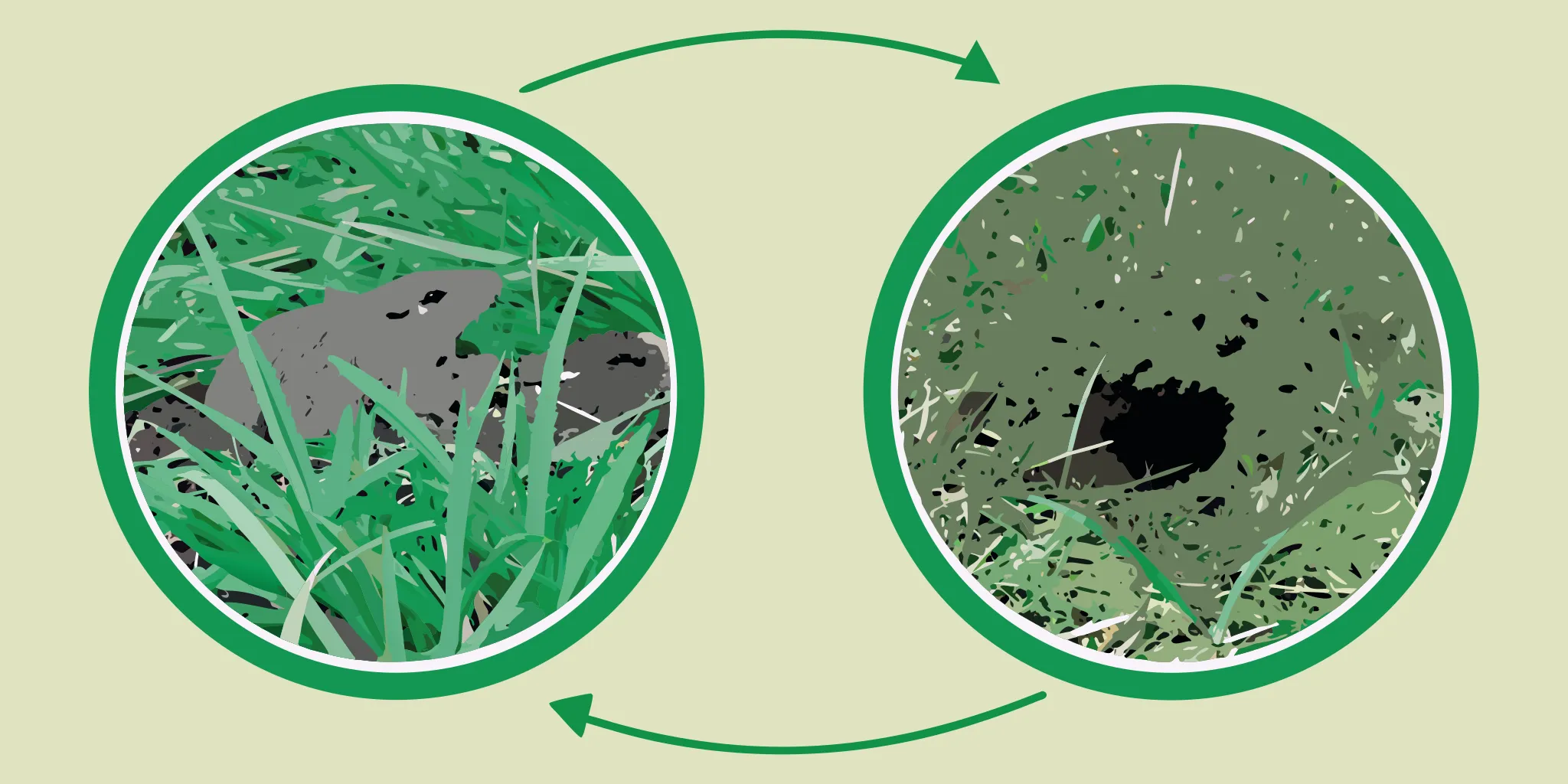
One key trait sets a gopher hole apart from other pests. You will not find an open hole at the top of the mound. Instead, gophers use a soil plug to seal the mouth of their tunnel. This plug is usually off to one side of the fan shape. Gophers keep their tunnels sealed to keep out light and predators. If you see an open hole without a plug, it might belong to a ground squirrel or a vole.
Signs of active digging
Fresh mounds are easy to see because the dirt is dark and moist. A single gopher can create many mounds in a short time as it builds its home. Since these pests stay hidden, the size and spot of the mounds are your best tools for tracking them. Look for these key signs of active gopher digging:
- Rows of fresh mounds that appear in a line, following the path of underground tunnels
- Dark, moist soil that looks freshly turned and has not dried or crusted over
- Multiple new mounds appearing each day in the same general area
Tracking mound patterns shows you exactly where to set your traps for the best results.
Active vs. Inactive Gopher Holes: How to Tell the Difference
Finding a pile of dirt in your lawn is the first sign of a problem, but you need to know if the pest is still there. Fresh dirt is the best way to spot an active pocket gopher. Because these rodents spend almost all their time underground, they must push soil to the surface to keep their paths clear. You can learn more about identifying common pocket gophers by looking at the shape of these dirt piles.
Check for fresh soil
A single gopher is very busy and can create several new mounds every day as it digs. Fresh mounds will have dark, moist soil that looks like it just came out of a bag of potting mix. If the dirt is dry, light in color, or crusty, the tunnel may be old. You should also look for a soil plug. Gophers use these plugs to seal their holes and keep out light or predators. Active tunnels will have a tight, fresh plug that has not been moved or washed away by rain.
Look for plant growth
You can tell a hole is old if you see grass or weeds growing through the mound. An active gopher will not let plants grow in its way while it works. If the fan shape of the mound has started to flatten or blend back into the lawn, the pest has likely moved on to a new area. While they stay active year-round, you will see the most new gopher holes during the spring and fall when the soil is easy to dig. Inactive holes often look gray and dusty compared to the rich color of new ones.
Observe mound patterns
Gophers are solitary, so one yard usually holds just one animal unless it is mating season. However, that one animal can do a lot of work. If you see a line of new mounds appearing over a few days, you have an active guest. Once you know the tunnels are in use, you can take steps to get rid of gophers safely with mechanical traps. Watching for new dirt each morning is the fastest way to track where the pest is moving next.
Inside the Gopher’s Tunnel System
Gophers build a large world beneath your yard. These pests live in burrow systems that can cover a space of 200 to 2,000 square feet. While you may only see a few mounds on the top, the maze below is quite large. This web of paths serves as a full home for a lone animal. It gives a safe space to sleep, store food, and raise young. Each system is the work of a single gopher, as these pests rarely share their living space with others.
Tunnel Size and Depth
The scale of a gopher’s work is big for such a small animal. Most main gopher burrows have a width of 3 to 6 inches. These tunnels usually sit 6 to 12 inches below the top of the soil. This depth keeps the gopher safe from the heat and cold while giving it quick access to the roots it loves to eat. When you spot active gopher holes in your lawn, you see the entry points. These lead to a large travel maze. These paths are fast for a pest that spends nearly all its life in the dark.
Deep Rooms and Storage
A gopher’s home is not just a set of long tubes. It includes special rooms that serve different needs. Some rooms are for nesting, while others act as food storage spots. These rooms can be found as deep as 6 feet underground. This depth gives a steady air that protects the gopher from harsh weather. The pest uses these spots to keep a supply of roots and plants for later. This deep build ensures the gopher has a safe place to hide if a hunter tries to dig into the shallow parts of the maze.
Pouches and System Safety
The term “pocket gopher” comes from their outer, fur-lined cheek pouches. They use these pockets to carry food from the top or root zones back to their deep storage rooms. As shown by Utah State University, this allows the gopher to move much stuff without opening its mouth to the dirt. This trait is key to their win as digging builders. By keeping their mouths closed, they avoid swallowing soil while they dig and move food through the tunnel maze.
Gophers are active builders that must always fix their homes. As they dig new paths, they push the more soil to the surface through side tunnels. This work creates the fan-shaped mounds that people often find in their grass. Once a gopher finishes moving soil, it seals the opening with a soil plug. This plug is vital for the safety of the burrow. It keeps out light, stays damp, and prevents hunters like snakes or weasels from entering. A well-sealed tunnel maze is the gopher’s best shield against the outside world.
Common Signs of Gopher Activity in Your Yard
Finding identifying common pocket gophers is the first step to save your lawn. Mounds are the most clear clue, but these pests leave other signs too. You might see plants that wilt or die fast. This is because gophers eat the roots of trees, grass, and weeds. Data from the Oklahoma State University Extension shows they love alfalfa and dandelions.
Damage to Yard Systems
Gophers do not just eat plants. Their strong teeth can chew through hard items in the dirt. Many homeowners find broken systems after a gopher moves in. Experts at the University of California IPM Program say gopher bites are a top cause of pipe failure. Common types of damage include:
- Broken sprinkler lines and leaking water pipes from gnawing
- Chewed underground power cables that cause costly repairs
- Severed internet and communication wires that interrupt service
Spotting gopher holes early is the best way to prevent this expensive damage before it starts.
Visible Gopher Holes and Tunnels
An active tunnel system shows up as more than just a pile of dirt. You may feel spots where the ground is soft or spongy when you walk. This happens when a tunnel is close to the top of the soil. Look for new gopher holes that appear each day. One animal can dig many mounds in a short time. If you see fresh, damp dirt, the gopher is likely still at work.
Using Cinch Traps for Control
When you see these signs, you need a tool that works well. Cinch Traps offers professional-grade traps made in Oregon since 1909. These traps use a simple four-step plan. You can catch gophers without using bait or poison. Five major universities have tested this tool. It is the best way to stop yard damage and keep your lawn safe.
Gopher Holes vs. Mole Holes vs. Vole Holes
You may see piles of dirt or small openings in your lawn. Before you try to get rid of gophers safely, you must know what pest is in your yard. Each pest leaves a unique sign. Gophers, moles, and voles all dig, but their holes and mounds look very different.
Identify gopher mounds
Gophers make fan-shaped mounds of soil. The dirt pile usually has a side plug off to one edge. These pests have broad heads, small eyes, and small ears. Their front feet have heavy claws for digging. You can also see their yellowish teeth. These teeth stay out even when their mouths are shut. Experts at Oklahoma State University say these traits help them live and move underground.
Spot mole and vole signs
Mole mounds look like small volcanoes. They are circular and have a plug right in the middle. Moles do not have cheek pouches or ears you can see. Voles do not make mounds at all. Instead, they leave small gopher holes about one to two inches wide. You will often see thin paths in the grass that lead to these tiny holes. These pests eat plant stems and can ruin a garden fast.
| Feature | Pocket Gophers | Moles | Voles |
|---|---|---|---|
| Mound Shape | Fan-shaped or crescent | Circular volcano shape | No mounds present |
| Plug Location | Off-center or side plug | Center of the mound | No plug (open hole) |
| Hole Size | 3 to 4 inches wide | 2 to 3 inches wide | 1 to 2 inches wide |
| Main Food | Roots and tubers | Insects and worms | Grass and plant stems |
| Body Clues | Visible teeth and pouches | No ears or pouches | Small mouse-like body |
Knowing these signs helps you pick the right tool for the job. Moles and gophers need different traps. University research shows that gopher mounds have a distinct plug. This plug tells them apart from mole hills. Once you find the right pest, you can take action to protect your land.
Why Early Detection of Gopher Tunnels Matters
Gophers are quiet but fast workers. One animal can dig long tunnels in a short time. Finding these gopher holes early is the best way to stop big costs later. If you wait, a small hole can turn into a large repair bill for your yard or farm. Early detection is critical to prevent damage before it spreads to your whole property, according to UC IPM experts.
Protect your water and soil
Gopher tunnels do more than just move dirt. In fields that use water for crops, these deep paths can pull water away from plants. This leads to water loss that hurts your harvest and wastes money. The tunnels can also weaken pond dams and canal banks. If the soil gets too thin, the water can seep through or cause the bank to fail, as noted by Utah State University Extension. You can learn more about identifying common pocket gophers to spot these risks early.
Save your yard and equipment
The mounds gophers leave behind are a real threat to your tools. These piles of dirt can hit the blades of your mower or harvest gear. This can break expensive parts and slow down your work. Also, gophers like to chew on things they find in the soil. They often gnaw through sprinkler lines and yard pipes. This causes leaks that are hard to find and fix. Finding the signs of active gophers helps you get rid of gophers safely before they ruin your gear.
Prevent utility and wire damage
Gophers have strong teeth that never stop growing. They will bite through almost anything in their path, including underground wires. This can cut off your internet or even kill the power to your home. Fixing these buried lines is very costly and takes a lot of time. By spotting the first few mounds, you can stop the gopher before it finds your utility cables. Quick action saves your yard, your budget, and your peace of mind.
How to Confirm Active Gopher Tunnels Before Trapping
Finding a mound does not always mean a gopher is still there. You must check for activity to ensure your trap is in the right spot. Testing for airflow and fresh digging will help you get rid of gophers safely without wasting time on old holes.
Find the main tunnel
Start by looking at the soil mounds in your yard. The gopher seals the exit with a plug of dirt. Use a thin rod to probe the ground about 8 to 12 inches away from the plugged side of the mound. You will feel the rod drop quickly when you hit the tunnel, which is usually 6 to 12 inches deep. This path is the main run where the gopher travels every day.
Check for fresh activity
Once you find the run, dig a small hole to open it up. Gophers do not like light or air in their homes. If the tunnel is active, the gopher will come back to plug the hole within a day or two. If the hole stays open, the tunnel is likely empty. This test saves you from setting traps in abandoned systems where they will not catch anything.
- Locate a fresh mound with a clear soil plug on one side.
- Probe the soil 8 to 12 inches from the plug to find the main run.
- Dig down carefully to expose the tunnel to light and air.
- Wait 24 to 48 hours to see if the gopher seals the opening.
- Place your trap only if the gopher has pushed fresh soil into the gap.
- Cover the trap area so light does not leak in and alert the gopher to your presence.
- Continue your efforts until you see no new mounds for several days.
Avoid common trapping mistakes
Many people try to use food to lure gophers, but gopher traps do not need bait. Since gophers are very active in their runs, a well-placed mechanical trap will catch them as they pass through. You should also skip tools like vibrating stakes or gas bombs. Research shows that frightening devices are not effective, and gophers can easily seal off their burrows to hide from gas.
Frequently Asked Questions
Why do gophers plug their holes with dirt?
Gophers seal their tunnel exits with soil plugs to manage the environment inside their burrows. According to the UC IPM, these plugs help regulate temperature and keep out predators like snakes or weasels. Because gophers can seal their holes so quickly, methods like gas cartridges or smoke bombs are often not effective. A mechanical trap placed directly in the main run is a more reliable way to solve the problem.
How can I tell if a gopher hole is active?
The best way to find an active gopher is to look for fresh mounds of moist, dark soil. One gopher can push up many mounds in a single day, especially during the spring and fall. If you see a mound with loose dirt that has not dried out yet, a gopher is likely working nearby. You can also carefully open a hole to see if the gopher returns to plug it within a few hours.
How deep are gopher tunnels?
Most gopher tunnels are found between 6 and 12 inches below the surface. These main paths are about 3 to 6 inches wide and can cover up to 2,000 square feet. Research from Partners for Clean Water shows that deeper chambers for food storage or nesting can reach depths of 6 feet. Knowing these depths helps you probe the soil correctly to set your traps in the right spot.
What is the difference between gopher holes and mole holes?
Gopher mounds are shaped like a fan or a heart with a hole located off to one side. In contrast, mole mounds are circular and look like small volcanoes with a hole right in the middle. Moles also create raised ridges as they hunt for worms just under the grass. Gophers stay deeper underground and focus on eating roots, which causes different types of damage to your lawn and garden plants.
Ready to stop gopher damage in your yard?
Gopher holes can ruin your lawn in just a few days. These pests dig deep tunnels that can kill your grass and trees. They also bite through water lines and wires under the soil. If you do not act now, the damage will only get worse. One gopher can make many mounds in a very short time. This means your yard will soon be full of dirt piles. You can stop this mess before it costs you a lot of money. A quick start is the best way to save your land. Our traps help you take back your yard from these pests. They are easy to use and set up in four steps. You do not even have to touch the pests after you catch them. Do not let gophers win the fight for your lawn. Start today to keep your yard green and safe for your home.
Ready to shop? Contact Cinch Traps to shop Cinch Traps gopher traps.