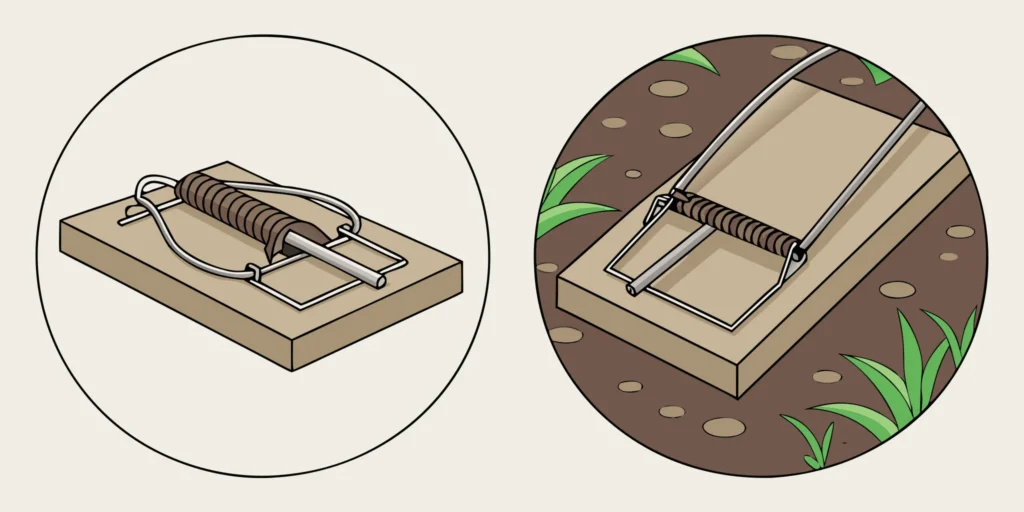
Choosing a trap for a damaged lawn, garden, or orchard starts with the pest’s tunnel system, not the brand name on the package. Moles create shallow surface runs, while gophers work deeper tunnels and push soil plugs over their openings. A trap that fits one system may be awkward or ineffective in the other.
Shop Cinch traps when you need a durable mechanical option for recurring mole or gopher control.
The cinch trap vs victor comparison comes down to mechanism, placement, materials, and the job you need done. Cinch uses a jaw-and-trigger design placed inside an active tunnel, while Victor offers several models, including pincher-style gopher traps, enclosed designs, and above-ground plunger-style mole traps. The right choice depends on whether you are controlling moles, gophers, or both, and how often you expect to use the trap.
That distinction makes the design details worth examining closely. The next comparison looks at how each brand approaches trap placement, activation, and construction across its mole and gopher models.
How Cinch and Victor Trap Designs Compare
The main design difference is where each trap works and how many pest-specific models a buyer must sort through. Cinch uses a simple jaw-and-trigger mechanism that is set inside an active tunnel for both moles and gophers. Victor offers several designs, including a pincher-style Easy Set for gophers, a plunger or harpoon trap for moles, and an enclosed Black Box model.
That distinction matters because moles and gophers do not use the same tunnel systems. A trap that fits the target animal’s runway is easier to evaluate and set correctly than a general-purpose device chosen by appearance alone. The table below compares the primary design and ownership differences.
| Feature | Cinch | Victor |
|---|---|---|
| Trap style. | Tunnel-set jaw-and-trigger design for moles and gophers. | Model-dependent: Easy Set pincher for gophers, plunger or harpoon for moles, and enclosed Black Box designs. |
| Material. | Galvanized steel. | Varies by model, with metal and enclosed retail designs available. |
| Where made. | Handcrafted in Oregon, USA. | Varies by model and retail supply chain. |
| Warranty. | Lifetime warranty. | Varies by model. |
| Models available. | One core mechanical approach for mole and gopher control. | Several approaches, including Easy Set, plunger or harpoon, and Black Box. |
| Best soil type. | Active tunnel locations with enough workable soil for excavation and placement. | Depends on the model; pincher, plunger, and enclosed traps have different placement requirements. |
An independent USDA National Wildlife Research Center study found the Cinch trap was the most effective of three tested pocket gopher traps, although it took longer to set and required more excavation. That tradeoff is useful context when comparing a purpose-built tunnel trap with a quicker retail option. For a closer look at the mole-specific matchup, see this Victor mole trap comparison.
Cinch favors one durable, tunnel-set mechanical design for both pests, while Victor gives shoppers several model styles to match with a specific animal and placement situation.
Which Trap Catches More Gophers and Moles?
Effectiveness depends on the animal, tunnel, soil, and quality of the set. Still, the available evidence gives Cinch a meaningful advantage when the goal is dependable gopher control rather than the quickest installation.
What the research says about gopher traps
A USDA National Wildlife Research Center study compared Macabee, Cinch, and Blackhole-style box traps for pocket gophers. The study found the Cinch trap to be the most effective of the three, although it took longer to set and required more excavation for placement. Read the USDA-linked study summary.
That tradeoff matters in real yards and fields. Cinch is not necessarily the fastest trap to put in the ground, but a more involved set can be worthwhile when a gopher is damaging a valuable tree, garden, or crop. Cinch also reports that its traps have been ranked first by five major universities and the USDA. This gives the brand a stronger research record than a typical retail comparison can show.
One useful field account comes from gardener Greg Alder, who wrote that he had killed three gophers attacking a special tree over a period of several years with a Cinch trap. One experience does not replace controlled testing, but it shows why experienced gardeners continue to use the trap for persistent, high-value problems.
Mole control is a separate question
Gophers and moles do not create identical tunnel systems, so a trap that works well for one may be poorly matched to the other. Washington State University identifies trapping as the only proven method for controlling moles. That makes correct placement and an active runway more important than choosing a trap based only on brand recognition.
Victor offers several convenient options. Its Easy Set gopher trap listing says the model works in sandy, silty, clay, and loamy soils, which may appeal to homeowners who want a broadly adaptable retail trap. Convenience, however, is not the same as documented catch performance. UC IPM also describes trapping as one of the best pocket gopher control methods in urban and suburban settings. It is effective, poses minimal risk to children and pets when used properly, and avoids rodenticide runoff.
For either brand, success still depends on identifying the active tunnel and following the installation instructions. A poorly placed trap can miss regardless of its design, while a correctly set trap gives the mechanism a fair chance to work.
Cinch has the stronger university and USDA evidence for effectiveness, while Victor has the convenience advantage, especially for shoppers who prioritize a quick, broadly soil-compatible setup.
Build Quality and Durability: American Steel vs Mass Market
Trap construction matters when equipment sits in damp soil, gets handled repeatedly, and may be used season after season. Cinch Traps are handmade in Oregon from galvanized steel, backed by a lifetime warranty. That combination gives buyers a clear basis for comparing a cinch trap vs victor beyond the initial shelf price.
Why galvanized steel matters underground
Galvanizing adds a protective zinc coating to the steel. In a mole or gopher tunnel, the trap can encounter wet soil, irrigation, and changing moisture levels. Bare or lightly protected metal is more vulnerable to corrosion in those conditions. A galvanized steel body helps the trap resist rust while preserving the strength and alignment needed for a reliable mechanical trigger.
That durability is practical, not cosmetic. A trap that stays rigid and functional can be cleaned, reset, and returned to service without treating each use as disposable. Cinch has manufactured these traps for 116 years, giving the design a long operating history rather than a short product cycle. Their gopher traps are built around the same focus on durable mechanical control.
How Victor’s mixed materials change the comparison
Victor offers several mass-market trap designs, and their construction varies by model. Some use plastic components or thinner metal sections. Those materials can keep retail prices low and reduce weight, but plastic may wear at moving or load-bearing points. Thin metal can also rust or lose its shape when exposed to wet soil and repeated handling. That does not make every Victor trap unusable. It does mean buyers should consider the conditions where the trap will work and how often it may need replacement.
For a homeowner dealing with one short-lived problem, a lower upfront cost may seem adequate. For a nursery, farm, landscaper, or pest-control operator, repeated failures create additional labor, trips to reset equipment, and replacement purchases. Cinch’s lifetime warranty changes that calculation by supporting the product over its usable life instead of treating a broken trap as the end of the investment.
Cinch’s American galvanized-steel construction, Oregon craftsmanship, and lifetime warranty deliver long-term reliability that mass-market materials and standard warranties do not match.
Choose a Cinch gopher trap when repeatable, long-term control matters more than the lowest upfront price.
Ease of Setup: Which Trap Is Simpler to Use?
Setup difficulty depends on more than how quickly a trap comes out of the package. You also need to find the active tunnel, make a clean opening, position the mechanism correctly, and check the site without creating extra work. The Cinch process is straightforward, although it usually requires more excavation than a compact Victor trap.
- Find an active run. Start by locating a tunnel that is currently being used rather than placing a trap in an abandoned passage. A fresh mound, raised surface run, or recently repaired section can help identify activity. Confirming the run first prevents wasted digging with either brand.
- Open the tunnel. With a Cinch trap, expose enough of the active tunnel to place the trap inside it. This is the part that can take more effort than setting a Victor Easy Set. Cinch’s larger below-ground mechanism needs a properly prepared opening, so expect to remove more soil and make room for the jaws.
- Position the Cinch trap with the jaws open. Insert the trap into the tunnel so the jaws sit across the animal’s path. The trap’s parts remain below ground, which helps minimize the risk to children and pets when the installation is covered properly.
- Pull the lever to lock it. Once the trap is positioned, pull the lever to lock the jaws open and leave the setup in place. Cinch’s four-step process does not require handling a dead animal after a catch, which keeps inspection and removal simpler.
Victor’s setup varies by model. The Easy Set requires digging down to the runway, placing its pincher-style trap in the passage, and covering it with dirt. Its short, narrow design can reduce the amount of excavation. The enclosed Victor Black Box also keeps the working parts contained, making it a safer choice than an exposed trap in locations where people or pets may pass nearby.
The Victor plunger-style mole trap calls for more precise positioning. Its pan must sit at the correct height over the tunnel so the trap can fire when the mole raises the runway. In hard or rocky soil, getting that height right can take extra adjustment. A Cinch setup is still not excavation-free, but leaving the opening uncovered temporarily has little effect on success. You can save time by checking the trap before replacing soil.
For the cinch trap vs victor setup comparison, Victor Easy Set may require less digging, but Cinch offers a clear four-step process with below-ground parts and no need to handle dead animals. The simpler choice depends on whether you value minimum excavation or easier catch handling and inspection.
Long-Term Value: Price vs Replacement Cost
Sticker price is only the first part of the comparison. A Victor Easy Set Gopher Trap two-pack sells for about $15.68 on Amazon and carries a 3.9-star rating from roughly 2,376 reviews. That low entry price can make sense for a one-time experiment, but the calculation changes when a trap bends, rusts, or stops firing after a few uses.
Measure the trap by how long it stays in service
Cinch traps cost more upfront because they are handmade in Oregon from galvanized steel and backed by a lifetime warranty. That warranty matters when a trap remains part of your regular lawn, garden, nursery, or farm maintenance equipment. Instead of replacing a worn-out unit each season, you have a durable mechanical tool designed for repeated use.
- Upfront purchase price
- Expected service life and replacement frequency
- Warranty coverage
- Time spent resetting or replacing equipment
In practical terms, a single well-built trap can outlast three or four inexpensive traps. The cheaper option may still appear less expensive at checkout, but replacement purchases, time spent resetting equipment, and missed control opportunities raise its real cost. For a homeowner dealing with recurring mole activity, or a professional managing several properties, reliability is part of the price.
The Deluxe Mole Kit gives first-time buyers a practical starting point. It includes two traps, maintenance spray, and a tunnel-sizing tool, so you are not assembling the basic equipment piece by piece. The included maintenance supplies also support longer service life when the traps are cleaned and stored properly between uses.
Effectiveness should be part of the value calculation, too. Cinch traps are ranked first by five major universities and the USDA, evidence that the higher purchase price is tied to performance, not simply materials. A trap that catches the pest you are targeting reduces the cost of repeated attempts and unnecessary replacements.
Shipping belongs in the final comparison, but it should not obscure the equipment decision. Cinch offers flat rate shipping, while the larger question is whether the trap remains dependable after the initial purchase. If you are comparing a cinch trap vs victor, compare the expected years of service and warranty coverage, not only the shelf price.
The best long-term value comes from a trap that works reliably, survives repeated use, and is covered by a lifetime warranty, even when its upfront price is higher.
How to Choose Between Cinch and Victor for Your Property
The right choice depends on the animal, the size of the problem, and how often you expect to reset traps. Start by identifying the damage. Gopher mounds usually have a crescent or horseshoe shape, while mole mounds are typically circular and volcano-shaped. That distinction matters because moles and gophers use different tunnel systems and require different trap placement.
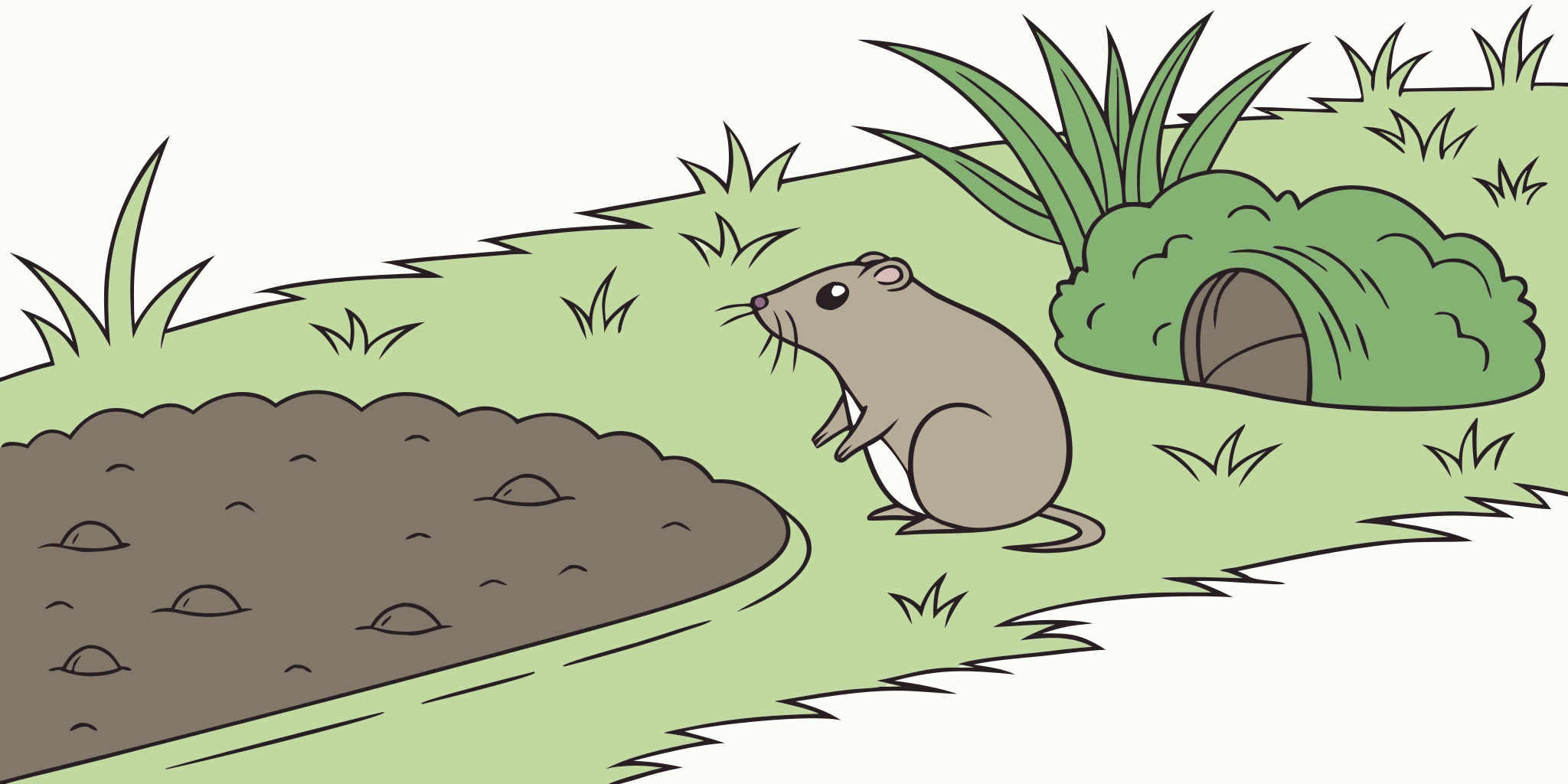
Gophers remain active year-round, and pocket gophers can cause extensive damage to roots, gardens, pastures, and irrigation areas. For urban and suburban properties, trapping is often the best fit because it addresses the active pest without introducing chemical treatments around children, pets, or planting beds.
- Crescent or horseshoe-shaped mounds usually point to gophers.
- Circular or volcano-shaped mounds and raised ridges usually point to moles.
- Freshly repaired tunnels are the best places to set a trap.
For a homeowner with a small yard
If you are dealing with an occasional gopher and want a straightforward retail option, a Victor Easy Set can make sense. A single Cinch trap is also a practical choice when you want a reusable trap built for repeated use. For mole problems, choose a trap designed for the mole’s active runway rather than assuming a gopher trap will do the same job.
Before setting either model, confirm that the tunnel is active and follow the placement instructions. This proper mole trap installation guide explains how to locate and prepare a main runway. Correct placement usually has more influence on results than choosing a familiar brand.
For a large property, farm, or recurring damage
Large properties tend to expose traps to more resets, soil variation, and ongoing pest pressure. Gophers do not stop because a season changes, so farms and ranches need equipment that can remain part of a repeatable control routine. Cinch traps are the stronger recommendation when durability and long-term use matter. Their galvanized steel construction, Oregon manufacturing, and lifetime warranty are practical advantages for a property that cannot afford frequent replacement.
For professionals and nurseries
Pest control operators, landscapers, and nursery teams generally need consistent equipment across multiple sites, not the lowest initial price. Cinch traps are a better match for that workload. They have been ranked number one by five major universities and the USDA, giving professionals a useful evidence point when selecting a standard trap for recurring service work. If your operation also compares other gopher options, review this Cinch vs. Gopher Hawk comparison before buying.
Choose Cinch for long-term heavy use, recurring gopher or mole control, and professional workloads. Choose Victor for occasional light use when a homeowner wants a lower-commitment retail option.
Frequently Asked Questions
How do Cinch traps compare to Victor traps?
Cinch and Victor both use mechanical trapping, but their designs and construction differ by model. Cinch traps use a jaw-and-trigger mechanism inside the tunnel, while Victor offers several approaches, including pincher, enclosed box, and above-ground plunger designs. Cinch focuses on galvanized steel construction, American manufacturing in Oregon, and a lifetime warranty.
Which gopher trap is more effective, Cinch or Victor?
The best choice depends on the gopher tunnel, soil, and how accurately the trap is placed. Cinch traps are designed to sit inside an active tunnel and trigger when the gopher passes through. Victor makes workable gopher models, but model selection matters because the Easy Set and Black Box use different mechanisms. Correct tunnel identification and placement are essential with either brand.
Are Cinch traps easy to set up?
Yes. A typical setup involves locating an active tunnel, opening the tunnel, placing the trap in line with the passage, and covering the opening so light and air do not discourage the gopher or mole. The trap’s above-ground back end also lets you check whether it has fired without digging around the tunnel or handling the animal.
Should I use a mole trap or a gopher trap?
Choose based on the pest’s tunnel system, not simply the size of the animal. Moles create raised, surface-level ridges and feeder runs, while gophers work through deeper tunnels and often leave a plugged soil entrance. Use a trap designed for the correct tunnel type, then confirm activity before setting it.
What should I consider when buying a long-term trap?
Compare the mechanism, materials, replacement cost, warranty, and the type of pest you need to control. A low purchase price may be less useful if the trap breaks or needs frequent replacement. Cinch traps are handmade from galvanized steel and backed by a lifetime warranty, which can matter for homeowners, professionals, nurseries, and agricultural users who trap repeatedly.
Match the trap to the pest, active tunnel, and expected frequency of use, then weigh durability and warranty against the upfront price.
Ready to Choose the Right Trap?
The best choice depends on whether you are dealing with moles, gophers, or both, and on how your property is used. Compare the available Cinch options and shop for the tool that fits your tunnels, soil, and trapping needs. Shop Cinch traps with flat rate shipping and choose a trap backed by a lifetime warranty.
Shop Cinch traps to get the right tool for your property.