A gopher hawk trap and a Cinch Gopher Trap solve the same problem in different ways. GopherHawk is installed vertically through a small opening, while Cinch is placed directly in an opened tunnel. The better choice depends on whether you value minimal digging or direct tunnel placement, durable Oregon-made steel, and a lifetime warranty.
Compare Cinch Gopher Traps and choose the right size for your tunnels.
GopherHawk offers a surface-set approach with less digging. Cinch uses direct tunnel placement, comes in three gopher-tunnel sizes, and is handmade in Oregon from galvanized steel. Both require finding an active run and placing the trigger correctly.
Gopher hawk trap vs Cinch Gopher Trap at a glance
Choosing the right tool is the first step to clear your lawn of pests. The GopherHawk trap and the Cinch gopher trap both offer modern ways to stop tunnel damage without using bait. While each brand has a loyal following, they use very different mechanics to reach the same goal. One relies on a vertical spring set from above, while the other uses a jaw design that fits directly into the run.
Design and build quality
Cinch traps have a long history of success. These tools are handcrafted in the USA with 116 years of expertise behind them. The steel build is made for heavy use by both homeowners and pros. In contrast, the GopherHawk uses a more modern, lightweight design. While it is easy to move, it lacks the heavy-duty feel of a trap made to last a lifetime. Cinch provides a lifetime guarantee on its traps, which shows a strong belief in the product’s durability.
The build of the Cinch trap also solves a common problem with lighter traps. It features a wider end that prevents a gopher from pulling the tool deep into the tunnel. This design choice helps users find and retrieve their gear easily. For those looking for the best gopher traps for your lawn, stability and retrieval are key factors to consider.
Ease of use and setup
The GopherHawk is known for a setup that does not require much digging. You probe for a tunnel and drop the trap into a small hole. This is a big plus for people who want to keep their lawn looking neat. However, this method can make it harder to see if you have truly hit the center of the active run. If the probe misses the mark, the trap may sit empty while the pest continues to dig elsewhere.
The Cinch gopher trap uses a direct approach. It sits inside the open tunnel, so you know it is in the right spot. The setup involves a simple 4-step process that is easy for anyone to learn. Because pocket gophers are solitary and territorial, as noted by UC ANR, a well-placed trap in a main tunnel is often all you need to solve the problem.
Core feature comparison
When you look at the price, the Cinch trap offers a clear win for your budget. A single Cinch trap costs $24.99, which is about 32 percent less than the $32.95 price tag for a GopherHawk. This makes it easier to buy multiple traps to cover a larger area. High-volume trapping is a proven way to manage gopher populations effectively, especially when damage is widespread across your yard.
| Feature | GopherHawk Trap | Cinch Gopher Trap |
|---|---|---|
| Installation | Vertical probe and drop | Direct tunnel placement |
| Tunnel Access | Small 2-inch hole | Open tunnel entrance |
| Visibility | High flag above ground | Wider end visible at entry |
| Durability | Lightweight plastic and metal | Handcrafted USA steel |
| Best Fit | Small yards, neat lawns | Large lots, heavy infestations |
Both traps work well, but the Cinch trap is the only one backed by research from five major universities. This academic proof gives users peace of mind that the tool will perform as promised. While the GopherHawk offers a sleek look, the Cinch trap relies on a century of proven results to get the job done right.
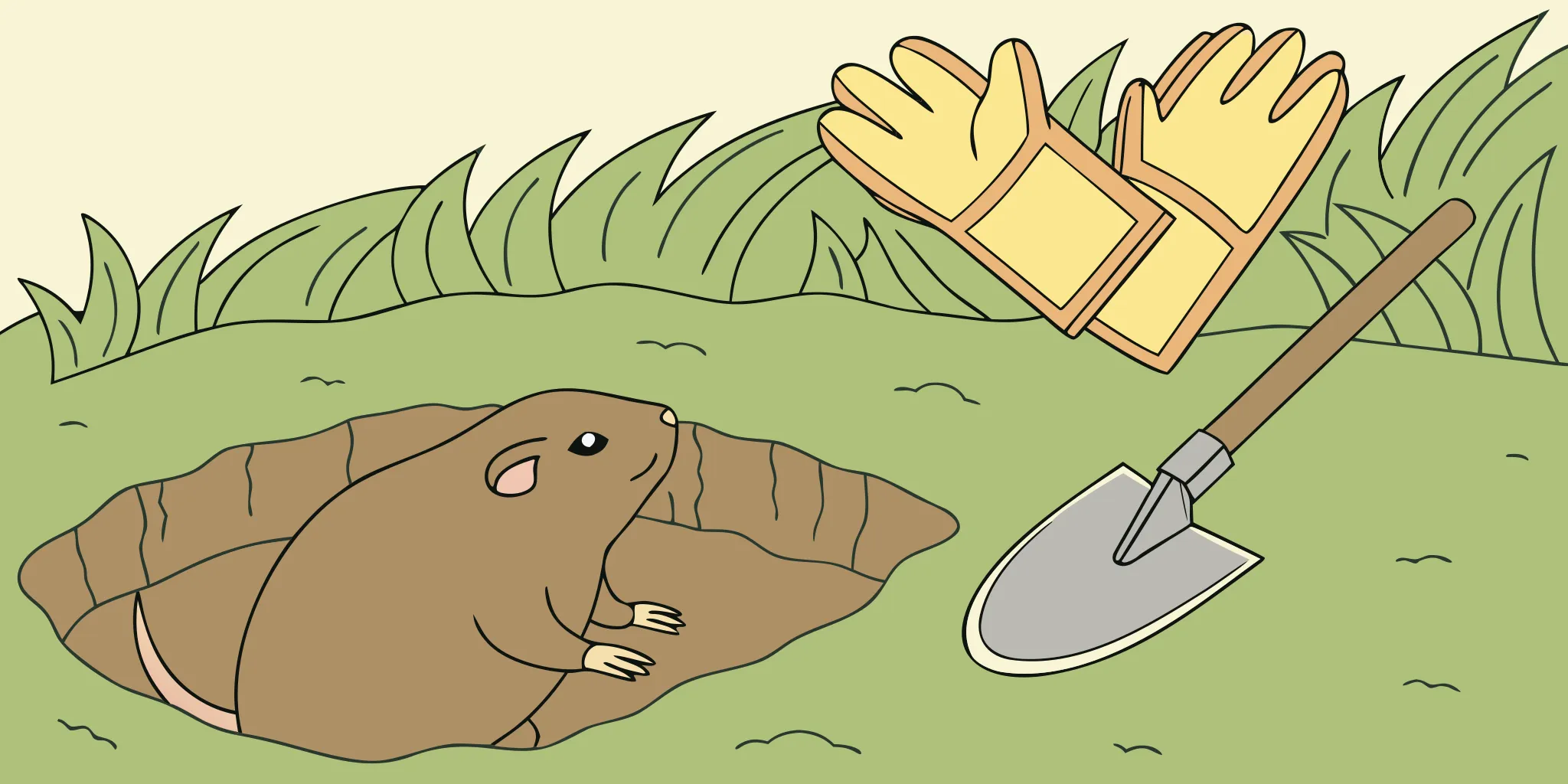
For properties with widespread gopher activity, the deluxe gopher kit gives you three traps, gloves, a tunnel clearing tool, and maintenance spray in a single package, making it easier to cover multiple active tunnels at once.
How do the two trap designs work?
The GopherHawk trap uses a probe and wedge system to reach the pest. You first use a tool to find the tunnel from above the ground. Once you find the spot, you push the wedge down to make a path. You then set the trap and drop it into the hole. A thin wire loop sits inside the tunnel and waits for the pest to pass through it.
This method allows for a quick setup with less digging. Because the trap stays above the ground, you do not have to open a large hole in your lawn. Many people like this way to find the best gopher traps for your lawn. But the thin wire loop may not always fit the shape of every tunnel.
The Cinch trap tunnel placement
The Cinch gopher trap works by going into the main tunnel. You must dig a small hole to reach the run and place the jaw of the trap inside. This direct placement gives you more confidence that the trap is in the right spot. The pest has to move through the jaws of the trap to clear its path.
One big design benefit is the wide end of the trap. This shape stops the pest from pulling the device deep into the ground. It is a key reason why many pros use these professional mole and gopher traps. By sitting in the tunnel, the trap works with the natural habits of the animal.
Installation and learning curves
Setting a gopher hawk trap involves a few steps from the surface. You must learn how to feel for the tunnel with a probe. If the probe misses the center of the run, the wire loop might not trigger. This can lead to missed catches even if the pest is active in the area.
Cinch traps have a simple 4-step setup that is easy to learn. While you do have to dig, the process is clear and direct. You can see the tunnel and know where the trap sits. This removes the guesswork found with surface tools. Gophers are solitary pests that live in these tunnels, so hitting the target is key.
Catching and animal habits
The success of either trap depends on locating an active main run and positioning the trigger where the gopher will encounter it. Pocket gophers are territorial, spend most of their time underground, and often plug openings in their tunnel system. Choose a trap you can place accurately and check regularly in real-world soil conditions.
Studies show that trapping is a useful and effective tool for managing gophers on your land. The Cinch design has been tested and validated by five major schools. This gives it a level of proof that many newer, light traps do not have. Both designs have their fans, but seeing the tunnel with your own eyes often leads to better results.
How to set a Cinch Gopher Trap in four steps
Setting a trap does not have to be hard. While some tools like the gopher hawk trap use a vertical style, the Cinch trap goes into the gopher’s own path. This method uses the fact that gophers like to close open holes to keep out air and light. By using a trap that sits in the run, you can catch the pest fast without using bait.
Find an active tunnel
Success starts with finding where the pests are moving now. Look for fresh mounds of dirt on your grass. These mounds often look like a fan or a kidney. Since gophers live alone in their own tunnels, you only need to find one active spot to start. Use a probe or a long tool to poke the ground near a fresh mound. When the tool drops fast, you have found the main tunnel.
Open the gopher run
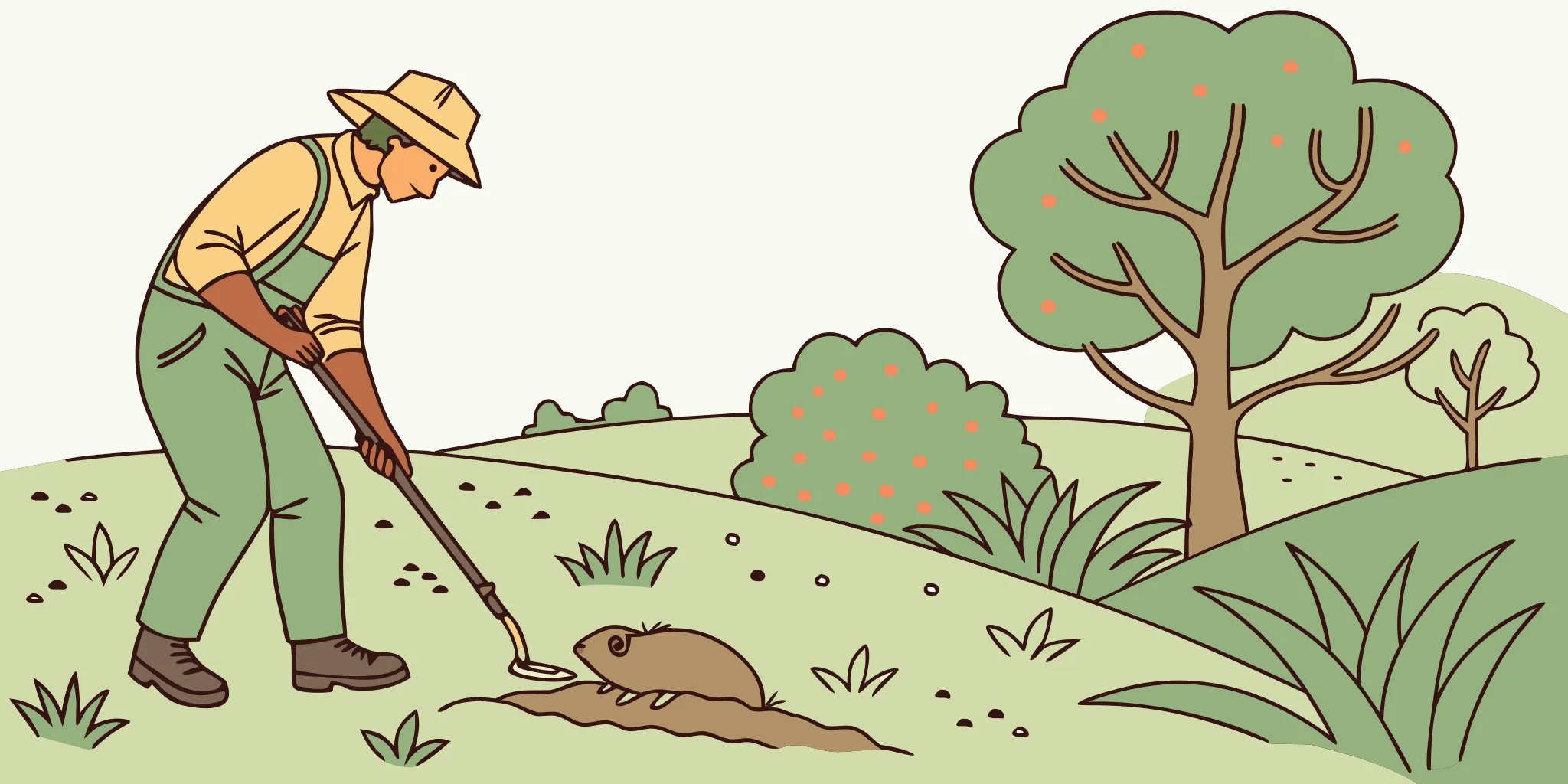
Once you find the run, you must open it up. Use a small shovel to dig a hole down to the tunnel floor. Clear out any loose dirt so the pest has a clear path. Since pocket gophers can move backwards in their runs, a clean opening helps the trap work best. Make sure the hole is just big enough for the trap to fit inside.
- Open the trap jaws. Pull back the firing ring and hold the jaws open. This part of the Cinch gopher trap is made of steel, so use firm pressure to lock it in place.
- Slide the trap into the run. Place the trap into the open tunnel. Make sure the jaws are inside the run and the trigger is set to trip when the gopher pushes dirt against it.
- Check the fit. The Cinch design has a wide end to stop pests from dragging the trap deep into the soil. Make sure the trap sits flat on the tunnel floor and does not wobble.
- Cover the hole lightly. You can leave the hole open to let in light, which draws the gopher to the spot. Some users cover the top with a piece of sod or a board to keep out pets.
Care for your trap
To keep your trap working well, you must take care of it. These traps are handmade in the USA for expert use, but they can rust if left in wet soil too long. After you catch a gopher, clean the trap with a brush. Apply a small amount of rust-stopping spray to the spring and trigger wire. This simple care makes sure your trap lasts for years and stays ready for the next time a pest appears in your yard.
Which trap is more effective for active gopher tunnels?
Choosing the best tool for pest control depends on how well it fits the animal’s habits. Many people look for a gopher hawk trap because of its new look, but true wins come from how a trap works inside the soil. Trapping is a very useful way to stop gopher harm when you use the right ways. You must match your pick to the form of the active tunnel for the best end.
Find the main run
Gophers are alone pests that live and work in big tunnel sets. They use their tails to feel their way back through these dark paths. To catch them, you must find a main tunnel that is now in use. According to local pest control guides, finding the right tunnel is the first step for any trap. You can look for these signs to find a good spot:
- Fresh mounds of dark, moist soil
- Plugged holes that have not been rained on
- New damage to garden plants or roots
- Hollow spots in the ground when you use a probe
Once you find the right spot, the trap needs to stay in place. One big problem with some light traps is that the animal can drag them into the hole. The Cinch gopher trap has a wide end to stop this. This form keeps the tool firm so it can do its job without moving. Professional mole and gopher traps often use these heavy-duty parts to ensure they stay set.
Design and research proof
Success rates often depend on the real form of the trigger. School research from places like Oregon State shows that some sets work better than others. Cinch is the only brand that has been proven good by five major schools. While a gopher hawk trap may seem easy to set, school studies often favor tools with a long past of results. You want a trap that can handle the force of a moving gopher without failing.
The parts used in the trap also matter for long-term use. Professional traps made in the USA often use high-grade steel that lasts for years. This is why the best tools for your lawn are often a better value than cheap plastic picks. Proper care, like using a rust spray, helps these tools stay sharp and fast. A fast trigger is key because gophers move fast and can feel changes in their path.
Monitor your success
The best trap is the one that you check and keep up. Experts have used these tools to catch over 500 gophers in just a few months. This shows that the tool works well when the user follows a simple setup. As seen in research from the University of California, ways that help trapping wins are always in high demand. Checking your sets twice a day is a good way to see if your spot is right.
Soil type can also change how well a trap works. Dry or sandy soil may cave in, while wet clay can be too heavy for some triggers. A strong spring and a clear path are needed for the trap to fire. Pocket gophers are very active in the spring and fall, so that is the best time to set your traps. By following proven ways, you can learn to place your traps where the gopher is most likely to find them.
Are you trapping a mole or a pocket gopher?
You walk out to your yard and see a pile of fresh dirt. Your first thought is to get rid of the pest fast. But before you buy a trap, you must know what is digging. Moles and gophers are not the same. They eat other foods and dig in other ways. If you use a gopher hawk trap for a mole, you may not get the results you want. Each pest needs the right tool and the right setup to work well.
Look at the shape of the mound
The best way to tell them apart is to look at the dirt piles. A mole mound looks like a small cone. It is round and the hole is right in the middle. Moles spend most of their time in the ground looking for worms and grubs. They do not eat your plants, but their runs can ruin your lawn. They push dirt straight up as they dig. This creates that neat, round pile.
A gopher mound looks more like a fan or a half-moon. The hole is off to one side. It usually has a dirt plug to keep light out. Pocket gophers are pests that live alone in large tunnel systems. They eat roots and bulbs. This can kill your garden in just a few days. Finding the plug and the main run is the first step to a good catch.
Pick the best trap size for the job
Once you know which pest is in your yard, you need the right gear. Moles are small and have thin runs. Gophers are larger and need more space. Cinch makes professional mole and gopher traps in many sizes to match these needs. If a trap is too big, it will not fit in a mole hole. If it is too small, a big gopher might get away. It could also trip the wire without being caught.
The Cinch gopher trap has a special wide end. This stops the animal from pulling the trap deep into the dark hole. Some new tools, like the gopher hawk trap, use a tall design that you set from above. Cinch traps are not the same because they go right into the tunnel floor. This puts the jaw right where the pest moves. This design has been a top choice for over 100 years.
Why the trap setup matters
How you set your trap is just as vital as the tool you choose. Gophers are smart and have a strong sense of smell. They like to stay safe in their deep nests. Some of these nests can be six feet deep in the earth. To catch them, you must find the main run where they travel every day. You should look for fresh dirt to find the most active part of the hole.
When you use a Cinch trap, you slide the metal jaw into the open run. It stays flat on the dirt floor. This is a big change from the gopher hawk trap style. That style uses a probe to find the run and then drops a tall trap down. Both tools can work well. But the Cinch design is made to last a lifetime. It is made of heavy steel. It can handle wet soil and tough roots without breaking. This makes it a great choice for people who want a tool that works every time.
Which gopher trap should you choose?
Choosing the right tool for gopher control depends on your needs and land type. While newer items like the gopher hawk trap focus on small holes in the grass, many find that best gopher traps for your lawn need a direct path to the tunnel. For owners with a small yard, the ease of a probe and tall set may seem helpful. But for large fields or work use, a trap that stays in place is key.
Traps for home yards
If you have a small garden or lawn, you might want a tool that is easy to set fast. Some new traps use a tall shape that sits above the soil. This can help if you want to avoid digging a large hole in your grass. But gophers are solo pests that live in deep tunnels, as noted by the University of California. Because they move often in their dens, a trap that sits in their path gets better results than one that waits for them to walk by.
A simple setup is vital for folks who handle their own pest tasks. The Cinch gopher trap has a simple 4-step setup. It lets you place the tool right into the tunnel where gophers spend most of their time. This spot is a proven way to stop gophers that can eat up to 60 percent of their body weight each day. By placing the trap where the gopher moves, you raise your odds of a catch without complex gear.
Tools for farms and work
For plant nurseries and farmers, the cost and life of a trap matter most. Experts often need to set many traps at once to cover a big area. Cinch single traps cost $24.99. This is about 32 percent less than the $32.95 price for one gopher hawk trap. When you buy many for a large farm or firm, these gains add up fast. A lower price makes it easy to grow your pest control work across many acres of land.
Strength is another big factor for high-use owners. Pro pest teams report catching over 500 gophers with Cinch traps in a few months. These traps are made by hand in the USA with tough parts meant to last for years. While light new traps might be easy to carry, a big gopher can pull them deep into the tunnel. The wide end of the Cinch trap helps keep it in place so you do not lose your gear under the ground.
Long term value and trust
When you buy a gopher trap, you want a tool that will work for a long time. Cinch has a lifetime promise that covers broken springs. This makes it a top choice for those who value tools that stay in the family or firm. Trapping is a very good way to stop gophers when done with the right gear. Work from UC Davis shows that trapping is a key tool for stopping gopher damage.
To keep your traps in top shape, use a rust spray as part of your care. This simple step helps pro gear last much longer than cheap plastic. While some brands focus on “new” looks, Cinch uses 116 years of work and proof from five large schools. For buyers who want a tool proven by both science and time, a classic metal trap often gives the best long-term value.
Frequently Asked Questions
What is the difference between a Gopher Hawk trap and the Cinch Gopher Trap?
The main difference is how each trap is installed. GopherHawk uses a vertical snare-style mechanism placed through a small opening. The Cinch Gopher Trap uses a jaw-style design placed directly in an opened tunnel. Both brands state that their products are made in the USA, while Cinch specifically handcrafts its galvanized-steel traps in Oregon.
Is the Gopher Hawk trap effective for moles?
The GopherHawk trap is built for both gophers and moles. It uses a snare that catches pests as they move through tunnels. While it can work for both, using a trap made for one pest is often best. The Cinch mole trap is built for the small, tight tunnels that moles dig. According to major schools, using the right tool for the job makes pest control work much better.
Does a Gopher Hawk trap set come with a wedge and probe tool?
Yes, the GopherHawk trap set comes with a probe and a wedge tool. The probe helps you find the tunnel, and the wedge opens a hole for the trap. These tools are made of plastic and are part of the kit. Cinch traps are different because they are made of heavy-duty steel. While Cinch traps do not come with plastic tools, the metal build is made to last for many years.
Where to buy a Gopher Hawk trap?
You can buy a GopherHawk trap at big stores like Home Depot or Ace Hardware. They are also sold on Amazon and other web sites. If you want a trap made in the USA that costs less, you can get a Cinch trap. Cinch traps cost about 32 percent less than the GopherHawk. They also come with a lifetime promise that covers main metal parts like the springs.
Ready to shop for the best gopher traps for your yard?
If you wait to act, gophers can destroy your whole yard in just a few days. Leaving these pests alone will lead to more holes and dead grass that costs a lot of money to fix. Starting your control plan now stops the tunnels from spreading and saves your lawn from more harm. You can find the best gopher traps for your lawn here to get the job done right. Do not let your yard suffer more damage when you can stop it today with a simple choice. It is a lot more simple to catch one gopher now than to deal with a big group later. Each day you wait gives them more time to dig deeper and ruin your grass. Acting fast is the best way to keep your garden green.
Ready to choose your traps? Shop the full Cinch Gopher Trap selection.