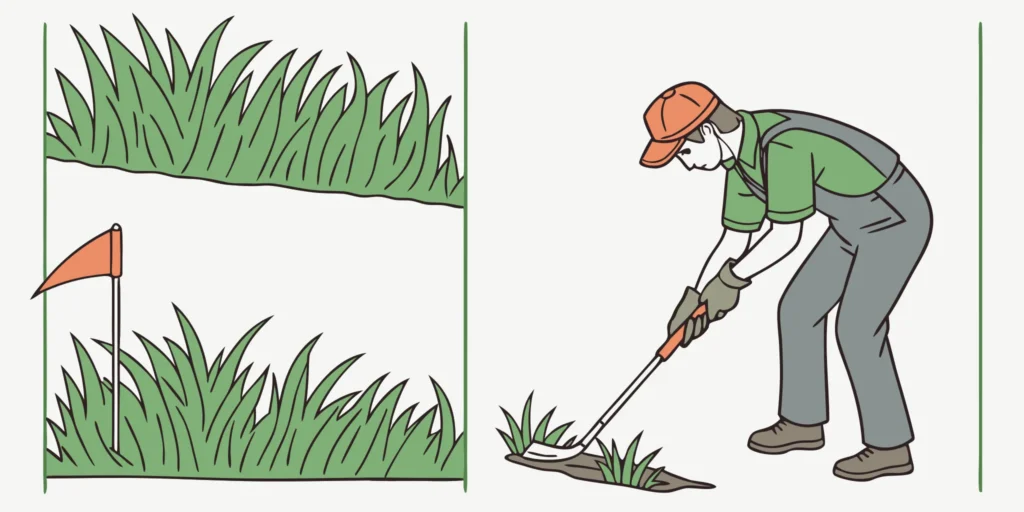
Gopher trapping is a bit like being a detective. The gophers leave clues all over your yard, and your job is to read the signs to figure out their next move. Finding a fresh mound is just the first step; the real secret to success lies in understanding their underground network. Instead of randomly digging, you can learn to pinpoint their main travel routes with just a few simple techniques. This guide will show you how to think like a gopher, find their most active tunnels, and master the final piece of the puzzle: how to set a trap in a gopher tunnel effectively. It’s a skill that will help you protect your property for years to come.
Key Takeaways
- Focus on Fresh Activity: Your success depends on trap placement. Always look for the newest mounds with dark, moist soil, then use a probe to find the main tunnel, which is the gopher’s primary travel route.
- Master the Setup: For the best results, place two traps facing opposite directions inside the main runway. Cover the opening completely to block all light and air, and always tether your traps to a stake to prevent them from being lost.
- Know When to Move On: Check your traps every 24 to 48 hours. If you haven’t caught anything within two days, don’t wait longer; move the trap to a new location with fresh signs of gopher activity.
Gather Your Gopher Trapping Gear
Before you can get to work, you need to assemble the right toolkit. Having everything on hand before you start digging will make the process much smoother and more efficient. Think of it like cooking: you wouldn’t start a recipe without getting your ingredients out first. The same principle applies here. Your goal is to find the gopher’s main tunnel and set your traps with minimal disturbance, and the right gear makes that possible.
You don’t need a truck full of professional equipment, just a few key items. A good pair of traps, a tool for digging, and something to probe the ground are the basics. We’ll also cover some simple safety gear to protect your hands. Getting organized now means you can act quickly and decisively once you find an active gopher mound, which is exactly what you want for the best results. When you’re out in the yard, the last thing you want is to realize you left your trowel in the garage. Running back and forth wastes time and can cause you to lose the spot you just found. This preparation sets you up for a successful trapping session and turns a potentially frustrating task into a straightforward project.
Essential Tools
Your gopher trapping toolkit is pretty straightforward. First and foremost, you’ll need effective gopher traps. The University of California’s research on pest management notes that trap selection and placement are critical for success, so choosing a reliable trap is your most important step. You’ll also need a small shovel or garden trowel to carefully excavate the tunnel opening. A long screwdriver or a dedicated soil probe is also essential for locating the main runway without having to dig up your entire yard. Finally, a pair of flags or markers can help you remember where you’ve set your traps.
The Cinch Trap Advantage
When it comes to traps, quality matters. Cinch Traps are a smart investment because they can be used over and over for years. While there’s an upfront cost, they don’t get used up like baits or poisons do, making them a more sustainable and cost-effective solution in the long run. Our traps are handmade in Oregon from durable, galvanized steel and come with a lifetime warranty, so you can trust they’ll hold up season after season. Their simple, powerful design is proven to be effective, which is why they’re a top choice for gardeners and professionals alike. You can see exactly how it works and why the design is so reliable.
If you’re equipping yourself for the first time, the ready-to-use gopher trap kit includes everything above — traps, digger, gloves, flags, and more — in one package.
Important Safety Equipment
Safety should always be top of mind when handling any kind of trap. The most important piece of safety equipment is a good pair of sturdy work or gardening gloves. Gloves will protect your hands from dirt and potential scrapes while you’re digging, but they also serve another purpose: they help mask your human scent, which can make gophers wary of a trap. While Cinch Traps are designed to be user-friendly with a clear setup process, wearing gloves provides an extra layer of protection for your fingers when setting the mechanism. You’re working with a powerful spring, so it’s always best to be cautious.
How to Find an Active Gopher Tunnel
Setting a gopher trap is all about location. Placing your trap in an old, abandoned tunnel is a surefire way to get frustrated and see no results. The key is to find a tunnel that a gopher is currently using for its daily travels. Think of it like setting up a roadblock on a busy highway instead of a deserted side street. Gophers are creatures of habit, and they will almost always return to repair an open tunnel, which is exactly what you want them to do. This instinct is what makes trapping so effective when done correctly.
By identifying a fresh mound and probing for the main runway, you can pinpoint the perfect spot to set your trap for quick success. It takes a little detective work, but these simple steps will show you exactly where to focus your efforts and ensure you’re not just wasting your time. This is the most critical part of the process, and getting it right makes all the difference between an empty yard and an empty trap. We’ll walk you through how to read the signs gophers leave behind so you can confidently find their active tunnels every single time. It’s a skill that’s easy to learn and will pay off with every gopher you catch.
Spot Fresh Gopher Mounds
The most obvious sign of gophers is the classic dirt mound they leave behind. These mounds appear when gophers dig their tunnels and push the excess soil to the surface. Your first task is to find the freshest mound in the bunch. A fresh mound will have dark, moist soil and a distinct, fan-like shape. You’ll also notice a plug of dirt off to one side, which is where the gopher sealed the tunnel entrance. Older mounds look dry, flattened, and may even have weeds growing on them. Focus your attention on the newest-looking mounds, as these are your best indicators of recent gopher activity. For more details on gopher habits, our FAQs page has plenty of information.
Test Tunnels for Activity
Once you’ve identified a fresh mound, it’s time to confirm there’s an active tunnel below. You’ll need a probe for this, which can be a long screwdriver, a thin metal rod, or one of our purpose-built trap accessories. Start probing the ground a few inches away from the dirt plug on the side of the mound. Gently push the probe into the soil every two to four inches. You’re looking for a sudden drop or a feeling of the probe giving way. When you feel that drop, you’ve found the tunnel! This simple test confirms you’ve located an open passageway and not just a patch of soft dirt, putting you one step closer to setting your trap.
Locate the Main Runway
Gopher mounds are connected to the main tunnel system by smaller, lateral tunnels. While you can set a trap in a lateral tunnel, your chances of success are much higher in the main runway. This is the gopher’s primary highway. After you’ve found the tunnel with your probe, carefully dig down to expose it. The main runway is typically straight and runs in two directions. You’ll want to clear the opening just enough to fit your traps inside. The goal is to place two gopher traps, one facing each direction of the tunnel, to catch the gopher no matter which way it approaches. This two-trap method dramatically increases your odds of a successful catch.
How to Set a Gopher Trap, Step-by-Step
You’ve located an active tunnel, and now it’s time for the main event. Setting your trap correctly is the most critical part of the process, but it’s simpler than it sounds. The key is to work carefully and place the trap so it becomes a natural part of the gopher’s runway. Gophers are creatures of habit and tend to follow their established paths. When they encounter a blockage, their instinct is to push the dirt out of the way. A well-placed trap uses this behavior to its advantage. Our gopher traps are designed for exactly this scenario, triggering when the gopher pushes against the dirt-covered plate. Let’s walk through the exact steps to get your trap set for success.
Expose the Tunnel Opening
First, you need to create a clean opening into the gopher’s tunnel. Start at a fresh, fan-shaped mound of dirt. The tunnel entrance is usually located on the flat side of the fan where the plug is. Using a small trowel or shovel, carefully dig away the soil plug that the gopher used to seal its tunnel. You want to create an opening just large enough to slide the trap inside without disturbing the surrounding area too much. The goal is to make it look like a natural cave-in that the gopher will want to investigate and repair. Clear any loose dirt from the opening so the trap’s mechanism has room to operate freely.
Place the Trap Correctly
How you place the trap depends on whether you’ve found a lateral tunnel or the main runway. For a lateral tunnel, which is the short path leading to a mound, one trap is usually sufficient. For the main runway, it’s best to place two traps, one facing in each direction, to double your chances of a catch. Slide the set trap into the opening, making sure it’s snug against the tunnel floor with the jaws facing into the tunnel. The idea is for the gopher to run directly into it. You can see a detailed visual of this on our How It Works page. Pack a little loose dirt around the edges of the trap to create a good seal and block out light.
Use Multiple Traps for Best Results
While you can catch a gopher with a single trap, your odds improve dramatically when you use several. A gopher’s tunnel system can be extensive, and setting traps in multiple active locations covers more ground. Research shows that setting traps along the perimeter of a property can prevent a majority of gophers from even entering the area. If you’re dealing with a large yard or a persistent family of gophers, placing traps in a few different main runways is the most effective strategy. This approach saves you time and helps you get control of the problem much faster.
How to Secure and Check Your Traps
Setting your trap is a great first step, but the work isn’t quite done. To make sure your efforts pay off, you need to secure your trap properly and check it regularly. This follow-through is what separates a successful trapping session from a frustrating one. It ensures your trap stays put, gives you timely feedback on your placement, and ultimately helps you catch that pesky gopher.
Tether Your Traps to Avoid Losing Them
Imagine setting the perfect trap, only to come back and find it completely gone. It happens more often than you’d think. Other animals, like coyotes, raccoons, or even a neighborhood dog, can get curious and drag your trap away, along with your catch. To prevent this, always tether your gopher traps to a stake. Simply tie a sturdy wire or chain from the trap to a stake pushed firmly into the ground nearby. This simple step keeps your trap exactly where you left it and ensures you don’t lose your valuable equipment.
Create a Schedule for Checking Traps
Consistency is your best friend in gopher trapping. Make it a habit to check your traps every 24 to 48 hours. This regular schedule allows you to quickly see if you’ve had a successful catch and dispose of the gopher promptly. It also helps you identify if a trap isn’t working in its current spot so you can make adjustments sooner rather than later. Set a reminder on your phone or just make it part of your morning routine. Sticking to a schedule will make the whole process more efficient and effective.
What to Look For During Inspections
When you check your traps, you’re looking for a few key things. The best-case scenario is a triggered trap with a gopher. If a trap is triggered but empty, the gopher may have just pushed dirt into it. Another common issue is finding the trap completely buried, which means the gopher plugged the tunnel. In either of these cases, or if a trap has been sitting untouched for two days, it’s time to move it to a new, more active tunnel. Gophers can become wary of traps they’ve encountered before, so moving to a fresh location gives you a better shot at success.
Should You Use Bait in Your Gopher Trap?
It’s a common question we hear: should you add bait to your gopher trap? While our Cinch Traps are designed to work effectively without it, a little bait can sometimes be the key to outsmarting a particularly tricky gopher. The trick is knowing when to use it and what to offer. Think of bait as an extra tool in your arsenal, perfect for specific situations rather than a requirement for every setup. When used correctly, it can speed up the process and help you catch even the most cautious pests.
When to Use Bait (and When Not To)
For the most part, a well-placed gopher trap in an active tunnel is all you need for success. However, if you suspect you’re dealing with an older, more cautious gopher that has avoided traps before, bait can make a real difference. This is especially true in warmer weather when gophers can be more wary. If you decide to use bait, a small amount is all you need. Try adding about a quarter teaspoon of peanut butter just behind the trap’s trigger mechanism. This encourages the gopher to move all the way through the trap to get the treat, ensuring a successful catch.
The Most Effective Bait Options
Since gophers are herbivores, the best bait comes straight from the garden. They are naturally drawn to plant materials, so using their favorite foods against them is a smart strategy. Some of the most effective options include fresh alfalfa, dandelion greens, carrots, and even flower bulbs. You can also try aromatic plants like onions or garlic to get their attention. For the best results, pair your chosen bait with a properly covered trap. This combination helps catch those clever gophers that might hesitate to enter an open, unfamiliar object in their tunnel. You can see the complete setup in our how-it-works guide.
Tips for a More Successful Trap
You’ve found the active tunnel and set your trap. So, what’s next? While our gopher traps are designed for straightforward success, a few extra strategies can make all the difference, especially when you’re dealing with a particularly clever gopher. Think of these tips as the pro-level details that turn a good attempt into a guaranteed catch. It’s not about working harder; it’s about working smarter by getting inside the mind of your unwanted garden guest.
Sometimes, the smallest adjustments to your technique can lead to much faster and more consistent results. It really comes down to understanding how gophers think and behave. They are creatures of habit, and they are very sensitive to anything that seems out of place in their dark, underground world. A sudden draft of air or a beam of light is an immediate red flag for them. By learning to anticipate their reactions and making your trap setup seem like a natural part of their tunnel, you significantly increase your odds. These next few tips will help you do just that, turning your good trapping plan into a great one and getting you one step closer to reclaiming your yard for good.
Cover Your Traps for Better Results
Gophers are sensitive to changes in their environment, like drafts and light filtering into their dark tunnels. Covering your trap after setting it can make a huge difference. By blocking the opening with a piece of plywood, a bucket, or a large stone, you recreate the natural darkness of the tunnel. This simple step prevents light and air from alerting the gopher that something is amiss, making them more likely to enter the trap without suspicion. It’s especially useful for older, wiser gophers who have learned to be cautious. You can also pack loose dirt around the edges of your cover to create a better seal and make the setup feel completely natural to the approaching pest.
Time Your Placement for Peak Activity
Setting a trap in an old, abandoned tunnel is a common mistake. To make sure you’re in the right spot, you need to find where the gophers are working right now. The easiest way to do this is to play detective. Take a rake and flatten all the existing mounds in your yard. Wait a day or two, then go back and look for fresh piles of dirt. These new mounds are your hotspots. They signal an active runway just below the surface and are the perfect places to set your traps. This little bit of prep work ensures your trap is waiting in a high-traffic area, dramatically increasing your odds of a quick catch. You can learn more about placement in our how-to guide.
Place Traps During Active Seasons
A common question we get is, “When is the best time of year to trap gophers?” The simple answer is: anytime you see fresh activity. Gophers don’t hibernate, so you can successfully trap them year-round. However, their behavior does change with the seasons. You’ll likely see the most surface activity, and therefore the most mounds, during the spring and fall when the soil is moist and easy to dig. During the heat of summer or the cold of winter, they tend to dig in deeper tunnels. Don’t let a lack of new mounds discourage you in these seasons. If you can locate a main runway, your traps will be just as effective. The key is to be persistent and place traps whenever you spot fresh signs of digging.
Common Gopher Trapping Mistakes to Avoid
Setting a gopher trap can feel straightforward, but a few common slip-ups can lead to an empty trap and a yard full of fresh mounds. It’s frustrating when you feel like you’ve done everything right, only to come up empty-handed. The good news is that these mistakes are easy to fix. By paying attention to a few key details, you can significantly improve your success rate and reclaim your lawn from these persistent pests. Let’s walk through the most frequent errors so you can avoid them from the start and get the job done effectively.
Avoid These Placement Errors
Where you place your trap is just as critical as which trap you choose. A perfectly set trap in the wrong spot won’t catch anything. One of the biggest mistakes is setting traps in the shallow, winding feeder tunnels instead of the main runway. Gophers use these main tunnels as their primary highways, traveling back and forth frequently. As researchers at the University of California have noted, proper trap placement is a vital part of a successful trapping strategy. To find the main runway, look for a straight line between two fresh mounds. Probing the ground between them will help you locate this deeper, more active tunnel, which is the ideal spot for your gopher traps.
Don’t Ignore Fresh Activity
Gophers are constantly digging, which means not all mounds are created equal. Setting a trap in an old, abandoned tunnel system is a waste of time. You want to focus your efforts where the gopher is currently active. Fresh mounds are your best clue; they have dark, moist soil and a visible plug. A great tip from New Mexico State University is to level old mounds with a rake and check back a day or two later for new ones. This simple test confirms exactly where the gopher is working. Placing your traps in these newly active tunnels ensures you’re setting up right where the gopher is guaranteed to return, making a catch much more likely.
Forgetting to Secure Your Traps
Imagine checking your trap only to find it completely gone. It happens more often than you’d think. Predators like coyotes, owls, or even neighborhood dogs can be attracted to a trapped gopher and may try to carry it off, taking your trap along with it. This is why securing your traps is a non-negotiable step. Always use a stake and a tether wire or strong cord to anchor your trap to the ground. This simple action prevents you from losing your valuable equipment and makes it easier to locate and check your traps. Our durable, American-made Cinch Traps are built for a lifetime of use, so you’ll want to make sure they stay put.
When to Move or Reset Your Traps
Patience is a virtue in gopher trapping, but you also need to know when to change your strategy. A trap that sits in the same spot for too long without a catch isn’t doing you any good. Gophers are smart and can sometimes detect and avoid a trap. Recognizing the signs that it’s time to move your trap is just as important as setting it correctly in the first place. A simple adjustment in location can make all the difference between a frustrating week and a gopher-free yard.
Signs It’s Time to Find a New Spot
The golden rule is to check your traps every 24 to 48 hours. If you haven’t caught anything within two days, it’s time to find a new location. Gophers are creatures of habit, but they can also be wary. They might have detected the trap and sealed off that part of the tunnel, or simply buried it in the dirt. Leaving a trap in an unproductive spot won’t increase your chances of success. Instead, take it as a sign that the gopher has outsmarted your current placement, and it’s time for you to make the next move.
How to Choose a New Location
When relocating your trap, always look for the freshest signs of activity. Fresh gopher mounds will have dark, moist soil, while older mounds will be dried out and flattened. A great way to pinpoint an active tunnel is to level all the existing mounds in an area with a rake. Wait a day or two and see which new mounds pop up. These are your prime targets. Placing your gopher traps in these newly active tunnels gives you the best shot at catching the pest while it’s working.
What to Do with an Empty, Triggered Trap
It can be confusing to find a trap that’s been triggered but is completely empty. This usually means the gopher pushed a pile of dirt ahead of itself as it moved through the tunnel, setting off the trap without ever getting caught. Don’t just reset the trap in the exact same spot. The gopher is now aware of something unusual in that location and will likely avoid it. Your best bet is to pull the trap out and move it to a different active runway. You can find more answers to common trapping questions on our FAQs page.
How to Maintain Your Gopher Traps
A good gopher trap is an investment that should last for years. Unlike baits or poisons that you have to keep buying, a quality trap can be used season after season. But just like any good tool, it needs a little care to perform its best. Taking a few minutes to maintain your traps after you use them ensures they’ll be ready to go the next time a gopher decides to redesign your lawn. Proper maintenance keeps the mechanism working smoothly and extends the life of your traps, making your initial investment pay off for a long time.
Think of it this way: a well-maintained trap is a reliable partner in protecting your yard. When it’s clean and in good working order, you can set it with confidence, knowing it’s ready to do its job effectively. A little bit of upkeep prevents the frustration of a failed set and helps you solve your gopher problem much faster.
Clean and Store Your Traps Properly
After you’ve caught a gopher, it’s a good idea to clean your trap before storing it or setting it again. A quick scrub with a stiff brush and water will remove any dirt, debris, or lingering scents that could make a new gopher wary. Once it’s clean and dry, store your trap in a shed, garage, or another dry place to prevent rust. Cinch Traps are made from galvanized steel to resist the elements, but keeping them out of the rain and mud when not in use is a simple step to ensure they last. Proper care is how you get the most out of your gopher traps and keep them working effectively for years.
Inspect Your Traps for Wear and Tear
Before setting a trap, give it a quick once-over. A trap with bent parts or a rusty spring won’t be as effective, so a simple inspection can save you a lot of time and frustration. Check that the trigger mechanism moves freely and that all parts are in good working order. If you’re unsure how it should look, reviewing the trap’s mechanism can be a helpful refresher. Because our traps are handmade in Oregon and backed by a lifetime warranty, they are built to be tough. Still, a quick check ensures every component is ready to spring into action, giving you the best chance of success every time you set it.
Related Articles
- Pocket Gopher Extermination: A Complete Guide
- General Overview of Gopher Trapping | Cinch Traps | The Best Mole & Gopher Trap
- How to Trap Gophers: A Step-by-Step Guide | Cinch Traps
- The Ultimate Galvanized Steel Gopher Trap Guide
Frequently Asked Questions
How can I be sure I have gophers and not moles? The easiest way to tell the difference is by looking at the dirt mounds. Gophers create fan-shaped or crescent-shaped mounds with a distinct dirt plug off to one side. Moles, on the other hand, leave behind conical, volcano-like mounds with the entrance hole right in the center. Gophers eat plants and roots, while moles primarily eat insects like grubs and earthworms.
How many traps should I use for my yard? For a typical residential yard, starting with two to four traps is a great strategy. The most effective method is to place two traps in a main runway, with one facing each direction. This doubles your chances of a catch. If you have a very large property or are dealing with a widespread gopher population, you may want to use more traps to cover multiple active areas at once.
My trap was triggered but it’s empty. What went wrong? This is a common situation, and it usually means the gopher pushed a wall of dirt ahead of itself, setting off the trap without getting caught. When this happens, don’t just reset the trap in the same spot. The gopher is now suspicious of that area. Your best move is to pull the trap and find a completely new, active tunnel to set it in.
Do I really need to cover the trap opening? Yes, this simple step makes a huge difference. Gophers live in a dark, sealed environment, so a sudden draft of air or a beam of light is an immediate warning sign for them. By covering the opening with a piece of wood or a bucket, you block that light and air. This makes the trap feel like a natural part of their tunnel, so they are much more likely to enter without hesitation.
What’s the best way to handle the gopher after a successful catch? First, always wear gloves when handling the trap and the animal. The most common and responsible method for disposal is to place the gopher in a sealed plastic bag and put it in your outdoor trash can. You can also choose to bury it in an unused part of your yard. We recommend checking your local city or county regulations for any specific guidelines on animal disposal.