
You're Dealing with a Mole Infestation
Based on your answers, the mound shape and surface activity clearly indicate active mole tunnels beneath your lawn.
Moles create shallow surface runways and volcano-shaped mounds while hunting insects and grubs. This pattern confirms underground feeding activity — not plant-root damage from gophers.

Recommended Solution for You
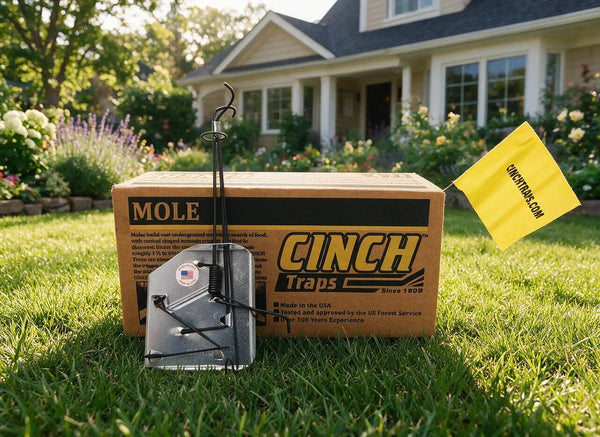
Cinch Mole Trap | Ranked #1 in University Studies
- Mole Box
- 1 Trap (C60-3CA)
- 1 Flag
- 1 Mole Brochure
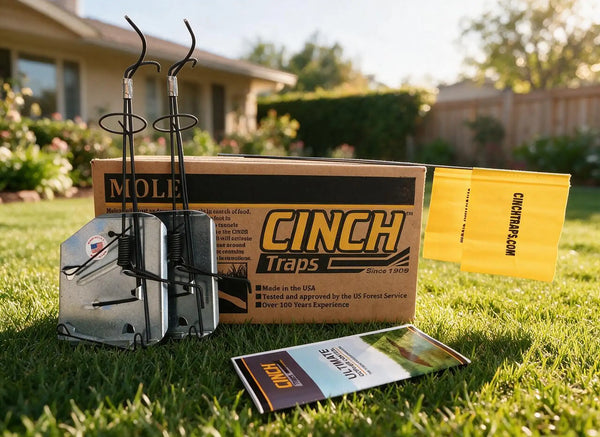

Deluxe Mole Kit
- Mole Box
- 2 Traps (C60-3CA)
- 2 Flags
- 1 Mole Brochure
- 1 Pair Gloves
- 1 Tunnel Tool
- 1 Maintenance Spray

Free Shipping with a Purchase of a Trap.
How Many Traps Do You Need?
Light (1–3 mounds)
→ 1 Trap minimum (2 recommended for faster results)Ideal for early-stage activity or a single active tunnel system. Using two traps increases the chance of intercepting movement in both directions.
Moderate (4–10 mounds)
→ 2–4 Traps recommendedMultiple mounds usually indicate several active runways. Placing traps in different sections of the tunnel system improves overall coverage and success rate.
Heavy (10+ mounds)
→ 4+ Traps for full coverageWidespread mound activity suggests an extensive tunnel network. Strategic placement across multiple zones ensures faster control and prevents re-infestation.
Which Size Do You Need?
CINCH sizes are set by the diameter of the tunnel, not the size of the animal. Measure across the tunnel where the trap will sit.
Small
1 1/4" x 1 1/2"Smaller moles and shallow surface runways — the usual choice east of the Rockies.
Medium
1 7/8" – 2 1/4"Mid-sized moles and established tunnel systems.
Large
3"Large moles such as Townsend's in the Pacific Northwest, which dig noticeably wider tunnels.
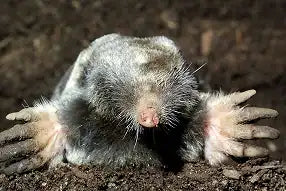
Most likely in your area
Broad-Footed Mole
California’s most common mole, found along the coast and into southern Oregon.
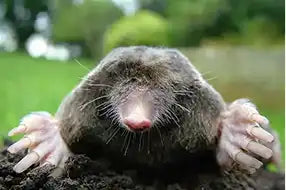
Most likely in your area
Coast Mole
A medium-sized Pacific Northwest mole that tunnels in everything from lawns to farmland.

Most likely in your area
Eastern Mole
The most widespread mole in the US, ranging across the eastern states west to Colorado and Wyoming.
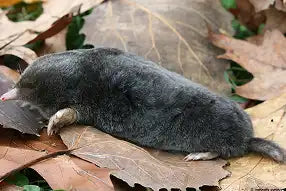
Most likely in your area
Hairy-Tailed Mole
A small Northeastern mole of well-drained soils, active by day as well as night.
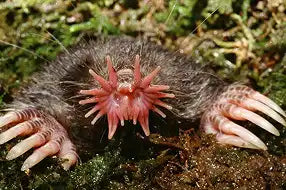
Most likely in your area
Star-Nosed Mole
Recognised by the ring of fleshy tentacles on its snout; favours wet, marshy ground in the Northeast.
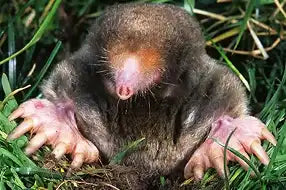
Most likely in your area
Townsend’s Mole
The largest mole in North America, common in Pacific Northwest lowlands and known for heavy soil mounds.
Why This Is Right For You?
Because you selected:
- Signs: —
- Location: California (CA-compliant product logic applied)
- User Type: Homeowner
- Severity: Moderate Activity (4–10 active mounds)
We recommend:


Why CINCH Works Better
Traditional traps fail due to poor positioning and weak trigger design. CINCH traps are engineered for direct runway activation.
Trusted by Professionals and Homeowners
Used across residential and professional settings, CINCH traps are relied on for consistent performance, durable construction, and straightforward deployment in real outdoor conditions.
 Reviews
100+ Years of Proven Performance
CINCH Traps have been trusted for generations.

Made in USA

Built for Durability

Backed by Expert Engineering
If it’s not stamped “CINCH,” it’s not the original.

Need Help Choosing the Right Trap?
Explore detailed guides, step-by-step instructions, and expert support to make the right decision with confidence.


