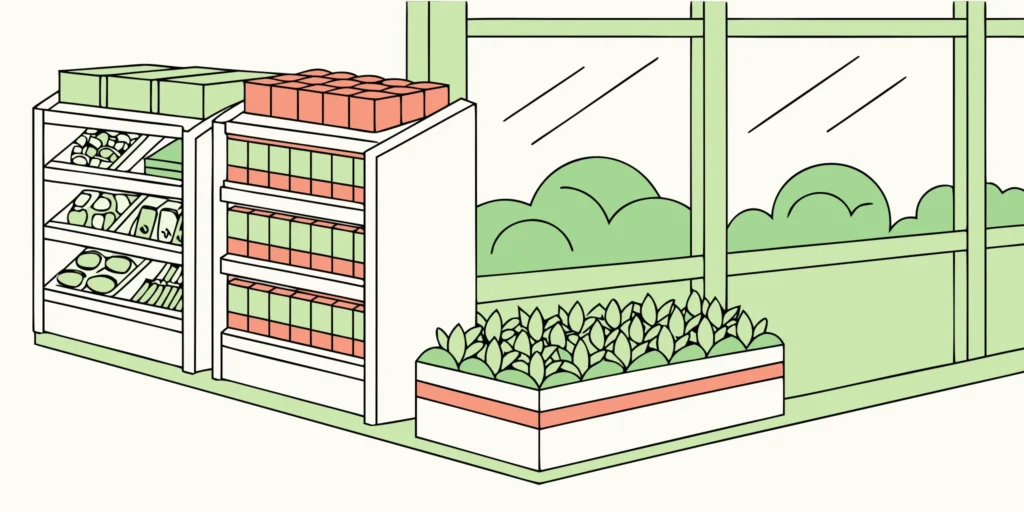
Effective mole control product merchandising requires more than just filling shelf space in a crowded lawn and garden aisle. It is about matching professional tools with the high-stakes needs of local homeowners and farm owners who want a 116-year legacy of proven performance.
Effective mole control product merchandising centers on smart shelf placement, seasonal timing, and clear facts that help shoppers act fast. When retailers place professional tools like Cinch Traps in high-traffic end-caps and lawn care aisles, they capture homeowners eager to protect their yards. Research from five major universities ranks Cinch Traps number one for catch speed and success rates. Clear shelf signs and QR-code setup videos help convert browsers into buyers by reducing purchase hesitation.
Ready to stock the most trusted mole trap on the market? Contact Cinch Traps today to become an authorized retail distributor and start capturing peak-season sales.
Learning how to display these tools well is the first step toward better sales and happier shoppers. In this guide, we cover why retailers should stock professional mole traps. Where to place them in-store, and how to use signage and staff training to close more sales.
Retailers who stock professional mole traps gain a trusted brand with century-old heritage. Third-party rankings from five universities and the USDA, and a non-toxic product that appeals to pet- and kid-conscious homeowners. The $24.99 price point fits easily into any garden-center transaction with strong margin potential.
Mole Control Product Merchandising: Why Retailers Should Stock Professional Traps
Moles cause visible lawn damage in more than 30 states. Homeowners and farmers look for tools that work fast to save their grass. A pro-grade trap with a $24.99 price is an easy add-on sale for any shop. High demand makes the most effective mole trap available a key item to stock on your shelves.
Proven performance and heritage
Cinch Traps has a 116-year legacy of proven performance since we started in 1909. Five major schools ranked our traps number one for catch speed and success. These schools include Oregon State and the University of Michigan. Experts agree that trapping is the most reliable way to manage pests in a yard.
The USDA National Wildlife Research Center also tested our metal tools. They named the Cinch Trap the all-around best performer in their study. Retailers can use these facts to build trust with local buyers. Research from the University of Nebraska-Lincoln Extension shows that traps provide the best results for mole control.
Our traps have been a top choice for farmers for over a century. This deep history means your customers are often already looking for our brand. If it is not stamped with the Cinch name, it is not the original trap. This brand trust leads to more sales and happy gardeners in your area.
Five independent university studies plus the USDA National Wildlife Research Center rank Cinch Traps as the top-performing mole control tool. The all-metal, handcrafted-in-Oregon design uses no toxic baits or poisons, making it one of the safest choices for homes with pets and children.
Safe and poison free solutions
Modern buyers want to avoid harsh toxins in their yards. Our traps are 100% mechanical and use no poison or bait. This makes them a safe choice for homes with pets or small kids. You can sell these traps as a green way to handle pests without any health risk.
The mechanical design also lets users check for a catch from afar. The bright yellow flags and outside trigger arm mean no one has to touch the animal. This ease of use keeps customers coming back to your shop for more gear. Chemical-free tools are a huge part of mole control product merchandising for retail shops.
American made quality and trust
We make every trap by hand in Oregon using strong American steel. This heavy-duty build helps the traps last for many years of outdoor use. We offer a lifetime warranty on all our traps to prove their value. This warranty covers broken parts and springs to give your buyers peace of mind.
Key takeaway: Stocking a heritage brand shows your customers that you value high quality. Pro-grade tools help you stand out from big box stores that sell cheap plastic. When you provide a tool that works, you earn the trust of serious lawn pros who return for all their pest control needs.
Become a Cinch Traps distributor today and offer your customers the trap ranked #1 by five universities. Request your wholesale master case now.
How Should You Place Mole Control Products In-Store?
High sales start with smart placement. You should put traps where customers naturally walk, not hidden in a back aisle. The main lawn-and-garden section is the best spot. Most shoppers will see them while they look for grass seed or soil.
Place mole traps at eye level in the main lawn-and-garden aisle, on seasonal end-caps near spring lawn products, and at checkout counters for impulse buys. The bright yellow Cinch flag packaging naturally draws the eye. Group traps with related items like soil, seed, and repellents to encourage multi-product purchases.
- End-caps near spring seeding displays , customers buying seed already have lawn damage on their mind
- Eye-level shelf placement in the garden center , not the bottom shelf, not a dark corner
- Small impulse displays near checkout , a single trap or trigger wire set catches waiting customers
- Cross-merchandised with repellents and soil , shows trapping as the next logical step when repellents fail
High Traffic Placement Strategies
Selling mole traps starts with clear sight lines in your shop. Do not hide these tools in the back of the store. Keep them at eye level in your garden center. This helps people find them fast when they have a pest problem. You want your customers to see the bright yellow flags that come with each kit. These flags act as a signal that your store has the right solution.
You can also group items to grow your total sales. Put traps next to lawn care items and repellents. This shows people that trapping is the next step for better lawn health. When they see that castor oil or bait is not enough, they will reach for an expert tool. This approach helps you sell more per visit and solves the customer’s problem in one trip.
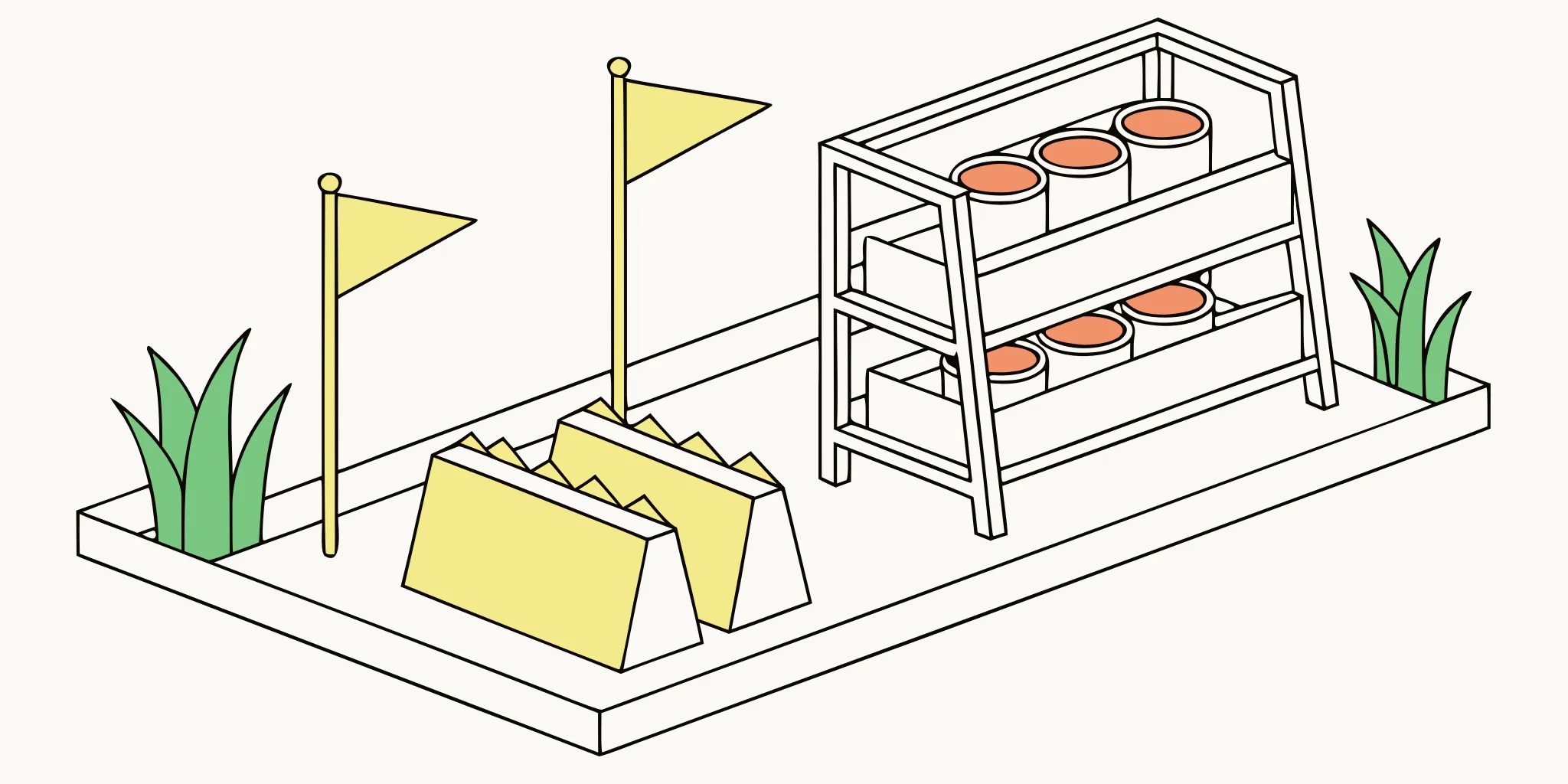
Bulk Inventory and Expert Kits
Your store needs the right product mix to meet local demand. Cinch Traps offers several ways to stock your retail shelves:
- Master case (15 kits) , ideal for starter inventory or small garden centers
- Bulk box (25 traps) , best for stores with high spring turnover and expert users
- Two-trap kits , most customers need at least two traps to cover a mole network
- Add-on accessory displays , tunnel tools, trigger wires, and maintenance spray
Having enough stock prevents lost sales when pests are most active. Busy stores often restock shelves multiple times per week during peak months.
Sell More with Add-On Tools
Adding small tools to your display can help you make more money. Do not just sell the traps. Stock the tunnel clearing tools and maintenance sprays as well. These items help the traps last a long time and help users get better results. You can find these items in the Cinch Traps’ complete product catalog online.
Make sure your staff knows how the kits work. A kit with two traps is often better than a single trap for most yards. It lets the user cover more ground at once. This expert advice builds trust with your shoppers and turns your store into a local leader for pest control.
How Can Educational Signage and Staff Knowledge Drive Sales?
Most customers who walk into your store for pest help are frustrated. They have seen fresh mounds in their yard and want a quick fix. By using clear signs and trained staff, you can turn their doubt into a sale. Teaching builds trust in both the product and your store.
Use shelf signs with QR codes linking to setup videos, display the in-box training guide. And train staff on the key selling facts: Cinch is ranked #1 by five universities. Certified by the USDA, made in Oregon from American steel, backed by a lifetime warranty, and uses no poisons. A demo trap on the shelf showing the external trigger arm answers the biggest customer question without a word spoken.
Shelf Signage and Digital Tools
Modern shops blend physical signs with digital help. One of the best tips is to use shelf signs with QR codes. These codes allow buyers to use their phones to see the tool in action. They can quickly view this step-by-step setting guide to see how easy the trap is to set. This helps them feel sure about the buy before they even reach the till.
Beyond digital links, every Cinch trap includes a physical training guide inside the box. These small books provide clear steps for finding active tunnels and placing the trap. Having these guides ready helps cut down on product returns.
Staff Training on Proven Work
Your staff should be the local experts on pest control. When a clerk can talk about facts, sales go up. They should know the key selling points:
- Cinch traps are ranked #1 by five major universities for catch speed and effectiveness (Oregon State, UC Santa Cruz, Michigan, UC, and Nevada)
- USDA National Wildlife Research Center named the Cinch Trap the all-around best performer
- Lifetime warranty covers factory defects and broken springs
- Handmade in Oregon from American steel with no toxic poisons or baits
Research shows that trapping is a very effective method for stopping mole damage without using poisons.
Showing the Simple Machine Advantage
The visual look of the trap is a great sales tool. Unlike poisons or gels, these traps are toxin-free and safe for pets. You should show how the trigger arm sits outside the tunnel. This is a huge plus for homeowners. It lets them check for a catch without digging or touching the pest. This “no-touch” feature is very popular with buyers who do not like rodents. Showing this feature on a demo unit can close a sale fast.
Staff tip: Keep a demo trap near the display. When a customer picks it up, the trigger mechanism and steel build sell the product on their own. Let them feel the quality.

Seasonal Timing: When to Stock and Promote Mole Control Products
Timing your orders is key to high sales. Mole activity follows patterns based on weather and the breeding cycle. When you align your Cinch Traps mole control products with these peaks, you capture demand when customers see lawn damage.
Moles are most active during spring (March through June) and fall (September through November). Stock heavily before these windows. In the Pacific Northwest, activity continues year-round due to mild wet weather. California Central Valley farms see pressure from spring through harvest. The Great Plains region peaks from spring until the first hard frost. Adjust order timing to your local climate zone.
- Spring peak (March-June): Moles dig shallow mating tunnels. Lawn damage appears fast. Stock at maximum levels.
- Fall surge (September-November): Moles dig deeper winter runs. Second wave of visible damage. Restock for this window.
- Pacific Northwest: Mild, wet climate means nearly year-round activity. Keep traps on shelves even in winter.
- California Central Valley: High farm demand from spring through harvest for crop protection.
- Great Plains: Heavy pressure from spring until the first hard frost.
Busy stores often restock shelves multiple times per week in the peak months to keep up with demand. Pro tip: Use spring lawn care events, Father’s Day promotions, and fall yard prep displays to drive seasonal interest in your pest control aisle.
How Can You Bundle Accessories to Increase Average Basket Size?
Strategic product grouping boosts revenue. While a single trap is a great entry point, it often represents just a portion of what a shopper needs for a full pest control project. By grouping traps with high-margin items, you help customers succeed while you grow your total revenue.
Bundle two traps with a tunnel tool and maintenance spray into a “Pro Starter Pack” at a slight discount. Place low-cost add-ons like trigger wire sets ($4.50) and rust-prevention spray ($5.95) near the checkout. Train staff to ask one simple question: “Do you have the tools to clear the tunnel first?” Each add-on adds high margin with zero shelf-space cost.
| Product Name | Retail Price | Customer Value | Retailer Benefit |
|---|---|---|---|
| Maintenance Spray | $5.95 | Fights rust and keeps the lifetime warranty active | High-margin repeat purchase for tool care |
| Tunnel Clearing Tool | $5.95 | Finds active runs and clears soil debris with ease | Solves the “where do I dig” problem for buyers |
| Trigger Wire Set | $4.50 | Replacement parts to keep traps like new | Encourages long-term use and store loyalty |
Profitable Bundling Strategies
Creating starter kits is a proven move for becoming a Cinch Traps retail distributor. Instead of just selling a single unit, show customers the value of a two-trap minimum. Most mole networks are complex. Using two traps at once is the best way to get fast results. You can group two traps, a set of flags, and a tunnel tool into a “Pro Starter Pack” to simplify the buying choice.
Plus, all trap orders through Cinch include free shipping to the continental US. This makes it easy to manage your inventory costs.
Cross-Selling at the Counter
The checkout counter is your last chance to add value to a sale. Train your staff to ask if the buyer has the right tools to clear their tunnels or protect their gear. A simple question can lead to an easy add-on sale. Keeping a small basket of sprays and trigger wires near the register is a low-effort way to remind buyers of these needs. These small additions quickly add up to a much larger average basket size.
How to Build Your Store as a Local Pest Control Authority
When you stock top-tier goods, you do more than just sell items. You become a trusted source for your town. By acting as a local expert, you drive more foot traffic and build long-term trust. This is especially true for specialized needs like mole control product merchandising.
Host spring how-to workshops, set up a pest identification area with photo guides. And use QR codes on shelf signs that link to Cinch’s setup videos and blog content. When customers learn to identify moles vs. gophers vs. voles at your store, they return for the right products every time. Live demos backed by university and USDA rankings build authority no big-box store can match.
Host Educational Events and Workshops
Spring is a busy time for lawn care. Host a how-to class to show people the best ways to protect their yards. These events are great for teaching a simple 4-step trap setup to new users. When people see how well a tool works, they are much more likely to buy it on the spot. Live demos also help you stand out from big-box stores by providing genuine expertise.
Build a Pest Identification Area
Many folks do not know if they have moles, gophers, or voles. Set up a small spot in your store with photos and guides. Follow these steps to create an effective identification area:
- Mount clear pest ID photos side by side showing mole, gopher, and vole damage patterns
- Add a short description of each pest’s tunnel type, mound shape, and feeding signs
- Display the right product next to each pest photo so customers can grab and go
- Include a QR code linking to Cinch’s pest identification guide for deeper reading
Use Cinch blog posts and clips as helpful tools to share with customers. Clear signs help shoppers find the most effective mole trap available for their exact pest problem.
Cinch has 116 years of mole control work and has been handmade in Oregon since 1909. Sharing this story adds a layer of weight that cheap goods cannot match. It shows your store values quality and real results.
Frequently Asked Questions
What are the best mole control products for retailers to stock?
Expert shops should stock a mix of single traps and kits to meet many buyer needs. The Cinch Mole Kit is a top seller because it includes two traps and clear guides. You should also offer add-ons like care spray and tunnel tools. These items help buyers keep their traps in good shape and find active runs. Keeping parts in stock makes your store a one-stop shop for pest control.
Should I sell mole traps or repellents in my store?
You should stock both, but traps provide the best results for your buyers. While castor oil based repellents may push pests away, traps offer a way to catch them for good. In a USDA study, the Cinch trap was the best tool of all. Traps give buyers proof that the job is done. Selling traps helps you build trust with customers who want to solve their lawn problems fast.
How do I help customers select the right mole trap?
Train your staff to ask buyers about the size of their mole tunnels. Cinch traps come in small, medium, and large sizes to fit tunnels from 1.5 to 3 inches wide. You can also show them the step-by-step guides that come with each trap. These guides help new users set the traps with ease. Explain that these tools are safe for pets and children since they do not use any toxic poisons.
When should I display mole control products in my garden center?
Place these products in high-traffic areas during the spring and fall. These are the peak times when moles are most active and lawn damage is easy to see. In areas like the Pacific Northwest, you can display these items all year long due to the mild weather. Placing traps near seasonal end-caps or checkout lines can lead to quick sales. Buyers often look for help as soon as they spot fresh mounds in their yard.
Ready to Become a Cinch Traps Retail Distributor?
Waiting to stock top mole control tools means missing out on peak sales when your local customers need help the most. When you leave gaps in your pest control aisle, your buyers will look elsewhere for the strong steel gear they need to protect their lawns. Our team helps you set up fast so you can meet local demand before the next digging season starts.
Call (877) 644-0150 today to request your first wholesale master case. Our team will walk you through bulk pricing, inventory planning, and seasonal order timing so you are ready for the next mole activity surge.