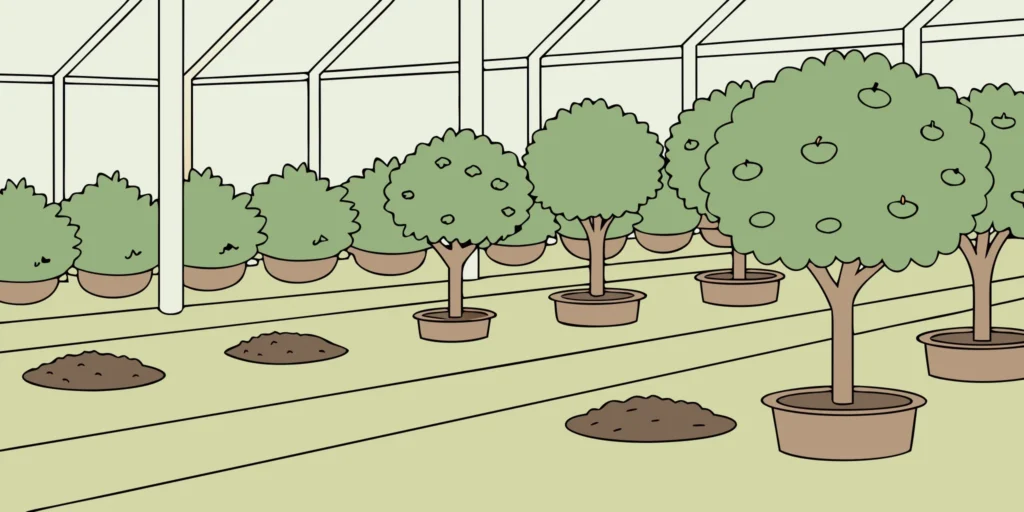
One pocket gopher can destroy thousands of dollars in plant stock by digging through root systems. For garden centers, these pests are more than a nuisance; they are a direct threat to your plants and water lines.
Shop Cinch Traps for professional-grade mole and gopher control to protect your stock.
The mole and gopher damage costs garden centers face include lost plant stock, broken water lines, and more labor for property repairs. These pests destroy root systems by digging through crop areas and tree nurseries, which leads to the death of high-value plants. According to the University of Idaho, gophers are a problem in nurseries because they eat roots and disrupt soil all year. Beyond the loss of plants, these pests create trip hazards and ruin the look of retail displays. Owners must also consider the cost of cheap traps that fail and the expense of replanting when they look at the financial impact of a pest problem on their business.
Many managers wonder how much these pests affect their profits and daily work. To protect your nursery stock, you must first find the ways these animals harm your property. We will now look at How Do Moles and Gophers Damage Garden Centers? to show where your business is at risk.
Mole And Gopher Damage Costs Garden Centers: How Do Moles and Gophers Damage Garden Centers?
Gophers and moles cause big losses by killing plant stock and breaking water lines. These pests stay active all year, making it vital for nursery owners to use a professional control plan.
Garden centers face high risks from burrowing pests. Gophers and moles can quickly turn a row of healthy plants into a total loss. These pests ruin the look of your retail yard and eat into your profits.
Shop Cinch Traps to get professional-grade tools that protect your garden center stock.
Root Loss and Dead Stock
Pocket gophers are a top threat to tree nurseries. They dig through the soil to eat plant roots from below. This work kills young trees and shrubs before you can sell them. Based on research from the University of Idaho, gophers cause major harm in areas where plants stay for a long time. When roots are gone, the plant cannot get water or food. For a nursery, this means losing whole rows of goods. The mole and gopher damage costs garden centers dearly when they must throw away dead stock.
Broken Lines and Ground Sinking
Pests also hurt the systems that keep a garden center running. Gophers and moles destroy root systems and water lines. When they dig, they leave air gaps in the dirt. These gaps can make the ground sink under heavy pots or walkways. If a tunnel breaks a water pipe, you may not know for days. This leads to high water bills and plants that do not get enough water. Fixing these hidden leaks takes a lot of labor and money. It pulls your staff away from more important tasks like helping your guests.
Telling Gophers and Moles Apart
Moles and gophers have other ways of hurting your yard. Moles are smaller, often about 7 inches long. They dig to find worms and grubs to eat. While they do not eat roots like gophers, their tunnels leave roots hanging in the air. Gophers are larger, often reaching 14 inches. They eat the roots and stems of your best plants. Both pests leave mounds that ruin your retail look. Knowing which pest is in your yard helps you pick the best how to set traps for each one.
Constant Damage Throughout the Year
Most pests go away in the winter, but gophers do not. They stay active all year and do not sleep through the cold. This means your yard is never truly safe without a plan. A single gopher can dig up to 70 mounds in just one month. These piles of dirt ruin the look of your plant rows. They also make the ground rough, which can lead to trips and falls. You can read a professional gopher trap guide for businesses to learn how to stop this constant threat. Keeping your retail area clean and safe is a key part of running a top-tier shop.
The Hidden Costs of Pest Damage for Nursery Operators
For nursery owners, a few gophers or moles can lead to a big loss. These pests do more than just leave mounds on the ground. They destroy plant roots and ruin stock that takes years to grow. Since gophers are active all year and do not hibernate, the damage can build up before you even know it.
Cinch Traps offers pro tools that protect your nursery from these costly pests.
Lost Stock and Plant Death
The most direct cost is the loss of your plants. Pocket gophers are a major threat to nurseries because they burrow through root systems to find food. When they eat the roots of a young tree or shrub, the plant often dies. You lose the money you spent on the plant and the work used to care for it over many months.
Moles also cause issues by making tunnels that let air reach the roots. This dries them out and can kill nursery stock. In a business setting, even a small loss can hurt your bottom line. Since these pests are so active, one gopher can damage many plants in just a few nights of tunneling.
Damage to Irrigation and Pipes
Beyond the plants, gophers and moles cause economic loss by destroying water systems. Their sharp teeth can chew through plastic lines and pipes as they dig. Fixing these leaks takes time and money. If a leak goes unseen, it can waste water or even drown plants, leading to even more loss.
Tunnels can also cause the ground to sink or shift. This is a problem for centers with paved paths or heavy racks. Repairing these areas is a chore that keeps your staff away from more helpful tasks. It also makes your store look messy to customers, which can lead to fewer sales over time.
The Trap Replacement Cycle
Many owners try to save money by buying cheap traps from big stores. But these traps often break or rust after just a few uses. This creates a cycle where you have to buy new traps every year. Pro gophers and moles are smart, and cheap traps might fail to catch them, letting the damage continue for longer.
Using a professional gopher trap guide for businesses can help you find better tools. Cinch traps use galvanized steel and last for years. One pro caught 501 gophers in just three months with only 21 of our traps. This helps you stop damage fast and saves you money by ending the need for new traps each season.
How Can Garden Center Managers Spot Active Infestations?
Garden center managers can find busy pests by looking for fan-shaped soil mounds and wilted plants. Since gophers stay busy all year and live alone in burrows, each new mound shows where a single pest is working.
Stop gopher damage today with Cinch Traps professional mole and gopher control products.
Garden centers are top targets for pests. Gophers do not sleep through the winter. They are busy all year, so they can hurt your stock at any time. To stop the high mole and gopher damage costs garden centers face, you must find them fast. These pests work out of sight, but they leave clear clues on the surface.
Look for Fan-Shaped Mounds and Soil Plugs
Gophers make fan-shaped mounds when they dig. These mounds look like a half-circle or a heart from above. The gopher pushes dirt out of the hole and then seals it with a soil plug. If you see a fresh, moist mound with a clear plug, the gopher is likely still near. Old, dry mounds with no plug mean the gopher has moved to a new part of the yard.
Watch for Wilted Plants and Irrigation Damage
One major sign of a gopher is a plant that wilts for no reason. Gophers eat the roots of young trees and shrubs. They can pull small plants right into their holes. If a healthy plant in your stock starts to die, check the soil for tunnels. You may find that the roots are gone. Gophers also hit watering lines while they dig. This can lead to wet spots or low water pressure. If you see water pooling where it should not be, a gopher tunnel may be the cause. These leaks can lead to root rot in your healthy plants. Finding these spots early saves money on water and plant loss.
Estimate the Gopher Count
Gophers live alone in their tunnels. Most burrow systems hold only one gopher at a time. This fact helps you guess how many pests you have. If you see five other mound groups, you likely have five gophers to catch. Counting mounds helps you plan where to set your traps. It also helps you see if your trapping plan is working.
Tell Gophers and Moles Apart
Moles and gophers leave other signs. Moles make volcano-shaped mounds and raised paths in the grass. Gophers eat roots, which makes plants wilt or die fast. Gophers also have a keen sense of smell. This helps them find your best nursery stock. When you set traps, use gloves to hide your scent. This stops the gopher from sensing a human and avoiding the trap.
Why Disposable Traps Cost More in the Long Run
Garden centers often try to save money by buying cheap plastic or light metal traps from big-box stores. While these tools have a low price at the start, they often fail to solve the problem of mole and gopher damage costs garden centers face each year. Cheap traps break easily and may need to be replaced after just a few uses.
Commercial growers and nursery managers should choose Cinch Traps mole and gopher control products for long-term protection that works the first time.
The hidden cost of cheap traps
Cheap traps often cost more because of the labor needed to manage them. If a trap fails to catch a pest, the animal keeps digging. This leads to more damage to root systems and irrigation lines in commercial nurseries. You also spend more time checking and resetting traps that do not work.
Professional users need tools that last. One pro user caught 501 gophers in just three months with only 21 Cinch traps. This shows the high capacity of a well-made tool. Using professional-grade gopher traps allows you to catch more pests with less effort and fewer new purchases.
Compare the options for your nursery
Choosing the right tool is a smart business move. A trap made of galvanized steel will outlast a plastic one by many years. It is better to buy a tool once than to buy a cheap one five times. The table below shows why high-quality traps are a better choice for big nurseries and shops.
| Feature | Cheap Disposable Traps | Cinch Professional Traps |
|---|---|---|
| Material | Thin plastic or light wire | Heavy galvanized steel |
| Reusability | Often break after few uses | Designed for many years of use |
| Warranty | None or very short | Lifetime warranty |
| Proven Results | Unknown effectiveness | Ranked #1 by USDA and 5 universities |
| Labor Cost | High due to constant failure | Low due to high catch rates |
Build trust with proven solutions
Nursery managers need to trust their tools to protect their plants. Cinch traps are ranked #1 by the USDA and five major universities. This academic proof gives you the confidence that your money is spent well. When you use a trap that works, you stop the loss of inventory and keep your shop looking great for guests.
When Does Trapping Fit an IPM Plan?
Trapping is a key part of Integrated Pest Management (IPM) because it gives you a direct, non-toxic way to remove pests. For plant shops, this way of control is a strong and low-cost path to protect stock from long-term harm.
Integrated Pest Management is a smart way to keep a shop clean and safe. It uses many steps to stop pests from taking over. This includes watching for signs, keeping the land tidy, and using traps. Many pros know that mole and gopher damage costs garden centers a lot of cash each year. Trapping fits this plan by giving you a way to stop harm fast without using harsh sprays or gas.
Protect your plant stock with pro-grade Cinch Traps built for long-term trust.
Watching for Signs and Action
The first step in any IPM plan is to watch the land. You must find where the pests live before you act. Look for new mounds of dirt or plants that start to die. Finding these signs early helps you act before the tunnels get too big. This kind of watching is key to a good plan. It lets you know where to put your work to save time and cash.
Many pro sites have crops that stay in the ground. These spots are open to gophers because the roots are always there. Watching these areas well lets you find pests fast. This stops them from moving to other parts of your land. It is a simple way to keep your whole site safe.
Trapping as a Direct Tool
Once you see a problem, you need a way to fix it. This is where trapping fits as a solid tool. It is very exact. You only catch the pest that is causing the harm. This makes it safe for other pets, wild life, and the soil. For big sites, you need tools that work every time. Pro speed and trust are a must for those who run a plant farm. Trapping offers several perks for a pro shop:
- It removes the pest right away.
- It does not use toxic bait or gas.
- It is safe to use near customers and staff.
- It targets only the pest in the tunnel.
A good trap should be easy to set and last for years. Using proper trap placement techniques makes the job fast. This shield cuts down on work and protects the health of your products. When your team knows a trap will work, they can move to other tasks. This keeps costs low while plants stay healthy.
Growing the Plan for Big Sites
Garden shops deal with a lot of land and many plants. A plan for a small yard might not work for a big farm. Pros need tools that grow with the site. You need work you can trust on a big scale to keep your whole shop safe. This means having enough traps and a team that knows how to use them.
A mix of tools helps you stay ahead. Trapping gets rid of the pests that are there now. Other steps, like moving wood piles, help keep new ones away. Put these steps together to build a strong wall for your shop. This saves your plants and helps your business stay strong.
Prevention and Monitoring Strategies for Commercial Properties
High mole and gopher damage costs garden centers and nurseries a lot of money when they do not watch their land. You must find these pests fast to stop big losses in your stock. These rodents do not just eat plants. They also break water lines and ruin the ground for your customers. A clear plan for checking your land each week helps keep your costs low and your sales high.
Protect your plants and property with professional-grade Cinch Traps mole and gopher control products built for commercial use.
Weekly inspection steps for property managers
Setting a schedule for your crew is the first step to a pest-free site. It is much easier to stop one gopher now than to fix a field of holes later. Use these steps to stay ahead of the damage.
- Walk the entire property twice each week to look for new fan-shaped mounds of soil. These dirt piles have a soil plug and show that gophers are digging tunnels right now.
- Use a metal probe to find the main tunnel about 6 to 12 inches under the grass. Finding the main run is vital for placing traps where the pests travel every day.
- Check your watering lines for leaks or wet spots that might show pipe damage. Moles and gophers often chew through plastic lines, which can lead to high water bills and dying plants.
- Mark every new burrow on a site map to track the size of the problem. Since gophers are territorial, one burrow system usually belongs to a single adult pest.
- Check the edges of your lot where weeds or tall grass grow. Pests often move in from nearby fields, so stopping them at the fence line saves your main stock.
- Set your traps the same day you find a new mound. Speed is the key to keeping your labor costs low and stopping the tunnels from getting longer.
Year-round monitoring and scent control
You must keep watching for pests in every season of the year. These rodents do not go away when it gets cold. Pocket gophers stay active year-round and do not hibernate. If you stop checking in the fall, you may find huge damage when the snow melts. Steady monitoring is the only way to keep your nursery or garden center safe from high repair costs.
Gophers have a very keen sense of smell that helps them find roots and bulbs. This sense also makes them avoid traps that smell like people. When you learn how to set traps, you should wear clean gloves to hide your scent. Keeping your smell off the steel makes the gopher more likely to trigger the trap. For more tips on saving your land, see our professional gopher trap guide for businesses to help your team.
Finding them early and doing steady checks reduce your long-term costs. If you need help with a plan for your commercial site, please contact us today. We help businesses stop gopher damage before it ruins their prized plant stock.
Frequently Asked Questions
What is the difference between mole and gopher damage?
Gophers eat plant roots, which can kill nursery stock quickly. Moles are different because they eat insects like grubs and worms. While moles do not eat your plants, their tunnels still cause harm. They can push plants out of the ground or leave roots hanging in air pockets where they dry out. According to the University of Idaho, gophers are a major threat to tree nurseries because they burrow through root systems.
How fast can gopher populations grow in a nursery?
Gopher populations can grow very fast in nursery settings. In fields with plenty of food and water, like irrigated nurseries, gophers can have up to three litters every year. This fact comes from research by the University of Idaho. Each litter can have between three and six young gophers. Because they breed so quickly, nursery managers must act fast to stop a small problem from becoming a costly infestation that destroys inventory.
Do moles eat the roots of plants in a garden center?
Moles do not eat plant roots. They are insectivores that search for food like earthworms and grubs in the soil. However, they still cause damage in commercial garden centers. As they dig, they can uproot small plants or destroy the structure of garden beds. According to Cinch Traps, both gophers and moles cause economic loss by destroying roots and plant inventory. Even if they are not eating the plants, their digging costs nurseries time and money.
Can gophers damage irrigation lines in a nursery?
Yes, gophers often cause serious damage to irrigation systems. Their strong teeth and constant digging can break through plastic pipes and drip lines buried in nursery beds. This leads to water waste, high repair costs, and dead plants from a lack of water. Cinch Traps notes that gophers and moles are known for destroying irrigation systems in commercial settings. Protecting your lines requires a durable, long-term solution that stops the pests before they can reach your equipment.
Ready to protect your nursery from costly mole and gopher damage?
Ignoring mole and gopher mounds will lead to dead plants and lost profit for your nursery business. The cost of damage adds up fast every week you wait to act, so you must stop these pests now. You can end this cycle today by using a pro tool that works right away and lasts for years. Our traps are tested by top schools and the USDA to show they keep your plants safe.
Ready to shop Cinch Traps for professional-grade mole and gopher control? You can request your traps on our shop page to start clearing your property this week. Use our flat rate shipping to get the tools you need at a price that fits your budget. Request your traps to protect your hard work today.