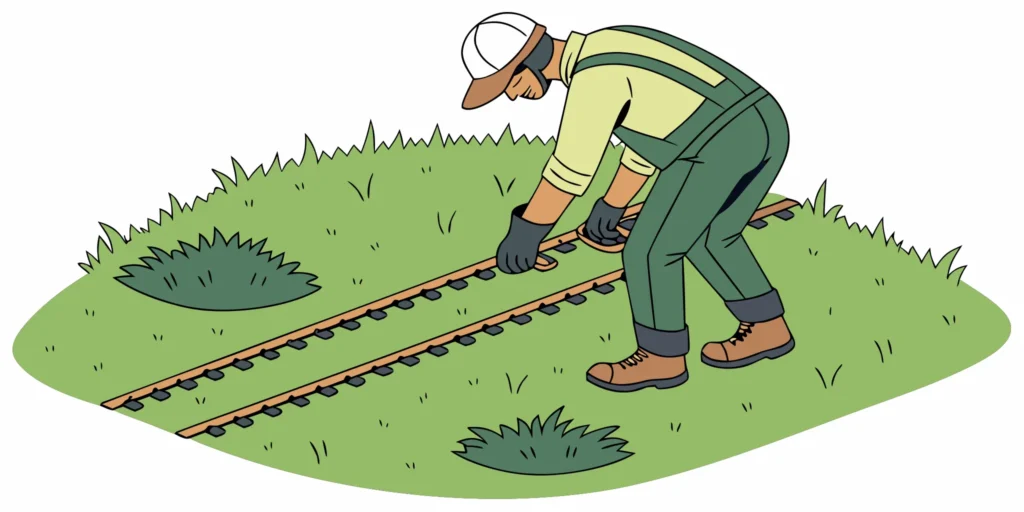
Mole and gopher damage forces commercial landscapers to pay for high costs and risk losing upset clients. These pests destroy high-value turf and undermine sidewalks in a single night. Cinch Traps provides the industrial-strength solution required for high-volume route work.
Cinch traps for landscapers provide a trusted, poison-free method for managing mole and gopher problems on commercial sites using heavy-duty steel tools made in Oregon. Professional groundskeepers use these mechanical traps because they offer a humane kill without the need for expensive baits or toxic chemicals that risk local wildlife. According to the USDA National Wildlife Research Center, the Cinch trap is the all-around best performer for effective pest control during high-volume route work. The simple setup allows crews to quickly secure active tunnels across many sites which helps firms expand their service options and increase revenue per account. These reusable tools protect valuable turf and come with a lifetime warranty to ensure long-term value for every professional landscaping business in the field.
Ready to upgrade your route? Shop Cinch traps for landscapers and build a professional pest control kit that handles any commercial property.
Running a good route needs trusted hardware and sharp field skills. You must also know where to set your gear to ensure a catch within twenty-four hours. Identifying active tunnels on commercial properties is the key first step for any pro. Finding these main runways begins with probing the soil between fresh mounds to locate the deep travel lane where the pest moves back and forth. This technique transforms guesswork into a repeatable system.
How Do Landscapers Identify Active Tunnels on Commercial Properties?
Active tunnels have fresh, dark, clumpy soil that is still moist to the touch. Landscapers probe the ground between fresh mounds with a metal rod every few inches until they feel the sudden drop of an open tunnel. The main runway sits 6 to 12 inches deep and runs straight between multiple mounds, unlike feeder tunnels that branch at sharp angles.
For grounds pros, finding the right spot for a trap is the first step to success. You cannot just set a trap anywhere you see a mound of dirt. Instead, you must find where the pests are currently moving below the surface. Active tunnels have fresh, dark, clumpy soil that is still moist to the touch. If the soil looks dried out or has a hard crust, the tunnel is likely old and empty.
Pros often manage large areas where many pests might be at work. Using the right Cinch traps for landscapers means knowing which tunnels to target first. By checking the land for the freshest dirt, you can map out a quick route that saves time. This ensures that your traps are working in the most high-traffic areas from the start.
Signs of current activity
When you walk a site, look for new mounds that appeared overnight. Fresh mounds are the most reliable sign of a current pest problem. While an old mound might look like a lot of work, the pest may have moved to a new area days ago. Look for dark soil that clumps together when you squeeze it in your hand. This shows the burrower was recently at work in that spot. Telling gopher mounds from mole hills helps you pick the right trap size. Gophers leave fan-shaped mounds, while moles create volcano-shaped hills. These signs are vital for pros who need to set many traps fast.
Locating the main runway
Once you find fresh work, you need to find the main tunnel. Main runways are the straight paths that connect many mounds together across the yard. These are different from feeder tunnels, which often branch off at sharp angles to reach the surface for food. Finding the main highway is the key to 116 years of Cinch Traps work and good pest control. According to experts at the USDA National Wildlife Research Center, finding these travel lanes is the best way to catch pests fast.
To find the main path, use a metal rod or a long screwdriver to probe the ground between two mounds. Push the probe into the soil every few inches in a straight line between them. When the rod suddenly drops or the weight stops, you have found the tunnel opening. This travel lane is where the pest spends most of its time moving back and forth. This is the perfect spot to set your traps to ensure a quick catch without using any bait or poisons.
Finding the right depth
Knowing how deep to probe is vital for fast work on a busy route. Most gopher tunnels sit between 6 to 12 inches deep, though the main runways can sometimes be even deeper. Once you find the path, you can use the gopher tunnel trap placement guide to set the unit. Setting traps in these high-traffic lanes is much more effective than placing them in the surface mounds. Once you have found a few active spots, mark them with flags so you can find them again. This planned approach is what sets a pro apart from a casual gardener.
Cinch Traps for Landscapers: How to Select the Right Trap for the Job
Using Cinch traps for landscapers means matching trap size to the target pest’s tunnel width: moles need 1.5-inch to 3-inch traps, while gophers need 2.25-inch to 3.5-inch traps. Every Cinch trap costs $24.99, uses a sensitive trigger for a humane kill, and requires no bait. The snug fit in the tunnel is what makes the trigger fire fast when the pest moves through.
Landscapers need tools that work fast and stay tough in the field. To clear a property, you must match the trap to the animal making the mounds. Each Cinch trap is built to solve this by fitting the specific tunnel size of your target. This fit is why these traps are ranked at the top by Oregon State University and other major schools. Using the right gear leads to more catches and less wasted time on your route.
Matching trap size to the pest
Moles and gophers have different tunnel widths, so picking the right size is the first step. For mole control, Cinch offers three sizes: Small (1.5 inch), Medium (2.25 inch), and Large (3 inch). Gophers need larger gear, with traps in Small (2.25 inch), Medium (3 inch), and Large (3.5 inch) widths. Each $24.99 trap is made from strong steel that lasts for years of daily use. For more tips on picking the right one, check out the complete professional gopher trap guide for your team. Having a mix of these in your truck helps you handle any lawn you visit.
| Pest | Trap Size | Tunnel Width | Single Price |
|---|---|---|---|
| Mole | Small | 1.5 inch | $24.99 |
| Mole | Medium | 2.25 inch | $24.99 |
| Mole | Large | 3 inch | $24.99 |
| Gopher | Small | 2.25 inch | $24.99 |
| Gopher | Medium | 3 inch | $24.99 |
| Gopher | Large | 3.5 inch | $24.99 |
Use this reference table to match trap sizes to the pest species on each property.
Why quick triggers matter for professional routes
A trap is only as good as its trigger. Cinch traps use a very sensitive trigger that snaps shut as soon as a pest touches it. This leads to a quick and humane kill, which is what your clients want to see. When you can trust your gear to fire, you spend less time re-setting traps and more time moving to the next client. This clean path is a big part of how Cinch traps work for busy crews. It also makes it easy to see if you caught something from a far distance.
The speed of bait-free trapping
One of the best things about these traps is that they need no bait. Cinch traps sit in the main tunnel where the mole or gopher is now moving. The animal triggers the trap just by trying to pass through. This means you do not have to carry extra supplies or spend time with messy bait at every stop. It keeps your hands clean and your pace fast during a busy shift.
The setup is a simple four-step path that stays the same every time. This easy path means new workers can learn the job in just a few minutes. Since there are no poisons, you can set these traps on school yards or parks where pets and kids play. It is a safe way to show clients that you are a pro who knows how to get the job done right.
Build your kit today. Order Cinch traps in all sizes to handle moles and gophers on every commercial property you service.
Building an Efficient Route Workflow
An efficient route workflow has five steps: locate active main tunnels by probing between fresh mounds, set two traps facing opposite directions in each tunnel. Mark every spot with a bright flag, check traps every 24 to 48 hours, and rotate tools across client sites. One professional used just 21 traps to catch 501 gophers in three months using this system.
Managing many jobs at once needs a clear plan. Pros who do lawn care can save time with a set routine. This workflow keeps results high and costs low. It also makes sure every client yard stays free of pests.
Find the main tunnels
Success starts with finding the right spot. You must look for active main tunnels instead of small feeder mounds. Active tunnels often have fresh, dark, clumpy soil. You can use a rod or probe to find these deep paths. Experts at Oregon State University say finding these main runs is the best way to get high catch rates.
Set traps for fast catches
Once you find the main path, clear a small hole. Place two Cinch traps inside, facing in opposite ways. This way, you catch the gopher no matter which way it moves. These traps do not need bait, so they are fast to set. You can learn more in the gopher trap setup guide.
- Locate an active main tunnel between mounds by probing for soft spots in the soil.
- Open the tunnel and place two traps facing opposite ways to cover both paths.
- Mark the trap spot with a bright flag so you can find it fast on your next stop.
- Check your traps every 24 to 48 hours to remove pests or move gear to new spots.
- Rotate your tools between client sites every few days to keep every yard safe.
Grow your trapping service
A good route can bring big results. One user, Perry Smith, used just 21 traps to catch 501 gophers in only three months. This level of work is possible when you follow a tight plan. Marking each spot with a flag lets you check a yard in minutes. This speed lets you add trapping as a way to make more money without slowing down your crews.
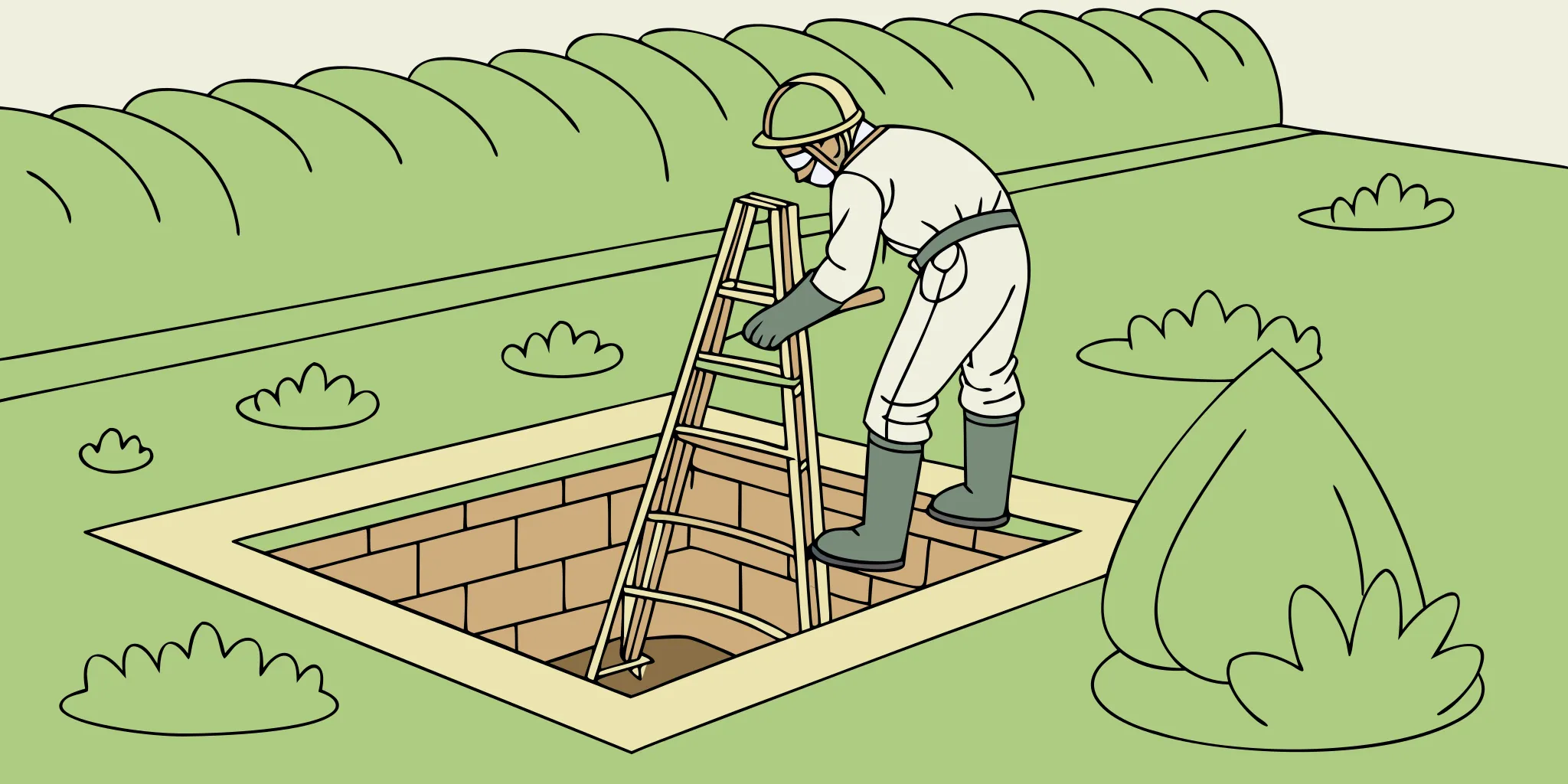
Strong tools are key for long routes. Cinch traps use tough steel that does not rust. They are built to last for years of daily use. Reading the professional gopher trap guide helps you pick the right sizes for your kit. With the right gear, your team can handle gopher tasks on every stop of the day.
Client Communication and Expanding Your Services
Landscapers can add mole and gopher control to their existing service plans as a high-margin upsell. Trapping uses no poisons, works in most soil types, and provides visible proof of results. A per-trap fee or monthly pest plan turns a standard mowing route into a full property care service.
Adding Value to Your Landscape Deals
Lawn care pros can grow their business by adding pest control to their work. Most land owners feel lost when they see dirt mounds on a green lawn. Offering mole and gopher control is a smart move for any team. It adds value to your monthly plans and keeps yards looking great. When you use Cinch traps for landscapers, you show that you use the best tools for the job. This helps you stand out from other crews in your area.
The traps are easy to set and work in most soil types. By catching pests early, you prevent root damage to lawns and shrubs. This saves the client money on repair costs. Adding a per-trap fee or a monthly pest plan is a simple way to boost your profit on every stop. It turns a standard mowing job into a full yard care service.
Talking to Clients About Gopher Control
Clear talk helps you set the right goals for each job. Clients want to know when the dirt mounds will stop. You can explain that traps give fast and clear results. Unlike baits, a trap shows proof of a catch right away. This proof helps build long-term trust with your clients. It also shows them that you are an expert who knows how to handle tough pests.
You can tell your clients that DIY gopher removal vs hiring a pro is often a waste of time. Most owners do not have the right tools to find active tunnels. Your skill and the right traps make a huge difference in how fast the lawn heals. This talk is a great chance to show the value of your work. It proves that you offer high-level care for the whole property.
Promoting a Poison-Free Property
Many home owners want to keep their yards safe for kids and pets. They often worry about the use of toxic chemicals. You can win more jobs by offering a poison-free choice. Cinch traps use no baits or toxic dust. This helps protect local owls and hawks from harm. This green angle is a strong selling point for modern teams.
Research shows that trapping is a safe way to manage pests without the risk of harming other wildlife. These tools come from 116 years of Cinch Traps heritage and are made in the USA. You can get your gear with flat rate shipping to keep your costs low. Adding these services helps you build a stable business while keeping your clients happy.
Durability and Cost Value for Professionals
Cinch traps use galvanized American steel that resists rust through years of daily use in wet soil. Each $24.99 trap catches dozens of pests over its lifetime, which lowers the cost per catch far below any other method. The lifetime warranty backs every trap made in Oregon.
Pro landscapers need tools that last through years of hard use. Flimsy traps often break or rust after just a few months in the damp soil. This forces crews to buy new gear and wastes time on the job. Cinch traps solve this problem with a heavy-duty build made for daily routes. These heavy-duty gopher traps use American galvanized steel to stop rust.
Heavy-duty build
The strength of a trap starts with the metal used to make it. Cinch traps have a thick galvanized steel frame that stands up to rain and mud. This coating stops the metal from pitting or getting weak over time. Pros who use Cinch traps for landscapers know the gear will fire every time. The gear can handle being tossed in a truck or left in a wet tunnel.
A strong build is not just about the metal frame. The spring and trigger must also stay sharp and fast. Cinch uses a simple design that does not jam or clog with dirt. This helps a single crew cover many yards in one day. You can rely on these tools to work the same on day one as they do on year five. This quality is why the USDA ranked Cinch as a top choice for pest control.
Long term cost value
Buying cheap traps might seem like a way to save cash at first. But low-cost traps often fail after a single catch. A single Cinch trap costs $24.99 and can catch dozens of pests. This makes the cost per catch much lower than any other way. Over time, you spend less on gear and more on growing your route. It is a smart move for any pro who wants to keep costs low.
Using reusable traps also saves money on service fees. Hiring a pro for every lawn can cost hundreds of dollars each month. By doing the work yourself with the right gear, you keep that profit. Cinch traps are fully reusable and can stay in your kit for a long time. This gives you a better return on your cash than using poisons or gas. Plus, each trap comes with a lifetime warranty to back up your buy.
Built to last
A lifetime warranty is rare in the pest control world. It shows that Cinch stands behind the work they do in their Oregon shop. If a trap fails due to a build flaw, the team will make it right. This peace of mind is vital when you are out in the field. You do not have to worry about gear failing when a client is watching. It is a tool built by pros for pros.
The heavy build also means less time spent on fixes. You do not need to oil or mend these traps to keep them in top shape. Just wipe off the mud and they are ready for the next set. This easy care helps you focus on your clients. In the end, Cinch traps give you the best value for your money.
Safety and Environmental Benefits
Cinch traps use no baits, poisons, or chemicals, which makes them safe for school yards, parks, and homes with pets. There is no risk of second-hand poisoning to owls and hawks. The trap design also allows crews to set, check, and clear traps without ever touching a dead animal.
Cinch traps for landscapers provide a way to manage moles and gophers without the risks of toxic bait. This simple method protects the health of everyone on the site while keeping local wildlife safe from harm. By choosing a non-toxic method, you can offer a service that appeals to modern, green property owners.
Protecting children and pets on client properties
Landscapers often manage turf in areas where children and pets are most active. This includes backyards, school grounds, and public parks. Using toxic baits in these busy zones can lead to accidents if a child or pet finds the bait. Using Cinch traps solves this problem because the traps do not use any chemicals.
Since there are no poisons used, you do not have to worry about the legal risk. You can place the traps in active tunnels and know they are safe for the families that enjoy the lawn. This safety benefit is a big selling point for clients who want a pest-free yard without the fear of toxins.
Preserving local wildlife and the food chain
One big risk with chemical pest control is second-hand poisoning. When a mole or gopher eats a poison bait, the toxin stays in its body. This makes the pest a toxic meal for the birds that hunt them. Owls, hawks, and even house cats are at risk if they eat a poisoned animal.
Simple traps remove this danger by using a manual trigger instead of a poison. Because there is no toxic trace left behind, the natural food chain stays safe. This link with green landscaping helps you meet the growing demand for services that protect local birds.
The University of California states that trapping is a good way to manage gophers. It avoids the risks to other animals. Using these traps shows your clients that you care about the health of local nature.
Safe handling and pro disposal
Good pest control does not have to be a messy or risky task for your crew. One of the top gains of how Cinch traps work is the clean and safe handling process. You can set, check, and clear the traps without ever having to touch a dead animal.
The trap design provides a quick and humane way to stop pests. You can then release the pest with a simple move. This no-touch system keeps your hands and gear clean all day. It also reduces the chance of coming into contact with germs that the pests might carry.
For a pro landscaper on a busy route, this safe workflow is a big gain. It allows you to move fast from one property to the next while keeping a high standard of safety.
Frequently Asked Questions
What size Cinch trap do landscapers need for moles and gophers?
Landscape crews use different sizes based on the pest. For moles, pros usually pick the 1.5-inch or 2.25-inch trap. For gophers, the 3-inch or 3.5-inch sizes are best for business jobs. A snug fit in the tunnel is vital for the trap to work right. The professional gopher trap guide notes that a tight fit helps the trigger fire fast when the pest moves through.
How do landscapers efficiently manage trap routes on commercial jobs?
Speed is key for lawn care pros. Most crews mark every set with a bright flag. This helps them find and check traps fast across large lawns. They often place two traps facing opposite ways in the main run to catch the pest from either side. One user set 21 traps and caught over 500 gophers in just three months. This system lets a single crew cover many jobs each day without wasting time.
Are Cinch traps durable enough for daily professional use?
Cinch traps are built for heavy use in the field. Each one is made in Oregon from American steel. This metal resists rust and holds up in wet soil for years. The company offers a lifetime warranty because the traps are so tough. A single trap costs about $24.99 and can catch dozens of pests over its life. This makes them a great value for pros who need tools that will not break.
Do professional landscaping crews need to bait Cinch traps?
No, these traps do not need any bait. They are “choke” style traps that you place right into a tunnel. The pest triggers the device just by moving through its natural path. This saves crews time because they do not have to carry or buy bait. It also means there are no poisons used on the land. This is a big help for jobs at parks, schools, or homes with pets.
Ready to Build Your Professional Pest Control Route?
If you wait to deal with moles and gophers, your clients will see the results in their dead grass and ruined flower beds. Every day you wait to act is a day where these small pests can cause lots of costly harm to the yard. You can stop this loss now by adding tough Cinch traps to your work gear so you can fix these issues on your next visit. These strong steel tools are built to last for many years in the dirt and will help you make more money on every job. This is the best way to keep your yards looking clean without using any harsh poisons. You can learn more about Cinch Traps and see how our gear has helped pros for over 100 years. We also offer flat rate shipping on all orders to help you get the gear you need fast.
Ready to grow your business? Shop the complete collection of Cinch traps and get flat rate shipping on every order.