Seeing fresh gopher mounds pop up in your yard can be incredibly frustrating, especially when you feel like you’ve tried everything. You buy a trap from the local hardware store, follow the instructions, and wait, only to find more damage the next day. This cycle can make you feel like you’re losing the battle for your lawn. The truth is, not all traps are created equal. A genuine professional gopher trap is designed differently. It’s built for effectiveness and reliability, turning a frustrating chore into a straightforward solution. This guide will show you what to look for and how to use one correctly.
Key Takeaways
- Choose traps based on quality, not price: A professional-grade trap is defined by its durable materials, like galvanized steel, and a sensitive trigger mechanism. These features ensure the trap works effectively and lasts for years, making it a smarter choice than cheaper, less reliable options.
- Master the setup for guaranteed success: Where you place your trap is more important than anything else. Always locate the main gopher tunnel and set two traps facing opposite directions to double your chances of a quick catch, which makes using bait unnecessary.
- Invest in a tool that lasts a lifetime: A well-made, reusable gopher trap is a one-time purchase that solves a recurring problem. Its durability saves you the long-term cost and frustration of replacing flimsy traps season after season.
What Makes a Gopher Trap “Professional”?
When you’re dealing with a gopher problem, you quickly learn that not all traps are created equal. The term “professional” gets thrown around a lot, but what does it actually mean? It’s more than just a label. A professional-grade trap is defined by its performance, reliability, and design. Pest control experts and seasoned farmers can’t afford to waste time with tools that don’t work. They need a solution that is effective every single time, built to last through seasons of tough use, and simple enough to set quickly and move on.
Think of it like any other tool in your shed. You could use a flimsy, generic wrench, or you could use one that’s forged from hardened steel, designed to grip perfectly without stripping a bolt. The same principle applies here. A professional gopher trap is an investment in a solution, designed with a deep understanding of how gophers behave and built to solve the problem efficiently. It’s about getting the job done right the first time.
Key Features of a Pro-Grade Trap
So, what specific qualities set a pro-grade trap apart from the rest? First is a precision mechanism. These traps are engineered for a quick and humane dispatch, targeting the gopher effectively within its tunnel system. Second is durability. Professional gopher traps are typically made from weather-resistant materials like galvanized steel, ensuring they won’t rust or break down after a few uses. This reusability makes them a far better long-term value. Finally, a pro-grade trap is surprisingly easy to use. “Professional” doesn’t mean complicated; it means the design is so effective that it simplifies the process, allowing you to set it with confidence and minimal effort.
Professional Traps vs. DIY Solutions
It can be tempting to try a DIY solution you found online, but these methods often fall short. While the goal is the same, the approach and results are vastly different. Homemade traps or improperly used commercial traps can be ineffective, leading to frustration and a yard with even more mounds. Worse, a failed attempt can make a gopher “trap-shy,” meaning it will learn to avoid traps in the future, making your job much harder. A professional trap is designed based on proven principles of animal behavior. Following the correct setup process gives you a significant advantage, leading to consistent and reliable results that DIY solutions just can’t match.
Why Professionals Choose Cinch Traps
When your job is to get rid of pests, you need tools that work every single time. There’s no room for flimsy or unreliable equipment, especially when your clients are counting on you. That’s why so many pest control experts, farmers, and landscapers turn to Cinch Traps. They choose them not just for their immediate effectiveness, but for their incredible durability and straightforward design that delivers consistent results. Professionals need equipment they can count on day in and day out, and Cinch Traps have built a reputation for being the most dependable solution on the market since 1909.
When your reputation depends on getting results, you pick the tool that has proven itself for over a century. It’s about more than just catching a gopher; it’s about using a tool that feels solid in your hands, sets up without a fuss, and can be used season after season. This level of reliability is what separates a professional-grade tool from the disposable alternatives you might find at a big-box store. Let’s look at a few specific reasons why the pros consistently choose Cinch for their gopher and mole problems.
Handmade in the USA with Durable Steel
One of the first things you’ll notice about a Cinch Trap is its quality. These aren’t mass-produced plastic gadgets; they are handmade in Oregon from heavy-duty galvanized steel. This robust construction means they can withstand the harsh underground environment and be used over and over again. For a professional, this durability is key. Buying a set of gopher traps becomes a one-time investment rather than a recurring expense. You get a reliable tool that won’t bend or break, ensuring it’s always ready for the next job. It’s this commitment to quality materials and American craftsmanship that makes Cinch a go-to for serious pest control.
A Proven Design, Backed by Research
Effectiveness is non-negotiable in professional pest control, and Cinch Traps deliver. Their design isn’t just clever; it’s proven to work. In fact, studies from multiple universities have ranked Cinch Traps as the #1 most effective option available. The design is simple and intuitive, which means you can set them up quickly and confidently. One of the best features for professionals is the immediate visual confirmation. When a gopher is caught, the trap’s yellow loop drops, so you can see your success from a distance without having to dig up the trap. This straightforward feedback loop shows you exactly how it works and saves valuable time on the job.
Lifetime Warranty for Peace of Mind
A company that stands behind its product with a lifetime warranty is a company you can trust. Cinch Traps offers exactly that, giving you complete peace of mind with your purchase. For a professional who relies on their tools daily, this is a huge deal. It means the company is confident that its traps are built to last a lifetime of regular use. You can invest in your equipment knowing that if anything goes wrong with the trap’s construction, you’re covered. This kind of guarantee is rare, and it shows that Cinch is committed to providing a durable, long-lasting solution you can depend on for years to come.
Comparing Professional Gopher Trap Types
When you start shopping for a gopher trap, you’ll find a few different designs on the market. Knowing the distinctions can help you choose the right tool for your yard. The goal is always the same: to effectively and quickly remove the gophers tearing up your lawn or garden. Let’s break down the most common types of professional traps so you can see how they stack up.
Spring-Loaded vs. Scissor Traps
Most professional gopher traps are either spring-loaded or scissor-style. Scissor traps use two jaws that close together, but they can be bulky and tricky to set correctly in a narrow tunnel. Spring-loaded traps, however, use a powerful spring for a quick and humane dispatch. Our gopher traps use this design because it’s incredibly effective and easy to use. The trap is compact enough to fit neatly into the tunnel, and the spring provides the force needed for an instant catch. This simple, powerful design is why so many professionals rely on it.
Pincer vs. Electronic Traps
Pincer traps are a type of spring-loaded trap with two pincer-like jaws. Placed inside the tunnel, they are triggered when the gopher pushes dirt against them. These traps are valued for their durability and reusability, especially when made from galvanized steel that lasts for years. Electronic traps are a more modern option that use bait to lure a gopher into a chamber for a fatal electric shock. While they can work, they rely on batteries, are sensitive to moisture, and may not be as durable as a classic steel trap. For a reliable solution, a mechanical pincer trap is often the more practical choice.
How to Compare Effectiveness and Ease of Use
A trap’s effectiveness isn’t just about its design; it’s also about how you use it. The most common mistake is placing a trap in the wrong spot. A trap must be set in a main gopher tunnel, not a side tunnel, to be effective. You can learn more about how it works on our site. For ease of use, look for a trap that is simple to set without extra tools. The easier a trap is to handle, the more confident you’ll feel placing it correctly. The best trap combines a proven design with a straightforward setup, giving you the best chance of success.
Key Features to Look for in a Gopher Trap
When you’re ready to reclaim your yard, choosing the right gopher trap is the most important decision you’ll make. With so many options out there, it’s easy to feel overwhelmed. The key is to look past flashy packaging and focus on the core features that deliver consistent results. A professional-grade trap isn’t just about catching one gopher; it’s about investing in a long-term solution for your property.
Think of it like buying any other quality tool for your home or garden. You want something that is built to last, works effectively every time, and is safe to have around your family and pets. The best traps are designed with the gopher’s behavior in mind, using their natural instincts to ensure a successful catch. From the materials used in its construction to the sensitivity of its trigger, every detail matters. Let’s walk through the essential features to look for so you can choose a gopher trap with confidence.
Durable, Weather-Resistant Materials
A gopher trap is an outdoor tool, which means it will be exposed to dirt, moisture, and changing temperatures. That’s why durability is non-negotiable. Look for traps made from high-quality, weather-resistant materials like galvanized steel. This ensures your trap won’t rust or break down after a single season, giving you a reliable tool you can use for years. A well-made trap is an investment that pays for itself over time. The Cinch Gopher Trap, for example, is “not only heavy-duty but also reusable, ensuring long-term gopher control.” When you choose durable gopher traps, you’re getting a dependable solution that will be ready to go whenever a new pest appears.
Safety for Pets and Children
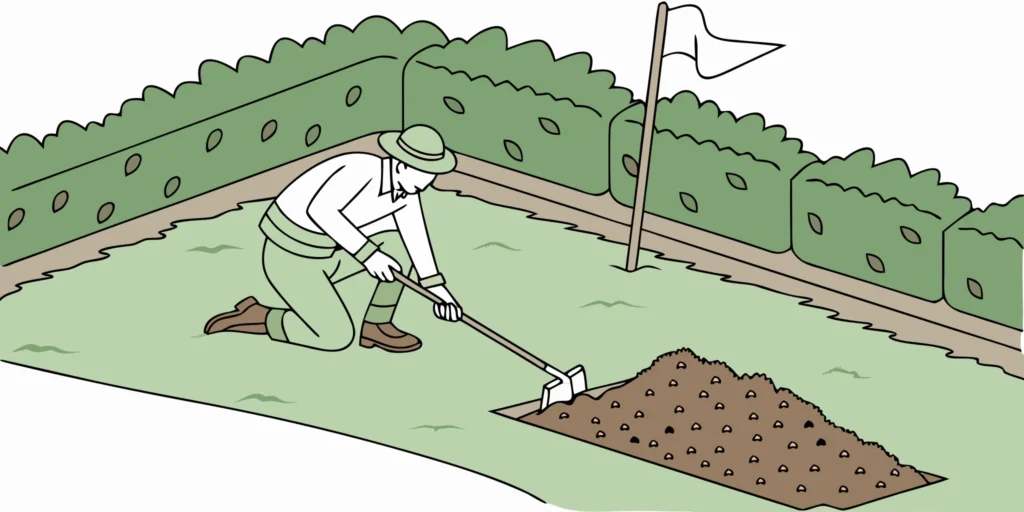
If you have kids or pets playing in your yard, safety is your top priority. Professional traps are designed to be set underground in the gopher’s tunnel, which keeps them out of sight and away from curious hands and paws. However, it’s still crucial to take precautions. We always recommend you “mark trap locations with a flag, cone, or other visible marker to ensure safety.” This simple step prevents anyone from accidentally stumbling upon a set trap. You can find marking flags in our accessories shop. Choosing a trap that works below the surface and marking its location allows you to handle your gopher problem effectively without compromising the safety of your loved ones.
A Sensitive Trigger That Fits the Tunnel
The effectiveness of a gopher trap comes down to its trigger mechanism. A gopher will instinctively try to plug any light or air source in its tunnel. A great trap uses this behavior to its advantage. The Cinch Trap’s design is a perfect example: “when the mole or gopher returns to investigate the disturbed tunnel area, it will activate the trigger and the powerful spring steel jaws will close around the gopher.” A sensitive trigger ensures a quick and humane catch. This is why understanding how it works is so important. A trap with a reliable, hair-trigger response is far more effective than one that allows the gopher to push past it without setting it off.
The Right Size for the Right Gopher
Gophers and their tunnels come in different sizes, and your trap should, too. A trap that’s too large for the tunnel won’t sit correctly, allowing the gopher to simply push dirt around it. If it’s too small, the gopher might bypass it entirely. For the best results, the trap should fit snugly inside the tunnel. As we explain on our product pages, the “sizes are determined by the diameter of the tunnel system the gopher or mole had created.” Before you buy, take a moment to measure the width of the gopher mounds or main tunnels in your yard. Choosing the correct Gopher Trap size is a simple step that makes a huge difference in your success rate.
Investing in a Quality Gopher Trap
Understanding Cost vs. Long-Term Value
When you’re dealing with a torn-up lawn and ruined garden, it’s tempting to grab the cheapest trap you can find. But when it comes to gopher control, the initial price tag doesn’t tell the whole story. A low-quality trap that fails to catch anything isn’t a bargain; it’s just a waste of money and time. Investing in a well-made, effective trap means you solve the problem faster, preventing further damage to your property. Think of it as the difference between a quick fix and a real solution. A quality trap provides peace of mind and delivers results, making it a much smarter investment for protecting your yard in the long run.
Why a One-Time Purchase Saves You Money
A durable gopher trap is designed to be used season after season. Cinch Traps are handmade in Oregon from strong, galvanized steel that resists rust and stands up to the elements. Unlike plastic traps that can break or cheaper metal ones that bend and corrode, a high-quality steel trap is a one-time purchase. You won’t find yourself buying replacements every year. This durability saves you significant money over time. With a simple, effective design and a lifetime warranty, you can trust that your trap will be ready to go whenever a new gopher appears, making it a reliable tool in your gardening arsenal for years to come.
Where to Buy Your Cinch Trap
When you’re ready to invest in a trap that works, the best place to get it is directly from the source. You can find the full lineup of our effective and easy-to-use gopher traps right on our website. Buying directly ensures you’re getting an authentic, American-made Cinch Trap, not a flimsy imitation. We also offer all the accessories you might need, like flags for marking your trap locations. Shopping with us means you get a proven, reliable product designed for one purpose: to solve your gopher problem for good.
How to Use Your Gopher Trap Like a Pro
Having a professional-grade gopher trap is the first step, but using it correctly is what guarantees results. Setting a trap isn’t complicated, but a few key steps can make the difference between frustration and a gopher-free yard. By focusing on placement and strategy, you can get the most out of your trap and solve your gopher problem quickly. Let’s walk through the process, from finding the perfect spot to setting your trap for a successful catch.
Find the Main Gopher Tunnel
Your trap’s success starts with finding the gopher’s main tunnel. Gophers create lateral tunnels to push dirt out, forming the mounds you see on the surface, but these are dead ends. You want to place your trap in their main highway. To find it, look for the freshest mound of dirt and probe the ground 8 to 12 inches away with a screwdriver. You’ll know you’ve found the tunnel when you feel a sudden drop in resistance. This is where you’ll dig to set your trap. Taking the time to locate the main run is the most important step.
Set Your Trap for a Perfect Catch
Once you’ve opened the main tunnel, it’s time to set your gopher trap. Since you don’t know which way the gopher will come from, the best practice is to use two traps, placing one in each direction of the tunnel. This simple strategy doubles your chances of catching the pest on its first pass. When you set a trap correctly, you get immediate confirmation of success. Make sure the trap is set snugly inside the tunnel, and lightly cover the opening with a clump of sod or a board to block out light. This encourages the gopher to investigate.
Know When (and When Not) to Use Bait
Many people wonder if they should use bait, but with a Cinch Trap, it’s usually not necessary. The trap’s design works with a gopher’s natural instincts. When a gopher senses an obstruction in its tunnel, its impulse is to push the dirt out of the way, which triggers the trap. Most traps fail because they’re placed in the wrong tunnel, not because they lack bait. If you’ve found the main run and set your trap correctly, you’ve already done the most important work. Focus on perfect placement, and you can skip the extra step of baiting.
Use Multiple Traps for Faster Results
For a single gopher, setting two traps in one tunnel is a solid plan. But for a larger infestation, using multiple traps is the most effective approach. Identify several active tunnels and repeat the two-trap method in each one. This allows you to address the problem from multiple angles at once, significantly speeding up the process. By placing traps with their openings facing opposite directions in a few different tunnels, you can intercept gophers no matter where they are. You can find all the traps and accessories you need to manage any size infestation.
Common Gopher Trapping Mistakes to Avoid
Even with the best trap on the market, a few simple missteps can stand between you and a gopher-free yard. Gopher trapping is a skill, but it’s one you can easily master by avoiding these common mistakes. Think of it as learning the gopher’s playbook so you can stay one step ahead. When you understand their behavior and how your trap works with it, you’ll see results much faster. Let’s walk through the most frequent errors people make so you can get it right the first time.
Placing Traps in the Wrong Tunnels
This is the number one reason trapping efforts fail. Gophers create a complex network of tunnels, but they spend most of their time in a primary tunnel, often called the main run. Placing your trap in a secondary feeding tunnel or a plugged-up mound is a waste of time. As one expert put it, “If you’re not in the main run, you’re just wasting your time.” To succeed, you need to find the main tunnel where the gopher travels frequently. A proper set often requires two traps facing opposite directions in the main run to catch the gopher no matter which way it’s coming from.
Skipping the Instructions
It’s tempting to tear open the box and immediately try to set your new trap, especially if you’ve used other traps before. But every trap is different, and taking five minutes to read the instructions can save you hours of frustration. Our Cinch Traps are designed to be straightforward, but following the step-by-step guide ensures you set them correctly for maximum effectiveness and safety. The instructions will show you exactly how to place the trap in the tunnel, how to set the trigger, and what to look for to confirm it’s ready. Think of it as a recipe for success.
Forgetting to Check and Maintain Your Traps
Once you’ve set your traps, don’t just forget about them. Gophers are active creatures, and you should check your traps within a day. A good rule of thumb is if you haven’t caught a gopher within 24 to 48 hours, it’s time to move your traps to a different main tunnel. Leaving a trap in an unproductive spot won’t yield results. Regular checks allow you to assess the situation and adjust your strategy. It also ensures that if you do catch a gopher, you can remove it promptly and reset the trap for the next one.
Using the Wrong Trap for the Pest
Are you sure you have a gopher and not a mole? Moles and gophers create different types of tunnels and require different trapping strategies. Using a mole trap for a gopher, or vice versa, is a recipe for failure. Gophers are herbivores that create deep, plugged tunnels, while moles are insectivores that leave volcano-shaped mounds and shallow surface runs. Make sure you have the right tool for the job. Our gopher traps are specifically designed to work within their unique tunnel systems and are sized for a quick, effective catch.
How to Maintain Your Trap for a Lifetime of Use
Your Cinch Trap is built from durable, galvanized steel and designed to last a lifetime. But like any quality tool, a little bit of care will keep it in top-notch condition for years of successful gopher trapping. Proper maintenance ensures your trap functions smoothly and effectively every single time you set it. Taking a few minutes to clean, inspect, and prepare your traps will make all the difference in protecting your yard and garden.
Clean and Store Your Traps Correctly
After a successful catch, it’s a good idea to give your trap a quick cleaning. Dirt and debris can build up, potentially slowing down the trigger mechanism. Pay close attention to the trip wires and make sure they are clear. If you notice any rust forming, you can lightly sand it away to keep the surface smooth. To protect the trap from corrosion and ensure the parts move freely, apply a silicone spray lubricant. When you’re done for the season, storing your traps in a dry place like a garage or shed will prevent unnecessary wear from the elements and keep them ready for action.
Inspect Your Traps Before Each Use
Think of this as a quick pre-set checkup. Before you place your trap in a tunnel, take a moment to look it over. Make sure no parts are bent and that the trigger mechanism is sensitive and moves without resistance. This simple step confirms your trap is in perfect working order. If you’ve had a trap set for 24 hours without a catch, it’s a good time to pull it out. Not only should you consider moving it to a new location, but it’s also a great opportunity to inspect it again for any debris that might have gotten inside. A quick look ensures the trap is functioning exactly as our how-it-works guide intends.
Get Your Traps Ready for the Season
When you start seeing the first signs of gopher activity in the spring, you’ll want to be prepared. Getting your traps ready for the season is about more than just cleaning. Take some time to walk your property and identify areas where gophers have been active. Dig down to locate the main tunnels so you know exactly where to place your traps for the best results. By having your gopher traps and any needed accessories clean, lubricated, and ready to go, you can respond quickly and efficiently to the first new mounds that appear. This proactive approach sets you up for a successful season from the start.
Related Articles
- Pocket Gopher Extermination: A Complete Guide
- Gopher Trap | Cinch Traps | The Best Mole & Gopher Trap
- The Ultimate Galvanized Steel Gopher Trap Guide
- Gopher Traps: Professional vs. Homeowner Use | Cinch Traps | The Best Mole & Gopher Trap
- Pro vs. Homeowner Gopher Traps: Which is Right for You?
Frequently Asked Questions
What’s the real difference between a mole trap and a gopher trap? While both pests create tunnels, they do it in very different ways, so the traps are designed specifically for their unique behaviors. Gophers create deep, plugged tunnels and are best caught with a trap placed directly in their main runway. Moles, on the other hand, create shallow surface runs you can often see from above, and their traps are designed to work within those specific types of tunnels. Using the wrong trap for the pest is a common reason for failure, so it’s important to identify your culprit correctly first.
Are these traps safe to use in a yard where my kids and pets play? Yes, they are designed with safety in mind. The traps are placed underground inside the gopher’s tunnel system, which keeps them out of the way of everyday activity. The most important safety step you can take is to mark the location of every set trap with a small flag or cone. This ensures no one accidentally digs in that spot and reminds you exactly where to check for a catch.
I set my trap a couple of days ago but haven’t caught anything. What am I doing wrong? The most common reason a trap doesn’t work is its location. You must place the trap in a main gopher tunnel, not a secondary one used to push out dirt. If you haven’t had success within 24 to 48 hours, it’s best to pull the trap and find a new, more active main tunnel. Probing the ground around a fresh mound is the best way to locate these primary pathways.
How many traps do I actually need to solve my gopher problem? For a single active tunnel system, we always recommend using two traps. You’ll place one facing each direction in the tunnel to double your chances of a quick catch. If you have a larger property with multiple gophers or several areas of activity, having at least two sets (four traps total) allows you to address the entire problem much more efficiently.
What does the lifetime warranty on Cinch Traps cover? Our lifetime warranty is a promise of quality. It covers any defects in the materials or the construction of the trap for its entire life. We build these traps by hand from durable galvanized steel so they can be used season after season. If you ever have an issue with the trap’s workmanship, we stand behind our product and will make it right.