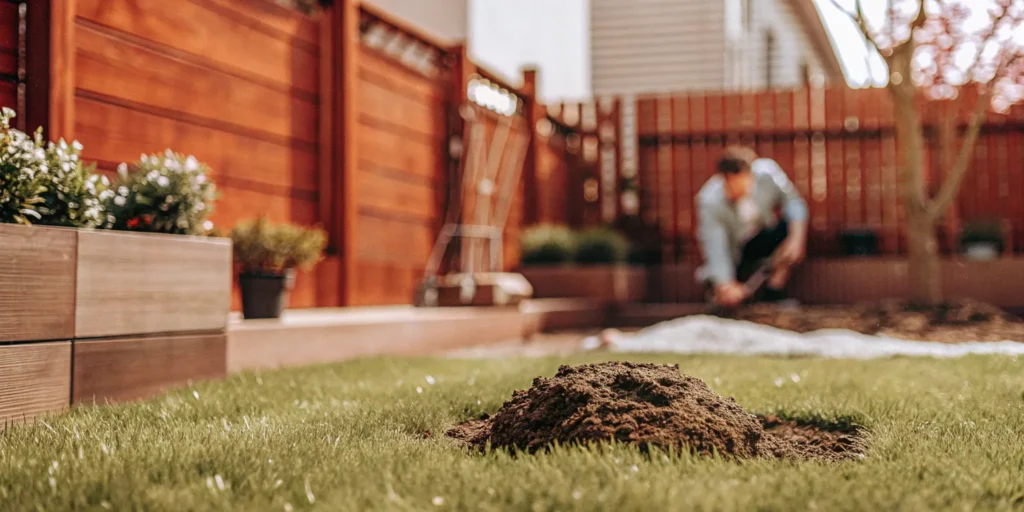
Trying to solve a mole problem with a flimsy, poorly designed trap is like trying to bake a cake without a recipe—you’re likely to end up with a mess and a lot of frustration. The key to successfully clearing your yard of these tunneling pests is having the right tool for the job. But with so many options available, from old-school scissor designs to modern snare traps, it’s hard to know what really works. If you’re asking yourself, what is the best mole trap to buy for consistent results, you’ve come to the right place. We’ll break down the essential features of a great trap, from durable materials to a sensitive trigger, so you can make an informed choice.
Key Takeaways
- Choose a Trap That Works With Mole Behavior: Tunnel-style traps are consistently the most effective because they align with a mole’s natural instinct to clear its runway. Their enclosed design is also less likely to get jammed by dirt, leading to a higher success rate.
- Placement and Preparation are Everything: Even the best trap will fail if set incorrectly. Always place your trap in an active main tunnel, wear gloves to avoid leaving your scent, and cover the area completely to block out all light.
- Invest in Durability for Long-Term Results: A cheap trap is a wasted investment. Opt for a trap made from high-quality, rust-resistant materials like galvanized steel, which will perform reliably for years and save you the frustration of replacing flimsy tools season after season.
What Are the Main Types of Mole Traps?
When you start looking for a solution to your mole problem, you’ll quickly discover there are a few different styles of traps on the market. Each one is designed to work in a specific way, and understanding the differences is the first step to choosing the right one for your yard. Getting familiar with the basic mechanics will help you feel more confident in your choice and, more importantly, get better results without tearing up your entire lawn in the process.
It’s easy to feel overwhelmed by the options, but it really boils down to just a few main categories. The three most common types you’ll encounter are scissor traps, tunnel traps, and snare traps. While they all share the same goal—catching the mole in its tunnel—their designs, setup processes, and effectiveness can vary quite a bit. Some require more digging, while others are set from above ground. Some are known for their raw power, while others are designed for ease of use. Knowing the pros and cons of each will save you time and frustration. Let’s walk through how each one works, so you can figure out which approach makes the most sense for your situation.
Scissor Traps
Scissor traps are a traditional design that many people recognize. They work with two scissor-like jaws that you set underground inside an active mole tunnel. When a mole moves through and pushes against the trigger plate, the jaws snap shut. While they are a classic choice and can be effective when placed perfectly, they come with a few challenges. Setting them up requires a fair bit of digging, and it can be tricky to position them just right. They can also get jammed with rocks or soil, and heavy rain can sometimes affect their performance.
Tunnel Traps
Often considered one of the most effective designs by professionals, tunnel traps (sometimes called barrel traps) are placed directly into the mole’s runway. These traps are typically cylindrical and work by catching the mole as it passes through the middle. Many find them easier to set than other types because they are less likely to get clogged with dirt or small stones. Their enclosed design also means a powerful, quick snap. The best mole traps are designed to be highly effective, often boasting a high success rate because they work with the mole’s natural instinct to clear its tunnel.
Snare Traps
Snare traps offer a different approach. These are typically tube-shaped traps that you insert into the tunnel from the surface, which means less digging and disruption to your lawn. They use a loop, or snare, to catch the mole. A big advantage of this style is that many models have a visible indicator that pops up when the trap has been triggered, so you know it’s time to check it without having to dig it up. While they are easy to deploy, some designs can be less durable than their all-metal counterparts, so it’s important to look for one made from quality materials.
Which Mole Trap Brands Actually Work?
When you’re dealing with a mole problem, you want a trap that gets the job done right the first time. With so many options on the market, it can be tough to figure out which brands live up to their promises. The truth is, effectiveness often comes down to design, materials, and ease of use. Let’s look at a few of the most respected names in mole trapping to see how they stack up and help you find the perfect fit for your yard.
Cinch Traps: The Gold Standard
There’s a reason Cinch Traps are often called the gold standard in the mole-catching world. Hand-made in Oregon from durable, galvanized steel, these traps are built to last a lifetime—and they’re backed by a warranty that proves it. Experts consistently recommend the brand’s tunnel-style traps as a top choice for effectively catching moles. Their design is incredibly effective because it works with the mole’s natural instinct to clear obstructions in its tunnel. When a mole pushes through the dirt, the trap is triggered. This simple, powerful mechanism is a key part of how it works so effectively. If you’re looking for a reliable, long-term solution, Cinch’s line of mole traps is a fantastic investment.
Victor Mole Traps
You’ve probably seen Victor Mole Traps before; they’re a classic scissor-style trap with powerful underground jaws. Many people have found success with them, and they are a popular choice found in many hardware stores. Their design has been around for a long time and is a familiar sight for many gardeners and homeowners. One thing to keep in mind is that they do require a bit of digging to set up properly in the mole’s tunnel. You’ll need to be comfortable excavating a small area of your lawn to place them correctly, but once set, their powerful spring mechanism is designed to be effective.
Talpex Traps
The Talpex Trap is another highly recommended option, especially if you’re dealing with tricky moles or challenging soil conditions. This trap operates a little differently from others. It’s triggered when a mole pushes soil into it, which makes it a great choice for trap-shy moles that have learned to avoid other types of traps by simply plugging them with dirt. If you have soil that isn’t too rocky and you’ve struggled with other methods, the unique trigger on a Talpex trap might be just what you need to finally solve your mole problem.
GopherHawk Traps
If you’re looking for a trap that’s easy to set without a lot of digging, the GopherHawk is worth a look. This brand uses a snare-style mechanism that can be set from the surface, which many users find less intrusive and simpler to manage. One of its most user-friendly features is a yellow visual indicator that lets you know when the trap has been sprung. This means you can tell at a glance from across the yard if you’ve caught a mole, saving you the time and effort of checking each trap manually.
Weighing the Pros and Cons of Each Trap Type
Choosing the right mole trap can feel overwhelming, but it really comes down to understanding the three main designs: scissor, tunnel, and snare. Each type has its own unique approach to catching moles, and knowing the differences will help you find the perfect fit for your yard and your comfort level. Think of it like picking the right tool for a job—the best one is the one that works efficiently and doesn’t cause you extra frustration. Let’s break down the good, the bad, and the practical realities of each style so you can make a confident choice.
Scissor Traps: The Good and the Bad
Scissor traps are one of the oldest designs out there, and their main appeal is that they seem simple to set. However, their performance in the field can be a different story. The biggest challenge with scissor traps is getting them placed correctly within the mole’s tunnel. If they aren’t positioned perfectly, a mole can easily push dirt into the mechanism, jamming it. They are also prone to issues from weather, as heavy rain or frost can interfere with the trigger. Because their springs are often not very strong, they have a lower success rate and are not considered the most humane option.
Tunnel Traps: Benefits and Limitations
Tunnel traps, also known as barrel traps, are widely considered the gold standard by professional mole catchers, and for good reason. These traps are designed to be placed directly inside the mole’s tunnel, mimicking the natural runway. A well-designed tunnel trap has a powerful spring for a quick, humane dispatch and a sensitive trigger that moles can’t easily bypass. Because the mechanism is contained, it’s less likely to get clogged by rocks or dirt. This design is incredibly versatile, working effectively in both the deep tunnels and the shallow surface runs you see in your lawn. The key is to choose high-quality mole traps made from durable materials.
Snare Traps: Strengths and Weaknesses
Snare traps offer a different approach that many beginners find appealing. These traps are typically set from above the ground, using a tube or frame that you insert into the mole’s tunnel. When the mole passes through, it triggers a snare that loops around it. The main advantages are the easy setup and the fact that they cause very little damage to your lawn. Many models also have a visible indicator that pops up, so you know when the trap has been sprung without having to dig it up. The primary weakness, however, is often durability; many snare traps are made with plastic parts that may not last more than a season.
What Makes a Great Mole Trap?
When you’re ready to reclaim your yard, you need a trap that’s reliable, effective, and easy to handle. The best traps share a few key characteristics that set them apart. They’re built tough, designed with precision, and simple enough for anyone to use successfully. Let’s break down the essential features you should look for when choosing the right tool for the job.
Durable, Long-Lasting Materials
A mole trap spends its life underground, so it needs to be made from materials that can handle dirt, moisture, and repeated use. Look for traps constructed from galvanized or stainless steel, as these materials resist rust and corrosion. A well-made trap is an investment that pays off by not having to be replaced every year. Flimsy traps can bend or break, making them useless after just one or two uses. Investing in a durable
A Smart and Sensitive Trigger
A trap is only as good as its trigger. The mechanism needs to be sensitive enough to spring when a mole pushes through, but not so delicate that it misfires from a bit of falling dirt. The best traps have a “hair trigger” sensitivity that ensures a quick and humane catch. An effective trigger is crucial because if a mole senses something is off, it will simply back away and dig a new tunnel around your trap. A trap with a dependable trigger takes the guesswork out of the process and gives you confidence that it will work as intended.
Simple Setup and Safety Features
Let’s be honest—no one wants to spend an hour digging up their lawn just to set a single trap. The best mole traps are designed for a quick and straightforward setup, often taking just a minute or two. You shouldn’t need a toolbox or an engineering degree to get it working. Look for designs that are easy to place in the mole’s tunnel and can be set without putting your hands in harm’s way. A simple, safe setup process means you can place multiple traps efficiently, which is one of the best strategies for clearing your yard of moles quickly.
Built to Withstand the Elements
Your mole trap will be outside, facing everything from morning dew to heavy rain. A quality trap is designed to perform reliably in all kinds of weather. Materials that resist rust are a must, but you should also look for a simple, powerful design that isn’t easily clogged by mud or debris. Proper care, like cleaning and drying your traps before storing them, will extend their life even further. The most reliable traps often come with a lifetime warranty, which is a great indicator that the manufacturer stands behind their product’s durability. You can usually find details about maintenance on a company’s FAQ page.
How to Set Your Mole Trap for the Best Results
Having the best mole trap is only half the battle. Where and how you set it up makes all the difference in whether you catch that pesky critter or just end up with more dirt mounds in your lawn. Think of it like fishing—you need the right lure, but you also need to cast your line in the right spot. A little strategy goes a long way. By focusing on a few key details, you can dramatically improve your success rate and reclaim your yard much faster.
Find the Right Spot: Locating Active Tunnels
First things first, you need to play detective. Moles create a complex network of tunnels, but they only use a few of them as their main highways. These active tunnels are your target. Look for the straighter, more established ridges in your yard, as these are often the primary runways. To confirm a tunnel is active, gently press down a one-inch section with your foot. Mark the spot and check back in a day or two. If the mole has pushed the dirt back up to repair the tunnel, you’ve found a winner. This is exactly where you want to place your trap for the highest chance of success.
Cover Your Tracks (and Your Trap)
Moles have a keen sense of smell and are wary of anything unusual in their environment. That’s why it’s so important to handle your trap with gloves. This prevents your human scent from getting on the trap and the surrounding soil, which could spook the mole. After you’ve set the trap in the active tunnel, your next job is to make it disappear. Cover the area completely to block out all light. You can use a piece of sod, a clump of dirt, or even place a bucket over the set. The goal is to make the trap area look and feel like just another part of their dark, undisturbed tunnel system.
Why More Traps Mean More Success
While it might be tempting to start with just one trap, you’ll get faster results by setting a few. A single mole can maintain a surprisingly large network of tunnels, and using only one trap is a bit of a guessing game. By placing multiple mole traps in different active runways across your yard, you significantly increase your odds of intercepting the mole on its daily travels. This strategy allows you to cover more territory and resolve your mole problem more efficiently. Think of it as increasing your coverage to ensure you catch them wherever they roam.
Common Mole Trapping Mistakes to Avoid
Setting a mole trap can sometimes feel like a game of wits. You know the mole is there, but catching it is another story. Often, the difference between success and frustration comes down to avoiding a few common errors. Even the most effective trap on the market won’t perform well if it’s not used correctly. By understanding what not to do, you can significantly increase your chances of clearing your yard of these tunneling pests. Let’s walk through the three biggest mistakes people make so you can get it right the first time.
Placing Traps in the Wrong Location
This is, without a doubt, the number one reason traps fail. Moles create a complex network of tunnels, but they don’t use all of them regularly. Placing a trap in a temporary feeding tunnel that a mole visited once is a waste of time. Your goal is to find their main travel routes—the “highways” they use daily. To find an active tunnel, gently press down a small section of a raised tunnel with your foot. Check back in 24 hours. If the mole has pushed the soil back up, you’ve found an active run. This is exactly where your trap should go. Also, remember to wear gloves to keep your scent off the trap, as moles can be wary of human smells.
Forgetting About Proper Maintenance
A mole trap is a mechanical tool, and just like any other tool, it needs a little care to work properly. A rusty, dirt-caked trap won’t have the sensitive, quick-springing action needed to catch a mole. Before setting your trap, make sure its moving parts are clear of debris and move freely. A quick spray of vegetable oil on the joints can keep it sensitive and responsive. After the season is over, don’t just toss your traps in the shed. Clean them off and store them somewhere dry to prevent rust and damage. A well-maintained trap is a reliable trap, ready to go whenever you need it. This simple step ensures your trapping equipment will last for years.
Ignoring Weather and Your Environment
Your yard’s conditions play a big role in successful trapping. Extremely dry, hard-packed soil can make it difficult to set a trap correctly, while overly wet, muddy soil can clog the mechanism. The ideal time to trap is when the ground is moist but not saturated. You also need to consider the tunnel’s depth. If the soil over the mole’s runway is too high, the trap might not sit low enough to be effective. You may need to carefully remove a bit of sod to ensure the trap is positioned correctly within the burrow. And before you start digging, be mindful of what’s underground. You don’t want your pest problem to turn into a costly repair of a sprinkler line or landscape lighting wire.
How to Choose the Perfect Mole Trap for Your Yard
Finding the right mole trap isn’t a one-size-fits-all situation. The trap that works wonders for your neighbor might not be the best fit for your specific yard conditions or comfort level. Choosing the perfect trap comes down to three key things: your yard’s unique environment, your own experience, and what you’re willing to invest for a long-term solution. By thinking through these factors, you can pick a trap that will effectively solve your mole problem without adding extra frustration to your plate. Let’s walk through how to make the right choice for you.
Consider Your Soil and Yard Size
The type of soil in your yard plays a huge role in a trap’s success. If you have rocky or heavy clay soil, some traps can get clogged or fail to trigger correctly. You need a trap that can function smoothly no matter the conditions. Tunnel traps, for example, are often designed to work well in both shallow and deep mole runs, and their mechanisms are less likely to get jammed by loose dirt or small stones. For larger properties, you’ll also want to think about efficiency. Having several easy-to-set mole traps allows you to cover more ground and increase your chances of catching a mole quickly.
Find a Trap That Matches Your Experience Level
Be honest with yourself—are you a seasoned trapper or a complete beginner? Some traps, like professional-grade scissor traps, are incredibly powerful but require more strength and skill to set safely. Others, like some snare-style traps, are simpler to place but may not be as durable. The ideal trap is both effective and easy for you to handle. You want a design that feels intuitive and doesn’t require a complicated setup process. Look for a trap with clear instructions and a straightforward mechanism, which will give you the confidence to set it correctly every time. You can find great resources that show you exactly how it works before you even buy.
Balance Your Budget with Long-Term Value
While it’s tempting to grab the cheapest trap off the shelf at a big-box store, this approach often costs more in the long run. Inexpensive traps are typically made from flimsy materials that can bend, rust, or break after just a few uses. Investing in a high-quality trap made from durable materials like galvanized steel is a much smarter move. A well-made trap will not only last for years but will also perform more reliably. Think of it as buying a quality tool for your garden—it’s an upfront investment that pays off with dependable results season after season. A company that offers a lifetime warranty is usually a great sign you’re getting a product built to last.
Keeping Your Mole Traps in Top Shape
A great mole trap is an investment that should last for years, not just a single season. Cinch Traps are handmade in Oregon from durable galvanized steel, so they’re already built to withstand the elements. But like any quality tool, a little bit of care will keep them working perfectly. Proper maintenance ensures your traps remain sensitive, effective, and ready to deploy the moment you see a new mole run. By following a few simple steps for checking, cleaning, and storing your traps, you can protect your investment and make sure you’re always prepared to defend your yard.
Check Your Traps Daily
Once you’ve set your traps, it’s important to get into a routine of checking them at least once every 24 hours. This is a crucial step for a few reasons. First, it allows you to quickly and humanely deal with a captured mole. Second, it lets you see if a trap has been triggered without a catch, which might mean you need to adjust its position or find a more active tunnel. Daily checks also prevent a captured pest from attracting other scavengers to your yard. Making this a part of your daily walk through the garden ensures your trapping efforts are as effective as possible and that you can reset your traps right away to catch the next one.
Clean and Care for Your Traps
After you’ve successfully caught a mole, take a few minutes to clean your trap before resetting it. A simple scrub with a wire brush and some water is usually all it takes to remove any dirt or debris. This keeps the trigger mechanism moving freely and ensures it remains sensitive. While our galvanized steel traps are designed to resist rust, giving them a quick wipe-down to dry them off after cleaning will help extend their life even further. Keeping your traps clean and in good working order is the best way to guarantee they’ll be reliable every time you need them.
Store Them Properly Off-Season
When mole activity dies down for the season, don’t just toss your traps in a corner of the garage. Storing them correctly will prevent damage and ensure they’re ready for action next spring. After giving them a final cleaning, make sure your traps are completely dry. Find a dry place to hang them or store them in a box, safe from being bent or crushed by other equipment. Proper off-season storage protects the sensitive trigger mechanisms and prevents any potential rust from forming, so your traps will be just as effective next year as they were this year. It’s a simple step that honors the lifetime warranty that comes with every Cinch Trap.
Where to Buy the Best Mole Traps (And What They Cost)
Once you’ve decided on the right type of trap for your yard, the next step is figuring out where to buy it. This decision can be just as important as the trap style you choose, as it often determines the quality, price, and support you’ll receive. Finding a reliable source ensures you get an effective tool that will last for years, not a flimsy imitation that will only add to your frustration.
Buying Online vs. In a Local Store
It can be tempting to just grab the first mole trap you see at your local hardware or garden store. While convenient, these stores often stock lower-quality, mass-produced traps that bend or break easily. You might find that some traps, especially tunnel traps, are poor copies of more effective designs. Buying directly from a reputable manufacturer’s website is usually the best approach. This ensures you get a genuine, high-quality product built to last. When you shop for mole traps online from a trusted brand, you also get access to their full product line and expertise.
Understanding Price and Value
When it comes to mole traps, you truly get what you pay for. While a cheaper trap might seem like a good deal initially, it’s often a waste of money in the long run. The most effective mole traps usually cost a bit more because they are made from superior materials like galvanized steel. Think of it as an investment in your property. A durable, well-made trap will not only work more effectively but will also last for season after season. The real value isn’t in the initial price tag, but in a trap that solves your mole problem quickly and can be used for a lifetime.
Look for a Great Warranty and Support
A company that believes in its product will stand behind it. Before you buy, always check for a strong warranty—a lifetime warranty is the gold standard and shows the manufacturer is confident in their trap’s durability. Beyond the warranty, look for a company that provides excellent customer support. The best brands don’t just sell you a trap; they provide the resources you need to succeed. This includes detailed instructions, helpful video tutorials on how it works, and accessible customer service to answer your questions. This support is invaluable for setting your traps correctly and achieving the best results.
Related Articles
- Cinch Traps Mole Trap
- Cinch Traps Mole Kit
- FAQs: Moles & Gophers
- Mole Trap Testimonials
- Mole Traps Product Collection
Frequently Asked Questions
How many mole traps should I actually use for my yard? While it depends on the size of your property and the extent of the mole activity, a good rule of thumb is to start with at least two or three traps. Using only one trap is like trying to catch a fish in a big lake with a single hook—it’s possible, but your odds aren’t great. Setting multiple traps in different active tunnels across your yard significantly increases your chances of intercepting the mole on its daily route, helping you solve the problem much faster.
My trap isn’t catching anything. What am I doing wrong? This is a common frustration, and it almost always comes down to one of three things. First, double-check your location. You must place the trap in an active “highway” tunnel, not an old feeding path. Test a tunnel by pressing it down and seeing if it’s repaired the next day. Second, always wear gloves when handling your trap to avoid leaving your scent behind. Finally, make sure the trap is completely covered to block all light, making it feel like a natural part of the tunnel.
Do I need to use bait with my mole trap? No, you don’t need to use any bait. Moles are insectivores, meaning they hunt for live earthworms, grubs, and insects in the soil. They aren’t attracted to baits like peanut butter or pellets the way a mouse might be. The most effective traps, like tunnel traps, work by being placed directly in the mole’s path. The trap is triggered by the mole’s natural instinct to clear the obstruction from its tunnel, not by a lure.
Is it really worth spending more on a high-quality trap? Think of it as buying a quality garden shovel versus a cheap plastic one. While the initial cost of a well-made trap from a brand like Cinch is higher, it’s an investment that pays off. Inexpensive traps often bend, rust, or have weak springs, leading to failed attempts and the need to buy replacements year after year. A durable trap made from galvanized steel will provide reliable, effective results for a lifetime.
Are tunnel traps really the most effective option? While different traps can work in different situations, professionals often prefer tunnel traps for their reliability. Their enclosed design is less likely to get clogged with dirt or rocks, which is a common issue with scissor-style traps. More importantly, they work with the mole’s natural behavior. When a mole encounters the trap, its instinct is to push through the blockage, which ensures a quick and effective trigger.