It’s tempting to grab the cheapest, most convenient option when you’re facing a mole invasion. But when it comes to mole traps, you truly get what you pay for. A flimsy, poorly designed trap often leads to nothing but frustration, wasted time, and a mole that’s now educated to avoid your efforts. Investing in a high-quality, durable trap from the start is the smartest, most effective, and most humane approach. This guide explains why a well-made trap is a long-term solution, not a temporary fix. We’ll explore what separates a professional-grade tool from a dud and show you how making the right choice now will save you headaches for years to come.
Key Takeaways
- Invest in a Quality Trap: Your success depends on the tool you choose. Opt for a durable, professional-grade trap made from galvanized steel, as it ensures a quick and humane catch. Avoid flimsy scissor traps and ineffective live catch traps, which often create trap-shy moles.
- Placement is Everything: A great trap in the wrong spot won’t work. Always set your trap in a main, active runway that moles use daily, not a temporary surface tunnel. Remember to wear gloves to avoid leaving your scent, which can easily deter a mole.
- Be Strategic and Patient: Don’t rely on just one trap to solve your problem. Using at least two traps in different active tunnels significantly increases your chances of success. Check them daily, and if you don’t get a catch right away, simply move the trap to another active location.
A Quick Guide to Mole Trap Types
When you start looking for a solution to your mole problem, you’ll quickly find there are several types of traps on the market. Understanding the basic categories will help you cut through the noise and choose a trap that actually works for your yard. Each style has a different mechanism and is designed to be set in a specific way. Let’s walk through the most common options you’ll encounter, from the ones professionals swear by to the ones you might want to skip.
Scissor-Style Traps
These are one of the most common designs you’ll see. Scissor traps, as the name suggests, use two sets of clamping jaws that are triggered when a mole moves through the tunnel. While the concept is sound, quality varies wildly. Many cheaper, mass-produced versions are made with weak springs and flimsy metal. A poorly made trap might not be strong enough for a quick, humane kill and can end up just injuring the mole. This not only causes unnecessary suffering but can also make the mole “trap-shy,” meaning it will actively avoid any traps in the future. This is why the design and power of your mole traps are so critical for success.
Harpoon-Style Traps
Harpoon traps are set on top of a mole tunnel, not inside it. When a mole pushes up on the soil to clear its runway, it hits a trigger pan, which releases a set of sharp spikes, or harpoons, into the ground. Some people find these effective for moles that have learned to avoid other traps by simply plugging them with dirt. However, their success often depends on precise placement over a very active surface runway. They can also be more difficult to set correctly and may not be suitable for all soil types, especially hard or rocky ground where the spikes can’t penetrate easily.
Tunnel-Style Traps
Often called Duffus traps, tunnel-style traps are a favorite among professional mole catchers, and for good reason. These are half-cylinder traps placed directly inside the mole’s tunnel, creating a new “tunnel” for the mole to pass through. They typically have a strong spring and a fast trigger mechanism that works from either direction, making them highly effective. Because they are set within the runway and can be covered to block out all light, moles are less likely to be suspicious of them. Their enclosed design also makes them a bit safer for non-target animals and curious pets once they are properly set in the ground.
Live Catch Traps
The idea behind a live catch trap is to capture the mole so you can release it elsewhere. These are typically tube-shaped traps with a one-way door at each end. While the intention is humane, the reality is often different. Moles have powerful claws and a strong instinct to dig. More often than not, a mole will simply treat the trap as a blockage in its tunnel and dig around or under it completely. Many experienced trappers find them to be ineffective. Plus, you are left with the problem of what to do with a live, stressed-out mole, and relocating wildlife is often illegal or discouraged in many areas.
What Makes a Mole Trap Effective?
When you’re dealing with a mole problem, the last thing you want is a trap that doesn’t work. It’s frustrating to set everything up perfectly only to find an empty trap and a new molehill the next day. So, what separates a successful trap from a dud? It comes down to a few key features. A truly effective mole trap isn’t just about its design; it’s about the combination of a powerful mechanism, durable materials, user-friendly setup, and a proven ability to get the job done. Let’s look at what you should be searching for.
A Powerful and Reliable Mechanism
An effective mole trap needs a strong, fast-acting mechanism. Moles are surprisingly quick, and a slow or weak trap will only educate them to avoid it in the future. The goal is a swift, humane catch that resolves the problem on the first try. Professional mole catchers often prefer traps with a powerful spring action because they know reliability is key. A trap that triggers consistently and with enough force ensures the mole is caught securely every time. This is why understanding how it works is so important before you buy; you want a design that leaves no room for error or escape.
Durable, Weather-Resistant Materials
Mole traps live a tough life outdoors. They’re buried in damp soil and exposed to rain, sun, and changing temperatures. A trap made from flimsy plastic or untreated metal will quickly rust, warp, or break, rendering it useless. Look for traps constructed from high-quality, weather-resistant materials like galvanized steel. This ensures your trap remains functional season after season, providing a much better return on your investment. Durable mole traps are not just a purchase but a long-term solution for keeping your yard clear of pests, ready to be deployed whenever a new tunnel appears.
A Safe and Easy-to-Set Design
Let’s be honest, no one wants to wrestle with a complicated or dangerous trap. The best designs are straightforward and intuitive, allowing you to set them quickly and safely without needing special tools or superhuman strength. An easy-to-set trap means you’re more likely to place it correctly, which is critical for a successful catch. It also reduces the risk of accidentally snapping your fingers. A well-designed trap is effective against moles while being safe for the user. If you have questions about setup, a good company will have clear instructions and FAQs to guide you through the process.
A Proven High Catch Rate
Ultimately, the most important feature of a mole trap is its ability to catch moles. A trap can look great and feel sturdy, but if it doesn’t deliver results, it’s not worth your time. Look for traps with a proven track record and a high success rate, often backed by professional use or independent studies. A trap with a high catch rate is a sign of a well-engineered design that accounts for a mole’s natural behavior. Investing in effective gopher traps and mole traps means you’ll spend less time resetting them and more time enjoying your pest-free lawn.
The Best Mole Traps for Professional Results
When you’re dealing with a mole problem, the last thing you want is a flimsy trap that doesn’t work. The market is flooded with options, but professional pest controllers and seasoned gardeners rely on a few specific types of traps for one simple reason: they get the job done consistently. The most effective traps share a few key qualities. They have a powerful and reliable trigger mechanism, they’re built from durable materials that can withstand the elements, and they are straightforward to set safely.
Choosing a professional-grade trap means you can stop wasting time and money on gimmicks and finally see real results. A high-quality trap not only increases your chances of success but also ensures a quick, humane catch, which is a priority for any responsible property owner. Let’s look at the top-tier traps that professionals trust to protect lawns, gardens, and farms from the destructive habits of moles. These are the designs that have stood the test of time and continue to deliver professional results.
Cinch Traps: The #1 Choice for Ease and Durability
When it comes to a trap that balances raw effectiveness with user-friendly design, it’s hard to beat a Cinch Trap. We’ve been perfecting our design since 1909, and there’s a reason it’s been ranked #1 in university studies. Each of our mole traps is handmade in Oregon from heavy-duty galvanized steel, so you know it’s built to last season after season. This isn’t a disposable tool; it’s a permanent solution backed by a lifetime warranty. The design is incredibly easy to set, making it a top choice for homeowners who want professional power without a steep learning curve. It’s a durable, reliable, and proven tool for reclaiming your yard.
Tunnel Traps (Duffus-Style): A Classic Professional Pick
Tunnel traps, also known as Duffus-style traps, are a long-standing favorite among professional mole catchers. These half-barrel traps are valued for their versatility and powerful action. They can be placed in both deep and shallow mole runs, making them adaptable to different situations you might find in your yard. Their classic design is incredibly effective when set correctly in an active tunnel. One word of caution: be wary of cheap imitations found in many big-box stores. True professional-grade tunnel traps are made from high-quality steel and have a much more reliable trigger mechanism than the flimsy copies.
Talpex-Style Traps: Known for a Powerful Spring
If you’re dealing with a particularly clever or “trap-shy” mole, a Talpex-style trap might be the answer. This scissor-type trap is known for its exceptionally powerful spring. Unlike some traps that rely on a sensitive trigger plate, the Talpex is designed to be set off when a mole pushes dirt into it to block the tunnel. This action-based trigger makes it highly effective at catching moles that have learned to avoid other types of traps. The sheer force of the mechanism ensures a quick and humane dispatch, making it another trusted option in the professional’s toolkit for tackling even the most difficult mole infestations.
Which Mole Traps Should You Avoid?
When you’re dealing with a mole problem, the last thing you want is a trap that doesn’t work. Choosing the wrong type can not only waste your time and money but can also make moles more difficult to catch in the future. Some traps are poorly designed, ineffective, or less humane than others. To save you from the frustration, let’s look at a few types of mole traps you should probably leave on the shelf.
Why Most Scissor and Harpoon Traps Fail
Scissor and harpoon traps are common, but they often cause more problems than they solve. Many of the cheaper models, especially foreign-made copies, are built with weak springs and flimsy wire. This poor construction means they might only nip a mole instead of catching it cleanly. This makes the mole “trap-shy” and much harder to catch later with more effective traps. These traps can also be tricky to install correctly and can get jammed with rocks or soil. In heavy rain or frost, their performance drops even more, leaving you with a still-active mole and a useless piece of metal in your yard.
The Problem with Live Catch Mole Traps
The idea of a live catch trap sounds humane, but the reality is often the opposite. Moles are smart diggers and will frequently just burrow around these traps, making them completely ineffective. Even if you do manage to catch one, you’ve created a new problem. You are now responsible for checking the trap at least once a day. If you forget or get busy, the trapped mole will suffer from stress, starvation, and dehydration, leading to a slow and inhumane death. A more reliable method ensures a quick resolution, which is why understanding how a cinch trap works is so important for a humane outcome.
How to Spot a Poorly Designed Trap
It’s easy to be fooled by a cheap trap that looks like a professional model. Many traps sold in big-box garden centers or online are low-quality copies that will only lead to frustration. Before you buy, inspect the trap closely. Does it feel flimsy? Are the springs weak? Is the metal thin and easily bent? These are all red flags. A well-made trap will feel sturdy and have a powerful spring mechanism. Investing in a quality, American-made trap ensures you have a tool that will work correctly and last for years, saving you from the headache of a poorly designed product.
How to Choose the Right Mole Trap
Picking the right mole trap can feel overwhelming, but it really comes down to a few key factors. The most effective trap for your yard depends on your specific situation, including the types of tunnels you’re seeing and the kind of soil you have. A trap that works wonders for your neighbor might not be the best fit for you if you’re dealing with different conditions.
Think of it like choosing the right tool for a job. You wouldn’t use a hammer to turn a screw. Similarly, matching the trap to the environment is the first and most important step toward successfully getting rid of moles. By focusing on the mole’s behavior and your yard’s characteristics, you can select a trap that will deliver consistent results. We’ll walk through three main things to consider: the mole tunnels, your soil type, and the quality of the trap itself. Getting this right from the start will save you a lot of time and frustration.
Match the Trap to the Mole Tunnels
First, take a close look at the mole activity in your yard. Moles create a network of tunnels, but not all of them are created equal. Some are shallow, temporary feeding tunnels you see right under the surface, while others are deeper, main runways they use daily. For the best results, you want to place your trap in one of these main runways. Tunnel-style traps are often the best design because they are powerful and work well in both deep and shallow runs. Our Cinch Traps for moles are designed to be placed directly inside the tunnel, catching the mole as it moves through its established path. This approach is much more effective than targeting the temporary surface ridges.
Consider Your Specific Soil Type
The type of soil in your yard plays a big role in how well a mole trap functions. If you have very rocky or hard, compacted clay soil, some traps may struggle to trigger correctly or can be difficult to set. For example, certain traps are designed to trigger when a mole pushes soil, which works best in looser, stone-free soil. For most homeowners dealing with a mix of soil conditions, a durable and versatile trap is the way to go. Cinch Traps are handmade in Oregon from galvanized steel, making them sturdy enough to perform reliably in various soil types, from soft loam to tougher ground. You need a trap that can handle your specific environment without failing.
Prioritize High-Quality, Lasting Materials
When you’re ready to buy, always choose the best quality trap you can find. It’s tempting to grab a cheap option from a big-box store, but many of these are poorly made with weak springs and flimsy materials. These traps often fail to catch moles or break after just a few uses, which is incredibly frustrating. A well-made trap is a smart investment that will last for years. Look for traps built from durable, weather-resistant materials like galvanized steel. A quality trap not only ensures a higher catch rate but also provides a more humane and efficient solution. Our traps come with a lifetime warranty because we know they are built to last.
How to Set Your Mole Trap: A Step-by-Step Guide
Owning a great mole trap is the first step, but knowing how to use it correctly is what guarantees results. Proper placement and setup make all the difference between a yard full of molehills and a successful catch. Following a few simple steps will help you set your trap like a professional and reclaim your lawn. Let’s walk through the process together, from finding the perfect spot to setting the trap for a quick, effective catch.
Step 1: Find an Active Runway
Moles dig a complex network of tunnels, but they use some more frequently than others. These main “runways” are the highways of their underground world and the best place for your trap. To find one, look for straight tunnels or ones that follow a landscape feature like a fence or foundation. You can test a tunnel by gently pressing down a small section with your foot. If the mole pushes the dirt back up within a day or two, you’ve found an active runway. It’s also important to measure the mole tunnel to pick the right size mole trap so it fits snugly inside without blocking the path.
Step 2: Prepare the Tunnel
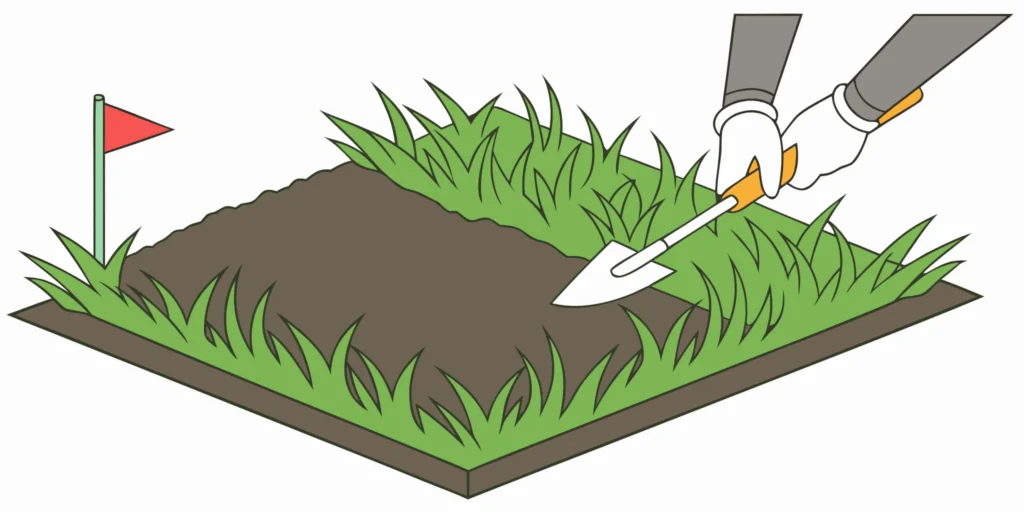
Once you’ve located an active runway, it’s time to prepare it for the trap. First, clean out any fresh mole mounds so you can see new activity clearly. Then, using a small trowel, carefully dig a hole just large enough to fit your trap into the tunnel. You want to expose the runway without causing it to collapse. The goal is to completely clear out the tunnel access so the mole has an unobstructed path straight into your trap. For a visual demonstration of this process, you can see exactly how it works with our traps.
Step 3: Set and Cover the Trap
With the tunnel exposed, you can now set your trap according to its instructions. Place it firmly in the opening, ensuring the trigger mechanism is aligned with the tunnel path. Cinch Traps are designed to be powerful and easy to set in both deep and shallow mole runs. After the trap is in place, cover the opening to block all light. A piece of sod, a bucket, or a flat board works well. This makes the mole think its tunnel has simply caved in, and it will come to investigate and clear the blockage, triggering the trap in the process.
Step 4: Check Your Traps Daily
Checking your traps every day is a critical final step. This allows you to quickly and humanely dispose of any captured moles and reset the trap if necessary. If a trap hasn’t been sprung after a couple of days, the runway might not be as active as you thought. Don’t get discouraged; simply move the trap to a new, active location. Consistent daily checks are the key to managing a mole problem effectively and ensuring you aren’t leaving a suffering animal in a trap. If you have more questions about trapping frequency, our FAQs can provide additional guidance.
Are You Making These Common Trapping Mistakes?
Even with the best trap, a few simple missteps can leave you feeling frustrated. If you’re not seeing results, don’t worry. It happens to everyone at first. Often, a small adjustment to your technique is all it takes to turn things around. Let’s walk through some of the most common trapping mistakes and how you can fix them. Getting these details right will make a huge difference in your success rate and help you reclaim your yard from these tunneling pests for good.
Placing Traps in the Wrong Tunnels
Moles create a complex network of tunnels, but they don’t use all of them regularly. Many of the visible surface ridges are temporary feeding tunnels they use only once. The real action happens in the deeper, main runways that they use as daily highways. Placing your trap in a feeding tunnel is like waiting for a bus on a street it no longer services. To find a main runway, gently poke a small hole in several different tunnels. Wait a day and check back. Moles are diligent about their main routes and will quickly repair any damage. The tunnels that have been plugged back up are your prime locations for setting a mole trap.
Leaving Your Scent on the Traps
Moles have a poor sense of sight, but they make up for it with an incredible sense of smell. If they detect your scent on or around the trap, they’ll steer clear. This is a major reason why some trapping attempts fail. Always wear gloves when handling your traps, both when setting them and when removing them from the ground. This simple step prevents you from transferring your scent onto the metal. It’s also a good idea to rub some of the surrounding soil onto the trap to help it blend in naturally. A mole that feels comfortable in its environment is much more likely to enter the trap without suspicion.
Not Using Enough Traps
When you’re dealing with a mole problem, one trap is rarely enough. A single mole can create an extensive network of tunnels, and you might even have multiple moles in your yard. Using only one trap limits your chances of intercepting them on their daily routes. For the best results, you should set at least two traps in different active runways. This strategy doubles your odds of a quick catch and helps you manage the population more effectively. Think of it as covering more ground. If you’re just getting started, it’s a smart move to purchase traps in pairs to set yourself up for success from the beginning.
Giving Up Too Soon
Patience is key when it comes to trapping moles. It can be discouraging if you don’t catch one on the first day, but don’t pull your traps out just yet. Sometimes it takes a day or two for a mole to return to a specific tunnel. As long as you’ve identified an active runway and set your trap correctly, you’re on the right track. Make sure you understand exactly how your trap works by following the instructions carefully. If a few days pass with no activity, try moving the trap to a different active tunnel. Stick with it, and you’ll get the hang of it.
Why a Quality Trap Is a Smart Investment
When you’re dealing with a mole problem, it’s tempting to grab the cheapest trap you can find and hope for the best. But investing in a well-made, durable trap from the start will save you time, money, and a lot of frustration. A quality trap isn’t just a piece of equipment; it’s a reliable solution. It’s the difference between quickly solving your mole issue and battling it for weeks or even months. By choosing a trap built for performance and longevity, you’re making a smart investment in the health and appearance of your lawn and garden.
Achieve a Quicker, More Humane Catch
The main goal of trapping is to resolve the problem efficiently and humanely. A quality trap is designed with a powerful mechanism that ensures a quick, effective catch. Traps made from strong, long-lasting galvanized steel, like Cinch Traps, are built to work correctly every time. Their design boasts a high success rate, with many users catching moles within an hour of setting the trap. This effectiveness means the animal doesn’t suffer, and you get immediate results. A weaker, poorly designed trap can fail to catch the mole properly, leading to unnecessary stress for both you and the mole.
Prevent Moles from Becoming Trap-Shy
One of the biggest risks of using a cheap, low-quality trap is that it might only injure or scare the mole instead of catching it. When a mole has a negative but non-lethal encounter with a trap, it can become “trap-shy,” learning to avoid traps altogether. This makes your job significantly harder. A trap-shy mole is incredibly difficult to catch, as it will actively dig around or block any traps it detects in its tunnels. By starting with a high-quality trap, you ensure a clean, effective catch on the first try, preventing the mole from becoming wary and turning a simple problem into a prolonged battle.
The Long-Term Value of a Lifetime Warranty
A well-made mole trap should last for years, not just a single season. Traps constructed from durable, rust-proof materials like galvanized steel are built to withstand the elements and repeated use. While the initial cost might be higher, the long-term value is undeniable. You won’t have to replace your traps every spring. Companies that stand behind their products often offer a lifetime warranty, which provides peace of mind and demonstrates confidence in the trap’s construction. This means you can buy it once and trust that it will be a reliable tool in your pest control arsenal for life.
Related Articles
- How Do Mole Traps Work? 4 Types Explained
- Easy Mole Trap 101: The Ultimate 2026 Guide
- Mole Trap | Cinch Traps | The Best Mole & Gopher TrapHoliday Banner
- How to Set a Scissor Claw Mole Trap in 5 Steps
- How to Set a Mole Trap: Video & Step-by-Step Guide
Frequently Asked Questions
How do I know where to put the trap for the best results? The key is to find a main runway, which is like a mole’s daily highway. Look for straight tunnels or those that run along a driveway or fence line. To be sure it’s active, gently press down a small section of the tunnel with your heel. If the mole repairs the damage within a day or two, you’ve found the perfect spot to set your trap.
I set a trap but didn’t catch anything. What am I doing wrong? This is a common frustration, but it’s usually an easy fix. First, always wear gloves when handling your trap to avoid leaving your scent, which can make a mole suspicious. Second, double-check that you’ve placed the trap in a main runway, not a temporary feeding tunnel. If you’ve done both of those things, just give it a little more time. Sometimes it takes a couple of days for a mole to return to that specific spot.
Aren’t live catch traps a more humane option? While the idea sounds good, live traps are often ineffective and can cause unnecessary suffering. Moles will frequently just dig around them. If you do manage to catch one, the animal experiences extreme stress while trapped. A well-made, powerful trap that ensures a quick and immediate catch is a much more responsible and effective way to solve the problem.
How many traps do I really need for my yard? Using just one trap is a common mistake that limits your chances of success. A single mole can have a surprisingly large network of tunnels, so you want to cover more ground. For a typical residential yard, setting at least two traps in different active runways is a great strategy. This significantly increases your odds of catching the mole quickly and resolving the issue faster.
What’s the real difference between a cheap trap and a quality one? The difference is in performance and longevity. Cheaper traps are often made from flimsy materials with weak springs that can fail to catch a mole cleanly, making it wary of future traps. A quality trap is a smart investment because it’s built from durable, weather-resistant materials like galvanized steel. It has a powerful mechanism that works consistently, ensuring an effective catch every time and lasting for many seasons.