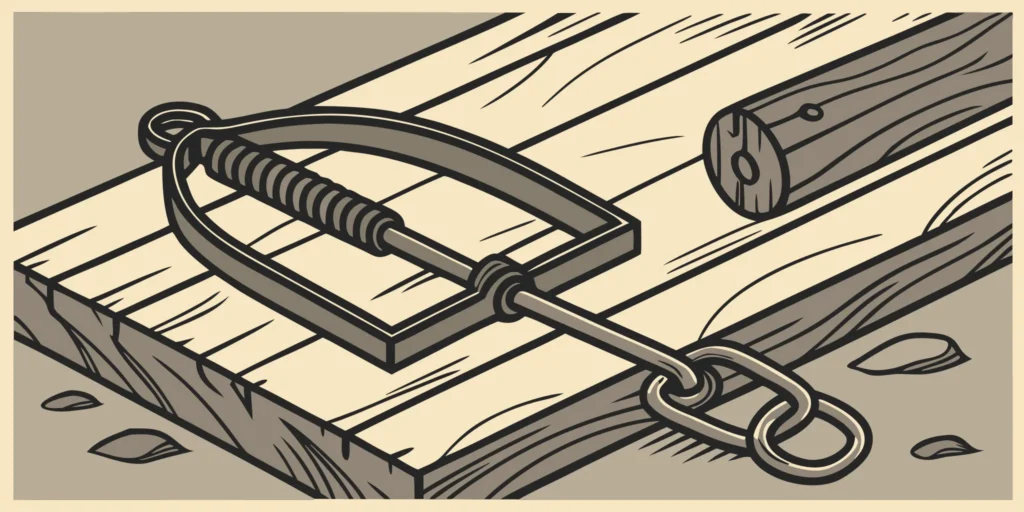
Few trapping tools survive a century of field use without a single major design change. Since its founding in Oregon in 1909, Cinch Traps has kept this exact standard of strength. Today, growers and homeowners still rely on the same American steel.
Shop the full Cinch Traps product line today with flat rate shipping.
The history of cinch traps began in 1909 when founder Don Sprague built a mechanical trap to protect Oregon orchards and farms from rodent damage. At the time, pocket gophers and moles were ruining crops and pastures across the growing American West. Sprague made a strong tool from American galvanized steel that was simple, safe, and highly effective. This original design worked so well that five major universities ranked it as the top choice for pest control. Today, the company still makes these classic traps in Beaverton, Oregon, serving thousands of growers across North America.
How did a simple workshop in Oregon grow into a legendary brand that has lasted for more than a century? The story of this enduring business is one of hard work, smart design, and deep commitment to quality.
The 1909 Founding: Don Sprague and the Birth of a Legacy
Don Sprague founded Cinch Traps in 1909 to give farmers a reliable, non-poison tool against the underground pests that were destroying crops across the American West. His steel trap design was so effective it attracted U.S. Forest Service adoption and laid the foundation for a business that has operated for more than 116 years.
Western expansion and the gopher problem
As settlers moved west in the late nineteenth and early twentieth centuries, they faced many farming struggles. Pocket gophers were one of the biggest pests they met. These burrowing rodents tore up fields and destroyed crops. According to trapping research published by the University of Nebraska-Lincoln, trapping was the predominant method of pocket gopher control in this era. Farmers needed a strong tool to stop these pests without using poison.
The demand for tools sparked a wave of new designs. Many inventors tried to build the perfect trap to protect crops and trees. A single smart design would soon stand out from the rest and change the way people managed underground pests.
Don Sprague’s early trap design
In 1909, a man named Don Sprague founded Cinch Traps to help farmers protect their land. Sprague made a strong trap that was quick, safe, and worked well. His work marked the start of a proud family legacy. To learn more about our roots, you can read about Cinch Traps and our mission. We always strive to give folks a strong, safe way to catch pests.
The timing of Sprague’s design was perfect. Historical research shows that the peak of mechanical gopher trap development occurred between 1900 and the 1930s. During these active years, dozens of new traps entered the market. But few designs could match the build quality and simple trigger of the Cinch Trap. It quickly became a favorite tool for those who wanted to catch pocket gophers without using bait. The trap was easy to set and worked every time.
Forest Service adoption and agricultural growth
The success of the new trap spread fast beyond local farms. The United States Forest Service became an early adopter of the tool. Forestry workers used the Cinch Trap to protect young tree plantings from gopher damage. Gophers would chew on the roots of new trees and kill them. The simple design of the trap allowed workers to clear target areas quickly.
This early adoption proved that the trap worked well on a large scale. It showed that the tool was tough enough for heavy field use. Soon, nursery owners and large farms began to buy the traps in bulk. They saw that trapping was a safe way to protect their plant stock. This trust helped build a business that has run for over 116 years. Our success rests on the heritage and design excellence that began with Sprague’s first trap.
Handcrafted in Oregon: A Century of American Manufacturing
Every Cinch Trap sold today is still hand-made in Beaverton, Oregon, using American galvanized steel with a full lifetime guarantee. This commitment to local manufacturing sets Cinch apart from brands that moved production overseas.
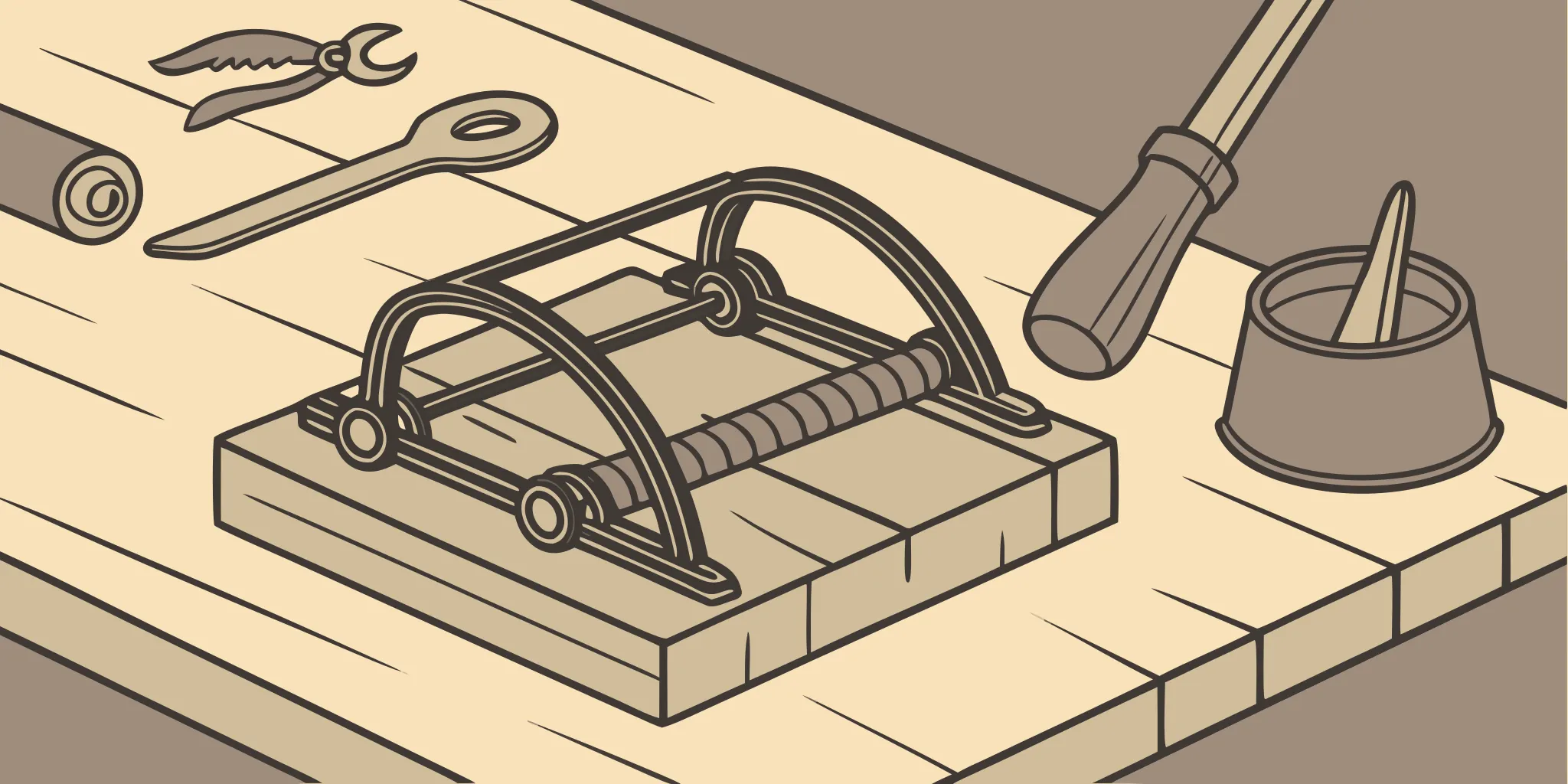
Local Craftsmanship in Beaverton
For more than a century, we have built our tools in the Pacific Northwest. Our shop in Beaverton, Oregon serves as the heart of our work. Each trap is built by hand by skilled workers who know the trade.
We make each piece with care because we know that local quality is what our customers need. This focus on local work is a major part of the 1909-founded Oregon manufacturer.
We make all of our traps using American galvanized steel. This heavy duty steel keeps the tools from rusting in wet soils. Our traps work in mud, rain, and snow without losing their strength. When you buy our traps, you get real American steel built to stand up to the weather.
Built to Last a Lifetime
Many modern traps use cheap plastic that breaks in the sun or cold weather. Our traps do not use weak parts that fail after a few uses.
We stand by our work with a full lifetime guarantee on every trap we make. If a trap has a defect in parts or work, we will make it right. You do not have to buy a new trap every spring because our tools are built to last.
When you set our steel trap in a dark tunnel, you can trust it to do its job. It will snap fast and hold tight, time after time.
A Proud History of Pest Control
Trapping pests is an old art. During the early western growth of the United States, trapping was the main way that people chose to manage pocket gophers.
Our company has stayed active in Oregon since those early days. Today, we serve thousands of customers across the United States and Canada. Homeowners, farmers, and pest control experts all rely on our heavy duty steel tools.
Our long history is why we use a simple rule. If it is not stamped CINCH, then it is not the original. Look for that stamp to make sure you get the real deal and the best possible pest control tool.
Early Adopters: From the Forest Service to Farmers
The Cinch Trap earned its reputation through real-world use by the U.S. Forest Service, federal land managers, and working farmers long before it reached garden centers. These early adopters proved the design could handle the toughest field conditions.
Government Trust and the Forest Service
At the turn of the century, the United States Forest Service faced a major threat. Gopher digging ruined young tree plantings across vast tracts of land. To protect these new forests, rangers needed a tool that was both quick and sure. They turned to the Cinch trap to safeguard young seedlings.
Forestry crews and rangers preferred Cinch traps for several key reasons:
- The design allowed for rapid surface placement without deep digging.
- The heavy galvanized steel withstood the damp conditions of forest floors.
- The sensitive trigger ensured a high catch rate on the first try.
- The simple mechanism required no maintenance between uses.
Foresters found that the trap worked well on the surface without digging deep tunnels. This method allowed a single ranger to cover more ground each day. Early field trials proved that mechanical trapping saved thousands of young trees from root damage. This success helped establish Cinch as a trusted name in federal land care.
The Era of Western Expansion
This federal trust was built on a long history of land care in America. During the early western growth of the country, pocket gophers caused massive damage to newly cleared fields. As more people moved west, the need for durable, factory-made traps grew rapidly. Local blacksmiths could no longer keep up with the demand from farming towns. This pressure drove makers to design special metal traps that could be made at scale.
The Golden Age of Trap Development
This push for new designs sparked a massive boom in farm tool design. Historical research shows that the peak of mechanical gopher trap development occurred between 1900 and the 1930s, an era that aligned well with the early years of the Cinch brand. During this fertile period, patent offices recorded dozens of new trap designs. But few of those early designs survived the test of time.
Farmers, ranchers, and expert trappers soon sorted the weak designs from the strong ones. They needed a trap that could handle harsh weather and wet soil. The 1909-founded Oregon maker succeeded because its design used heavy-duty steel and a simple, sure trigger. While other brands faded, Cinch became the standard tool for farms across the country.
University-Validated: The Science Behind the Cinch Trap
Five major universities and the USDA National Wildlife Research Center have tested and ranked Cinch Traps as the top-performing trap for mole and gopher control. This independent scientific validation gives customers confidence that the design works as advertised.
Many brands claim to have the best pest control tool. But few can point to real research from top schools. Five major schools ran trials on Cinch Traps. These include Oregon State University, UC Santa Cruz, and the University of Michigan. The University of California and the University of Nevada also joined the tests. Each team ranked Cinch Traps as the top option.
| Feature | Cinch Trap | GopherHawk | Victor Pest |
|---|---|---|---|
| Year founded | 1909 (Oregon) | Modern era (California) | 1898 (national brand) |
| Material | American galvanized steel | Steel with plastic cartridge | Varied (steel, plastic) |
| University validation | #1 in 5 university studies | None | None |
| USDA endorsement | “All-around best performer” | None | None |
| Single trap price | $24.99 | $32.95 | Varies by model |
| Warranty | Lifetime | Limited | Limited |
| Made in USA | Yes (Oregon) | Yes (California) | Yes |
Researchers at Oregon State University and other schools did not just test traps in a lab. They took them into real turf and farm soil. In every study, Cinch Traps came out on top. This is because our design has stayed true to the science of trapping for over 116 years.
Scientific studies of mole biology
To catch a pest, you must know how it lives and moves. Moles and gophers are very different pests. Moles are insectivores that live in deep soil. They have a high-energy diet of earthworms and grubs, as noted by the University of Missouri Extension. These pests have wide, paddle-like claws that let them glide through the dirt. A study from the University of Nebraska-Lincoln Extension notes that these claws move sideways to help moles swim through soil. Because of this movement, a trap must sit right in their active tunnels to work.
Testing against pocket gophers
Pocket gophers are a different case. They are rodents, not insectivores. Gophers have large teeth to gnaw on plant roots. The same Nebraska Extension study shows that gophers use these teeth to eat taproots from below. This damage can kill a valuable plant fast.
Pocket gophers build complex underground tunnels that can ruin a whole lawn. The jaw of a Cinch Trap is set to catch gophers as they push soil through their tunnels. This design is what makes them so effective. Our tools have earned their name through heritage and design excellence.
Browse our full selection of mole and gopher traps with flat rate shipping.
The Cinch Legacy Continues: 116 Years and Counting
More than a century after Don Sprague built his first trap, Cinch Traps continues to manufacture the same proven design in Oregon, serving homeowners, farmers, and professionals across North America. The history of cinch traps proves that simple, well-made designs stand the test of time.
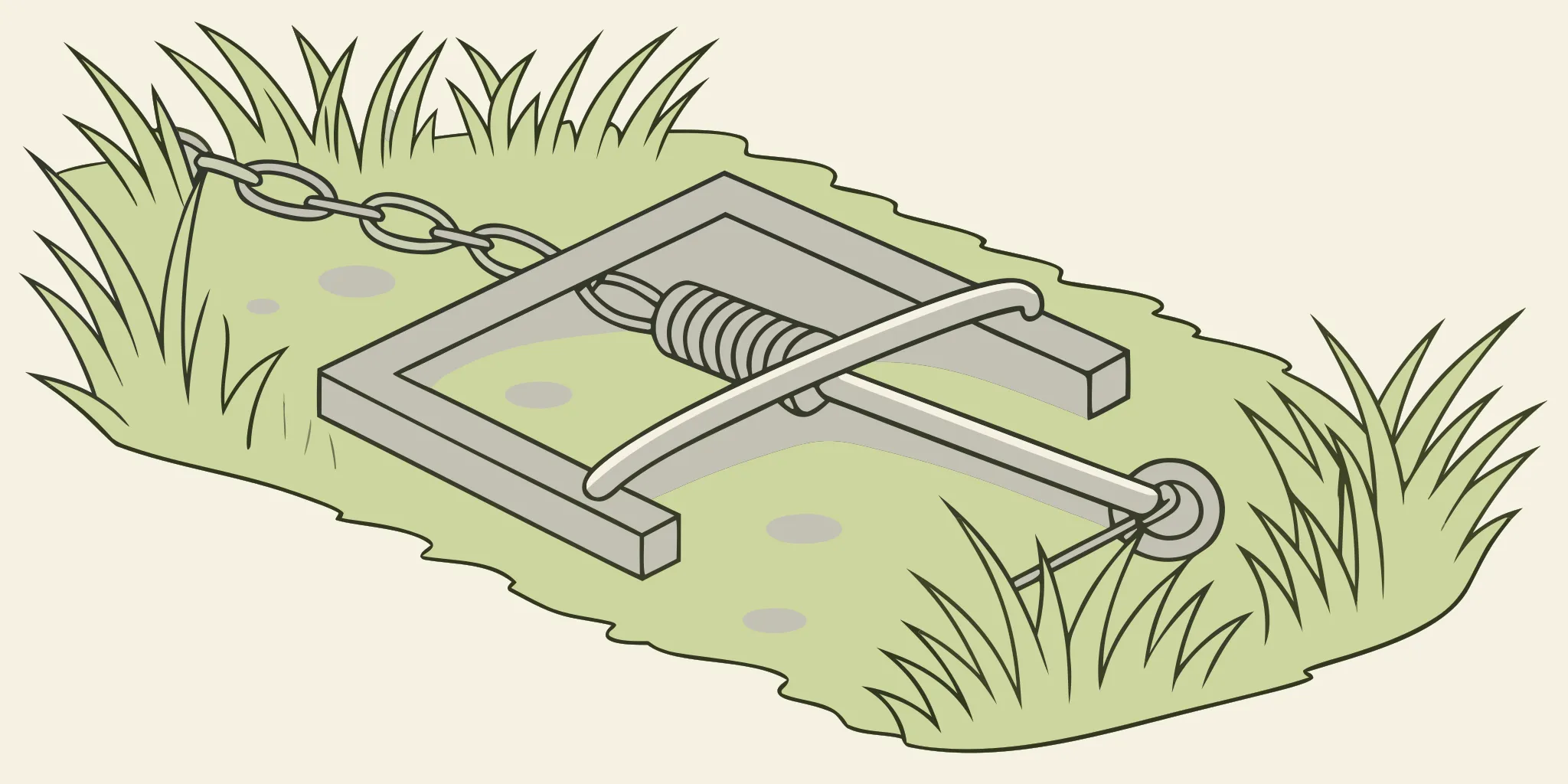
A Safe and Simple Trapping Choice
Poisons and chemicals can harm the soil, pets, and wild animals. Our mechanical traps do not use bait or poison, so they keep your lawn clean and safe. You simply place the steel device into the active tunnel of the pest, where it springs when triggered. This action kills the pest fast without leaving toxic waste.
Here is how to set up your Cinch Trap in three simple steps:
- Find an active tunnel. Look for fresh dirt mounds or raised soil ridges. Use a probe or your fingers to locate the main tunnel about two to three inches below ground.
- Set the trap. Open the spring-loaded jaws and place the trap into the tunnel opening. Make sure the trigger pan sits flat inside the tunnel so the pest trips it as it passes through.
- Mark and check. Place a yellow flag near the set trap so you can find it later. Check the trap every 24 hours. A triggered trap means you caught the pest.
Knowing how these lawn pests behave is key to sure trapping. Here are the main differences between moles and gophers:
- Moles are insectivores that eat earthworms and grubs. They have wide, paddle-like claws for swimming through soil.
- Gophers are rodents that eat plant roots from below. They have large teeth for gnawing taproots.
- Mole tunnels appear as raised surface ridges across lawns. Gopher mounds are fan-shaped dirt piles near tunnel entrances.
Our traps match the unique size of each tunnel, which ensures a high success rate without toxic baits.
The Cinch Trap Product Line
Our product line has grown to meet the needs of different yards. For mole control, we sell a single mole trap for $24.99. We also hand-craft pocket gopher traps designed to fit both small and large pest tunnels.
If you need a complete set, we offer deluxe kits. These kits cost between $54.99 and $64.99 and include extra tools like flags. Our traps show a level of heritage and design excellence that cheap plastic traps cannot match. Buying a solid steel kit means you get all you need for years of good yard care.
Frequently Asked Questions
Is the Cinch Trap made in the USA?
Yes. All Cinch Traps are hand-made in Beaverton, Oregon. The local shop uses strong, American steel to build each piece. This local work allows the team to inspect every single trap. Because they trust their work, they offer a lifetime guarantee on all of their traps.
Do Cinch Traps require chemical baits or poisons?
No. Cinch Traps are fully mechanical. They do not use any bad chemicals, baits, or poisons to catch pests. This design makes them a safe and clean choice for folks who want to protect their green grass. They are a top choice for people who want to keep their yards and soil safe.
Does Cinch ship its traps to Canada?
Yes. Cinch Traps ships its tools to buyers all over the United States and Canada. They offer flat rate shipping on their orders to help you get the gear you need. This helps thousands of farmers, nurseries, and homeowners get these tough traps sent right to their doors.
Why do nurseries and professional growers choose Cinch Traps?
Nurseries and growers need traps that work fast and last for years. They choose Cinch Traps because of their heritage and design excellence. These heavy steel traps are easy to set. You can use them over and over again without breaking. This makes them a top choice for guarding young crops and plants.
Ready to try the original Oregon gopher traps today?
Pocket gophers and active moles will quickly ruin your beautiful green lawn, home garden, or farm fields if you do not stop them in time. Leaving these underground pests alone always leads to more deep dirt piles, dead grass, and lost garden plants that are very hard to replace. You can protect your green land right now and enjoy a clean, safe yard by choosing a strong steel trap that has worked well for years.
Shop our online store for the full Cinch Traps product line with flat rate shipping.