If you’ve searched for gopher solutions online, you’ve probably seen some strange advice. From putting chewing gum in tunnels to installing vibrating stakes, there are countless myths that waste your time and money while the real problem continues underground. Let’s cut through the noise. Effective gopher control isn’t about gimmicks; it’s about understanding their behavior and using a reliable method that works every time. This article will debunk the common myths and give you a clear, actionable plan. We will focus on what has been proven to work for generations, showing you the fastest way to get rid of gophers in the garden for good.
Key Takeaways
- Act fast at the first sign of trouble: The key to gopher control is identifying their crescent-shaped mounds early and taking immediate action, which is far easier than dealing with an established tunnel system.
- Proper trap placement is everything: For quick and reliable results, always place two traps facing opposite directions directly inside the main underground tunnel, not in the surface mound of loose dirt.
- Think long-term to keep them away for good: After you’ve handled the current problem, prevent future infestations by installing physical barriers like wire mesh in garden beds and consistently monitoring your yard for new activity.
How to Spot Gopher Activity in Your Garden
Before you can tackle a gopher problem, you first need to be sure that gophers are actually the culprits. These underground pests leave very specific clues, and learning to read the signs is the first step toward reclaiming your yard. It’s a bit like being a detective, but for your garden. Once you know what to look for, you’ll be able to spot their handiwork and pinpoint exactly where they’re causing trouble. From their signature dirt mounds to the damage they leave behind, we’ll walk through the key indicators of gopher activity.
Look for Fresh Mounds and Tunnels
One of the most obvious signs of gopher activity is the presence of fresh, crescent-shaped dirt mounds. Unlike the perfectly conical volcano shape of a molehill, a gopher mound is fan-shaped or kidney-shaped with a dirt plug on one side. This plug is where the gopher sealed off the entrance to its lateral tunnel after pushing the dirt out. Finding these mounds is a sure sign a gopher is actively burrowing nearby. The key is to look for fresh soil, which indicates a tunnel is currently in use. This is exactly where you’ll want to focus your efforts, as understanding their tunnel system is central to the trapping process.
Check for Damaged Plants and Roots
If you notice plants suddenly wilting, leaning, or dying for no apparent reason, gophers could be to blame. Gophers are small rodents that live underground and primarily feed on plant roots. Their feeding can cause serious damage in gardens and lawns. You might see a perfectly healthy plant one day and find it completely dead the next. Sometimes, small plants or bulbs might disappear entirely, pulled down into a tunnel from below. If you gently tug on a wilting plant and it comes out of the ground with little to no root system, you’ve likely found a gopher’s lunch. This kind of damage is a clear call to action to protect your garden with effective gopher traps.
How to Test for Active Tunnels
Once you’ve found a fresh mound, the next step is to locate the main tunnel. Gophers create a network of tunnels, but they spend most of their time in the main runway. To find it, you can use a gopher probe or a long, sturdy tool like a screwdriver. Start probing the ground a few inches away from the plugged hole of a fresh mound. You should feel a sudden drop or give when you hit an active tunnel, which typically runs 4 to 12 inches deep. Finding this tunnel is the most important step for setting a trap. If you have more questions about this process, you can find detailed answers in our gopher FAQs.
What Are the Best Gopher Trapping Methods?
When you want a gopher gone for good, trapping is one of the most direct and effective methods you can use. Unlike deterrents that might just annoy them or poisons that pose risks to other animals, trapping physically removes the pest from your property. It’s a straightforward approach that has been trusted for generations because it delivers clear results. The key is using the right trap and the right technique to ensure you’re successful on your first try.
Why Cinch Traps Are a Top Choice
When it comes to gopher trapping, not all traps are created equal. Cinch traps are widely considered a top choice by gardeners and pest control experts because they are incredibly effective and simple to use. These traps are designed to work quickly, making them a humane option for pest control. What really sets them apart is their durability. Our gopher traps are handmade in Oregon from galvanized steel, so they won’t rust or break down after a season. They’re built to last, which is why they come with a lifetime warranty. You get a reliable tool that you can use year after year to protect your yard.
How to Place Traps in Main Tunnels
A gopher’s network of tunnels can be confusing, but success comes down to placing your trap in the right spot: the main runway. To find it, look for a fresh mound of dirt and start probing the ground nearby with a thin rod or screwdriver. You’re searching for a hollow spot about six to twelve inches down, which indicates you’ve found the tunnel. Once you locate it, dig a small hole just big enough to place the trap inside. Our How It Works page has great visuals for this process. Make sure the trap is set correctly so it triggers when the gopher moves through to clear the blockage.
Why You Should Set Two Traps at Once
Here’s a pro tip to make your trapping efforts even more effective: always use two traps at once. A gopher can approach the blocked tunnel from either direction. If you only set one trap, you have a 50/50 chance of catching it. By placing two traps in the main tunnel facing opposite directions, you guarantee you’ll intercept the gopher no matter which way it’s coming from. This simple step dramatically increases your success rate and helps you solve your gopher problem much faster. It’s the most efficient way to make sure your time and effort pay off with a captured pest.
Are Poison Baits a Safe and Effective Option?
Poison baits are another method you might hear about for controlling gophers. While they can be effective, they come with serious risks that you need to understand before even considering them. Unlike trapping, which physically removes the gopher, baits rely on lethal poisons that can pose a danger to more than just your intended target. Handling and placing these chemicals correctly is critical to prevent accidental harm to your family, pets, and local wildlife. Let’s walk through what using poison baits really involves so you can make an informed decision for your yard.
Understanding Different Gopher Baits
Gopher baits are typically grain-based pellets coated with a toxic substance. The most common active ingredients are acute poisons like strychnine and zinc phosphide, which are designed to be lethal after a single feeding. Because these chemicals are so potent, their use is often restricted, and they may not be available to the general public in all areas. It’s important to read the label carefully to understand the specific types of gopher bait and their potential effects. These baits work by being ingested, so the gopher has to find and eat the pellets in its tunnel system. The effectiveness can vary depending on whether the gopher accepts the bait as a food source.
Keeping Pets and Wildlife Safe from Baits
The biggest concern with poison baits is the risk of accidental poisoning. These substances are toxic to almost any animal that ingests them, including dogs, cats, birds, and other wildlife. You should never leave bait above ground where non-target animals can find it. Even a small amount of spilled bait can be fatal. There’s also the risk of secondary poisoning, where a predator or scavenger gets sick from eating a poisoned gopher. For this reason, you should never use bait in gardens where you grow root vegetables, as the plants could absorb the toxins. Always clean up any spills immediately and store bait securely out of reach.
How to Place Bait Underground Safely
If you decide to use bait, proper placement is everything. The only safe way to use it is to deposit it directly into a gopher’s main underground tunnel. This minimizes the chance that other animals will come into contact with it. To do this, you’ll need to locate an active main runway, which is typically about 6 to 12 inches below the surface. You can learn how it works by probing the ground near fresh mounds. Once you’ve found the tunnel, carefully place the recommended amount of bait inside and seal the opening so no poison is exposed on the surface. This process requires precision to be both effective and safe.
Which Natural Gopher Deterrents Actually Work?
If you’re dealing with a gopher problem, you might be curious about natural deterrents. It’s completely understandable to want to try a less direct approach before setting traps. While some natural methods can offer a degree of protection, it’s important to have realistic expectations. Most deterrents are better suited for preventing new gophers from moving in or for protecting a very small, specific area. They are rarely a fast or permanent solution for an active infestation.
Think of these methods as part of a larger strategy. They can make your yard less inviting, but they often don’t have the power to remove a gopher that has already established a complex tunnel system. For a stubborn gopher problem, a direct approach using effective gopher traps is almost always the quickest way to reclaim your yard. Still, if you want to give deterrents a try, some are more effective than others. Let’s look at a few of the most common options and see how they stack up.
Using Wire Mesh and Physical Barriers
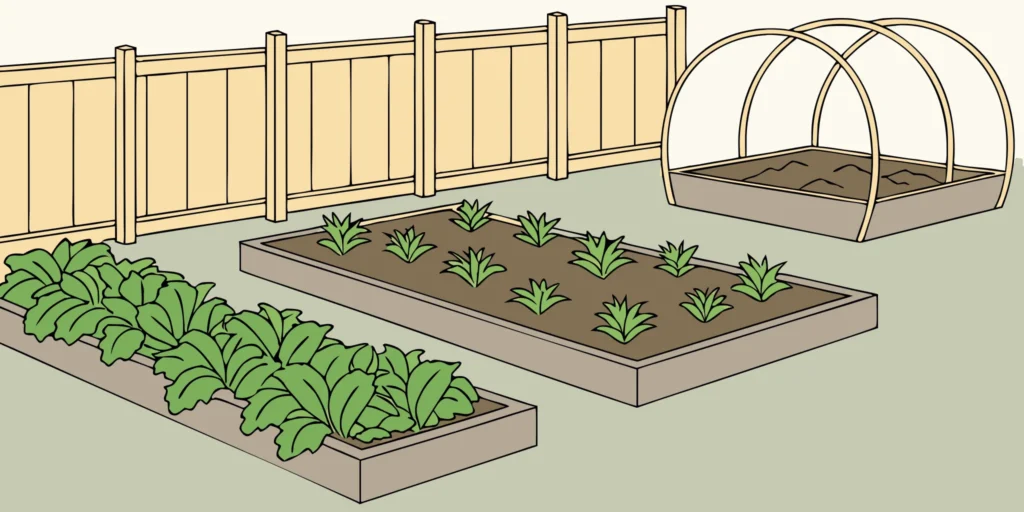
One of the most reliable natural methods is creating a physical barrier that gophers simply can’t chew through. This is an excellent way to protect specific, high-value areas like raised garden beds or the root balls of new trees and shrubs. You can line the bottom and sides of a planting bed with hardware cloth or 3/4-inch poultry netting before adding soil. Burying the wire mesh at least two feet deep around the perimeter of a garden can also stop gophers from tunneling in. While it requires significant labor upfront, this method provides long-lasting protection for the areas you care about most.
Trying Castor Oil and Scent Repellents
Gophers have a sensitive sense of smell, and the theory is that strong odors can send them packing. People have tried placing all sorts of pungent things in their tunnels, from castor oil and peppermint oil to coffee grounds and fabric softener sheets. You can find many commercial repellents that are based on castor oil. While you might see a gopher temporarily abandon a tunnel you’ve treated, this is rarely a permanent fix. The smells fade over time and wash away with rain, meaning you have to reapply them constantly. It’s more likely to annoy a gopher than to make it leave your property for good.
Planting Gopher-Resistant Plants
Incorporating plants that gophers tend to avoid is a smart, long-term strategy for making your garden less of a buffet. While no plant is 100% gopher-proof, some are definitely less appealing than others. Gophers often steer clear of plants with strong smells, milky sap, or prickly textures. Consider adding perennials like lavender, rosemary, and euphorbias, or bulbs like daffodils and Amaryllis belladonna to your landscape. A list of gopher-resistant plants can give you more ideas for your garden. This approach won’t solve an existing infestation overnight, but over time, it can help create a less attractive environment for future pests.
Common Gopher Control Mistakes to Avoid
When you’ve got gopher mounds popping up all over your lawn, it’s tempting to try the first solution you find. Unfortunately, many popular gopher control methods are based on myths and can waste your time, money, and energy. Let’s clear up some common misconceptions and focus on what actually gets the job done, so you can reclaim your yard faster. By avoiding these common pitfalls, you can move straight to a strategy that works and protect your garden from further damage.
Don’t Waste Your Time on These Methods
You’ve probably heard of a few of these “quick fixes.” Planting so-called repellent plants like gopher purge or castor beans rarely works, as gophers will simply dig around them. The same goes for trying to use smoke bombs or gas cartridges. Gophers are expert tunnelers and can seal off a section of their burrow in minutes, rendering any fumigation useless. And as for home remedies like putting chewing gum in the tunnels? Those are pure myths. Sticking to proven methods will save you a lot of frustration and get you closer to a gopher-free garden.
Debunking Myths: Owl Boxes and Ultrasonic Devices
Two of the most common myths involve inviting predators or trying to scare gophers away. While installing an owl box seems like a great, natural solution, it’s not a reliable fix for a yard infestation. Owls have large hunting territories and won’t stick to your property alone. Similarly, those vibrating or ultrasonic stakes you see online are not effective. Gophers may be startled at first, but they quickly get used to the vibrations and will continue their digging undeterred. These passive methods simply don’t provide the consistent control you need to stop gopher damage for good.
Avoiding Common Trapping Mistakes
Trapping is one of the most effective ways to handle a gopher problem, but success depends on doing it correctly. A frequent mistake is placing a trap in the fresh dirt mound instead of the main tunnel where the gopher travels. You also need to be patient but persistent. If you don’t catch anything within a day or two, it’s time to move the traps to a more active tunnel. For the best results, always use two gopher traps in the main runway, facing in opposite directions. This doubles your chances of catching the gopher, no matter which way it’s coming from.
How Quickly Can You Get Rid of Gophers?
When you see fresh mounds of dirt popping up in your yard, you want them gone, and you want them gone fast. The good news is that getting rid of gophers doesn’t have to be a long, drawn-out battle. The timeline really depends on the method you choose and how you apply it. With the right strategy, you can see results in just a couple of days. Let’s walk through what you can expect from different approaches so you can reclaim your lawn as quickly as possible.
What to Expect When Trapping
Trapping is hands-down the most practical and effective way to handle a gopher problem. When you set a trap correctly, you can often catch a gopher within 24 to 48 hours. The key is placement. You need to locate the main tunnel, which is usually about a foot away from a fresh mound of dirt. Once you find it, setting two gopher traps facing opposite directions gives you the best chance of success. If you don’t see any action within a couple of days, it’s a sign to move the traps to a different, more active tunnel. This direct approach gives you clear, quick confirmation that you’ve solved the problem.
The Timeline for Using Baits
Poison baits are another option, but they work on a different timeline and come with serious safety concerns. After placing bait in a tunnel, you have to wait and watch for gopher activity to stop. This can take several days, and you never get clear confirmation that the gopher has taken the bait. The biggest issue is safety. Toxic baits are dangerous to pets, children, and local wildlife if not handled perfectly. You must place them deep inside the main tunnel system and never leave any spilled on the ground. Because of the risks and the uncertain timeline, many people prefer the clear and immediate results of trapping.
How to Get Faster Results
Want to speed things up? Focus on your technique. The fastest way to catch a gopher is to be certain you’re setting traps in a main, active runway. You can find one by using a small rod to probe the ground near a new mound until you feel a sudden give. This is your sweet spot. For a more aggressive approach, some people use a garden hose to carefully flood a tunnel. This can force the gopher to exit, giving you a chance to deal with it directly. Combining precise trap placement with a solid understanding of how it works is your best bet for getting your yard back quickly.
Combine Methods for the Fastest Results
If you want to clear your yard of gophers quickly, relying on just one method might not be enough. The most successful approach is often a combined one, where you layer different techniques to create a comprehensive gopher control system. Think of it like building a strong defense for your garden. You wouldn’t just build a fence; you might also plant thorny bushes and install a gate. Similarly, combining trapping with deterrents and strategic timing creates a powerful system that gophers can’t easily bypass.
This integrated approach tackles the problem from multiple angles. While trapping is the most direct way to remove the gophers currently in your yard, other methods can help make the area less attractive to new arrivals. By creating a plan, layering your methods, and paying attention to timing, you can get rid of gophers faster and make it much harder for them to return. It’s about working smarter, not just harder, to reclaim your outdoor space.
Create a Strategic Plan
Before you do anything else, take a moment to create a simple plan. The key to effective gopher control is acting quickly and deliberately. Start by walking your property to look for fresh signs of gopher activity. You’re searching for their signature crescent-shaped mounds of fresh dirt, which will have a plugged hole off to one side. Early detection is your best friend here. Spotting the first mound and taking immediate action is far easier than dealing with an established network of tunnels weeks later. Your plan should be to monitor your yard regularly and act the moment you see new activity.
How to Layer Different Control Methods
Layering methods simply means using more than one technique at the same time. Since experts agree that trapping is the single most effective method for getting rid of gophers, it should be the foundation of your strategy. You can then add other methods on top of it. For example, while you have your Cinch Traps set in the main tunnels, you could also install underground wire mesh to protect specific garden beds or the roots of young trees. This combination removes the immediate threat (the gopher) while also providing long-term protection for your most valuable plants. This layered approach creates a much more robust defense.
Why Timing Your Efforts Matters
Gophers don’t take vacations. They are active all year long, day and night, which means your control efforts need to be persistent. A single gopher can dig several new mounds in just one day, so consistent monitoring is crucial. Timing also applies to your trapping strategy. Don’t just set a trap and forget about it. A good rule of thumb is to check your traps daily. If a trap hasn’t caught a gopher within 48 hours, it’s time to move it to a different, more active tunnel. Being persistent and adjusting your strategies based on results will help you resolve the problem much more quickly.
How to Keep Gophers from Coming Back
Getting rid of the gophers you have now is a huge win, but the real goal is to make sure they don’t come back. A little prevention goes a long way in keeping your yard gopher-free for the long haul. After you’ve successfully trapped the current culprits, the last thing you want is a new family moving into the vacant tunnel system. This is where a proactive, long-term strategy comes into play. By making your garden less inviting and putting some simple protective measures in place, you can discourage new gophers from seeing your yard as a prime piece of real estate.
It’s all about creating a layered defense that works for you and your space. This approach combines smart gardening with physical barriers and regular monitoring. Instead of just reacting to damage after it’s done, you’ll be taking control and setting the terms for what happens in your garden. Think of it as gopher-proofing your property. It might take a little effort upfront, but it will save you a lot of time, money, and frustration down the road. The key is consistency and knowing what to look for, so you can stop a small problem before it becomes a big one again.
Maintain Your Garden to Deter Gophers
One of the easiest ways to make your yard less appealing to gophers is by incorporating plants they don’t like. While no plant is 100% gopher-proof, some are known to be less tasty to these furry pests. Consider adding aromatic herbs like rosemary, sage, and mint to your garden beds. Gophers tend to avoid these strong-smelling plants. Other great options include lavender and certain perennial flowers. Some gardeners also use plants that are toxic to gophers, like castor bean or narcissus, but be careful with these if you have pets or small children around. The idea is to create a landscape that naturally deters gophers from settling in.
Create a Long-Term Protection Plan
For more guaranteed protection, especially for your prized vegetable gardens or flower beds, physical barriers are your best friend. You can line the bottom and sides of raised beds with hardware cloth or wire mesh before adding soil. This creates a barrier that gophers can’t dig through. Beyond barriers, the most important part of any long-term plan is staying vigilant. Make a habit of walking through your yard regularly and looking for fresh mounds. If you spot new activity, you can act fast with your gopher traps. It’s much easier to catch one or two new arrivals than it is to deal with an entire family that has moved in.
Related Articles
- Control Methods | Cinch Traps | The Best Mole & Gopher Trap
- Gopher Control Solutions & Trapping Guide for Gardens | Cinch Traps
Frequently Asked Questions
How can I be sure I have gophers and not moles? The easiest way to tell the difference is by looking at the dirt mounds. Gophers leave crescent-shaped or fan-shaped mounds with a visible dirt plug on one side where they sealed the tunnel. Moles, on the other hand, create symmetrical, volcano-shaped mounds with the hole directly in the center. Gophers also cause direct plant damage by eating roots, often pulling entire plants down into their tunnels.
I set a trap but didn’t catch anything. What should I do? This usually comes down to trap placement. A common mistake is putting the trap in the soft dirt of the mound itself instead of in the gopher’s main tunnel. Use a thin rod to probe the ground about a foot away from a fresh mound until you feel a drop, which indicates you’ve found the active runway. If you’ve placed your traps correctly in the main tunnel and still have no luck after 48 hours, it’s best to move them to a newer, more active mound.
Are natural deterrents like castor oil or special plants enough to solve my problem? While natural deterrents can make your yard less attractive, they are rarely a complete solution for an active gopher infestation. Scent-based repellents often fade and need constant reapplication, and gophers can simply dig around repellent plants. These methods are better used as part of a long-term prevention plan after you’ve removed the current gophers. For an immediate problem, trapping is the most direct and reliable approach.
Is it better to use poison baits instead of traps for a faster solution? Trapping is generally both faster and safer than using poison baits. With a well-placed trap, you can often catch a gopher within a day or two and have clear confirmation the problem is handled. Baits can take several days to work, and you never know for sure if the gopher has taken them. More importantly, poison baits pose a serious risk to pets, children, and other wildlife, making traps a much more responsible choice for most yards.
After I catch a gopher, how do I prevent more from showing up? The best defense is staying vigilant. An empty tunnel system can be an open invitation for a new gopher to move in. Make a habit of walking your property regularly to look for any new mounds. If you spot fresh activity, you can set your traps immediately to handle the problem before it gets out of hand. You can also make your garden less appealing over time by installing wire mesh barriers in raised beds and planting gopher-resistant plants like lavender or rosemary.