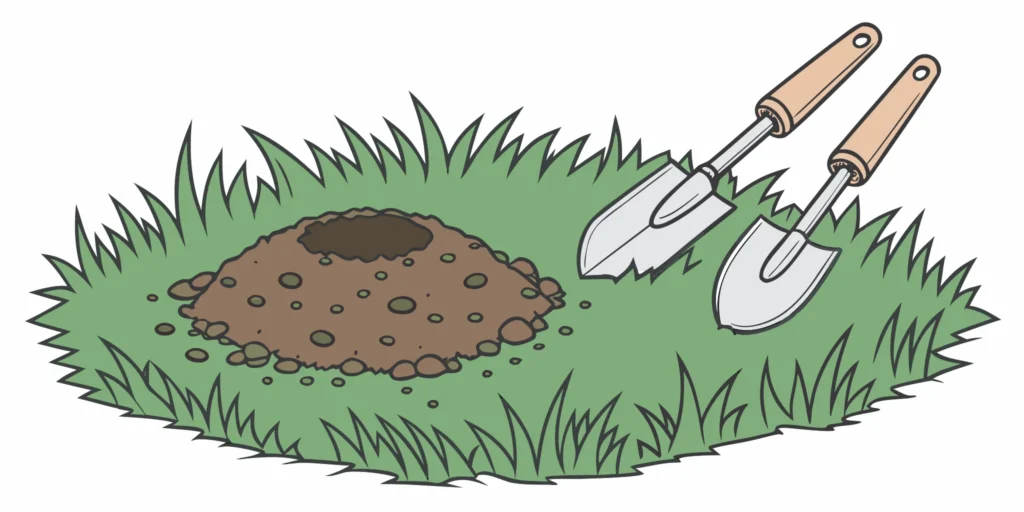
Walking into a hardware store or searching online for a gopher trap can leave you with more questions than answers. You’ll see pincer traps, box traps, and choker loops, all claiming to be the best solution. This variety can be confusing when all you want is to get rid of the gophers destroying your garden. Instead of getting lost in brand names and complex designs, the best approach is to focus on the core principles of what makes a trap simple and effective. The easiest gopher trap to use is defined by its features, not its category. This article will help you understand those essential qualities, from durable materials to a clear setup process, so you can make an informed choice and solve your gopher problem for good.
Key Takeaways
- Prioritize practical, user-friendly features: An effective trap is simple to set, provides a clear visual signal when it has been sprung, and is constructed from durable, weather-resistant materials.
- Proper technique is essential for success: Always use two traps in an active tunnel, placing them in opposite directions to catch a gopher approaching from either side. Remember to wear gloves to avoid leaving your scent.
- Invest in durability for consistent performance: Traps made from galvanized steel are crucial because they resist rust and damage. This sturdy construction ensures the trap works reliably every time, making it a dependable, long-term solution.
What Defines an “Easy-to-Use” Gopher Trap?
When you’re dealing with gophers tearing up your yard, the last thing you want is a complicated solution. The term “easy-to-use” gets thrown around a lot, but what does it actually mean for a gopher trap? It comes down to a few key things that separate a frustrating experience from a successful one. A truly simple trap respects your time, your energy, and your lawn. Let’s look at the three main qualities that make a gopher trap genuinely easy to handle.
A Quick and Simple Setup
An easy-to-use trap should be intuitive right out of the box. You shouldn’t need an engineering degree to figure out how to set it. The best designs are straightforward, allowing you to place and activate the trap in just a few minutes. This means less time on your hands and knees and more confidence that you’ve set it correctly. A quick setup is also a sign of an effective design; many homeowners find that a trap that is simple to place in a gopher tunnel can often catch a pest within just a few hours. It’s all about getting the job done efficiently so you can get back to enjoying your yard.
Requires Minimal Tools
If you have to haul out a full toolbox just to set a trap, it’s not easy. A user-friendly trap requires very little equipment, often just a small trowel or spade to locate the tunnel. Some of the most effective gopher traps are designed to minimize digging, which protects your lawn from further damage. This approach is not only faster but also much cleaner. You can place the trap without creating a huge mess, making the entire process less of a chore. The goal is to solve your gopher problem with as little disruption to your property as possible.
Clear Instructions
Even the simplest mechanism can be confusing without clear directions. A truly easy-to-use trap comes with instructions that are simple to follow, often with helpful diagrams. Good companies also provide online how-to guides and videos to walk you through the process. These resources should cover everything from finding an active tunnel to placing the trap for the best results. Some even include useful accessories, like a lawn flag to mark the trap’s location so you don’t forget where you put it. Clear guidance removes the guesswork and helps you feel certain you’re doing everything right.
Why the Cinch Trap Is Your Easiest Solution
When you’re dealing with gophers, the last thing you want is a complicated or unreliable solution. An easy-to-use trap is about more than a simple setup; it’s about getting the job done right the first time. The Cinch Trap combines a straightforward mechanism with a highly effective design and rugged durability, making it the most dependable tool for reclaiming your yard. It’s a solution built to work and built to last, saving you time, money, and frustration.
A Proven, Effective Design
Effectiveness is the core of an easy solution. If a trap doesn’t work, it’s a waste of your time. The Cinch Trap has a proven track record, with studies ranking it as the most effective option available. Unlike poisons that pose a risk to pets and wildlife, our effective gopher traps ensure a quick, humane kill. This means you won’t have to worry about wounded animals or resetting traps over and over. You set it, and it does its job. That simplicity and reliability are what make it the best choice for homeowners and professionals.
Handmade for Durability
A flimsy trap that breaks after one season is anything but easy. Cinch Traps are handmade in Oregon from strong, long-lasting galvanized steel to withstand the elements and repeated use. This isn’t a disposable plastic gadget; it’s a tool designed for a lifetime of service. The rugged construction means it won’t bend, rust, or fail when you need it most. The trap’s simple design has very few moving parts, which adds to its durability. You can count on it to perform year after year, making it a smart, one-time investment.
Guaranteed for Life
We stand behind our traps because we know they work, which is why every Cinch Trap comes with a lifetime warranty. This guarantee takes the guesswork out of your purchase and gives you total peace of mind. Recommended by professional trappers and everyday gardeners, these traps have a reputation for catching gophers that other designs miss. The confidence we have in our product comes from decades of proven results. When you buy a Cinch Trap, you’re getting a permanent solution to your gopher problem, backed by our lifetime warranty.
Comparing Gopher Trap Types (Not Brands)
When you start looking for a solution to your gopher problem, you’ll quickly find that gopher traps come in a few different styles. The main types you’ll encounter are pincer traps, which use a scissor-like action; box traps, which are designed to capture the gopher inside; and choker loop traps, which use a wire loop. Each design has its own approach to catching these destructive pests, and the best one for you really depends on what you prioritize. Some traps are known for their raw power, while others are valued for their simple, straightforward setup.
Choosing the right type of trap isn’t about finding the most complicated or aggressive-looking device. It’s about finding a tool that fits your needs and makes the job easier. To figure that out, it helps to compare them based on three key factors: how much effort they take to set up, how often they actually work, and how safe they are to have in your yard. Thinking through these points will help you select a trap that not only solves your gopher issue but also gives you peace of mind. Let’s break down what to look for in each of these areas.
Setup Time and Effort
The amount of time and energy you spend setting a trap can make a huge difference in your pest control experience. Some trap designs require you to dig a large, precise hole to place them correctly, which can be time-consuming and tear up your lawn even more. Others feature a more narrow profile, allowing them to be placed directly into a gopher’s tunnel with minimal digging. The setting mechanism itself is another major factor. Some traps require significant hand strength to open and set, while others are designed for a simpler, less strenuous process. An easy-to-use trap should feel intuitive and not require a major landscaping project just to get it in the ground.
Effectiveness Rates
An easy setup doesn’t mean much if the trap never catches anything. Trapping is widely considered the most effective way to handle a gopher problem, but success rates can vary between trap types. A good trap is sensitive enough to be triggered by a gopher but not so delicate that it’s set off by falling dirt. The most effective designs work quickly, often catching a gopher within a day or two of being placed. Consistency is key; you want a trap that performs reliably every time you set it. When you’re looking at different gopher traps, consider how the design contributes to a clean and consistent catch.
Safety by Design
Safety is a top concern, especially if you have kids or pets playing in your yard. The safest gopher traps are designed so that all the moving parts are securely underground and out of reach once the trap is set. This completely contains the mechanism within the gopher’s tunnel, preventing accidental encounters on the surface. Another important safety feature is the ability to check if the trap has been sprung without having to dig it up. Some traps provide a clear visual indicator above ground, so you can see its status from a safe distance. This simple feature shows how it works to protect you and your family while you handle your pest problem.
Key Features of an Easy Gopher Trap
When you’re dealing with gophers, the last thing you want is a trap that’s a puzzle to set up. The best traps are the ones that are simple, effective, and built to last. Instead of getting caught up in brand names, let’s focus on the specific features that make a gopher trap truly easy to use. When you’re shopping, look for a trap that checks these four boxes. A trap with these qualities will save you time, effort, and a lot of frustration, letting you get back to enjoying your yard sooner. A trap that is difficult to set is not only a hassle, but it can also be less effective if not placed correctly. By prioritizing these key features, you can choose a tool that works with you, not against you, making the process of reclaiming your lawn much more straightforward.
One-Step Setting Mechanism
An easy-to-use gopher trap shouldn’t require a complicated instruction manual or a feat of strength to set. The ideal trap has a straightforward, one-step setting mechanism. This means you can get it ready and place it in the tunnel quickly and safely, without fumbling with a bunch of different parts. A simple design is often the most effective, as it allows you to place the trap with minimal disturbance to the gopher’s tunnel. This efficiency is key to successful trapping, ensuring you can set up your solution and walk away with confidence.
Clear Visual Indicators
How do you know if you’ve caught a gopher without digging up the trap every time? A user-friendly trap will give you a clear visual cue. This feature is a game-changer, saving you from unnecessary work and letting you check the trap’s status at a glance. For example, the Cinch Gopher Trap is designed so you can easily see when the trap has been sprung. This means less time spent digging and more time knowing your gopher problem is being handled effectively.
Durable, Weather-Resistant Materials
A gopher trap lives outdoors, so it needs to be tough enough to handle whatever the weather throws at it. Durability is essential. Look for traps made from high-quality, weather-resistant materials like galvanized steel. These materials prevent rust and corrosion, ensuring your trap works reliably season after season. A well-made trap isn’t just a one-time tool; it’s a long-term investment in protecting your property. Investing in durable gopher traps means you’ll have a reliable solution ready whenever you need it.
A Smart, Compact Design
Gophers live in narrow, underground tunnels, and your trap needs to fit comfortably in their world. A smart, compact design is crucial for an easy-to-use trap. Bulky or awkwardly shaped traps are difficult to place correctly and can be less effective. A trap with a narrow, low profile can be inserted neatly into the tunnel, increasing your chances of a successful catch. The design should be both powerful enough to get the job done and compact enough to work seamlessly within the gopher’s environment.
How to Set Your Gopher Trap for Success
Having the right tool is half the battle, but using it correctly is what gets you results. Setting your gopher trap properly is the single most important factor in successfully clearing your yard of these destructive pests. The good news is that it’s a straightforward process. By following a few simple steps, you can ensure your trap is perfectly positioned for a quick catch, letting you get back to enjoying your lawn and garden. Let’s walk through exactly how to set up your trap for maximum effectiveness.
Find Active Gopher Tunnels
Your first mission is to play detective and find a gopher’s main runway. Gophers create fan-shaped mounds of fresh, finely sifted dirt as they excavate their tunnels. Look for the newest mounds, as these indicate recent activity. The main tunnel is usually located about 8 to 12 inches away from the dirt plug on the mound. To pinpoint it, use a long screwdriver to gently probe the ground. When the probe suddenly sinks a few inches with little resistance, you’ve found the tunnel. An active tunnel is your prime location for setting a trap.
Place Your Trap Correctly
Once you’ve located an active tunnel, it’s time to set your trap. For the best results, use two gopher traps per tunnel. Carefully dig an opening just large enough to fit the traps inside. Place one trap facing into the tunnel and the second facing the opposite direction. This strategy catches a gopher approaching from either side. Make sure the bottom of the trap is level with the tunnel floor. Our detailed how-it-works guide provides clear visuals to help you get the placement just right.
Cover and Conceal the Trap
This final step is crucial. Gophers are sensitive to light and air drafts, and they will instinctively avoid a trap if they sense something is off. After setting your traps, use loose soil, a clump of sod, or a board to completely cover the opening you dug. You want to block all light from entering the tunnel, making the trap appear as a natural part of their environment. Be sure to secure the trap’s chain to a stake above ground. This prevents a gopher from dragging the trap deeper into the tunnel, making retrieval simple.
Common Trapping Mistakes to Avoid
Even with the most effective trap on the market, a few simple missteps can stand between you and a gopher-free yard. Getting your trapping strategy right from the start saves you time and frustration. The good news is that the most common mistakes are also the easiest to fix. By paying a little attention to trap placement, quantity, and handling, you can dramatically increase your success rate and reclaim your lawn or garden much faster. Let’s walk through what to watch out for.
Placing the Trap in the Wrong Spot
Location is everything in gopher trapping. The biggest mistake you can make is setting your trap in an old, abandoned tunnel. You want to find a fresh, active runway where the gopher is currently working. Once you’ve found the main tunnel, proper placement inside is key. You need to set the trap so the gopher has no choice but to pass through it. It’s also a good idea to secure your trap with a stake and wire. This prevents a gopher from dragging your trap deeper into its burrow system, which can be a real headache. Our how-to guide shows you exactly how to find the right spot and set your trap for a perfect catch.
Not Using Enough Traps
When you’re dealing with a gopher tunnel, think of it as a two-way street. A gopher can approach from either direction, and if you only set one trap, you’re cutting your chances of success in half. For the best results, always use two gopher traps in the main tunnel, with one facing each direction. This creates a catch zone that intercepts the gopher no matter which way it’s traveling. While it might seem like more work upfront, this method is far more efficient and will help you solve your gopher problem in less time.
Leaving Your Scent Behind
Gophers have a keen sense of smell and are naturally wary of anything that smells human. Handling your traps with bare hands can leave your scent behind, making a gopher suspicious enough to avoid the area entirely. It’s a simple fix: always wear a pair of gloves when you’re digging and setting your traps. This small step prevents scent transfer and keeps the gopher from detecting your presence. For extra measure, you can rub some fresh dirt from the tunnel onto the trap to help it blend in even more. You can find more tips like this on our FAQs page.
Checking and Maintaining Your Gopher Traps
Setting your trap is a great first step, but the job isn’t quite done. Consistent checking and proper maintenance are what will guarantee your success and keep your traps working perfectly for years to come. Think of it as protecting your investment. A well-maintained trap is an effective trap, and knowing the simple routines for checking and cleaning will make the whole process much smoother. Luckily, with a Cinch Trap, this part of the process is just as straightforward as the setup. You won’t need to spend much time on it, but these small steps make a big difference in catching gophers and preserving the life of your equipment.
How Often to Check Your Traps
Timing is everything when it comes to trapping gophers. Since these pests are most active at night, the best time to check your traps is about an hour after dark. This gives them time to move through their tunnels and investigate the disturbance. Checking at this peak time increases your chances of a quick catch, so you can resolve your gopher issue faster. You don’t need to check them constantly throughout the day. Just one strategic check in the evening is often all it takes. This simple routine fits easily into your schedule and is the most effective way to see results.
Know When a Trap Is Sprung
One of the best features of a Cinch Trap is that you can tell if it’s sprung without ever having to dig it up. The trap has a yellow trigger mechanism that is clearly visible above ground. When the trap is set, the trigger is down. Once a gopher is caught, the trigger springs up, giving you a clear visual signal. This design saves you so much time and effort. You can quickly scan your yard to check the status of your gopher traps without disturbing the placement or digging up your lawn unnecessarily. It’s a simple, brilliant feature that makes monitoring your traps completely hassle-free.
Proper Cleaning and Storage
After you’ve successfully caught a gopher, it’s important to clean your trap before using it again. This removes any scents that might deter the next gopher and keeps your trap in top condition. A simple scrub with an old toothbrush and a hydrogen peroxide solution works wonders to clean and sanitize the galvanized steel. Once it’s clean and dry, you can store it until you need it again. Because Cinch Traps are handmade from durable materials, a little bit of care goes a long way. Proper maintenance ensures your trap will be ready to go whenever a new pest problem appears.
What Makes a Gopher Trap Durable?
When you’re dealing with a gopher problem, the last thing you want is a flimsy tool that fails when you need it most. A durable gopher trap isn’t just about lasting for years; it’s about performing reliably every single time you set it. The materials and construction of your trap directly impact its effectiveness and your success rate. A well-built trap is a powerful tool, while a weak one is just a garden ornament. Let’s look at what separates a trap that works from one that doesn’t.
The Strength of Galvanized Steel
When you bury a trap underground, it’s exposed to moisture, soil, and pressure. That’s why material choice is so critical. The best gopher traps are made from galvanized steel, a material known for its incredible strength and resistance to rust and corrosion. This isn’t just a nice feature; it’s essential for performance. A galvanized steel trap won’t bend under pressure or rust away after one season in damp soil. It maintains its structural integrity, ensuring the trigger mechanism works flawlessly and the trap springs with consistent force. This durability means you can count on it to work effectively year after year, making it a smart, long-term investment for your property.
Metal vs. Plastic Traps
You’ll find both metal and plastic gopher traps on the market, but they are not created equal. While plastic traps are often cheaper, they tend to become brittle over time, especially when exposed to sunlight and fluctuating temperatures. A cracked or warped plastic trap is completely useless. Metal traps, on the other hand, are built for the long haul. They can withstand the tough underground environment without losing their shape or strength. When you invest in a solid metal trap, you’re getting a tool that provides the consistent, powerful action needed for a successful catch. It’s the difference between a one-season solution and a permanent part of your gardening toolkit.
Why Durability Matters for Performance
A trap’s durability is directly tied to its performance. Think about it: a gopher trap needs to spring with enough speed and force to be effective. If a trap is made from weak materials, it can misfire, fail to spring correctly, or not have the strength to do the job. This leads to frustration, wasted time, and a gopher that’s still digging up your yard. A durable, well-constructed trap provides the reliability you need for a high success rate. It ensures a quick, humane result and can be reset and reused for years to handle any new pests that appear. This is why a lifetime warranty isn’t just a promise; it’s a testament to a trap’s dependable performance.
Ready to Solve Your Gopher Problem?
If you’re tired of gophers turning your beautiful yard into a lumpy mess, it’s time for a solution that actually works. Taking action with the right tool is the first step to a gopher-free garden, and we’re here to help you get there with a straightforward, reliable trap that’s built to last.
Get Your Cinch Trap
Studies have shown that Cinch gopher traps are the most effective option out there. Forget about trying to flood tunnels, using dangerous poison baits that could harm your pets, or waiting for natural predators to do the job. The Cinch trap is a direct approach that gives you back control over your property without any complicated or unsafe methods. It’s designed to work efficiently, getting rid of gophers quickly so you can get back to enjoying your lawn and garden.
A Lifetime Warranty
When you buy a Cinch trap, you’re investing in a tool that’s built to last. Each one of our gopher traps is handmade in Oregon from strong, long-lasting galvanized steel, so it can stand up to the elements season after season. We’re so confident in our craftsmanship that every trap comes with a lifetime warranty. You won’t have to worry about it rusting or breaking after a few uses. This isn’t a flimsy, disposable product; it’s a durable, permanent solution for your pest problems.
How-To Guides and Support
Feeling a little unsure about setting a trap for the first time? We’ve got your back. Our traps are designed to be simple, and we provide clear guidance to help you succeed. The process is straightforward: find a fresh gopher mound, locate the tunnel, and place the set trap inside. If you don’t catch a gopher on the first try, don’t get discouraged. Sometimes a small adjustment is all it takes. For detailed instructions and videos, you can always check out our How It Works page. We’re here to make sure you have all the information you need.
Related Articles
- 4 Best Gopher Trap Setters for Easy Trapping
- How to Buy a Gopher Trap: A Buyer’s Guide
- Pocket Gopher Extermination: A Complete Guide
- Gopher Trap | Cinch Traps | The Best Mole & Gopher Trap
Frequently Asked Questions
Is this trap safe to use around my kids and pets? Absolutely. Safety was a huge factor in the design. When you set a Cinch Trap correctly, the entire mechanism is placed underground inside the gopher’s tunnel. There are no exposed parts on the surface for a curious pet or child to encounter. The only thing visible above ground is the chain and a visual indicator, so you can check its status from a safe distance without any risk.
How do I know if I have gophers or moles? This is a great question, and it’s easy to tell the difference once you know what to look for. Gophers push dirt out of their tunnels to the side, creating a fan-shaped or crescent-shaped mound with a dirt plug off to one side. Moles, on the other hand, push dirt straight up, which creates a conical mound that looks like a small volcano. Cinch gopher traps are specifically designed for gophers and their unique tunnel systems.
Why haven’t I caught a gopher yet? Don’t get discouraged; a small adjustment can make all the difference. The most common reason a trap doesn’t work is placement. Make sure you’ve found a fresh, active tunnel, not an old abandoned one. Another frequent issue is leaving your scent on the trap, so always wear gloves. Finally, double-check that you’ve completely covered the opening to block all light from entering the tunnel, as gophers are very sensitive to drafts and light.
How many traps should I buy? For the best results, you should always use two traps per tunnel, placing one in each direction to catch a gopher coming from either way. So, I always recommend starting with at least one pair of traps. If you have a larger yard or see mounds popping up in several different areas, having two or three pairs on hand will allow you to address the problem much more quickly and efficiently.
What do I do after I catch a gopher? Once the trap has been sprung, you can pull it out of the ground by the chain. To release the gopher, simply compress the trap’s spring mechanism. We recommend wearing gloves for this process. After that, you can clean the trap with a simple solution like hydrogen peroxide and an old brush before storing it or resetting it in another active tunnel.