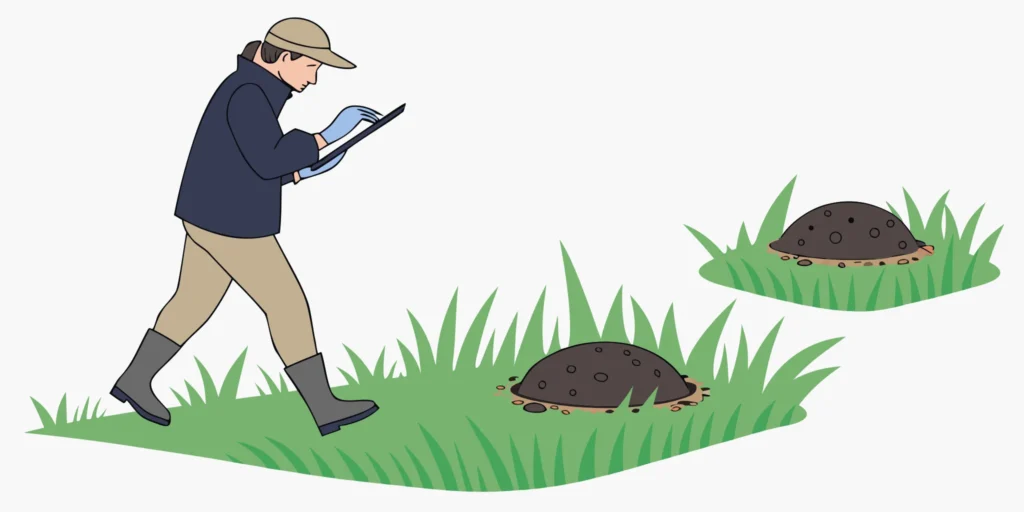
Gophers are tricky because they live almost entirely underground, making them a hidden enemy. You won’t see them scurrying across the lawn; instead, the main evidence you’ll find are the distinctive fan-shaped mounds of soil they leave behind. Because they spend so much time out of sight, you need a solution that works within their environment. A well-designed trap placed inside an active tunnel is the most direct and effective way to handle an infestation. To effectively reclaim your yard, you need the right tools, specifically professional gopher traps in Boise Idaho designed to work underground where the pests live and cause damage.
Key Takeaways
- Invest in a professional-grade trap: A durable, steel gopher trap is a one-time purchase that solves the problem for good, saving you the time and money often wasted on less effective DIY methods.
- Master the setup technique: Your success hinges on proper placement. Locate the main tunnel, set two traps facing opposite directions, and completely cover the opening to block all light, using the gopher’s own instincts to your advantage.
- Combine trapping with long-term prevention: Catching the gopher is the first step. Check your traps daily, but also focus on making your yard less attractive to future pests by removing their food sources and installing physical barriers around gardens.
Why Use Professional Gopher Traps in Boise?
If you’ve spotted fresh mounds of dirt popping up across your Boise lawn, you know the frustration of a gopher invasion. These pests can destroy a garden or yard in no time, and getting rid of them often feels like a never-ending battle. While it might be tempting to try a quick DIY fix from the hardware store, the most reliable way to solve the problem for good is with a professional-grade trap. Understanding a little about gopher behavior and the difference between trap types will save you a lot of time and headaches down the road.
What to Know About Gopher Behavior in Idaho
Gophers are tricky because they live almost entirely underground, making them a hidden enemy. You won’t see them scurrying across the lawn; instead, the main evidence you’ll find are the distinctive fan-shaped mounds of soil they leave behind. Unlike molehills, gopher mounds have a soil plug on one side, marking the entrance to their extensive tunnel network. Because they spend so much time out of sight, you need a solution that works within their environment. A well-designed trap placed inside an active tunnel is the most direct and effective way to handle an infestation.
Professional vs. DIY Traps: A Cost & Effectiveness Breakdown
When you’re facing a gopher problem, you want a solution that works. While DIY methods might seem cheaper upfront, they often lead to months of failed attempts and ongoing lawn damage. As pest control experts point out, professional methods are the most effective way to deal with gophers for good. Investing in high-quality, professional gopher traps is a one-time purchase that provides a permanent solution. Instead of spending an entire season trying ineffective remedies, a durable, well-made trap can resolve your gopher issue quickly, saving you money and restoring your peace of mind.
The Best Gopher Traps for Boise Yards
When you’re dealing with gophers, you need a trap that’s not just effective but also tough enough to handle Boise’s distinct seasons. The right trap is a smart investment that saves you time, money, and the frustration of a yard full of mounds. It’s about choosing a proven tool that gets the job done right the first time. Let’s look at what makes a gopher trap stand out, from university-backed designs to materials that can withstand anything Idaho weather throws at them.
Why Cinch Traps Are University-Approved
It’s one thing for a company to say its traps work, but it’s another to have the research to back it up. Cinch Traps have been ranked #1 in effectiveness by multiple universities, making them a trusted choice for serious gardeners and homeowners. The key to their success is a straightforward, powerful design that works with the gopher’s natural behavior. For the best results when trapping gophers, you’ll want to set at least two traps per active tunnel, with one facing each direction. This simple strategy dramatically increases your chances of catching the pest quickly, so you can get back to enjoying your yard without any unwanted guests digging it up.
Built to Last: Why Steel Traps Withstand Idaho Weather
Boise’s climate can be tough on outdoor equipment, which is why material matters. Flimsy traps just won’t cut it. Professional-grade steel traps are designed to endure freezing winters and hot summers without rusting or failing. While other brands offer heavy-duty construction, Cinch Traps take durability to the next level. Each one of our gopher traps is handmade in Oregon from galvanized steel, a material specifically chosen for its strength and weather resistance. We’re so confident in their construction that every trap comes with a lifetime warranty. This means you’re not just buying a trap; you’re investing in a permanent solution for your gopher problems.
Where to Buy Professional Gopher Traps in Boise
Once you’ve decided to take back your yard, the next step is getting your hands on the right tools. In Boise, you have several great options for finding professional-grade gopher traps, whether you prefer to shop in person, call in an expert, or have them delivered to your doorstep. Finding the right trap is less about where you get it and more about what works for your situation. Let’s walk through the best places to look so you can get started.
Checking Local Hardware and Garden Stores
If you like to see what you’re buying before you commit, heading to a local hardware or garden store is a solid plan. You can feel the quality of the trap and ask store associates for their recommendations. Stores like The Home Depot carry a variety of traps from trusted brands, including our very own Cinch Traps. Another great local spot is Solutions Pest & Lawn, which stocks heavy-duty options like the Bonide Revenge Gopher Traps designed for quick and effective results in lawns and gardens.
Asking Local Pest Control Services
For those who prefer a more hands-off approach or want an expert opinion, reaching out to a local pest control company is a smart move. These professionals not only supply the traps but also have the experience to place them for the best results. A company like Crawford’s Pest Control has been serving the Treasure Valley for decades and can offer a free estimate to get you started. You can also use resources like Yelp to find a list of the top-rated gopher removal services in Boise, connecting you with pros who can handle the problem from start to finish.
Ordering Traps Directly to Your Door
Sometimes, convenience is key. Ordering online lets you compare different traps from the comfort of your home and have them delivered right to you. Of course, you can always get our university-approved gopher traps shipped directly from our workshop in Oregon. Other online retailers like Trapline Products specialize in durable stainless steel traps. Even large retailers like Lowe’s offer online purchasing for products like the Victor Gopher Trap, giving you a poison-free option to protect your yard.
How to Set a Gopher Trap for the Best Results
Once you have the right tool for the job, success comes down to technique. Setting a gopher trap isn’t complicated, but a few key steps can make the difference between a frustrating experience and a gopher-free yard. Gophers are clever, and they can easily detect a poorly set trap. They are sensitive to changes in their environment, like light and air drafts in their tunnels, which can make them suspicious. By understanding how they operate and what to look for, you can place your traps for maximum effectiveness and use their own instincts against them.
Think of it like a strategy game: you need to find their main routes, place your traps without alerting them, and follow through consistently. It’s less about brute force and more about precision. We’ll walk through the process step-by-step, from locating the perfect spot to avoiding the simple mistakes that can send gophers packing to another part of your lawn. Getting this right means you’ll spend less time resetting traps and more time enjoying your yard. With a little patience and practice, you’ll be setting traps like a seasoned pro and reclaiming your property.
Find Active Gopher Tunnels
First things first, you need to find where the gophers are currently working. Look for the freshest mounds of dirt; they’re usually fan-shaped with a plugged hole off to one side. This is your starting point. To find the main tunnel, grab a probe (a long screwdriver or a dedicated tool works great) and start poking the ground about 8 to 12 inches away from the mound, on the side where the plug is. You’ll feel a sudden give when the probe breaks through into the tunnel. Once you’ve found it, use a small shovel or trowel to carefully dig an opening just large enough to fit your trap.
Place and Bait Your Trap Correctly
The most effective method is to set two gopher traps inside the main tunnel, one facing each direction. This strategy ensures you catch the gopher no matter which way it’s traveling. Place each trap as far into the tunnel as you can. One of the great things about Cinch Traps is that they are designed to work without bait, relying on the gopher’s instinct to clear obstructions from its tunnel. After placing the traps, cover the opening you dug with a piece of sod or a board, making sure to block all light. Gophers will sense the draft and come to investigate, pushing dirt ahead of them and triggering the trap.
Stay Safe and Check Your Traps Often
Safety and consistency are crucial. Always handle your traps carefully, especially when setting the trigger mechanism. Once your traps are in the ground, make it a habit to check them at least once a day. Gophers are most active in the morning and late afternoon, so those are great times to look. If you haven’t caught anything within 24 to 48 hours, it’s a sign that the tunnel may be inactive. Don’t get discouraged; simply pull the traps and move them to a new, more active location. Following the simple setup instructions will give you the best chance of success.
Fix Common Trap-Setting Mistakes
One of the most frequent mistakes is letting light into the tunnel. If a gopher sees daylight, its first instinct is to plug the hole with dirt, which can either bury your trap or trip it without a catch. Always make sure your opening is completely covered and sealed. Another common issue is placing the trap in a soft, recently dug mound instead of the firm, main tunnel. The trap needs a solid base to function correctly. Take the extra minute to probe for that main runway; it’s the gopher’s highway, and placing your trap there is the surest path to success.
What to Expect After Setting Your Traps
You’ve found the active tunnels and carefully placed your traps. So, what happens now? The waiting period can be filled with anticipation, but knowing what to expect will make the process smoother. Successfully trapping a gopher is just the first part of reclaiming your yard. The next steps involve patience, understanding the value of your tools, and taking measures to ensure these pests don’t make a return visit. Let’s walk through what comes after you’ve set your traps.
How Long Does It Take to Catch a Gopher?
This is the big question, and the answer is: it varies. Patience is key. Some people get lucky and catch a gopher within a few hours, while for others it might take a day or two. The most important factors are placing the trap correctly in an active tunnel and using an effective device. Many homeowners find themselves battling gopher problems for months, trying different methods before finding one that works. Using a proven, professional-grade trap from the start can significantly shorten this timeline. Check your traps daily. If you don’t have any luck after a couple of days, try moving the trap to a different tunnel that shows fresh signs of activity.
The Long-Term Value of a Quality Trap
It can be tempting to grab the cheapest trap off the shelf, but this approach often costs more in the long run. Flimsy traps can break, misfire, or fail to catch anything, leading to repeated purchases and continued frustration. Think of a well-made trap as an investment in your property. Our gopher traps are handmade in Oregon from durable galvanized steel and are built to be used season after season. While some DIY pest control seems cheaper upfront, it often requires repeated treatments. A reliable, reusable trap provides a more cost-effective and permanent solution, saving you time, money, and the headache of a yard full of gopher mounds.
Know Boise’s Local Pest Control Rules
Before you deal with a captured gopher, it’s smart to know the local rules. In Boise and across Idaho, regulations can govern how you handle nuisance wildlife. For example, there are often strict rules against using certain poisons or relocating animals to other areas, which can spread problems or be inhumane. You can find specific guidance on the Idaho Fish and Game website. The good news is that trapping is widely accepted as a direct and effective method. By using a mechanical trap, you avoid the legal and environmental issues associated with chemicals and can handle the situation on your own property, staying well within local guidelines.
Keep Gophers from Coming Back
Catching the current culprit is a victory, but you’ll want to make your yard less inviting to their friends. To prevent future infestations, start by removing their favorite food sources, like clover and dandelions, from your garden beds. You can also protect the roots of new plants by placing them in wire gopher baskets. For a larger area, consider installing underground barriers made of hardware cloth around the perimeter of your garden. Another effective technique is to deep-till the soil in affected areas, which collapses existing tunnel systems and makes it harder for new gophers to move in. These preventative steps help ensure your hard work pays off for years to come.
Related Articles
- Gopher Control | Cinch Traps | The Best Mole & Gopher Trap
- Most Effective Gopher Control & Trapping Guide | Cinch Traps
- Gopher Control Solutions & Trapping Guide for Gardens | Cinch Traps
Frequently Asked Questions
How can I be sure I have gophers and not moles? The easiest way to tell the difference is by looking at the dirt mounds. Gophers create fan-shaped or crescent-shaped mounds with a distinct dirt plug on one side, which seals the entrance to their tunnel. Moles, on the other hand, leave behind conical, volcano-like mounds with the entrance usually right in the center.
Why is trapping considered more effective than using poisons? Trapping is a direct and certain method for removing the specific gopher causing damage in your yard. Poisons can be unpredictable and pose a significant risk to pets, children, and other local wildlife that might accidentally ingest them. Trapping gives you a targeted solution without introducing harmful chemicals into your soil or the surrounding environment.
Do I really need to use two traps in each tunnel? Yes, for the best and quickest results, we always recommend using two traps. You should place one trap facing each direction within the main tunnel. Gophers travel back and forth in their tunnels, so this strategy ensures you will catch them no matter which way they are heading. It essentially doubles your chances of success with a single trap set.
What should I do if I don’t catch anything after a couple of days? If a trap remains empty for more than 48 hours, it’s a strong sign that the tunnel is no longer active. Don’t get discouraged; this is a normal part of the process. Simply pull the traps out and look for a fresher mound elsewhere in your yard. Finding the most current runway is the key to success.
Are professional-grade traps difficult for a beginner to use? Not at all. While they are powerful, quality traps like Cinch Traps are designed to be straightforward and effective. The setup process is simple, and we provide clear instructions to guide you. The goal of a professional trap is to make the job easier and more successful, not more complicated.