A well-made tool is only as good as the person using it. You’ve chosen a Cinch Trap because it’s built from durable, galvanized steel and designed to last a lifetime. It’s a serious solution for a serious pest problem. Now, let’s make sure you get the most out of that quality. Proper technique is what activates the trap’s effectiveness, turning it from a piece of metal into a gopher-catching machine. This guide will give you the knowledge to match the quality of your tool. We’ll cover everything you need to know about how to set a galvanized gopher trap for maximum success.
Key Takeaways
- Identify Active Tunnels for Best Placement: Focus your efforts on the gopher’s main runways by looking for fresh mounds with dark, moist soil. Use a probe to find the tunnel and confirm it’s in use before setting your trap.
- Double Your Chances with Two Traps: Always place two traps in the main tunnel, one facing each direction. This covers both approaches and significantly improves your odds of a quick catch.
- Stay Consistent with Your Strategy: Check your traps daily and move them if you don’t see results within 48 hours. Keeping your traps clean and functioning properly is just as important as placing them correctly.
What You’ll Need to Set Your Gopher Trap
Before you head out to the yard, it’s a good idea to get all your tools in one place. Being prepared makes the process of setting a gopher trap much smoother and more effective. Think of it like gathering your ingredients before you start cooking; it just makes everything easier. You don’t need a massive professional toolkit, just a few key items that will help you locate the tunnel and place the trap correctly. With the right gear on hand, you’ll be able to set your traps quickly and get back to your day.
Your Trapping Toolkit
Having the right tools for the job can make all the difference. Here’s a quick list of what I recommend having with you before you start. First, you’ll obviously need your gopher traps. You’ll also want a probe, like a long screwdriver or a dedicated soil probe, to help you find an active tunnel without digging up your entire lawn. A small, narrow shovel or garden trowel is perfect for carefully excavating the tunnel opening. Finally, a bit of garden wire attached to your trap can make it much easier to retrieve later.
Safety First: What to Wear
Protecting yourself is just as important as catching the gopher. Always start by putting on a pair of sturdy garden gloves. This isn’t just to keep your hands clean; it also prevents you from leaving your human scent on the trap, which can make a wary gopher avoid it altogether. It’s also a good idea to wear closed-toe shoes while working in the yard. Once your trap is set, remember to cover the hole with a piece of plywood or a bucket to keep pets and curious kids safe. You can find some helpful accessories to make the process even safer and easier.
How to Identify Active Gopher Tunnels
Before you can set a trap, you need to play detective. Placing a trap in an old, abandoned tunnel is a common mistake that leads to zero results and a lot of frustration. Gophers are busy creatures, creating an extensive network of tunnels, but they only use a fraction of them as their main travel routes. Think of these as their underground highways. The other tunnels might be for feeding or temporary exploration, but the main runways are where they spend most of their time moving around.
Your goal is to find one of these active highways. Why is this so important? Because setting a trap in the right place is more than half the battle. You could have the best trap in the world, but if it’s sitting in a tunnel the gopher abandoned last week, it’s not going to do you any good. By learning how to identify a fresh, active tunnel, you’re placing your trap directly in the gopher’s path. This technique is the key to a quick and effective catch, saving you time and helping you reclaim your yard faster. It’s the most critical step in the process, and getting it right makes all the difference between an empty trap day after day and a gopher-free lawn.
Look for Fresh Gopher Activity
Start by scanning your yard for gopher mounds. You’re looking for the newest ones, which will have dark, moist soil that looks freshly turned. Older mounds tend to be lighter in color, dried out, and may have started to flatten from the weather. If you’re unsure which mounds are new, here’s a simple trick: flatten all the visible mounds with a shovel or your foot. Come back in a day or two. Any new mounds that have popped up are your hotspots. This tells you exactly where the gopher is currently working, so you can focus your efforts there with your gopher traps.
Test a Tunnel for Activity
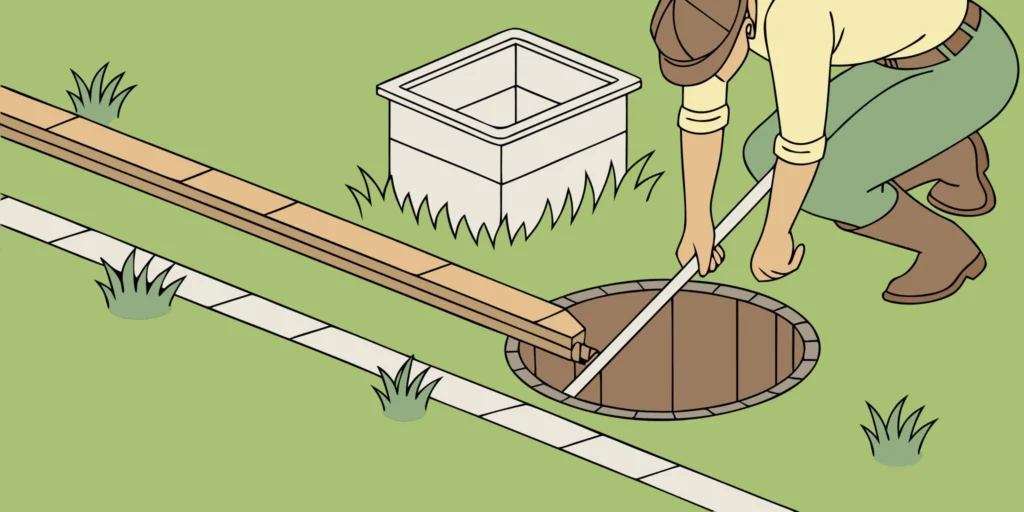
Once you’ve found a fresh mound, it’s time to locate the tunnel itself. Gophers create a fan-shaped mound by pushing dirt out of a lateral tunnel that connects to their main runway. Take a long screwdriver or a dedicated probe and start poking the ground in a circle about 6 to 12 inches away from the mound’s plug. You’re feeling for a sudden give or drop, which indicates you’ve found the tunnel. Once you find it, check if it’s a main runway by feeling which way it goes. If your probe can move back and forth easily, you’ve likely found a primary tunnel, the perfect place for a trap. You can see a demonstration of this on our How It Works page.
How to Set Your Gopher Trap, Step-by-Step
Alright, you’ve found an active tunnel and you’re ready to get to work. Setting your gopher trap is a straightforward process that gets easier with practice. The key is to be methodical and pay attention to the small details that make a big difference. Don’t worry, it’s not as complicated as it might seem. Follow these steps carefully, and you’ll be on your way to reclaiming your yard from these persistent pests. Let’s walk through exactly how to set your trap for the best chance of success.
Prepare the Trap
First things first, let’s get your gear in order. You won’t need much, but having everything on hand makes the process smooth. Grab your Cinch gopher trap, a pair of sturdy gloves, a narrow garden trowel or spade, and a piece of wire or string. Wearing gloves is important because it keeps your scent off the trap, which can make gophers wary. The trowel will help you prepare the tunnel, and the wire is your secret weapon for easy trap retrieval later on. Having these few items ready before you start digging will save you time and hassle.
Adjust the Trip Pins
The trigger mechanism is the heart of the trap, so getting it right is essential. Before placing the trap, take a moment to check the trip pins. You want to make sure they are fully engaged so the trap is set correctly. The goal is a snug fit in the tunnel, which ensures the gopher makes direct contact with the trigger. A properly set trap is sensitive enough to spring when the gopher pushes past it, but not so delicate that it goes off while you’re placing it. For a great visual breakdown, check out our guide on how it works.
Widen the Tunnel
Now it’s time to prep the gopher’s tunnel. Using your narrow spade or trowel, carefully clear any loose dirt from the tunnel opening you’ve uncovered. You may need to widen the tunnel slightly to accommodate the trap. The key here is to create a snug fit. You want the trap to slide in easily without getting stuck, but you don’t want extra space around it that would allow the gopher to bypass the trigger. Think of it like fitting a key into a lock. A little careful digging ensures the trap is perfectly positioned for when the gopher returns to plug the hole.
Secure the Trap with Wire
This final step is one you don’t want to skip. Before you place the trap inside the tunnel, securely attach a piece of garden wire or durable string to the back of it. This wire serves two important purposes. First, it makes it incredibly easy to find and pull the trap out of the tunnel later. Second, it prevents a gopher from dragging your trap deeper into its burrow system where it could be lost for good. You can tie the other end of the wire to a small stake or flag above ground as a marker. This simple action makes checking your traps quick and ensures you never lose your gear.
Where to Place Your Trap for the Best Results
You’ve found an active tunnel and have your trap ready to go. Now comes the most important part: placement. Where you put your trap is just as critical as how you set it. A perfectly set trap in the wrong spot won’t catch anything. Your success really hinges on placing traps in an active gopher tunnel. Before you even think about setting your trap, you need to do a little detective work in your yard.
Think of the gopher’s main tunnel as a highway. You want to place your trap right in the middle of the action, not on a quiet side street. Taking a few extra minutes to get the placement right will make all the difference and save you from checking an empty trap day after day. Let’s walk through the best practices for positioning your trap for a quick and effective catch.
Position Two Traps Facing Opposite Ways
Here’s a pro tip that will seriously improve your success rate: use two traps. Gophers travel back and forth in their main tunnels, and you never know which direction they’ll be coming from. Placing two gopher traps in the tunnel, one facing each direction, doubles your chances of a quick catch. This simple strategy means you’re covered no matter which way the gopher is moving. It’s an easy way to be more efficient and resolve your gopher problem faster. Think of it as setting up a roadblock that works from both directions.
Ensure Solid Tunnel Contact
For the trap to work, the gopher has to make direct contact with the trigger mechanism. This means the trap needs to fit snugly inside the tunnel. The jaws of a set trap should touch or nearly touch the walls of the tunnel when placed. This ensures the gopher can’t just squeeze past it. Before you place the trap, make sure the trip pins are fully engaged. When you slide the trap into the tunnel, it should feel secure, not loose or wobbly. A solid fit guarantees the gopher will interact with the trap exactly as it’s designed to. You can see a diagram of this on our How It Works page.
Get the Depth and Angle Right
The trap should sit level on the floor of the gopher’s tunnel. You don’t want it angled up or down, as this can cause the gopher to simply dig under or around it. Make sure the opening of the trap is flush with the tunnel path. Sometimes, a clever gopher will try to block the trap by pushing dirt into it. Don’t get discouraged if this happens. If the gopher plugs the tunnel, just open it up again and reset the trap. Persistence is key, and ensuring your trap is at the correct depth and angle gives you the best shot at success. If you run into other issues, our FAQs page has answers to common questions.
Common Trapping Mistakes to Avoid
Even the best gopher trap won’t work if it’s not set correctly. If you’re feeling frustrated by empty traps, a small adjustment can make all the difference. Most of the time, a lack of success comes down to one of a few simple, easy-to-fix errors. Getting the placement, fit, and trigger mechanism just right is the key to solving your gopher problem for good.
Let’s walk through the most common mistakes people make when setting their traps. By learning what not to do, you can fine-tune your approach and start seeing results. Think of this as a troubleshooting guide to ensure every trap you set has the highest possible chance of success. Avoiding these pitfalls will save you time and help you reclaim your yard from these destructive pests.
Choosing the Wrong Tunnel
Your success hinges on placing traps in an active gopher tunnel. Before you even think about setting your gopher trap, you need to do a little detective work in your yard. Gophers create extensive networks, but they don’t use every tunnel all the time. Placing a trap in an old, abandoned runway is a common mistake that leads to zero catches. Always use a stick or probe to test a tunnel for activity first. A gopher will quickly plug an open, active tunnel, usually within a day or two. If the hole remains open, it’s time to find a new spot.
Placing the Trap Too Loosely
A sloppy fit is another frequent reason for an empty trap. The jaws of a set trap should touch or nearly touch the walls of the tunnel when placed. This ensures that the pocket gopher must go over the trap, and not around it. If the trap is just sitting loosely in the tunnel, the gopher might simply bury it with dirt as it clears the runway. You want the trap to feel like a solid part of the tunnel. Take a moment to widen the tunnel just enough for a snug fit, ensuring the gopher has no choice but to pass through the trap’s trigger.
Setting the Trip Pins Incorrectly
The mechanical details of your trap are critical. Always make sure the trip pins are fully engaged and that the trap is placed snugly in the tunnel to ensure the gopher makes direct contact. If the pins are set too lightly, the trap might misfire. If they aren’t engaged properly, it might not fire at all. Take a moment to familiarize yourself with how the trigger works. The setup is simple, but it needs to be done correctly for the trap to function as designed. You can find more detailed guidance in our how-to instructions to get it right every time.
How to Check and Maintain Your Gopher Trap
Setting your trap is just the first step. The real secret to consistent success is knowing how to check and maintain your equipment. A little bit of routine care goes a long way in making sure your traps work effectively every single time. Proper maintenance is not only about keeping your gear in top shape; it’s also about handling the process humanely and efficiently. By creating a simple routine for checking your traps and cleaning them after a catch, you’ll get much better results and feel more confident in your gopher control efforts. Think of your gopher trap as a reliable tool in your gardening toolkit. Just like you’d clean your shears after pruning, your trap needs a little attention to perform at its best. Let’s walk through the simple steps to check on your progress and keep your traps ready for action.
Check Your Traps Daily
Make it a habit to check your traps frequently, at least once in the morning and again in the evening. This is important for a couple of key reasons. First, it’s the most humane approach. You want to ensure a trapped gopher isn’t left for an extended period. Second, it prevents other animals like predators or scavengers from getting to your catch before you do. A quick walk around your property to check the traps can easily become part of your daily routine. Consistent monitoring helps you stay on top of the gopher situation and remove them as soon as they’re caught, allowing you to reset the trap and get ready for the next one.
Safely Remove Your Catch
Once you’ve successfully caught a gopher, handling the trap is straightforward. To release the animal, carefully and firmly push down on the jaws of the trap to open them. The gopher will drop out, so be prepared for that. This simple mechanism allows for a quick and clean release. Always handle the trap with care, even after a catch. Once you’ve removed the gopher, you can dispose of it according to your local regulations. This process is designed to be as simple and safe as possible, getting you ready for the next step: cleaning the trap for its next placement.
Clean and Maintain Your Trap
After every catch, take a moment to clean your trap. This prevents any buildup of dirt or debris that could interfere with the trigger mechanism. You’ll also want to fill in the tunnel where you made the catch to discourage new gophers from moving in. After handling the trap or the animal, be sure to wash your hands thoroughly. Keeping your trap in good working order is essential for future success. A clean, well-maintained trap is more sensitive and more likely to fire instantly. For more tips on trap care, you can always check our FAQs page.
Why Isn’t Your Gopher Trap Working?
It can be incredibly frustrating to set a gopher trap perfectly, only to come back and find it empty or buried in dirt. If you’re feeling stumped, don’t worry. Most of the time, a few small adjustments are all it takes to see results. Your success hinges on three key factors: where you place the trap, how long you leave it, and whether you’ve found an active gopher tunnel. Think of it less as a failure and more as a chance to outsmart your opponent.
Before you give up, let’s walk through some common issues. Gophers are clever creatures, and they can be wary of anything new in their environment. They might push dirt to block off a trap they’ve detected, or they might simply abandon a tunnel if they sense a threat. By learning to read these signs, you can adjust your strategy and significantly increase your chances of catching them. This guide will help you troubleshoot your setup so you can get back to protecting your yard.
Troubleshoot Your Trap Placement
Your success starts with placing traps in an active gopher tunnel. Before you even set your trap, you need to do a little detective work. Once you’ve found a main runway, the trap needs to fit snugly inside. A loose trap can be easily pushed aside or buried by a suspicious gopher. The goal is for the gopher to run directly into the trap mechanism without any room to maneuver around it. Always double-check that the trip pins are fully engaged. A properly set trap is sensitive enough to spring with just a light nudge from the gopher as it moves through its tunnel. For a visual refresher, you can review exactly how our traps work.
Know When to Move the Trap
Patience is important, but you also need to know when to change your strategy. If you check your trap and find the opening plugged with dirt, the gopher likely detected it and tried to block it off. This is a clear sign to move the trap. Similarly, if a trap remains completely untouched after a couple of days, it’s a good indication that you’ve placed it in an inactive tunnel. Don’t leave a trap in the same spot for more than 48 hours without any activity. Your time is better spent finding a fresh, active mound and trying again there.
Spot an Inactive Tunnel
Placing a trap in an old, abandoned tunnel is one of the most common trapping mistakes. To avoid this, you need to learn how to identify fresh gopher activity. Look for mounds with dark, moist soil, which indicates recent digging. Older mounds will look dry, faded, and weathered. If you’re unsure, here’s a simple test: level a few mounds in the area and check back in a day or two. If a new mound appears in the same spot, you’ve found an active tunnel. Focusing your efforts on these areas is the surest way to make your Cinch gopher traps effective.
How Galvanized Traps Compare to Other Methods
When you’re dealing with gophers, it can feel like you’re fighting a losing battle. You have several pest control options, but they vary widely in effectiveness, safety, and ease of use. While poisons or flimsy traps might seem like a quick fix, they often come with significant downsides. Understanding the differences can help you choose a method that actually solves your problem for good, without creating new ones.
A well-made mechanical trap offers a targeted and reliable solution. Galvanized steel traps, in particular, stand out for their durability and proven track record. They are designed to work with a gopher’s natural instincts, providing an effective way to protect your yard or garden without resorting to harmful chemicals. Let’s look at what makes them a superior choice.
The Advantages of Galvanized Steel
The secret to a trap’s longevity is the material it’s made from. Galvanized steel is coated with a layer of zinc, which protects it from rust and corrosion. This means your trap can withstand damp soil, rain, and sprinklers season after season without breaking down. Unlike plastic traps that can become brittle or other metal traps that rust and weaken, a galvanized trap is a one-time investment.
This durability is why our gopher traps are built to last a lifetime. You can count on them to perform reliably every time you set them. A sturdy, well-built trap functions consistently, ensuring the trigger mechanism works smoothly for a quick and humane catch.
Effectiveness vs. Poisons and Other Traps
When it comes to gopher control, effectiveness is everything. While poisons can kill gophers, they pose a serious risk to pets, children, and beneficial wildlife. There’s also no way to confirm if the poison worked or to retrieve the animal, which can lead to unpleasant odors. Many homeowners and even professionals are moving away from chemical methods in favor of safer, poison-free solutions.
Not all traps are created equal, either. Some designs are difficult to set or are less efficient at capturing gophers, leading to frustration and wasted time. Studies have shown that certain trap types are simply not as effective. A well-designed galvanized trap, on the other hand, is engineered for a high success rate. The simple mechanics of a Cinch Trap make it easy to set correctly, which is key to catching gophers quickly and efficiently.
Tips for Long-Term Gopher Control
Getting rid of gophers isn’t just about setting a single trap and calling it a day. A successful, long-term strategy involves thinking like a gopher and staying one step ahead. By using your traps strategically and keeping them in great condition, you can protect your yard from these persistent pests for good. It’s about creating a consistent defense that makes your property less inviting over time.
Use Multiple Traps Strategically
To really improve your odds, always use two gopher traps in the main tunnel. Place one trap facing one direction and the second trap facing the opposite way. This simple step is a game-changer because you never know which direction the gopher will be coming from. By setting traps to cover both approaches, you essentially double your chances of a quick and successful catch. This method ensures that no matter how the gopher travels through its tunnel system, it will encounter one of your traps, making your efforts far more efficient.
Consider the Season
Timing is everything when it comes to trapping gophers. They are most active during the spring and fall when the soil is moist and easy to dig. Focusing your efforts during these seasons means you’re working when they are most likely to be creating new tunnels and foraging for food. Setting your traps in the early morning can also be particularly effective, as this is a peak time for gopher activity. By aligning your trapping schedule with their natural habits, you can catch them more efficiently and resolve infestations faster.
Keep Your Trap in Top Shape
A clean, well-maintained trap is an effective trap. The mechanism works best when its action is smooth and strong, which is easiest to maintain if you keep it clean. Dirt, rust, or debris can prevent the trap from closing properly, leading to missed opportunities. Before each use, make sure the trip pins are fully engaged and the moving parts are clear. A little bit of care ensures your trap functions exactly as it should, giving you reliable performance every time you set it. You can see how the trap works in detail to understand why this is so important for a successful set.
Related Articles
- How to Set a Cinch Gopher Trap: A 4-Step Guide
- 4 Best Gopher Trap Setters for Easy Trapping
- The Ultimate Galvanized Steel Gopher Trap Guide
- Pocket Gopher Extermination: A Complete Guide
Frequently Asked Questions
The gopher just buried my trap with dirt. What does that mean? This is a classic gopher move, and it usually means one of two things. The gopher either detected your scent on the trap, or the trap was placed too loosely in the tunnel. Gophers are meticulous about their runways and will instinctively push dirt to block anything that feels out of place. To fix this, always wear gloves to keep your scent off the trap, and make sure the trap fits snugly against the tunnel walls so the gopher has no choice but to pass through it.
Do I need to use bait with my Cinch Trap? No, you don’t need any bait. Cinch traps are designed to work with a gopher’s natural behavior. When you open up their tunnel, their instinct is to immediately return to plug the hole and secure their runway. The trap is placed directly in their path, and they trigger it while trying to do their cleanup work. This makes the process much simpler and more effective than trying to lure them with food.
Is it really necessary to use two traps at once? While you can catch a gopher with a single trap, using two is a professional strategy that dramatically increases your success rate. Gophers travel back and forth in their main tunnels, and you can’t be sure which direction they will approach from. By placing two traps in the same tunnel facing opposite directions, you cover both possibilities and double your chances of a quick catch.
How can I be sure a tunnel is active before I waste time digging? The best way to confirm activity is with a simple test. First, find a fresh mound of dirt. Use a long screwdriver or probe to locate the tunnel nearby, then open up a small hole into it. Leave the hole open and check back in 24 to 48 hours. If the gopher has plugged the hole with fresh dirt, you know you’ve found an active runway and it’s the perfect spot to set your traps.
I caught a gopher! What are the next steps? Great job! Once you have a catch, carefully remove the trap from the ground using the wire you attached. To release the gopher, press down on the trap’s jaws. After you’ve disposed of the animal according to local guidelines, it’s a good idea to clean any dirt off the trap so it’s ready for the next use. Finally, collapse the tunnel and fill the hole so another gopher doesn’t find it and move in.