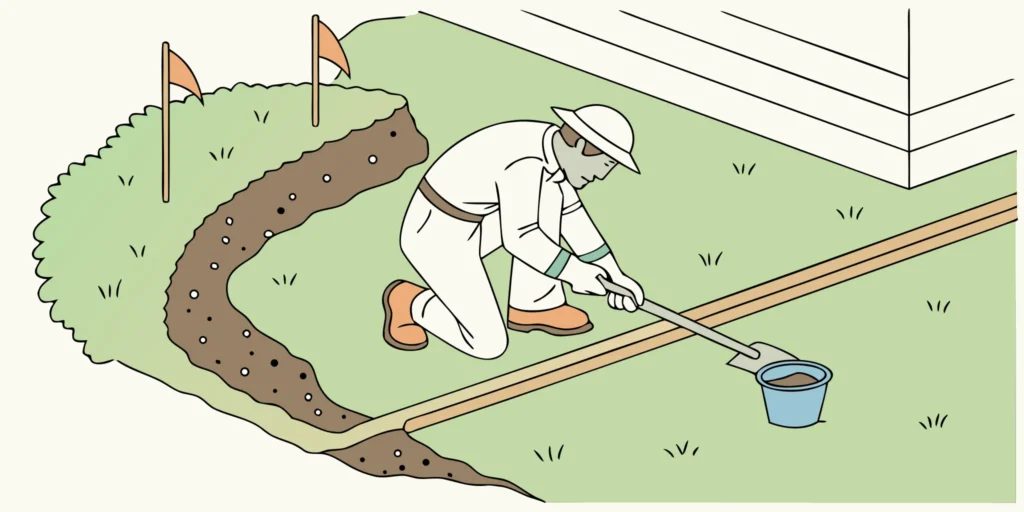
Successfully trapping a gopher is less about force and more about finesse. These animals operate on pure instinct, and the most effective gopher tunnel trap uses their predictable habits to its advantage. Gophers are meticulous about their underground highways and hate having them exposed to light and air. By understanding this simple behavior, you can learn to place a trap exactly where they are most vulnerable. This guide is your roadmap to thinking like a gopher. We’ll show you how to read the signs in your yard, find their main runways, and place your traps for a quick and effective catch, turning their instincts into your biggest asset.
Key Takeaways
- Target the main highway, not the side streets: For the best results, find the gopher’s main runway instead of the lateral tunnels connected to the mounds. Always use two traps facing opposite directions to ensure a catch no matter which way the gopher is traveling.
- Invest in a trap that’s built to last: Prioritize durable, rust-resistant materials like galvanized steel for a long-term solution. A quality trap is also simple to set, has a sensitive trigger, and works underground, keeping it safely away from kids and pets.
- Your technique is just as important as your trap: Always wear gloves to mask your scent, place the trap deep inside the tunnel, and completely cover the opening to block out all light. These small details make a huge difference in your success rate.
How Do Gopher Tunnel Traps Work?
Gopher tunnel traps are clever devices that use a gopher’s own instincts against it. Gophers are meticulous about their underground highways. When they sense a breach, like an open hole letting in light and air, their immediate impulse is to seal it up by pushing dirt toward the opening. Tunnel traps are designed to be placed directly in these runways. When the gopher comes to investigate and plug the hole, it triggers the trap mechanism. This approach is incredibly effective because it doesn’t rely on bait or poison, but on the gopher’s predictable, natural behavior.
Understanding Live vs. Lethal Traps
When choosing a trap, your first decision is whether to go with a live or lethal option. Live traps are designed to capture the gopher unharmed, allowing you to relocate it. These are often used by researchers or gardeners who prefer a non-lethal approach. However, for most homeowners dealing with a destructive infestation, a lethal trap is the most practical and effective solution. Lethal traps, like our Cinch Gopher Traps, are designed to eliminate the pest quickly and humanely. They are straightforward to set and provide a permanent solution to your gopher problem, preventing the animal from returning to cause more damage.
The Secret to an Effective Trap
The most effective traps share a common design secret: they mimic an open gopher tunnel. This is sometimes called a “black hole” design. Gophers are drawn to dark, enclosed spaces and are instinctively driven to block any light source in their tunnel system. When they see the opening of the trap, they move forward to plug it with soil, which sets off the spring-loaded mechanism. For this to work, placement is everything. Experts advise that traps should be placed far enough into the tunnel to catch the gopher as it approaches. If it’s too close to the surface, the gopher might start plugging the hole without ever engaging the trap. Our traps are designed to make this process simple, which you can see in our step-by-step guide.
What Are the Different Types of Gopher Traps?
When you’re ready to reclaim your yard, you’ll find a few different styles of gopher traps on the market. They all work by being placed inside the gopher’s tunnel system, but their mechanisms vary. Some are designed for lethal removal, while others offer a live-capture option. Understanding the main types will help you choose the most effective tool for your situation. From classic designs that have worked for over a century to modern variations, there’s a trap to fit every need and preference. Let’s look at the most common options you’ll encounter.
Cinch Gopher Traps
As a design that has stood the test of time, cinch traps are a top choice for both beginners and seasoned pros. Cinch Traps is the most trusted brand since 1909, and for good reason. These traps are handmade in Oregon from galvanized steel and are built to last for years. They use a pincer-style mechanism that closes around the gopher when it pushes dirt against the trigger plate. This simple, effective design makes them easy to set and highly reliable. Because they are placed directly in the tunnel, they offer a quick and discreet way to handle your gopher problem without using any bait or poisons. Their durable construction means you can count on them season after season.
Spring-Loaded Traps
Spring-loaded traps are another popular lethal option known for their powerful and fast action. A common example is the Gopher Trap Black Hole, which is designed to look like an open gopher tunnel. Gophers are naturally inclined to close off any light sources in their tunnels, so they will try to push dirt into the trap to block the light. This action sets off a strong spring that catches them instantly. This instinct-driven trigger mechanism makes these traps quite effective. They are typically made of durable plastic or metal and are a good choice if you want a straightforward, set-it-and-forget-it solution for your yard or garden.
Box Traps
If you’re looking for a non-lethal approach, a box trap is the way to go. These traps are designed to capture the gopher alive and unharmed, allowing you to relocate it. The Gopher Mole Live Trap is a great example, built for “researchers, non-violent gardeners, teachers and anyone wanting a non-lethal trapping solution.” A gopher enters the box-shaped trap, and a trigger mechanism causes the doors at one or both ends to close, safely containing the animal inside. While this is a humane option, remember to check local regulations about relocating wildlife, as it’s not permitted in all areas. You’ll also need to check these traps frequently to avoid causing stress to the captured animal.
Scissor-Jaw Traps
Scissor-jaw traps are another common lethal design that uses two moving, scissor-like jaws to catch the gopher. These traps are inserted into the tunnel and are triggered when the gopher moves through them. While effective, their design can sometimes be a bit more complex to set than other types. The trigger mechanism is also a key point of difference. For instance, a comparison of three traps noted that “Cinch trap pans are much larger than the diameter of Macabee and DK-1 traps.” A smaller trigger pan might require more precise placement to be effective, so it’s something to keep in mind when choosing a trap.
Key Features to Look for in a Gopher Trap
When you’re ready to reclaim your yard, choosing the right gopher trap is the most important step. But with so many options out there, it’s easy to feel overwhelmed. The best traps aren’t just effective; they’re also durable, safe, and easy to use. Focusing on a few key features will help you find a reliable tool that solves your gopher problem for good, without adding extra stress to your plate. Let’s walk through what really matters in a gopher trap.
Durable, Long-Lasting Materials
A gopher trap is an investment, so you want one that can stand up to the job season after season. These traps live outside in the dirt and rain, so they need to be tough. Look for traps made from high-quality, rust-resistant materials. For example, Cinch Traps are handmade in Oregon from durable galvanized steel and are built to last for years. A flimsy trap might break or rust after just a few uses, forcing you to buy replacements. A well-built trap will save you money and frustration in the long run, providing a reliable solution whenever a new gopher appears.
Safety for You and Your Pets
If you have kids or pets running around, safety is probably your top priority. The thought of a trap in the yard can be nerve-wracking, but the right design makes all the difference. Tunnel traps are an excellent choice because they are set underground, directly in the gopher’s runway. As the Cinch Traps team points out, “a securely placed trap in a gopher tunnel is far less likely to interact with a child or pet.” This keeps the mechanism safely out of reach, giving you peace of mind while you effectively handle your pest problem.
Simple Setup and a Sensitive Trigger
You shouldn’t need an engineering degree to set a gopher trap. A complicated setup process is frustrating and can even be dangerous. The best traps are designed for straightforward use. For instance, it takes just four easy steps to get a Cinch Trap ready for action. This simplicity means you can set it quickly and confidently. But an easy setup is only half the battle; the trap also needs a sensitive trigger. A gopher can easily push dirt over a trap with a clumsy trigger, burying it without setting it off. A sensitive mechanism ensures a quick and effective capture every time.
A Bait-Free, Non-Toxic Design
Many people are hesitant to use poisons or baits in their yards, and for good reason. A bait-free, non-toxic trap is a much safer and more environmentally friendly choice. This type of trap “eliminates pests without relying on harmful chemicals, promoting a safe environment for families and pets.” Instead of luring gophers with bait, which can attract other unintended wildlife, these gopher traps are placed in the gopher’s path. They work by using the gopher’s own movement to spring the trap. This method is highly effective and ensures you’re only targeting the pest that’s destroying your lawn.
How to Find Active Gopher Tunnels
Setting a gopher trap is one thing, but setting it in the right place is what really counts. Gophers are busy creatures, constantly digging new tunnels and abandoning old ones. To be successful, you need to place your trap in an active, high-traffic area. Think of it like setting up a roadblock on a busy highway instead of a quiet side street. It’s all about location. By learning to read the signs gophers leave behind, you can pinpoint exactly where to place your traps for the best results, saving you time and frustration.
Spotting Fresh Gopher Activity
The first step is to play detective in your own yard. The most obvious sign of gophers is the classic fan-shaped mound of dirt they push to the surface. But not all mounds are created equal. You’re looking for the freshest ones, which indicate a gopher was recently at work. Fresh mounds will have darker, moister soil compared to older mounds that have been dried and baked by the sun. You might even see some dampness or clumps of dirt. Focus your efforts on these new mounds, as they are your best clue to finding a gopher’s current whereabouts.
Testing Tunnels to Confirm They’re Active
Once you’ve found a fresh mound, you need to confirm the tunnel below is still in use. Gophers hate having their tunnels open to the air, so you can use this to your advantage. Using a small shovel or a garden trowel, carefully dig into the mound to find the tunnel opening. Once you’ve found it, clear the opening of any loose dirt. Now, leave it alone for a day or two. If you come back and find the hole has been plugged with fresh dirt, you’ve found an active tunnel. This simple test confirms a gopher is using that runway and is a perfect spot to set your trap.
Finding the Main Runway
The mounds you see are connected to lateral tunnels, which are like side streets leading off a gopher’s main highway. For the highest chance of success, you want to place your traps in that main runway. These main tunnels are usually a bit deeper, about 6 to 12 inches below the surface. You can find them by probing the ground with a long screwdriver or a dedicated soil probe. Start probing about a foot away from a fresh mound, on the side opposite the dirt plug. When the probe suddenly sinks a few inches, you’ve likely found the main runway. According to researchers, you should always use two traps in the main tunnel, one facing each direction, to catch a gopher no matter which way it’s traveling.
How to Set a Gopher Tunnel Trap, Step-by-Step
Once you’ve found an active gopher tunnel, you’re ready to get to work. Setting a trap is a straightforward process that only takes a few minutes when you know the right moves. The key is to place the trap correctly within the gopher’s runway without disturbing the area too much. Follow these four steps to set your gopher trap effectively and reclaim your yard.
Prepare the Tunnel Opening
First, you need to create a clean opening to place the trap. Using a garden trowel or a small shovel, carefully dig down to expose the gopher’s tunnel. Your goal is to create an opening just large enough to fit the trap inside. Clear away any loose dirt or debris from the entrance so the trap’s mechanism isn’t obstructed. As experts from New Mexico State University note, the first step is to locate an active tunnel and excavate it properly. A clean setup ensures the gopher has a clear path directly into your trap, making for a much quicker catch.
Place the Trap Correctly
Proper placement is everything. You want to position the trap far enough inside the tunnel so the gopher is fully committed before it senses anything is off. Slide your Cinch Trap into the opening, making sure it’s snug against the bottom of the tunnel. The trap should be placed deep enough to “capture the pocket gopher as it approaches the tunnel breach.” If it’s too close to the opening, the gopher might just push dirt into it to plug the hole. Make sure the trap is stable and secure so it can’t be easily pushed aside. Our How It Works page has some great visuals for this step.
Use Multiple Traps for Better Results
To increase your odds of success, it’s smart to use two traps in each main runway. Gophers travel back and forth through their tunnels, so you never know which direction they’ll be coming from. As one garden center advises, “it is sometimes of benefit to use 2 traps, one facing in either direction.” By placing one trap facing into the tunnel and a second one facing the opposite way, you cover all your bases. This two-trap method ensures you’ll catch the gopher no matter which way it’s headed, which can cut your trapping time in half.
Cover the Tunnel After Setting the Trap
Gophers are sensitive to light and air drafts in their tunnels. An uncovered opening signals a breach they will immediately try to repair. After setting your trap, cover the hole with a piece of sod, a flat stone, or a wooden board to block all light. This simple step makes the gopher feel secure, encouraging it to travel through the tunnel and straight into your trap. Finally, mark the location with a stake or flag so you can easily find it later. This makes checking your traps quick and easy without having to search for the spot again.
Common Gopher Trapping Mistakes to Avoid
Setting gopher traps can feel like a game of wits, and it’s easy to get discouraged if your traps keep coming up empty. More often than not, a few small adjustments to your technique can make all the difference. Success isn’t just about having a good trap; it’s about understanding gopher behavior and avoiding the common slip-ups that even experienced gardeners make.
From picking the wrong location to accidentally leaving behind clues that you were there, these simple errors can send gophers scurrying in the other direction. Let’s walk through the most frequent mistakes and how you can fix them. By learning what not to do, you’ll be able to set your traps with confidence and finally get the results you’re looking for. Getting rid of gophers is a process of trial and error, but you can shorten that process by learning from these common pitfalls.
Placing Traps in the Wrong Spot
The number one mistake is placing the trap in a lateral tunnel (the one connected to the mound) instead of the main runway. Gophers use these lateral tunnels to push dirt out and then quickly seal them off. A trap placed there will likely just get buried in dirt. For the best results, you need to set your trap in the main tunnel where the gopher travels back and forth. According to researchers at New Mexico State University, traps must be set far enough into the tunnel to catch the gopher as it moves through its primary path. This ensures the gopher fully enters the trap instead of just pushing dirt into it from the entrance.
Leaving Your Scent Behind
Gophers have a strong sense of smell and can be wary of anything that carries a human scent. If you handle your traps with bare hands, you’re leaving behind a warning sign that tells them to stay away. This is an easy fix: always wear gloves when handling and setting your traps. This simple step prevents your scent from transferring to the metal. For extra precaution, you can rub some fresh dirt from the gopher’s tunnel onto the trap to help it blend in and mask any foreign smells. It’s a small detail that makes a huge difference in whether a gopher approaches your trap or avoids it entirely.
Not Using Enough Traps
Relying on a single trap is a common misstep that can seriously lower your chances of success. A gopher’s main runway is like a two-way street; they can approach from either direction. If you only set one trap, you only have a 50% chance of catching it. The best practice is to place two gopher traps in the main tunnel, one facing each direction. This strategy ensures that no matter which way the gopher is traveling, it will encounter a trap. This doubles your odds of a successful catch with every single set, making your efforts much more efficient and effective.
Ignoring New Signs of Activity
Gophers are constantly digging, and the most active parts of their tunnel system can change from one day to the next. A common mistake is setting traps and then forgetting about them or failing to adapt when you don’t see results. If a trap isn’t triggered after a day or two, don’t assume there are no gophers. Instead, look for fresh mounds, which indicate where the gopher is currently working. As experienced gardeners often advise, you should move traps that aren’t getting any action closer to the ones that are. Pay attention to where the newest dirt piles are and focus your efforts there. Persistence and observation are your best tools.
How to Choose the Right Gopher Trap for Your Yard
Picking the right gopher trap can feel like a big decision, but it really comes down to your specific situation. There isn’t a single “best” trap for everyone. The ideal choice depends on the size of your yard, the extent of your gopher problem, your soil type, and your personal preferences. Thinking through these factors will help you find a solution that works effectively and gives you back your lawn. Let’s walk through what you need to consider to make the best choice for your property.
Consider Your Property Size and Infestation Level
First, take a look at your yard and figure out the scale of your gopher issue. Are you dealing with a few mounds on a small suburban lawn, or are you trying to protect several acres of farmland? Trapping is an incredibly effective and practical way to handle gophers, especially on smaller properties or for moderate infestations. If you only have a handful of active tunnels, a couple of well-placed gopher traps might be all you need. For larger areas or a gopher population that seems to be exploding, you’ll need a more robust strategy with multiple, durable traps that you can reuse season after season.
Factor in Your Soil Type and Budget
Your soil and your budget are two other key pieces of the puzzle. If you have rocky or heavy clay soil, you’ll need a sturdy trap that can handle tough conditions without bending or breaking. When it comes to budget, it’s helpful to think long-term. You can find cheap traps, but they often rust or fail after just a few uses. Investing in a higher-quality trap from the start can save you money and frustration down the road. Cinch traps are handmade in Oregon from galvanized steel and are built to last for years, making them a reliable one-time purchase rather than a recurring expense.
Decide Between Humane and Lethal Options
Finally, you’ll need to decide whether you prefer a humane (live) trap or a lethal one. Live traps are designed to capture the gopher so you can release it elsewhere. This is a good option if you want a non-lethal solution, but be sure to check your local regulations on relocating wildlife. On the other hand, lethal traps are designed to eliminate the pest quickly and efficiently. Many people find this to be the most effective way to protect their property from further damage. Our trapping system is a chemical-free solution that eliminates gophers without relying on harmful poisons, which helps create a safer environment for your family and pets.
Where to Buy Quality Gopher Traps
Once you’ve decided on the type of gopher trap you need, the next step is finding where to buy it. You have a couple of great options, each with its own perks. Whether you prefer the convenience of shopping from home or the hands-on experience of buying in a store, knowing what to look for will help you get the best tool for the job. Making an informed choice will save you time, money, and the headache of dealing with a persistent gopher problem.
Shopping Online vs. In-Store
Buying online gives you access to a huge variety of traps, often directly from the people who make them. You can browse a complete selection of gopher traps and have them shipped right to your door, which is a major time-saver. It also gives you plenty of time to read reviews and compare different models without feeling rushed. On the other hand, heading to your local hardware or garden store means you can get your trap today. You can hold it in your hands to feel its construction and ask the staff for their recommendations, though your choices might be limited to just a few brands.
Comparing Prices and Features
When you’re comparing traps, try to look beyond the initial price tag. A cheaper trap might seem like a good deal, but if it’s flimsy or ineffective, you’ll just end up frustrated. Investing in a durable, well-made trap is often more cost-effective than repeatedly hiring professional services. The real value lies in a trap that works consistently and is built to last for years. Also, consider features that fit your needs, like a simple setup process and a design that offers environmental benefits by being safe around children and pets. A quality trap should be a one-time purchase that solves your gopher problem for good.
How to Maintain Your Gopher Traps
Your gopher traps are an investment in a healthy, beautiful yard. Just like any quality tool, they work best when you take good care of them. Proper maintenance not only ensures your traps function effectively every time but also extends their lifespan, saving you money and frustration down the road. A few simple habits can keep your traps in prime condition for years of successful gopher control. With durable, well-made traps, a little upkeep is all it takes to protect your property season after season. Taking the time to clean, correctly reset, and inspect your traps will make your pest control efforts much more efficient and successful.
Clean and Store Your Traps Properly
After a successful catch, it’s important to clean your traps before storing or resetting them. Removing dirt, fur, and other debris ensures the trigger mechanism moves freely and without obstruction. Cinch Traps are handmade in Oregon from galvanized steel, so they are built to withstand the elements and can be easily cleaned with a quick rinse from a garden hose. For any stubborn dirt, a stiff brush will do the trick. Once clean, let your gopher traps dry completely and store them in a shed, garage, or another dry location. This simple step prevents rust and keeps them ready for action whenever a new mound appears.
Know When and How to Reset Them
Sometimes you’ll check a trap and find it filled with dirt instead of a gopher. Don’t get discouraged; this is actually a good sign. It means a gopher is actively using that tunnel and tried to block the foreign object (your trap) you placed in its home. When this happens, simply clear the dirt from the trap and reset it in the same spot. Persistence pays off. If you have other traps that aren’t seeing any action, move them closer to the tunnel where you found the dirt-filled trap. This strategy helps you concentrate your efforts on the most active areas. Make sure you understand how it works by placing the trap deep enough to catch the gopher as it moves through its runway.
Learn When to Replace Worn-Out Parts
Even the toughest tools can show wear over time. Before setting your traps each season, give them a quick inspection. Check the springs, trigger plates, and other moving components to ensure everything is in good working order. A trap with a weak spring or a faulty trigger won’t be effective. While Cinch Traps are built to last a lifetime, heavy use can eventually wear down certain parts. If you notice a component is bent, rusted, or not functioning smoothly, it’s time for a replacement. Keeping a few spare parts on hand is a great idea, so you can quickly make repairs and get your traps back in the ground. You can find all the accessories you need to keep your traps in top shape.
Related Articles
- The Ultimate Galvanized Steel Gopher Trap Guide
- Buy Gopher Traps in Denver: The Ultimate Guide
- Pocket Gopher Extermination: A Complete Guide
- How to Buy a Gopher Trap: A Buyer’s Guide
- How to Set a Cinch Trap: A Step-by-Step Guide
Frequently Asked Questions
Why isn’t my gopher trap working? If your trap is coming up empty, there are usually a few common reasons. The most frequent issue is placement. Make sure you’re setting the trap in a main runway, not a side tunnel that a gopher only uses to push out dirt. Another culprit can be your scent. Always wear gloves when handling your trap to avoid leaving a human smell that can make gophers wary. Finally, using two traps facing opposite directions in the main tunnel will double your chances of a catch.
Are tunnel traps like Cinch Traps safe to use around my kids and pets? Yes, when used correctly, they are one of the safest options available. Because the entire trap is placed underground inside the gopher’s tunnel, the mechanism is out of sight and out of reach. Once you set the trap, you cover the opening with a board or a clump of sod, which further secures the area. This design keeps the working parts of the trap away from curious pets and children playing in the yard.
How long should I wait before moving a trap that hasn’t caught anything? Gophers are usually quick to investigate and repair any breaches in their tunnels. A good rule of thumb is to check your traps after 24 to 48 hours. If a trap hasn’t been triggered or filled with dirt in that time, the tunnel is likely inactive. Your best bet is to pull the trap and move it to a location with fresher mounds and more recent signs of gopher activity.
Do I need to use bait with these traps? No, you do not need any bait. Cinch Traps are designed to work with a gopher’s natural instincts, not by luring it with food. Gophers have a strong impulse to plug any hole that lets light or air into their tunnel system. The trap is triggered when the gopher pushes dirt toward the opening to seal it, making bait completely unnecessary. This keeps the process simple and clean.
What’s the difference between a gopher mound and a molehill? It’s easy to confuse them, but they have distinct shapes. A gopher mound is typically crescent-shaped or fan-shaped, with a visible dirt plug off to one side. This is because gophers push the dirt out of the tunnel at an angle. A molehill, on the other hand, is more conical and volcano-shaped. Moles push dirt straight up, so you won’t see a plug on the side of the mound.