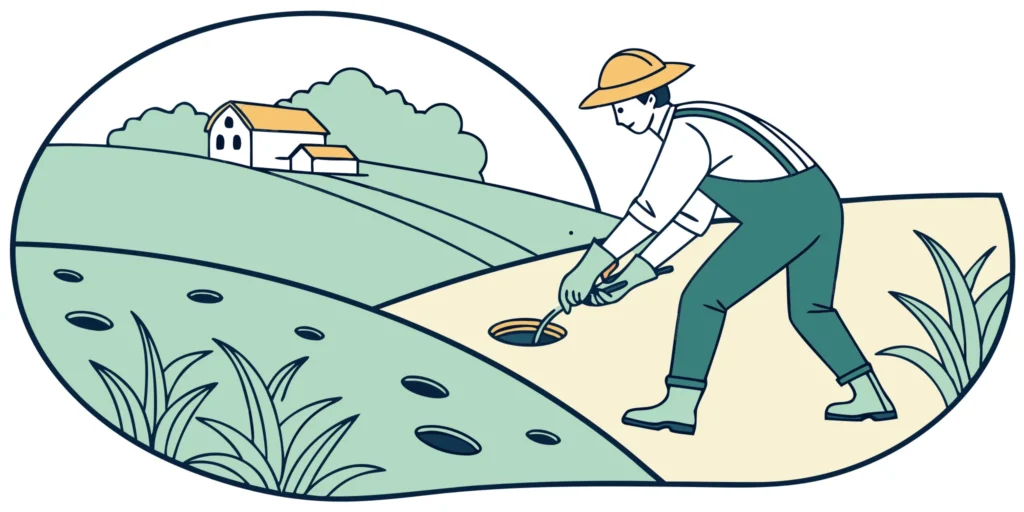
Using the wrong tool for a job is a recipe for frustration. You wouldn’t use a sledgehammer to hang a picture frame, and the same principle applies to gopher trapping. The most effective, durable trap won’t work if it doesn’t fit the environment it’s placed in. For pocket gophers, the tunnel size dictates everything. That’s why the first question you need to answer is what size cinch trap for pocket gophers you should use. Getting this right is more than half the battle. We’ll show you how simple it is to measure a tunnel and select the Cinch Trap that provides a perfect fit, taking all the guesswork out of protecting your yard.
Key Takeaways
- Match your trap to the tunnel: For most pocket gophers, the Small Cinch Trap is the correct choice. Always place it in a main runway, which you can find by probing near a fresh mound, to ensure the gopher cannot bypass it.
- Create an effective set every time: Gophers avoid light and drafts, so after placing the trap snugly in the tunnel, completely cover your opening with a clod of dirt or a board. This encourages the gopher to move through the trap to clear the blockage.
- Stay consistent with checks and maintenance: A successful catch relies on consistent effort. Check your traps daily, keep the mechanism clean for sensitivity, and if a gopher plugs the tunnel with dirt, simply clear it and reset the trap.
Get to Know Pocket Gopher Tunnels
Before you can effectively trap a gopher, you need to think like one. These little critters spend almost their entire lives underground, creating a complex network of tunnels. Understanding this network is the key to placing your trap in the right spot for a quick catch. The mounds of dirt they leave behind are your roadmap to their underground world. Instead of just setting a trap and hoping for the best, taking a few minutes to identify an active, main tunnel will make all the difference. Let’s walk through how to read the signs and find the perfect place to set your trap.
How to Spot an Active Tunnel
First things first, you need to find a fresh mound. Look for crescent or horseshoe-shaped piles of dirt. A key sign of gopher activity is that the hole is usually plugged and off to one side of the mound. Fresh dirt will be darker and moister than older mounds, telling you a gopher has been working in that area recently. To find the main runway, take a long screwdriver or a thin probe and gently poke the ground around the plugged side of the mound. You’re looking for a spot where the probe suddenly gives way. This drop indicates you’ve found the tunnel, which is usually about 6 to 12 inches away from the plug. This is the perfect spot to begin the trapping process.
What Size Are Gopher Tunnels?
Gopher tunnels are surprisingly consistent in size, which is great news for trapping. Most pocket gopher tunnels are about 2.25 inches wide. This is why the size of your trap is so important. You need a trap that fits snugly within the tunnel walls, leaving no room for the gopher to squeeze around it. A proper fit ensures the gopher must go through the trap, not around it. This is exactly why our Small Cinch Trap for gophers is the go-to choice for pocket gophers. Its design is perfectly matched to the tunnel size. A trap that’s too big won’t fit, and one that’s too small will be easily avoided, so getting the size right is your first step to success.
Find the Right Cinch Trap Size for Gophers
Choosing the right trap size is the most important step for successfully catching a gopher. It’s not about getting the biggest trap you can find; it’s about matching the trap to the tunnel. For pocket gophers, which are the most common culprits in yards and gardens across the country, there’s one size that consistently gets the job done. Let’s break down why the small trap is your best option and why going bigger can actually work against you.
Why the Small Cinch Trap is Your Best Bet
When you’re dealing with pocket gophers, the Small Cinch Trap is almost always the right tool for the job. This trap is specifically engineered for tunnels that are about 2.25 inches wide, which is the standard size for most gopher runways. A snug fit is critical because it ensures the gopher will trigger the trap mechanism when it moves through the tunnel to clear the blockage. Before you buy, take a moment to measure the tunnel opening. This simple step confirms you have the right size and sets you up for a quick, effective catch. The Small Cinch Trap is designed for exactly this scenario, making it a reliable and humane solution.
Why Bigger Isn’t Better for Gopher Traps
You might be tempted to grab a medium or large trap, thinking it will have more power, but for pocket gophers, this is a mistake. A trap that’s too big for the tunnel won’t work correctly. Gophers are smart, and if they sense something is off, they might just bury the trap with dirt instead of passing through it. More importantly, a loose-fitting trap may not trigger at all, or it could result in a poor catch. The Cinch Trap’s design relies on a precise fit to function effectively. Sticking with the Small Cinch Trap ensures it fits snugly in the tunnel, giving you the best chance for a clean and successful capture every time.
How to Measure a Gopher Tunnel
Setting a gopher trap correctly is the secret to getting rid of these pests for good. It’s not just about finding a mound of dirt; it’s about understanding the gopher’s highway system underground. Taking a few moments to measure the tunnel ensures your trap is perfectly placed for a quick and effective catch. Think of it as doing a little detective work before you set your trap. This simple step makes a huge difference and saves you the frustration of an empty or plugged trap later on.
What You’ll Need to Measure
You don’t need any fancy equipment for this part. All it takes is a simple probing tool. A long screwdriver, a sturdy stick, or a dedicated soil probe will work perfectly. Your goal is to find the main gopher tunnel, which is typically hidden 4 to 12 inches below ground. Start probing the soil about 4 to 12 inches away from the plugged side of a fresh mound. When your probe suddenly sinks a few inches with less resistance, you’ve found the runway. This is the spot where you’ll want to place your gopher trap.
A Simple Step-by-Step Guide
Once you’ve found the main tunnel, you’re ready to set your trap. Follow these steps to get the placement just right.
- Locate the Tunnel: Use your probing tool to find the main runway near a fresh mound of dirt. Remember, you’re looking for that sudden drop that tells you you’ve broken into the open tunnel.
- Dig an Opening: Carefully dig a small opening just large enough to fit the trap. A garden trowel or a hori-hori knife is great for this. You want the opening to match the tunnel’s diameter so the trap fits snugly.
- Set the Trap: Place the Cinch Trap into the opening. The jaws should almost touch the sides of the tunnel. This is key because it forces the gopher to move through the trap, not around it.
- Place a Second Trap: For best results, find the tunnel on the other side of the mound and place a second trap facing the opposite direction. This doubles your chances of catching the gopher, no matter which way it’s traveling.
- Check for Plugs: If you check your trap and find it plugged with dirt, don’t worry. Gophers often try to block disturbances. Just clear the tunnel, make sure the trap is still set correctly, and place it back.
Why Choose a Cinch Trap for Gophers?
Once you’ve identified an active gopher tunnel, the next step is choosing a trap that actually works. With so many options available, it’s easy to feel overwhelmed. You want a solution that is reliable, effective, and straightforward to use. Cinch Traps are designed to meet all these needs, taking the guesswork out of gopher removal. They combine durable construction with a proven design, giving you a tool you can count on to protect your yard, garden, or farm. Let’s look at what makes a Cinch Trap the right choice for handling your gopher problem.
Built to Last with a Lifetime Warranty
There’s nothing more frustrating than buying a tool that fails after just one or two uses. Our gopher traps are built to be a permanent solution, not a temporary fix. Each trap is handmade in Oregon from heavy-duty galvanized steel, which means it won’t rust or break down, even after seasons of use in damp soil. We believe in the quality of our work so much that every Cinch Trap comes with a lifetime warranty. You can invest with confidence, knowing you have a durable, dependable tool that will be ready to go whenever you need it.
Proven Effective by University Studies
When you’re dealing with destructive pests, you don’t have time for methods that might not work. Trapping is widely considered by agricultural experts and university researchers to be the single most effective way to control gophers. Instead of relying on repellents or poisons that can have mixed results, a Cinch Trap offers a direct and proven solution. Our traps are designed based on gopher behavior to ensure a high catch rate. By choosing a Cinch Trap, you’re using a method that’s backed by experts to get the job done right.
Designed for a Quick, Clean Catch
We understand that you want to resolve your gopher issue as humanely and cleanly as possible. The Cinch Trap is engineered for exactly that. Its powerful design ensures a quick, decisive catch, which is more ethical for the animal and much simpler for you. You don’t have to worry about a complicated or messy process. The trap’s mechanism is both sensitive and strong, providing an effective solution that minimizes stress for everyone involved. You can see exactly how it works and feel confident that you’re using a well-designed, efficient tool.
Set Your Small Cinch Trap for Success
You’ve got the right tool for the job; now it’s time to put it to work. Setting your trap correctly is just as important as choosing the right size. While trapping is widely considered the most practical and effective way to handle gophers, your success really comes down to technique. A well-placed trap is one that a gopher can’t avoid.
Getting it right is simple when you break it down into a few key steps. It all starts with finding the perfect spot in the tunnel, ensuring the trap fits just right, and prepping the area for a quick catch. Let’s walk through exactly how to do it.
Find the Perfect Spot in the Tunnel
First things first, you need to locate an active, main gopher tunnel. The best way to do this is to find a fresh mound of dirt and probe the ground about 8 to 12 inches away from it with a small shovel or rod. You’ll feel a sudden give when you break into the tunnel. You’re looking for a straight section of the tunnel to place your trap. According to researchers, the jaws of a set trap should nearly touch the tunnel walls. This ensures the gopher has to pass through your trap, not around it. A perfect placement makes all the difference.
Get the Right Fit and Angle
Once you’ve found the main tunnel, carefully dig an opening just large enough to fit the trap. Many gardeners find a hori-hori knife or a narrow trowel works perfectly for this, helping you create an opening with the right diameter so the Cinch trap fits snugly inside. Place the trap so it sits flat on the tunnel floor, with the trigger wire positioned to intercept the gopher. The goal is to make the trap feel like a natural part of the tunnel. For a complete visual guide on placement, you can see exactly how it works on our site.
Prep the Tunnel Opening
Gophers are sensitive to light and air drafts, so they will immediately try to plug any openings in their tunnel system. After setting your trap, you need to cover the hole you dug. Use a clod of dirt, a piece of sod, or a small board to block all light, but be careful not to obstruct the trap’s trigger mechanism. Sometimes, a gopher will push dirt into the trap, plugging it before it can spring. Don’t get discouraged if this happens. As one expert notes, “If the gopher plugs the tunnel, just open it up again and reset the trap.” Persistence is key to success with your gopher traps.
Common Gopher Trapping Mistakes to Avoid
Even the best trap won’t work if it’s not used correctly. Gopher trapping can feel like a bit of an art at first, but you’ll get the hang of it quickly by steering clear of a few common errors. Let’s walk through the main mistakes people make so you can get it right from the start and see results faster. By avoiding these simple slip-ups, you’ll be able to use your Cinch Trap with confidence and protect your yard effectively.
Choosing the Wrong Size or Spot
When it comes to trapping gophers, size and location are everything. A trap that’s too large for the tunnel will be easy for a gopher to avoid. The jaws of a set trap should nearly touch the tunnel walls, forcing the gopher to pass through it, not around it. This is why our small gopher traps are so effective. Just as important is where you place it. You want to find the main tunnel, which is usually a straight path between two mounds. Setting a trap in a secondary, dead-end tunnel won’t get you very far. Take a moment to find the right spot for the best results.
Forgetting to Maintain and Check Your Trap
Our traps are handmade from galvanized steel for a reason: they’re built to last a lifetime. But a little maintenance ensures they work perfectly every time. A rusty or dirt-caked trigger won’t be as sensitive, which can lead to a missed catch. It’s a good practice to keep the trip wires clean and maybe even give them a light sanding if they get rusty. A quick coat of silicone spray lubricant can also keep the mechanism snappy. Remember to check your traps daily. A set trap is only useful if you know when it’s been sprung. You can find more care tips in our FAQs.
Setting the Trap Incorrectly
There’s a definite technique to setting a gopher trap, and doing it right makes all the difference. Learning how to hold the trap, position it correctly in the tunnel, and place it at the right angle is key. We provide a detailed guide on how it works to walk you through every step. Don’t get discouraged if a gopher plugs the tunnel with dirt. It’s a common defense mechanism. As trapping experts advise, if the gopher plugs the tunnel, just open it up again and reset the trap. Persistence is often the final step to success.
Monitor and Maintain Your Cinch Trap
Setting your trap is a fantastic first step, but your work isn’t quite finished. Consistent monitoring and a little upkeep are key to making sure your trap works effectively every single time. Think of it like any other quality tool in your shed; a bit of care ensures it performs perfectly for years to come. Cinch Traps are handmade in Oregon from durable galvanized steel and built to last a lifetime, but a quick check-in now and then can make all the difference between a plugged tunnel and a successful catch.
Taking a few moments to monitor your trap saves you from the guesswork. Instead of wondering what’s happening underground, you’ll know exactly when you’ve caught a gopher and when your trap needs a little attention. These simple maintenance steps don’t take much time, but they are crucial for keeping the trap’s mechanism sensitive and responsive. By following these tips, you’re not just setting a trap; you’re maintaining an effective, long-term solution for keeping your yard gopher-free. It’s the best way to protect your investment and get the most out of your Cinch Trap.
Check the Catch Indicator Flag
One of the most convenient features of the Cinch Traps gopher trap is the catch indicator flag. This handy little flag lets you know when the trap has been sprung, so you can see your success from a distance without having to get down on your hands and knees. When a gopher is caught, the flag will be raised, giving you a clear visual signal. Regularly glancing at the flag saves you a ton of time and effort because you won’t need to dig up the trap just to see if it’s done its job. It makes the whole process much more efficient and keeps your lawn tidy.
Keep Your Trap Clean and Ready
For your trap to work flawlessly, it needs to be clean. Dirt, rust, or grime on the trigger mechanism can prevent it from springing correctly. After a catch or before storing your trap, take a moment to wipe it down. It’s especially important to keep the trip wires clean. If you notice any rust forming, just give them a light sanding to smooth them out. For extra assurance, a quick spray of silicone lubricant will keep the moving parts operating smoothly. A well-maintained trap is a sensitive and effective trap, ready to catch gophers with precision.
What to Do if a Gopher Plugs the Tunnel
It can be frustrating to check your trap only to find that a gopher has simply backfilled the tunnel with dirt, burying the trap without setting it off. Don’t worry, this is a common gopher tactic, but it’s an easy fix. If you find a plugged tunnel, all you need to do is dig it back out, clear the dirt away from the trap, and reset it. Make sure the opening is clear so the gopher can enter the tunnel again. This simple reset is often all it takes to get back on track. For a refresher, you can review the proper setup instructions to ensure everything is perfect for the next attempt.
Ready to Get Your Cinch Trap?
Now that you know how to identify and measure gopher tunnels, you have the knowledge to solve your gopher problem for good. It’s time to put that information into action and reclaim your yard. Cinch Traps are specifically designed to effectively capture pocket gophers, making them an essential tool for anyone tired of seeing their hard work in the garden destroyed. Their robust, simple construction ensures durability and reliability, so you can set them with confidence in all kinds of soil and weather conditions. You don’t have to feel frustrated by those mounds of dirt anymore. With the right trap in hand, you can protect your lawn, garden, and property from further damage. Taking control of a gopher infestation is incredibly satisfying, and it starts with having a professional-grade tool that gets the job done right the first time.
Shop Our Gopher Traps Online
Finding the perfect trap for your yard is simple. When you browse our collection of gopher traps, you’ll find different sizes tailored to fit the specific tunnel dimensions you measured. As you’ve learned, matching the trap to the tunnel is the most important step for a successful catch. This versatility allows you to choose the ideal trap for your situation, which dramatically increases your success rate. You can shop with confidence, knowing you have the information you need to select the right tool. Take a look at the options and pick the one that best matches your gopher tunnels.
Learn About Our Lifetime Warranty
We believe in building things that last. Cinch Traps are handmade in Oregon from high-quality, galvanized steel that is built to withstand the elements and be used season after season. We are so confident in our craftsmanship that every trap comes with a lifetime warranty. This isn’t just a marketing promise; it’s our commitment to providing you with a durable, long-term solution for your gopher problems. When you buy a Cinch Trap, you’re not just buying a product. You’re investing in a reliable tool that we stand behind for life.
Related Articles
- Pocket Gopher Extermination: A Complete Guide
- Trapping Gophers Effectively: Proven Results with Cinch Traps
- How to Get Rid of Gophers in Your Yard for Good
Frequently Asked Questions
What if the gopher just pushes dirt into my trap? Don’t get discouraged; this is a very common gopher behavior. When they sense a draft or light in their tunnel, their first instinct is to plug the hole. If you find your trap buried, simply dig it out, clear all the dirt from the tunnel and the trap mechanism, and reset it. Make sure you cover the opening securely to block all light. Persistence is often the final step to a successful catch.
How can I be sure I have gophers and not moles? The mounds they leave behind are the biggest clue. Gophers create crescent or fan-shaped mounds with a dirt plug located off to one side. You won’t see any visible surface tunnels connecting the mounds. Moles, on the other hand, create cone-shaped, volcano-like mounds and leave a network of raised ridges in your lawn from their shallow tunnels.
How many traps should I set to catch one gopher? For the best results, we always recommend using two traps for each main tunnel you locate. Place one trap facing into the tunnel and the other facing the opposite direction. Gophers can travel either way in their runway, so using two traps doubles your chances of catching them quickly, no matter which direction they approach from.
Do I really only need the small Cinch Trap for gophers? For pocket gophers, which are the most common culprits in yards across the country, the small trap is absolutely the right choice. It’s specifically designed to fit their standard 2.25-inch tunnels, and a snug fit is essential for the trap to work correctly. A trap that’s too large will be avoided or buried, so matching the trap to the tunnel size is the most important step.
Why is trapping a better solution than using poisons? Trapping offers a direct and certain solution. When you catch a gopher, you know the problem has been handled. Poisons can be unpredictable, and they pose a significant risk to pets, children, and other wildlife that might come into contact with them. A Cinch Trap provides a clean, effective, and targeted method that removes the gopher without introducing harmful chemicals into your environment.