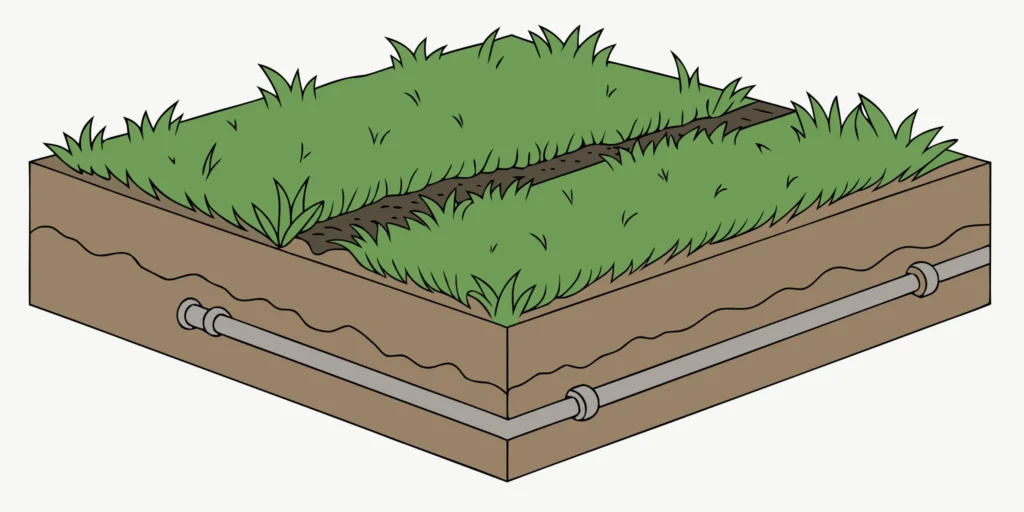
Those mounds of dirt in your lawn are more than just an eyesore; they are the visible signs of a complex, hidden world. A single gopher can create an extensive network of tunnels right under your feet, causing damage you can’t even see until it’s too late. To effectively stop them, you have to think like them, and that starts with understanding their home. So, what does a gopher tunnel look like? It’s not just a simple hole. It’s a system of main highways, feeding routes, and deep chambers for nesting and food storage. Knowing the difference between these areas is crucial because it tells you where the gopher is most active. This knowledge is your most powerful tool, turning a guessing game into a precise strategy for reclaiming your yard.
Key Takeaways
- Read the Signs Correctly: Gophers leave behind crescent-shaped mounds with a dirt plug on one side. If you do not see raised surface ridges between the mounds, you can be confident you are dealing with a gopher instead of a mole.
- Focus on the Gopher’s Highway: The most effective trapping happens in the main travel tunnels, not random feeding runs. Use a probe to find these active pathways, which are typically 6 to 12 inches deep, and set traps there for the best results.
- Create a Consistent Action Plan: A single gopher can cause extensive damage, so a clear strategy is essential. Regularly check for new mounds, confirm tunnels are active before setting traps, and consider physical barriers for long-term garden protection.
How to Spot Gopher Tunnels in Your Yard
Walking out to your yard and seeing a fresh series of dirt mounds can be incredibly frustrating. Before you can solve the problem, you first need to be sure you’re dealing with a gopher. These critters leave behind very specific clues, and learning to read them is the first step to taking back your lawn. Unlike moles, which create volcano-shaped mounds and visible surface ridges, gophers have a unique style of excavation. By paying attention to the shape, size, and location of the mounds, you can confidently identify their handiwork and prepare to act. Think of yourself as a detective; your yard is the scene, and these mounds are the clues left behind. Let’s walk through exactly what you should be looking for.
Look for Crescent-Shaped Mounds
The most telling sign of a gopher is the shape of the dirt mound it leaves behind. Gophers push soil out of their tunnels at an angle, creating a distinctive fan or crescent-shaped pile of dirt on the surface. You’ll notice that one side is sloped, while the other side, where the hole is, appears flatter. According to the University of California’s pest management program, this horseshoe shape is a classic indicator of pocket gopher activity. When you see these specific mounds scattered across your lawn or garden, you can be almost certain a gopher is the culprit.
Check the Mound’s Size
Gopher mounds are not only unique in shape but also fairly consistent in size. Typically, a fresh mound will be about 12 to 18 inches wide and only a few inches tall. They often appear in clusters because a single gopher is constantly digging new feeding tunnels. Don’t be fooled into thinking you have a whole family of gophers just because you see five or six new mounds overnight. A single, highly motivated gopher can create several mounds in a single day, making the problem look much bigger than it is. Recognizing their size helps you distinguish them from smaller mounds made by crayfish or larger piles of dirt from other animals.
Find the Hidden Plug
Here’s a detail that really separates gophers from other burrowing pests: they plug their holes. After a gopher pushes the dirt out to create a mound, it seals the entrance to the tunnel with a plug of fresh soil. This plug is a key identifier and is usually found on the flat side of the crescent-shaped mound. It might look like a small, circular area of disturbed dirt right in the center of the mound’s “C” shape. Locating this plug is not just for identification; it’s the secret to finding the main tunnel for effective trap placement.
Examine the Soil
Take a closer look at the dirt in the mounds. Gopher mounds are made of finely pulverized, fresh soil that is often fluffier than the surrounding dirt. This is because the soil is excavated from deeper underground tunnels, not just pushed up from the surface. You won’t find many clumps or chunks of grass in it. The sheer volume of dirt is also a major clue. A single gopher can move an incredible amount of soil, sometimes creating up to 300 mounds in a year. This constant excavation is what causes so much damage to plant roots and lawn equipment.
The Anatomy of a Gopher Tunnel
To beat the gopher, you have to think like a gopher. Understanding their underground world is the first step to reclaiming your yard. Gopher tunnels aren’t just random holes; they’re a complex network with specific purposes, from finding food to raising a family. This subterranean system is surprisingly organized, and once you know what you’re looking at, you can pinpoint the best places to intervene. Let’s break down the basic anatomy of these tunnels so you can get a clear picture of what’s happening right under your feet and find the most effective spots for placing your traps.
Tunnel Width
Gopher tunnels are surprisingly uniform in size, typically measuring between 2.5 and 3.5 inches in diameter. Think about the width of a standard soup can; it’s a snug but efficient fit for these critters to move through quickly. This consistent size is a big clue when you’re trying to confirm you’re dealing with a gopher and not another burrowing animal. More importantly, knowing this dimension helps you choose the right tool for the job. Our gopher traps are designed specifically for this width, ensuring a perfect fit inside the main tunnel for effective results.
Tunnel Depth: Shallow vs. Deep
Gophers are strategic about how deep they dig, creating a multi-level system. Their main feeding tunnels, where they spend most of their time searching for plant roots, are usually pretty shallow. You’ll typically find these between 6 and 12 inches below the surface. This is the sweet spot you want to target for trapping. However, their network goes much deeper. According to the UC Statewide IPM Program, nesting chambers and food storage areas can be located as far as six feet down to keep them safe. By focusing your efforts on the shallower main tunnels, you have a much better chance of intercepting a gopher along its daily route.
How Soil Type Changes the Structure
The type of soil in your yard plays a big role in how a gopher constructs its home. In loose, sandy, or loamy soil, gophers can dig with ease, creating vast and complex tunnel systems that can stretch 50 feet wide. In these ideal conditions, their tunnels might go deeper than average. On the other hand, if you have heavy clay or rocky soil, the gopher has to work much harder. This often results in a shallower, less extensive network. Understanding your soil helps you anticipate the complexity of the tunnel system you’re dealing with and how it works to find the main runs.
A Gopher’s Underground Layout
A gopher’s burrow is much more than a simple tunnel. It’s a complex, well-organized underground home with different areas for eating, sleeping, and storing food. The fan-shaped mound you see in your yard is just the entrance to this elaborate structure. Understanding what’s happening below the surface is your first step toward placing traps effectively and reclaiming your yard. Let’s take a tour of a gopher’s subterranean world.
Feeding Tunnels
These are the gopher’s kitchen and dining room. Located just 6 to 12 inches below the surface, these shallow tunnels are where gophers search for their favorite meals: the roots of your plants. Because they are so close to the surface, these are the tunnels you’re most likely to encounter while gardening. If you’ve noticed plants suddenly wilting or you can easily pull them from the ground, it’s a strong sign a gopher is feasting in a feeding tunnel right below. While these tunnels cause the most visible damage, they are just one part of a much larger network.
Nesting Chambers
Think of the nesting chamber as the gopher’s private bedroom. This is where they rest, feel secure, and raise their young. Unlike the shallow feeding tunnels, these chambers are dug deep into the ground, sometimes as far as six feet down depending on the soil. This depth protects them from predators and changing weather, making it a safe home base. The gopher retreats here after a long day of digging and foraging. Because these chambers are so deep, they are well out of reach of most surface-level deterrents, which is why trapping in the main travel tunnels is a more direct and successful strategy.
Food Storage Rooms
Gophers are excellent planners. In addition to their nesting chambers, they also dig out separate rooms for food storage. These underground pantries are also located deep within the burrow system, often around six feet deep, to keep their food stash safe from other animals. Here, they hoard roots and tubers to get them through times when fresh food is scarce. Finding a food storage room is rare, but knowing they exist helps you appreciate the gopher’s powerful survival instincts. Their dedication to stocking up for the future is a big reason why they are so persistent.
Lateral Tunnels and Exits
Connecting all these different rooms is a complex web of lateral tunnels. These are the highways of the gopher world, allowing them to move between their feeding areas, nest, and food storage rooms. A single gopher’s burrow system can spread across an area from 200 to 2,000 square feet, with tunnels typically measuring about 2.5 to 3.5 inches in diameter. This extensive network is why simply poking at one mound won’t solve your problem. To effectively stop a gopher, you need to find these main travel routes and place one of our gopher traps directly in their path.
Gopher or Mole? How to Tell the Difference
Before you can solve your pest problem, you need to play detective. Gophers and moles both wreak havoc on a beautiful lawn, but they leave behind different clues. Figuring out which one you’re dealing with is the first step toward taking back your yard. It’s a common point of confusion for homeowners, but once you know the signs, the distinction becomes clear. This isn’t just about satisfying your curiosity; it’s about strategy. Moles and gophers have different behaviors, diets, and tunneling habits, which means the approach to get rid of them is also different. Using the wrong method can lead to frustration and a yard that looks even worse.
That’s why correct identification is so important. It ensures you choose the right tool for the job, whether that’s a set of our effective gopher traps designed for their deeper tunnels, or our specialized mole traps that target their shallow runs. The evidence is right there in your yard, waiting to tell you a story. You just need to know how to read it. In the next few sections, we’ll break down the key differences between their handiwork. By the end, you’ll be able to confidently identify your unwanted guest and create an action plan that actually works. Let’s get started.
Mound Shape: Volcano vs. Crescent
The easiest way to tell these two pests apart is by looking at the shape of the dirt mounds they leave behind. A gopher mound is fan-shaped or looks like a crescent, with a distinct dirt plug on one side. Think of it as a messy pile of dirt pushed out of a hole from one direction. In contrast, a mole mound is much more symmetrical. It’s circular and cone-shaped, like a mini volcano erupting in your lawn, and the entry hole is usually plugged right in the center. This difference in mound shape is one of the most reliable signs you can use for accurate pest identification. So, take a walk around your yard and observe the piles of dirt. Are they crescent-shaped or cone-shaped?
Surface Ridges (or Lack Thereof)
Take a look at the surface of your lawn between the mounds. Do you see raised lines of earth that look like veins running just under the grass? If so, you have moles. Moles are insectivores, and they create these shallow tunnels as they search for grubs and worms to eat. These surface ridges are a dead giveaway that a mole is at work. Gophers, however, are herbivores that eat roots and plants from below. They don’t create these raised surface ridges because their main tunnels are deeper. If you only see mounds of dirt without the connecting network of raised ridges, your problem is almost certainly gophers. This single clue can save you a lot of time and guesswork.
Tunnel Depth and Direction
While you can’t see the tunnels themselves, their depth influences what you see on the surface. Gopher tunnels are typically wider, about 2.5 to 3.5 inches in diameter, to accommodate their stocky bodies. Their main tunnels are usually 6 to 12 inches deep, but their nesting chambers can be several feet underground. This is why they push so much dirt to the surface, creating those large, signature mounds. Mole tunnels are a bit different. They have the very shallow surface tunnels for feeding (the ridges you see) and deeper, more permanent tunnels for travel. The combination of volcano-shaped mounds and surface ridges is unique to moles, while crescent-shaped mounds alone point directly to gophers.
How to Know if a Gopher Tunnel Is Active
Before you set a trap, you need to play detective. Gophers create extensive tunnel systems, but they don’t use every inch of them all the time. Placing a trap in an old, abandoned tunnel is a waste of your time and effort. The key is to find the active runways where the gopher is currently living and feeding. Luckily, gophers leave behind a few telltale clues that make it easy to figure out where they’ve been recently. By looking for these signs, you can pinpoint the perfect spot for your trap and solve your gopher problem much faster.
Look for Freshly Dug Soil
The most obvious sign of a gopher at work is a fresh mound of dirt. Gophers are busy creatures and can create several new mounds in a single day. Fresh mounds are your best indicator of an active gopher. Look for soil that is dark, moist, and finely textured, as if it was just pushed to the surface. Older mounds will be lighter in color, dried out by the sun, and may even have weeds starting to sprout. If you see new mounds popping up daily, you can be certain a gopher is active in that area. This is your cue to grab your gopher traps and get to work before more damage is done.
Test for a Quick Repair
Gophers are very particular about their tunnels and hate leaving them open to the elements or predators. You can use this behavior to your advantage with a simple test. Find a fresh mound and use a small shovel or garden trowel to dig away the dirt plug, exposing the tunnel opening. Leave the tunnel open and mark the spot with a small flag or stick so you can find it again easily. Check back in a day or two. If the gopher is still using that tunnel, it will have plugged the hole with fresh soil. This quick repair is a guaranteed sign of an active tunnel and tells you exactly how it works when finding the right spot to set your trap.
Check for Damaged or Missing Plants
While the mounds are a nuisance, the real damage happens underground. Gophers feed on the roots of plants, often pulling entire plants down into their tunnels to eat. If you notice plants in your garden suddenly wilting, leaning, or disappearing altogether, an active gopher is the likely culprit. They aren’t picky eaters and will go after garden crops, flowers, shrubs, and even the roots of young trees. A single gopher can destroy a vegetable patch in no time. This kind of plant damage is a clear sign that a gopher is actively feeding nearby. You can find more answers to common questions on our FAQs page.
Common Gopher Tunnel Myths, Busted
When you’re dealing with a gopher problem, it’s easy to get swept up in neighborhood tales and common misconceptions. Believing the wrong thing can send you down a rabbit hole (or, in this case, a gopher hole) of ineffective solutions. Let’s clear the air and bust a few of the most common myths about gopher tunnels. Understanding what’s really happening in your yard is the first step to taking it back. Knowing the truth helps you choose the right strategy. Instead of wasting time on methods that don’t work, you can focus your efforts where they’ll actually count.
Myth: All Tunnels Are Active
When you see a yard dotted with dozens of fresh mounds, it’s natural to assume you’re facing an entire army of gophers. The truth is much less crowded. A single, highly industrious gopher can create numerous mounds in just one day. Over a year, that lone gopher can build up to 300 mounds, moving an incredible four tons of soil. This creates a vast network of tunnels, but the gopher only uses a fraction of them at any given time. Many tunnels are old, abandoned, or were used only for a short period before the gopher moved on to a new feeding area.
Myth: Gopher Tunnels Are Shallow
Many people think gopher tunnels are just beneath the grass, making them easy to find and deal with. While some feeding tunnels are near the surface, the main network is much more complex. In reality, gopher tunnels can be quite deep, typically ranging from 4 to 18 inches below ground. Some nesting and food storage chambers can even be five or six feet deep. This depth protects them from predators and surface disturbances. It’s why simply stomping on a mound does nothing and why finding the main tunnel with a probe is crucial for placing your traps effectively.
Myth: Gophers Only Damage Lawns
The crescent-shaped mounds are the most obvious sign of a gopher, but the damage doesn’t stop at your lawn’s appearance. Gophers are rodents, and their teeth never stop growing, which means they are constantly gnawing. Underground, they can cause significant harm by chewing through buried utility cables, plastic water lines, and irrigation systems, leading to costly repairs. Their extensive tunneling can also weaken the soil around building foundations and create hidden holes in your yard, posing a risk to lawn equipment and creating a serious tripping hazard.
The Real Damage Gopher Tunnels Cause
Gopher mounds are the most obvious sign of a problem, but the real trouble is happening underground. Those extensive tunnel systems aren’t just pathways; they’re a direct threat to the health and safety of your yard. From destroying your prized garden to creating hidden hazards, the damage caused by gophers goes far beyond a few piles of dirt. Understanding the full extent of the problem is the first step in taking back your property. It’s about more than just aesthetics; it’s about preserving the integrity of your landscape and knowing when it’s time to set some gopher traps.
Destroyed Plant Roots and Crops
Gophers are vegetarians, and your garden is their all-you-can-eat buffet. Their tunnels are feeding routes that lead them directly to the roots of your plants. They aren’t picky eaters, either. A single gopher can quickly ruin a garden by devouring the roots of vegetables, flowers, shrubs, and even young trees. The UC Statewide IPM Program confirms that gophers cause significant damage to a wide variety of plants. You might notice a plant suddenly wilting or dying, only to find its entire root system has been chewed away from below. This unseen destruction is one of the most frustrating parts of a gopher infestation.
Weakened Soil and Water Issues
Gopher tunnels create a hidden network of hollow spaces beneath your lawn and garden, which can seriously disrupt how water moves through the soil. Instead of soaking down to nourish your plants’ roots, water can get diverted into these tunnels and drain away uselessly. This can lead to patches of your yard becoming unexpectedly dry and stressed, even with regular watering. Over time, this underground system weakens the soil’s structure, making it less stable and less effective at supporting healthy plant life. It’s a subtle but significant problem that can leave you wondering why your landscape is struggling.
Hazards for Mowers and Ankles
Those dirt mounds aren’t just ugly; they’re a real nuisance and a safety risk. Trying to mow over a lawn dotted with gopher mounds can damage your mower blades or even the machine itself. But the more serious danger lies in the tunnels themselves. The ground above a shallow tunnel can be soft and unstable. It’s incredibly easy to step on one of these weak spots and twist an ankle, a risk that applies to you, your family, and your pets. These hidden holes turn a simple walk across your yard into a potential hazard, making your outdoor space feel less safe and enjoyable.
Increased Soil Erosion
While a single tunnel might seem minor, a gopher’s extensive network can severely compromise the stability of your soil. By constantly churning up dirt and creating underground voids, gophers loosen the topsoil and make it vulnerable to erosion. During heavy rain or irrigation, water can easily wash away this loose soil, carrying valuable nutrients with it. On sloped areas, this problem is even worse, as the tunnels can channel water in ways that accelerate erosion and create small gullies. A single gopher can create dozens of mounds a month, displacing a huge amount of soil and setting the stage for long-term landscape damage.
How Big Can a Gopher Problem Get?
It’s easy to underestimate the damage one small gopher can do. You might see a single mound of fresh dirt and think it’s a minor issue, but that mound is just the tip of the iceberg. Gophers are incredibly industrious, and what you see on the surface is only a tiny fraction of the complex world they’re building beneath your lawn. While they are solitary creatures, a single gopher has an astonishing capacity for destruction. Understanding the true scale of their work is the first step toward taking back your yard.
One Gopher’s Territory
A single pocket gopher doesn’t just dig one tunnel; it creates an entire underground estate. This burrow system can stretch across an area of 200 to 2,000 square feet, which is roughly the size of a small apartment or a significant portion of the average backyard. The network consists of shallow feeding tunnels, usually about 6 to 12 inches deep, where they munch on plant roots. Deeper down, sometimes as far as six feet, they build nesting and food storage chambers. This sprawling territory is why you might see damage in your garden one day and on the other side of your lawn the next. You can find more answers to common questions in our FAQs.
The Daily Mound Count
Those crescent-shaped mounds of soil are the most obvious sign of a gopher, and they multiply quickly. A single, highly motivated gopher can create several mounds in just one day. Over a year, that can add up to 300 mounds, which means they are constantly expanding their network. To put that in perspective, one gopher can move over four tons of soil annually. Each new mound is a clear signal that the gopher is actively digging, searching for food, and causing more damage to your property. When you see mounds piling up, it’s a sure sign you need effective gopher traps to stop the problem from getting worse.
When Gophers Are Most Active
Unlike some animals that hibernate, gophers are busy all year long. They don’t take a break for winter, so the digging and damage can continue through every season. However, their activity near the surface can ebb and flow. You’ll have the most success with trapping when you can spot signs of fresh activity. Look for new mounds made of dark, moist soil, as this indicates the gopher was just there. A plugged-up hole in the center of the mound is another telltale sign. Acting when you see this fresh evidence is your best opportunity for successful removal. Learning how it works to place a trap in an active tunnel is key to solving your gopher problem efficiently.
How to Find the Main Tunnel for Effective Trapping
Finding a gopher’s main tunnel is the secret to effective trapping. Think of it as the gopher’s personal highway. While they dig many branching tunnels for feeding, the main run is their primary travel corridor connecting nests, food stores, and exits. Placing a trap anywhere else is a game of chance, but placing one in the main tunnel is a strategy. By focusing your efforts here, you intercept the gopher along its daily route, dramatically increasing your odds of success. The goal is to work smarter, not harder, and that starts with knowing exactly where to set your trap for the best results. These next steps will show you how to locate that gopher highway with confidence.
Use a Probe to Find the Main Run
The most reliable way to find a main tunnel is with a probe. You can use a dedicated gopher probe, a long screwdriver, or any sturdy metal rod that won’t bend easily. Start at a fresh, crescent-shaped mound. The tunnel entrance is usually plugged on the flat side of the crescent. Begin probing the ground about six to twelve inches away from that plug. Push the probe into the soil repeatedly in a circular pattern around the mound. You’re looking for a sudden drop or give of about two inches. When the probe suddenly sinks with little resistance, you’ve found the hollow tunnel. This is your target. Using the right accessories makes this process quick and easy, so you can move from searching to setting in no time.
Follow the Pattern of Fresh Mounds
Before you even start probing, take a moment to observe your yard. Gophers are creatures of habit, and their mounds tell a story. Look for a line or a cluster of fresh mounds, which indicates the direction of their current activity. A single gopher can create several mounds a day, so focus on the ones with dark, moist soil; these are the most recent. Older mounds will be dry, lighter in color, and possibly flattened. Following this trail of evidence helps you narrow down the search area, saving you time and effort. It guides you to the most active part of the tunnel system, where your gopher traps will be most effective and yield the fastest results.
Pinpoint the Perfect Trap Location
Once you’ve located the main run with your probe, it’s time to set the trap. Carefully dig a small opening into the tunnel, just big enough to place the trap inside. For the highest success rate, you should set two traps in the main run, one facing each direction. This ensures you catch the gopher no matter which way it’s traveling. One of the best things about this method is that you don’t need bait. The gopher is simply caught while trying to clear the blockage you’ve created in its tunnel. You can see exactly how the trap works and why this specific placement is so critical for a quick and successful catch, letting you reclaim your yard for good.
Your Action Plan for Gopher Tunnels
Alright, you’ve identified the tell-tale signs of gopher tunnels in your yard. The good news is that you can absolutely get the situation under control. The key is to have a clear, consistent plan. Gophers are persistent, but with the right strategy, you can protect your lawn and garden from further damage. Think of this as a four-step approach to reclaiming your yard. It starts with paying attention, moves to decisive action, includes long-term protection, and even involves a bit of teamwork. Let’s walk through the steps you can take to effectively handle gopher tunnels and send those critters packing for good.
Start With Regular Monitoring
Once you’ve dealt with a gopher, the job isn’t quite finished. Gophers can move in from neighboring properties, so it’s smart to stay vigilant. Make a habit of walking your property once a week, specifically looking for any new, fresh mounds of dirt. Catching a new invasion early is far easier than dealing with an established population later on. Think of it as routine maintenance, just like mowing the lawn or weeding the garden. Regular monitoring helps you spot trouble right away, allowing you to act before one gopher turns into a family and a few mounds become a minefield.
Set Traps for Effective Removal
When you find an active tunnel, trapping is the most direct and effective method for removal. Forget the myths about needing fancy bait or special scents; a well-placed trap is all it takes. The first step is to locate the main tunnel, which you can do with a gopher probe or even a long screwdriver. Once you find it, you’ll want to set a pair of gopher traps inside, facing opposite directions. This strategy intercepts the gopher as it moves through its tunnel. The process is straightforward, and with a durable, easy-to-use trap, you can resolve the problem quickly and efficiently.
Protect Your Garden with Barriers
While trapping handles the immediate problem, physical barriers offer long-term protection for your most prized plants. This is especially useful for raised garden beds and valuable ornamentals. The idea is to make it impossible for gophers to tunnel up from below. You can do this by lining the bottom and sides of your garden beds with hardware cloth or wire mesh before you add soil. For plants in the ground, you can create underground “baskets” by burying the mesh at least two feet deep around the root zone. It’s an upfront investment of time, but it creates a permanent gopher-proof zone for your favorite plants.
Team Up With Your Neighbors
Gophers don’t care about property lines. If your yard borders a park, wildland, or a neighbor who also has a gopher issue, you could be fighting a never-ending battle alone. Talk to your neighbors about what you’re seeing. If they’re also experiencing gopher damage, you can coordinate your efforts. A neighborhood-wide trapping strategy is much more effective than a single-yard approach. According to the UC Statewide IPM Program, gophers often migrate from surrounding areas, so working together can stop them from simply moving from one yard to the next, creating a lasting solution for the whole block.
Related Articles
- How to Get Rid of Gophers in Your Yard for Good
- Gopher Tunnel Trap 101: Your Complete Guide
- Cinch Traps | The Best Mole & Gopher Trap
- Pocket Gopher Extermination: A Complete Guide
Frequently Asked Questions
I see dozens of mounds in my yard. Does this mean I have a huge gopher infestation? It’s easy to think you’re dealing with an army of gophers, but it’s almost certainly the work of just one. Gophers are solitary animals, so they don’t live in large groups. A single, very industrious gopher can dig several new mounds in a single day and hundreds over the course of a year. This creates the illusion of a widespread infestation when, in reality, you only need to catch one animal to solve the problem.
I set a trap but haven’t caught anything. What should I do? The most common reason a trap fails is its placement. You might have set it in an old, abandoned tunnel or a secondary feeding tunnel instead of the main one. To fix this, find a very fresh mound and use a probe to locate the main tunnel, which is usually 6 to 12 inches away from the dirt plug. When your trap is placed correctly in an active, main runway, you will have much more success.
Why is trapping better than using repellents or flooding the tunnels? Trapping is the most direct and reliable way to solve a gopher problem. Gophers have incredibly complex tunnel systems with many escape routes and chambers, so they can easily block off sections to avoid water or unpleasant smells from repellents. These methods often just encourage the gopher to move to a different part of your yard. A well-placed trap physically removes the animal causing the damage, giving you a definite solution.
I successfully caught a gopher, but a few weeks later, I saw new mounds. Did I miss one? It is more likely that a new gopher has moved in from a neighboring property. An empty, established tunnel system is prime real estate for another gopher looking for a home. This is why ongoing monitoring is so important. By regularly checking your yard for fresh activity, you can catch new arrivals quickly before they can cause significant damage.
What’s the real difference between your gopher and mole traps? Can I use one for both? Our traps are specifically designed for the unique behaviors and tunnel structures of each animal, so they are not interchangeable. Gopher traps are made for their wider, deeper main tunnels. Mole traps, on the other hand, are designed to work in the shallow, near-surface ridges that moles create while hunting for insects. Using the correct trap for the pest you have is the key to getting fast and effective results.