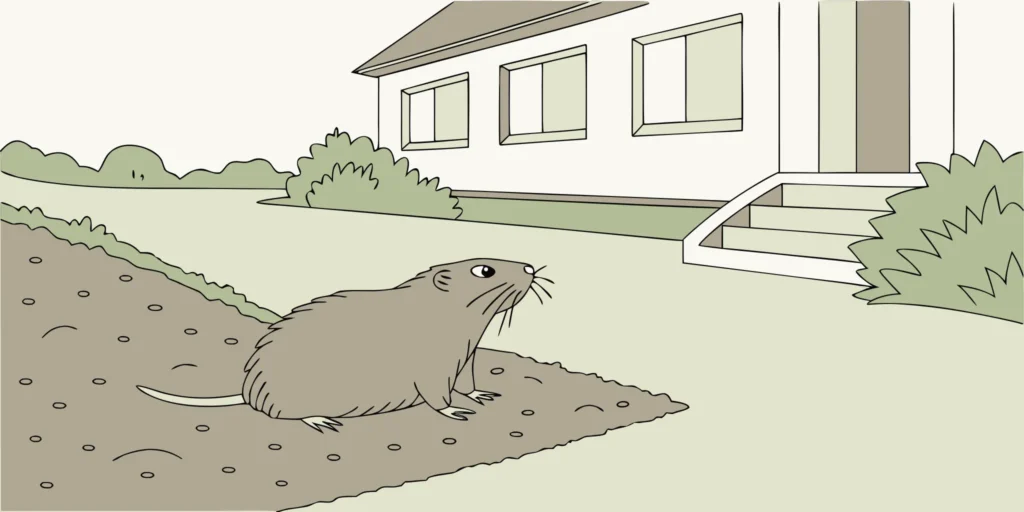
Let’s be direct: gophers are a menace, and you need a solution that works without guesswork. Forget the sonic spikes and castor oil pellets that leave you wondering if they’re doing anything at all. Trapping is the only method that provides clear, undeniable proof of success. When a trap is sprung, you know you’ve caught the culprit. However, not all traps are created equal. The most critical step is choosing the right tool, and a high-quality reusable gopher trap for sale is the most direct path to reclaiming your yard. This guide will explain what makes a trap effective, how to set it correctly, and why a well-built device is the best investment for quick, humane, and lasting results.
Key Takeaways
- Focus on durability, not just price: A well-built trap made from galvanized steel is a long-term tool for your garden. It will outperform and outlast cheaper, flimsy options, saving you money and frustration.
- Master the placement for consistent results: Your success hinges on technique, so always find a fresh, active main tunnel. Use two traps facing opposite directions and anchor them securely to guarantee a catch.
- Keep it safe and well-maintained: Choose poison-free, mechanical traps to protect your family and pets. Simple care, like cleaning after use and storing your traps in a dry place, ensures they will work effectively for years.
What to Look for in a Reusable Gopher Trap
When you’re dealing with gophers, you want a solution that works. But with so many traps on the market, it’s tough to know which one to choose. Taking a moment to understand what makes a gopher trap effective will save you headaches later. Think of it less like a disposable fix and more like buying a reliable tool for your garden shed. Let’s walk through the essential features to look for so you can feel confident in your purchase.
Key Features of a Quality Trap
A quality gopher trap is a permanent solution, not a one-time fix. The best traps are both effective and easy to use. If a trap is complicated to set, you’re less likely to use it correctly, leading to frustration and zero results. Look for a design that is straightforward with a proven track record. A well-built trap works efficiently to resolve your gopher problem quickly and humanely. Understanding how it works before you buy can make all the difference in choosing a tool you can rely on for years to come.
Durable, Long-Lasting Materials
Gopher traps live a tough life outdoors, so their materials matter. Look for traps made from heavy-duty, weather-resistant materials like galvanized steel. This ensures your trap won’t rust or break down after a few uses in damp soil. A trap made from flimsy metal or plastic just won’t last. For example, our gopher traps are handmade in Oregon from galvanized steel, making them sturdy enough for years of use. Investing in a trap built with high-quality materials means you’re buying a reliable tool that will be ready whenever you need it, saving you money over time.
Important Safety Features
If you have kids or pets, safety is a top priority. The good news is you don’t have to use dangerous poisons to get rid of gophers. Modern mechanical traps can be both effective and safe. Look for designs where the moving parts are set underground, out of reach of curious paws and little hands. Some traps also include safety clips to prevent accidental triggering while you handle them. Choosing a poison-free method is not only safer for your family but also better for the environment. You can find more answers to safety questions in our FAQs.
How Reusable Gopher Traps Work
Reusable gopher traps are a direct and reliable way to solve your gopher problem. The concept is simple: you place the trap in the gopher’s tunnel, and it’s triggered when the pest moves through. Unlike poisons or repellents that leave you guessing, a sprung trap gives you immediate confirmation of a catch. Knowing how to use these tools correctly is the most important part of the process. Let’s go over the setup, different trapping methods, and some common myths.
Setting Up Your Trap
Properly setting your trap is the key to success. Most effective traps are placed inside an active gopher tunnel. After finding a fresh mound, you’ll clear the opening and set the trap according to its instructions. The best part about trapping is the clear result; you know it worked when you see the catch. A critical step many people miss is securing the trap. Always anchor it with a stake and line. Gophers can easily pull an unsecured trap deep into their tunnel system, losing it for good. You can see a simple demonstration of how it works to get it right every time.
Surface vs. Underground Trapping
There are two main ways to place gopher traps: on the surface or fully underground. Some traps require you to excavate a portion of the tunnel to set the device completely below ground. This can work, but it often means more digging and lawn damage. Surface traps, on the other hand, are designed for easier placement. The Cinch Trap, for example, rests on the ground while its jaws extend down into the tunnel. It catches the gopher as it instinctively moves to plug the open hole. This method reduces digging and makes checking your traps a much faster process.
Common Myths About Trap Effectiveness
Don’t be fooled by the endless options at the hardware store; most gopher traps are simply not effective. Many are gimmicks that lead to more frustration than results. Even a good trap will fail if it isn’t set correctly, which is why following directions is so crucial. Professionals rely on just a handful of proven designs for consistent success. Instead of wasting money on flimsy gadgets, it’s better to choose durable, professional-grade gopher traps that are proven to work. A quality trap is an investment that will protect your yard for years to come.
Comparing Reusable Gopher Traps
When you start shopping for gopher traps, you’ll notice a few common designs. The main types you’ll encounter are scissor-style, box-style, and cinch-loop traps, but they aren’t all created equal in terms of effectiveness, durability, or ease of use. Choosing the right one can be the difference between reclaiming your yard and ongoing frustration. Let’s walk through the most popular options so you can find the best fit for your gopher problem.
Why Cinch Traps Stand Out
If you’re looking for a trap that’s both effective and built to last, Cinch Traps are a fantastic choice. What makes them special is their construction. Each one is handmade in Oregon from heavy-duty galvanized steel, which means they won’t rust and can be used season after season. This durability is a major step up from flimsy traps that bend or break after just a few uses. Beyond their solid build, these traps have a proven high success rate. University studies have even ranked them #1 for effectiveness, giving you confidence that you’re using a tool that actually works. When you invest in a Cinch gopher trap, you’re getting a reliable, American-made solution designed for long-term pest control.
Scissor-Style Traps
Scissor-style traps are a common design that uses a powerful scissor-like action to catch the gopher. You set them inside the gopher’s tunnel, and they’re triggered when the gopher pushes against a small pan in the middle of the trap. For the best results, you typically need to set two traps in the main tunnel facing opposite directions to catch a gopher coming from either way. While they can be effective, some people find them a bit tricky to set safely. The Cinch trap design improves on this concept with a simple cinch-loop mechanism that is easier and safer to handle while still being placed directly in the gopher’s path.
Box-Style Traps
Box traps are another option, especially useful if you’ve found a main burrow that is fairly small, typically less than three inches in diameter. These are essentially a wooden or metal box with a spring-loaded trap mechanism inside. To use them, you’ll need to dig out a section of the main tunnel wide enough to place the trap inside. Just like with scissor traps, the best practice is to set them in pairs facing opposite directions. While some gardeners have success with them, they can be bulky to place and may require more significant digging to install correctly compared to more compact gopher trapping methods.
Are Budget Traps Worth It?
It can be tempting to grab a cheap gopher trap from a big-box store, but it’s often a case of getting what you pay for. Many of the less expensive traps on the market are gimmicks that simply don’t work as advertised. They might be made from flimsy materials that bend or rust easily, or have a design that gophers can easily avoid or set off without getting caught. Investing in a high-quality, durable trap from a trusted brand not only increases your chances of success but also saves you money in the long run since you won’t have to keep replacing it.
How Much Do Gopher Traps Cost?
The cost of gopher traps can vary quite a bit, depending on the trap’s design, the materials used, and where you buy it. You can find options ranging from just a few dollars to more expensive, professional-grade systems. The key is to think about long-term value instead of just the initial price tag. A cheap trap that breaks after one use or fails to catch anything isn’t a good deal. Instead, your goal should be to find a durable, effective trap that will solve your gopher problem for good. Let’s look at what you can expect to spend and how to make a smart purchase.
Price vs. Quality
With gopher traps, you almost always get what you pay for. While a low price is tempting, cheaper traps are often made from flimsy materials that can bend, rust, or break in the soil. A high-quality trap is an investment in a long-term solution. I always suggest looking for traps made from durable, weather-resistant materials like galvanized steel. They are built to last for years and will save you from buying replacements. Our handmade gopher traps are designed for exactly this kind of longevity, so you can count on them season after season.
Where to Buy Gopher Traps
You can find gopher traps at local hardware stores, garden centers, and large online marketplaces. While these are convenient, I recommend buying directly from a trusted manufacturer that specializes in pest control. When you purchase from a company that lives and breathes this stuff, you know you’re getting an authentic product backed by experts who can offer support. It also gives you direct access to helpful resources to guide you. For example, a good company will have a detailed FAQs page to answer common questions and help you get started on the right foot.
Buying in Bulk vs. Single Traps
If you have a determined gopher digging up your yard, one trap probably won’t be enough to solve the problem. Gophers create complex tunnel systems, so setting multiple traps is the most effective strategy to increase your chances of success. Many companies offer discounts for buying traps in packs, which significantly lowers the cost per unit. For this reason, starting with a multi-pack is a smart move for tackling an infestation efficiently and affordably. Understanding the best placement strategy is just as important, so be sure to review how it works before setting them out.
Avoid These Common Trapping Mistakes
Trapping gophers can feel like a game of wits, but you definitely have the upper hand. With a little know-how, you can avoid the simple errors that frustrate many homeowners and gardeners. Getting it right the first time saves you time and ensures you reclaim your yard faster. Let’s walk through the most common mistakes people make and how you can sidestep them for surefire success. By focusing on the right location, using enough traps, and placing them correctly, you’ll see results much sooner.
Choosing the Wrong Tunnel
It’s easy to see a gopher mound and assume any nearby tunnel is fair game, but that’s a recipe for an empty trap. Gophers create complex networks, and many tunnels are abandoned food storage routes or old burrows. To be effective, you need to place your trap in an active, main runway. Look for the freshest mounds of dark, moist soil. Use a small shovel or trowel to clear the mound and find the tunnel opening. The key is to find the main runway, which is typically straight and runs a few inches below the surface. Placing your trap here ensures you’re setting it right in the gopher’s path, not in a dead-end tunnel it won’t visit again.
Not Using Enough Traps
Relying on a single trap is one of the biggest reasons for slow results. A gopher’s tunnel system can be extensive, and you don’t always know which direction it will be traveling from. To dramatically increase your odds, you should always set two traps in the main tunnel. Place one trap facing into the tunnel in one direction, and the second trap facing the opposite way. This covers both approaches, so you’ll catch the gopher regardless of its travel path. Think of it as doubling your efforts without any extra waiting. You get immediate confirmation of success and can move on to the next active area much faster, clearing your property in a fraction of the time.
Incorrect Trap Placement
Even the best trap won’t work if it isn’t placed correctly. A common mistake is setting the trap too loosely or failing to secure it. A gopher can simply push dirt over a poorly set trap or, worse, drag an unsecured trap deeper into the tunnel. This not only means you lose your trap, but it can also make the gopher “trap-shy” and harder to catch later. Make sure your trap is set firmly in the tunnel, blocking the entire path. Always secure the trap chain to a stake above ground. If you have more common questions about setup, it’s always a good idea to review the instructions for your specific trap model to ensure a perfect placement every time.
How to Maintain Your Gopher Traps
A quality gopher trap is a long-term investment in the health of your yard. Just like any other tool in your shed, a little bit of maintenance will keep your traps working effectively for years, or even decades. Taking care of your traps ensures they function smoothly and remain a reliable solution for any gopher problems that pop up. With just a few simple steps after each use, you can preserve the life and effectiveness of your equipment.
Cleaning and Care Tips
After you’ve successfully caught a gopher, it’s a good idea to clean the area before you reset the trap. Remove any dirt, rocks, or debris from the tunnel to ensure the trap’s mechanism isn’t obstructed. While some people worry about scents, the most important thing is that the trap can operate without interference. A quick wipe-down of the trap itself to remove any soil or residue is also helpful. This simple step ensures the trap’s action remains smooth and powerful, making it ready for its next placement. A clean, well-functioning trap is your best asset for efficiently managing your gopher problem.
When to Replace Parts
Cinch Traps are built from durable galvanized steel to last a lifetime, so you likely won’t need to replace them. However, you should inspect them periodically to ensure they are in top working order. As traps age, the moving parts can become stiff. If you notice the jaw doesn’t open smoothly when you set it, apply a little silicone spray to the joints. This lubricates the mechanism without leaving behind strong odors that could get into the soil. You can also check the trip wire to make sure it’s sensitive enough. If needed, you can carefully use diagonal cutters to make small adjustments for better performance. If you have questions about your trap’s function, our FAQs page is a great resource.
How to Store Your Traps
Proper storage is key to making your traps last. When you’re not using them, especially over the winter, store your traps in a dry place like a garage, shed, or workshop. Keeping them out of the elements prevents unnecessary wear and ensures they stay in prime condition. Storing them properly also keeps them from getting bent or damaged by other equipment. Think of your gopher traps as a permanent part of your gardening toolkit. By taking a moment to store them correctly, you’re protecting your investment and making sure they’ll be ready to go whenever you need them next.
Related Articles
- 4 Best Gopher Trap Setters for Easy Trapping
- Pocket Gopher Extermination: A Complete Guide
- The Ultimate Galvanized Steel Gopher Trap Guide
- Best Gopher Traps in Eugene, Oregon for Your Yard
Frequently Asked Questions
Are these traps safe to use around my pets and children? This is a very important question, and the short answer is yes, they are a much safer alternative to poisons. Cinch traps are designed so that the trigger and capture mechanism are placed down inside the gopher’s tunnel. This means the moving parts are underground, out of the way of curious kids or pets who might be playing in the yard. For added security, always make sure the trap is staked down so it cannot be pulled out of the ground.
Do I need to add bait to make the trap work? You don’t need any bait at all. These traps work by using the gopher’s own instincts against it. When you open up their tunnel to set the trap, their natural response is to rush to plug the hole to keep predators and light out. The trap is placed directly in their path, and they trigger it as they move through the tunnel to make their repairs. It’s a simple and effective system that relies on behavior, not bait.
How many traps should I start with for a typical yard? While one trap can work, I always recommend starting with at least two. The most effective strategy is to find a main tunnel and place one trap facing each direction. This ensures you catch the gopher no matter which way it’s traveling through its runway. Using a pair of traps doubles your chances of a quick catch and helps you resolve the problem much faster than setting and resetting a single trap.
What’s the best way to find an active gopher tunnel? The key is to look for the freshest evidence. Find the newest mound, which will have darker, more moist soil than the older, dried-out mounds. Gently clear the soil away from the mound until you find the tunnel opening, which is usually a hole plugged with loose dirt. You can use a small trowel or even a long screwdriver to probe the ground nearby to locate the main, straight runway, which is where you want to set your trap for the best results.
Why did the gopher just push dirt over my trap instead of getting caught? This is a common frustration, and it almost always comes down to placement. If a gopher can push dirt over the trap, it means the trap wasn’t set snugly enough in the tunnel. The gopher was able to move dirt around it instead of being forced to go through it. Make sure the trap’s opening blocks the entire tunnel path. Also, ensure the trap is firmly secured and cannot be pushed aside. A perfect fit is the key to a successful catch.