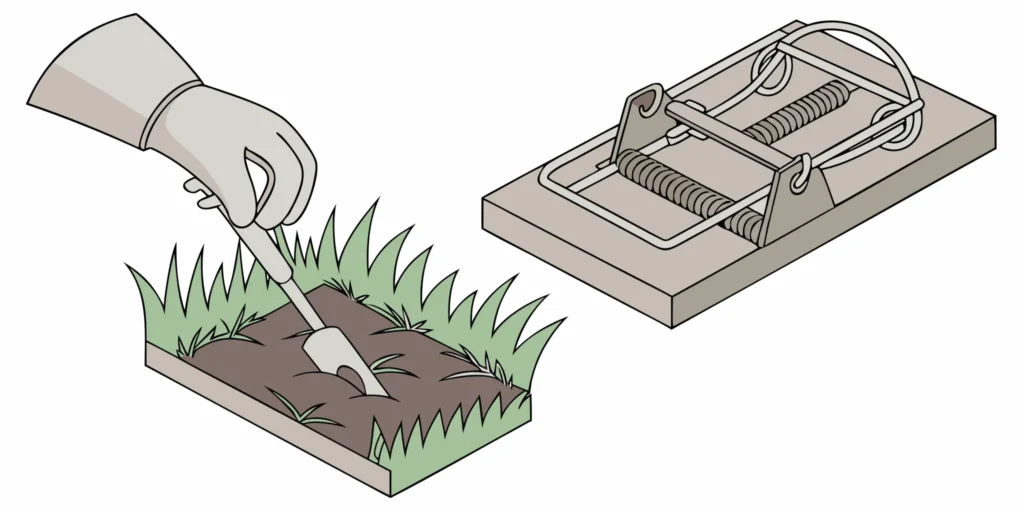
If you’re tired of playing whack-a-mole with the mounds in your yard, it’s time to get strategic. The key to effective mole control is understanding how these pests operate and using a tool designed to work with their natural behavior. Moles are constantly clearing their underground tunnels, and that’s where metal mole traps come in. These devices use a simple, mechanical trigger that activates when a mole tries to push through an obstruction. There are no baits, no poisons, and no complicated parts. This guide will demystify the process, explaining how these traps work, the best way to set them, and the common mistakes to avoid.
Key Takeaways
- Focus on placement, not just the trap: Your success depends on finding an active mole tunnel and setting the trap correctly. Always test tunnels for activity, clear debris from the path, and handle the trap with gloves to avoid leaving your scent behind.
- Invest in a trap that lasts: A high-quality metal trap, especially one made from galvanized steel, is a smart long-term investment. It withstands harsh weather and works in various soil types, saving you the cost and frustration of replacing flimsy plastic models.
- Understand how the trap works: The best traps are designed to use a mole’s natural instincts against it. A sensitive trigger that activates when a mole pushes dirt is far more effective than complicated bait systems, ensuring a quick and reliable catch.
How Do Metal Mole Traps Work?
Metal mole traps are designed to work with a mole’s natural behavior. Instead of using baits or poisons, these traps rely on a simple, mechanical process. Moles are constantly patrolling and clearing their underground tunnels, and a well-placed trap takes advantage of this instinct. When you set a trap in an active tunnel, the mole will eventually run into it while trying to clear the path. This contact triggers the trap, quickly and effectively dealing with the pest.
The beauty of this method is its directness. You aren’t trying to lure a mole out of its tunnel; you’re meeting it right where it lives and works. This approach is why metal traps have been a trusted solution for gardeners and professionals for decades. They are a straightforward tool for a persistent problem, designed to be set and left to do their job. Understanding the mechanics helps you place them for the best results and appreciate why a quality trap is so important for protecting your yard.
The Mechanics of a Metal Trap
The best traps are designed to activate with a simple bump from the mole as it moves through its tunnel, clearing away dirt. Cinch Traps, for example, are set directly in the mole’s tunnel system. For maximum effectiveness, you can place them back-to-back, which ensures you can catch a mole no matter which direction it’s traveling from. The trigger mechanism is sensitive enough to be set off by the mole’s movement but sturdy enough to avoid false alarms. This simple yet effective design is the key to their success. You can see a detailed breakdown of how it works to get a better visual of the process.
Why Metal is Better Than Plastic
When choosing a trap, durability is key. Metal, especially galvanized steel, offers a significant advantage over plastic. A durable trap remains effective over time, even in harsh weather conditions, giving you long-term mole control without needing frequent replacements. Unlike plastic models that can become brittle and break, a well-made metal trap is a lasting investment. Our mole traps are built to withstand the elements and repeated use, so you can count on them season after season. They won’t rust or warp, ensuring the trigger mechanism stays reliable and effective every time you set it.
A Guide to Metal Mole Trap Types
When you start looking for a metal mole trap, you’ll find they generally fall into three main categories. Each one is designed to be placed in a mole’s tunnel, but they use different mechanisms to get the job done. Understanding how each type works will help you figure out which design is the best fit for your yard and your comfort level. Some traps use sharp jaws that close on the pest, others use spears that are triggered from above, and some use a simple but effective loop system. While the end goal is the same, the setup and trigger mechanisms vary quite a bit.
Choosing the right trap isn’t just about effectiveness; it’s also about ease of use and safety. A trap that is difficult to set can be frustrating and even dangerous. Similarly, the type of soil in your yard can influence which trap works best. A plunger-style trap might be great for loose, loamy soil, while a choker loop trap might be more versatile in compact clay. Let’s walk through the most common options: scissor-style, plunger-style, and choker loop traps. Knowing the difference is the first step toward taking back your lawn from these destructive pests and choosing a tool you feel confident using.
Scissor-Style Traps
Scissor-style traps are a common design you’ll see in many hardware stores. As the name suggests, they work like a pair of scissors. You set the trap by spreading its jaws apart and placing it in an active mole tunnel. When a mole moves through and triggers the mechanism, the galvanized steel jaws snap shut. These traps are designed specifically to kill moles but can sometimes catch other burrowing pests like gophers or voles. Because they are made from strong, rust-resistant steel, they are durable enough to be used season after season. Their effectiveness relies on precise placement within the tunnel to ensure the mole triggers the trap correctly.
Plunger-Style Traps
Plunger-style traps, sometimes called spear traps, use a different approach. This design features a set of sharp spears that are held under tension above the mole tunnel. You place the trap so that the trigger is just underneath the top of the tunnel. When a mole travels through and pushes dirt upward to clear its path, it moves the trigger and releases the spring-loaded plunger. The spears are driven down into the tunnel for a quick kill. This design keeps most of the mechanics hidden underground, with only the top of the plunger visible, making it easy to see from a distance if the trap has been sprung.
Choker Loop Traps
Choker loop traps are designed to be set directly inside the mole’s tunnel system. This type of trap, which includes our own Cinch mole traps, uses a wire loop that constricts around the mole when it passes through. The simple yet effective design is triggered by the mole’s natural instinct to push obstructions out of its path. For the best results, you can place two traps back-to-back in the tunnel. This setup ensures you can catch a mole coming from either direction, increasing your chances of success. The process for setting them is straightforward, making them a reliable choice for efficiently clearing your yard of unwanted pests.
Why Choose a Metal Mole Trap?
When you’re dealing with a mole problem, you want a solution that works, period. While you might see plastic traps on store shelves, they often can’t stand up to the job. Metal mole traps are the preferred choice for professionals and serious gardeners for a few key reasons: they’re stronger, more reliable, and built to last. A well-made metal trap provides the power and durability needed to handle moles in any environment, without the risk of breaking or malfunctioning after just a few uses. Investing in a professional-grade mole trap made from durable material like galvanized steel ensures you have a tool that is both effective and can be used for years. It’s about choosing a permanent solution over a temporary fix.
Built to Last in Any Weather
One of the biggest advantages of a metal trap is its resilience. Unlike plastic traps that can crack in the cold or warp in the sun, a galvanized steel trap is built to withstand the elements. You can set it in your yard and trust that it will remain functional through rain, heat, and frost. This durability means you get consistent performance and long-term mole control without needing frequent replacements. A quality trap remains effective over time, even in harsh weather conditions. You can depend on it to be ready to work whenever a new mole tunnel appears, season after season, giving you peace of mind and a mole-free lawn.
Effective in Different Soil Types
Moles don’t stick to one type of soil, and your trap shouldn’t either. Metal traps have the strength and weight to perform reliably in a variety of ground conditions, from dense, heavy clay to loose, sandy soil. The powerful spring mechanisms on metal traps ensure a quick and effective trigger, something that weaker plastic traps can struggle with in compacted earth. The best traps are designed to activate with a simple bump from the mole as it moves through its tunnel to clear the dirt. This powerful and sensitive design means you can confidently place your trap in any active tunnel, knowing it has the force to get the job done right.
A Smart Long-Term Investment
While a metal trap might cost a bit more upfront, it’s a purchase you’ll only need to make once. Think of it as an investment in your property. These traps are designed for repeated use, and materials like galvanized steel resist rust and corrosion, ensuring they last for years, if not a lifetime. This saves you money and frustration in the long run, as you won’t be constantly replacing broken plastic traps. A high-quality metal trap is a smart investment for long-term mole control. When you understand how it works, you can see its simple, effective design is made to be used again and again, making it the most cost-effective solution available.
The Cinch Traps Difference
When you’re dealing with a mole or gopher problem, you need a solution that works without fail. Not all traps are created equal, and the market is filled with options that can be flimsy, ineffective, or difficult to use. That’s where Cinch Traps stand apart. With a legacy stretching back to 1909, these aren’t just tools; they are a testament to American ingenuity and quality craftsmanship. Every aspect of a Cinch Trap, from the materials used to the hands that build it, is focused on one thing: providing you with a reliable, long-term solution for protecting your yard.
What truly sets these traps apart is a combination of four key elements. They are proudly handmade in the USA, ensuring a level of quality control that mass-produced products simply can’t match. They are constructed from incredibly durable galvanized steel, designed to withstand the elements season after season. This commitment to quality is backed by a lifetime warranty, giving you peace of mind with your purchase. And finally, their effectiveness isn’t just a claim; it’s a fact, proven by top rankings in studies from multiple universities. These pillars make Cinch Traps a smart investment for any homeowner, gardener, or farmer.
Handmade in the USA
There’s a certain pride and quality that comes with American-made products, and Cinch Traps are a perfect example. Every single trap is handmade in Oregon, continuing a tradition of craftsmanship that started over a century ago in 1909. This hands-on approach ensures that each trap meets rigorous quality standards before it ever reaches your yard. Unlike mass-produced alternatives, this process allows for careful attention to detail, resulting in a more reliable and consistent product. When you choose a Cinch Trap, you’re not just buying a pest control device; you’re investing in a piece of American heritage built to last for years to come.
Built with Durable Galvanized Steel
A mole trap has to be tough. It sits in damp soil, endures rain and changing temperatures, and needs to be powerful enough to get the job done. Cinch Traps are constructed using oil-tempered, commercial-grade steel wires and galvanized plates. Galvanization is a process that coats the steel in a layer of zinc, providing a powerful barrier against rust and corrosion. This means your trap won’t weaken or fail after a single season of use. This durable construction ensures your trap maintains its strength and functionality, making it a dependable tool you can rely on for effective mole and gopher control year after year.
Backed by a Lifetime Warranty
A lifetime warranty is more than just a policy; it’s a promise of quality. Cinch Traps offers one because they stand behind the durability and effectiveness of their product. Investing in a professional-grade tool means you shouldn’t have to replace it every few years. The traps are made from such resilient, galvanized steel that they are built to last a lifetime, and the warranty reflects that confidence. This provides you with peace of mind, knowing that you are making a one-time purchase for a long-term solution. You can find more details about product guarantees on the FAQs page.
Proven to Be #1
You don’t have to take our word for it that Cinch Traps are effective. Their superior performance has been recognized in various studies by highly respected institutions. Oregon State University, UC Santa Cruz, the University of Michigan, the University of California, and the University of Nevada have all ranked Cinch Traps as #1 for their reliability in controlling mole and gopher populations. This third-party validation from academic experts underscores the trap’s thoughtful design and powerful mechanics. When you choose a trap backed by scientific research, you can be confident you’re using a solution that is proven to work.
How to Choose the Right Metal Mole Trap
Picking the right tool for any job makes all the difference, and mole trapping is no exception. With so many metal traps on the market, it can be tough to know which one will actually solve your mole problem. The best trap for your yard isn’t necessarily the most complicated or expensive one; it’s the one that fits your specific needs. Key factors like your soil composition, the trap’s construction, and how easy it is to handle will determine your success.
Investing in a professional-grade mole trap made from durable materials ensures you have a tool that is both effective and can be used for years. A well-chosen trap is a long-term solution, not a temporary fix. It should be powerful enough to work quickly and built to withstand the elements season after season. Think of it this way: a cheap, flimsy trap might work once or twice, but it’s likely to bend in hard soil or rust after a few rainstorms. A high-quality trap, on the other hand, is a reliable partner in keeping your yard mole-free. Before you buy, take a moment to consider what you really need. Thinking through the details we’ll cover below will help you select a dependable trap that gets the job done right the first time, saving you time, money, and frustration.
Consider Your Soil Type
The type of soil in your yard plays a huge role in how well a mole trap works. If you have heavy, compact clay, you’ll need a sturdy trap that can be set firmly without bending or breaking. Lighter, sandy, or loamy soils require a trap with a sensitive trigger mechanism, as moles can move through this type of ground more easily. A durable trap remains effective over time, even in harsh weather, giving you long-term mole control without needing frequent replacements. Look for traps made from high-quality materials that won’t rust or weaken when exposed to damp soil and changing temperatures. This ensures your trap will be ready to go whenever a new mole shows up.
Check the Trap’s Size and Features
When you’re comparing mole traps, pay close attention to their construction. The best traps are designed to activate with a simple bump from the mole as it moves through its tunnel clearing away dirt. This requires a smart design and a sensitive trigger. You’ll want to choose a trap made from durable, galvanized steel to ensure it’s a tool you can rely on for years. A well-built trap is a smart investment that provides consistent performance, unlike flimsy alternatives that may fail after just one or two uses. Also, check that the size is appropriate for the mole species common in your area to ensure the most effective and humane results.
Prioritize Safety and Ease of Use
A good mole trap should be effective, but it also needs to be safe and simple to operate. Complicated setup instructions can lead to improper placement, which means you won’t catch anything. Look for a trap with a straightforward design that you can set without a struggle. Our Cinch Traps are designed to be incredibly easy to use. When handling any trap, always prioritize safety. It’s very important to avoid putting your fingers between the jaws when setting the trigger, so make sure to handle it carefully from the sides. An easy-to-use trap is not only safer but also more likely to be set correctly, increasing your chances of success.
Find the Best Trap for Your Yard
Choosing the right mole trap isn’t a one-size-fits-all situation. The best tool for the job really depends on what you’re working with in your own backyard. The two biggest factors that will influence your choice are your soil type and the size of your mole problem. A yard with dense, clay-heavy soil presents a completely different challenge than one with loose, sandy ground. Similarly, tackling a single, curious mole is a much simpler task than dealing with an entire family that has decided your lawn is their new superhighway.
Think of it like this: you wouldn’t use a tiny hammer to break up concrete. You need the right tool for the conditions. A trap that works wonders in one yard might be less effective in another if the soil can’t support it or if it’s not robust enough to be set in compacted earth. For example, a trap without enough power might fail to trigger in heavy clay, while a trap without a wide base could be useless in sandy soil that collapses easily. Taking a moment to assess your specific situation will help you select a trap that gives you the best results, saving you time and frustration. In the following sections, we’ll cover the best approaches for different soil types and how to handle everything from a solo invader to a full-blown infestation. This will help you find the perfect match for your yard and get you back to enjoying your outdoor space, mole-free.
Solutions for Hard Clay Soil
If you’ve ever tried to dig in hard clay soil, you know it can feel like chipping away at rock. This dense, compacted ground can be tough on garden tools, and it’s just as tough on mole traps. Flimsy traps can bend or break when you try to set them in this kind of soil. This is where investing in a professional-grade mole trap made from durable, galvanized steel really pays off. You need a tool that is strong enough to be pushed into the ground without warping and powerful enough to function correctly within the tightly packed earth. A well-built steel trap ensures you have an effective solution that will last for years, no matter how stubborn your soil is.
Recommendations for Sandy Soil
While hard clay presents one kind of challenge, very sandy or loamy soil has its own set of issues. The main problem here is tunnel collapse. The loose soil can easily fall in, burying your trap or causing it to misfire. When you’re trapping moles in sandy conditions, you might have better luck with a larger trap. A bigger frame provides more stability within the unstable ground and covers a wider area of the tunnel. This increases the chances of a successful capture because the mole is less likely to simply push dirt into the trap or burrow around it. Our sturdy gopher traps are often a great fit for these situations due to their size and reliable design.
How to Manage a Large Infestation
When you’re facing more than just a couple of molehills, you’re dealing with an infestation. This requires a more strategic approach. The key to managing a large mole population is using multiple traps that are both sensitive and durable. You need traps that will activate with just a simple bump from a mole as it moves through its tunnel clearing dirt. At the same time, these traps need to be tough enough to withstand the elements and repeated use. A durable trap remains effective over time, giving you long-term control without needing frequent replacements. Understanding exactly how it works can help you set up an effective network of traps to reclaim your yard.
How to Set a Metal Mole Trap
Setting a mole trap isn’t complicated, but a little technique goes a long way. Getting the placement right is the most important part of the process. When you understand how moles think and move, you can set your trap for a quick and effective catch. Let’s walk through the three key steps to setting your metal mole trap correctly, from finding the right spot to making sure it’s perfectly positioned.
Find Active Tunnels
Moles are creatures of habit, often reusing the same main tunnels for travel. Your goal is to place the trap in one of these mole highways, not a dead-end feeding tunnel. To find an active run, look for a straight tunnel or one that connects two mounds of dirt. Gently press down a small section of the tunnel with your foot. If the mole is using that path, they will repair the damage, usually within 12 to 24 hours. Once you see the raised earth again, you’ve found your spot. This simple test ensures you’re not wasting time on an abandoned tunnel. You can see a visual guide of this process on our How It Works page.
Install Your Trap Correctly
Once you’ve located an active tunnel, it’s time to install the trap. Using a trowel, carefully dig out a section of the tunnel just large enough for the trap to fit snugly. Clear away any loose dirt or debris from the bottom of the tunnel. A clean pathway encourages the mole to pass through the trap rather than digging around it. The key is to make the trap feel like a natural part of the tunnel system. Our mole traps are designed for a straightforward setup, fitting perfectly into the runs moles create in lawns and gardens.
Position Your Trap for Success
Proper positioning is the final piece of the puzzle. For Cinch Traps, the best method is to place two traps back-to-back in the tunnel. This strategy ensures you catch the mole no matter which direction it’s coming from. Press the trap’s legs firmly into the ground so they straddle the tunnel, creating a stable base. The trap should be set deep enough that the trigger rests just above the tunnel floor. Finally, lightly cover the opening with a piece of sod or a board to block out light, making the tunnel inviting for the mole. If you have more questions, our FAQs page has answers to common trapping scenarios.
Common Mole Trapping Mistakes to Avoid
Even with the best trap on the market, a few common slip-ups can stand between you and a mole-free yard. Trapping moles isn’t just about having the right equipment; it’s about using it correctly. If you’ve felt frustrated by traps that get ignored or sprung with nothing in them, you’re not alone. The good news is that these issues are usually easy to fix. By paying a little more attention to placement, scent, and follow-up, you can significantly improve your success rate and reclaim your lawn for good. Let’s walk through the most frequent mistakes and how you can steer clear of them.
Poor Placement and Installation
The number one reason a mole trap fails is that it’s in the wrong place. Moles create a complex network of tunnels, but they only use a few of them as their main highways. Placing a trap in a temporary feeding tunnel is like waiting for a bus on a street it rarely drives down. You need to find the active tunnels to get results.
Once you’ve found a main runway, proper installation is key. Your trap needs to sit snugly in the tunnel, with no loose dirt left inside that could clog the mechanism. A poorly set trap allows the mole to simply push dirt into it and block it, or even burrow around it. Make sure the trap fits tightly and the tunnel is clear before you place it.
Scent Contamination
Moles have a powerful sense of smell, and they’re naturally wary of anything that smells like a predator, including you. Handling your traps with bare hands can leave behind a human scent that warns them to stay away. This is an easy mistake to make, but it’s also simple to prevent.
Before setting your traps, rub your hands and the trap itself with the local soil to mask your scent. Many seasoned trappers leave their new mole traps outside for a few days to “weather” them, which helps them smell more like the earth. Wearing gloves is another great way to avoid transferring your scent. Taking this extra step shows the mole that nothing is out of the ordinary in their tunnel.
Forgetting Trap Maintenance
Setting a trap and walking away for a week is a recipe for disappointment. Consistent monitoring is essential for effective mole control. You should check your traps at least once a day. A sprung trap doesn’t always mean you’ve caught a mole; sometimes, they can be triggered by shifting soil or the mole pushing dirt into them.
If a trap has been sprung, carefully dig around it to see if you’ve made a catch. If it’s empty, you’ll need to reset it or consider moving it to a different location. Regular checks also ensure that you can quickly deal with a captured mole. For more tips on what to do with a sprung trap, our FAQs page has some great advice.
What Makes a High-Performing Mole Trap?
When you’re dealing with a mole problem, the last thing you want is a trap that doesn’t work. Not all mole traps are created equal, and the difference between a high-performing trap and a dud comes down to a few key characteristics. Understanding these will help you choose a tool that gets the job done right the first time, so you can get back to enjoying your yard.
Features That Earn Top Marks
The best traps are designed for effectiveness and longevity. Look for one that activates with a simple bump from the mole as it moves through its tunnel clearing dirt. This sensitivity is crucial for a successful catch. Investing in a professional-grade mole trap made from durable, galvanized steel ensures you have a tool that is both effective and can be used for years. A well-built trap resists rust and withstands the elements, so you won’t need to replace it season after season. This combination of smart design and quality materials sets a great trap apart.
Common Issues with Low-Quality Traps
It’s incredibly frustrating to set a trap perfectly, only to find it empty or sprung with no mole in sight. Low-quality traps are often the culprit. Many are hard to set and don’t snap shut when a mole passes underneath because the trigger mechanism is poorly designed or the spring is too weak. Others are made from flimsy materials that rust or bend easily, rendering them useless after just a few uses. A trap that fails is more than an inconvenience; it gives the mole more time to do damage. Understanding how it works can save you a lot of headaches.
Why User Satisfaction Matters
Ultimately, a trap’s performance is measured by your success. Choosing a professional-grade mole trap isn’t about paying for a brand name; it’s about investing in a tool designed to solve your problem quickly and for good. A reliable trap gives you confidence. You know that once you set it, it will do its job without constant checking or adjustments. This peace of mind is invaluable. When you invest in a proven solution, you’re not just buying equipment. You’re buying an end to the molehills and taking back your lawn. If you have more questions, you can often find answers in the FAQs.
Where to Buy Your Mole Traps
When you’re ready to reclaim your yard, the next step is getting the right tool for the job. You have a few options for where to buy your traps, and the choice you make can be the difference between a quick victory and a long, frustrating battle.
Online vs. Local Retailers
You can find mole traps at most big-box hardware or garden supply stores, but the selection is often limited to lower-quality, mass-produced options. Choosing a professional-grade mole trap isn’t about paying for a brand name; it’s about investing in a tool that’s designed to solve your problem quickly and for good. Shopping online, especially directly from a manufacturer, gives you access to a wider range of high-performance traps. This way, you can research the product, read reviews, and feel confident you’re getting a tool that’s built to work.
The Benefits of Buying Direct
Purchasing directly from the source, like our online store, comes with some major advantages. You know you’re getting an authentic product, not a cheap imitation. Our mole traps are handmade in Oregon with oil-tempered steel wires and durable galvanized plates, a level of quality you won’t find on most store shelves. Investing in a professional-grade mole trap made from these materials ensures you have a tool that can be used for years. Plus, we back every trap with a lifetime warranty, so you can be sure your investment is protected.
How to Find the Best Value
The best value isn’t always the lowest price. A cheap plastic trap that breaks after one season or fails to catch anything is a waste of money and time. True value comes from durability and effectiveness. A well-made trap remains effective over time, even in harsh weather, giving you long-term mole control without needing frequent replacements. The best traps are also designed for simple, effective use. They should activate with just a simple bump from the mole as it moves through its tunnel, making your job that much easier.
Related Articles
- How Do Mole Traps Work? 4 Types Explained
- Easy Mole Trap 101: The Ultimate 2026 Guide
- Buy Galvanized Steel Mole Trap: A Buyer’s Guide
- The Best Way to Catch a Mole: A Step-by-Step Guide
- The Complete Guide to the Harpoon Mole Trap
Frequently Asked Questions
Do I need to use bait with a metal mole trap? No, you don’t need any bait. Metal traps are designed to work with a mole’s natural instincts. Moles are very territorial and constantly patrol their tunnels, pushing any obstructions out of the way. The trap is triggered when the mole pushes against it to clear the path, making bait unnecessary.
What’s the most common reason a trap fails to catch a mole? The most frequent issue is incorrect placement. If you set a trap in a tunnel that the mole is no longer using, you won’t have any success. Always test a tunnel first by pressing it down and checking if the mole repairs it within a day. The second most common mistake is leaving your scent on the trap, so it’s a good idea to wear gloves or rub the trap with soil before setting it.
How many traps should I buy for my yard? For a single mole or a small problem, one set of two traps placed back-to-back in a main tunnel is usually enough to solve the issue. If you’re dealing with a larger infestation across your property, using several sets of traps in different active tunnels at the same time will help you get the situation under control much more quickly.
Are these traps safe to use around pets and children? Because the traps are set underground within the mole’s tunnel system, they are generally out of sight and reach. However, they are powerful tools and should be handled with care. We recommend marking the location where you’ve set a trap so you know to keep curious pets and children away from that specific area until you’ve removed the trap.
Will a metal trap rust after being in the ground for a while? High-quality traps are built to resist the elements. Cinch Traps, for example, are made from galvanized steel, which means they are coated with a protective layer of zinc. This process prevents rust and corrosion, even when the trap is left in damp soil for long periods, ensuring it remains effective for years.