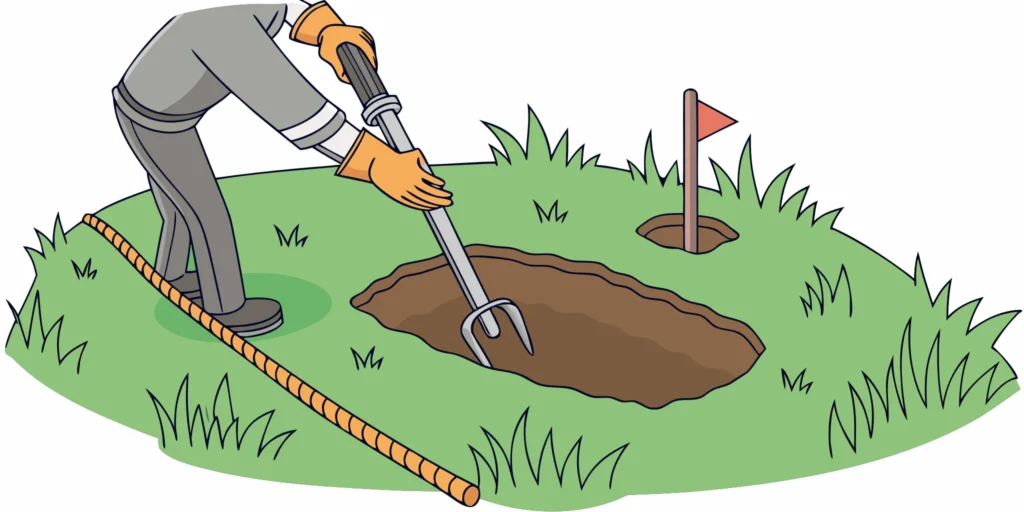
Setting a gopher trap without knowing where the main tunnel is feels a lot like trying to hang a heavy picture without a stud finder. You can knock on the wall and make an educated guess, but you might just end up with a hole and a picture on the floor. A gopher trap setting tool is the stud finder for your lawn. It allows you to probe beneath the surface to locate the gopher’s main travel routes with certainty. This simple piece of equipment removes all the guesswork, helping you find the perfect spot and create a clean opening for your trap. It turns a frustrating task into a precise, strategic process that delivers consistent results and helps you protect your investment in a quality trap.
Key Takeaways
- Focus on finding active tunnels for effective trap placement: Your success depends on setting your trap in a gopher’s main runway, not an abandoned one. Use a probe to find the tunnel and clear any loose dirt before setting the trap.
- View your trap as a long-term investment: A durable, galvanized steel trap may cost more initially but will save you money and frustration over time by lasting for many seasons.
- Select a trap design you can handle safely and confidently: The best trap is one you can set correctly every time. User-friendly systems, like choker loop traps, remove guesswork and deliver reliable results.
What Is a Gopher Trap Setting Tool?
Think of a gopher trap setting tool as your secret weapon for effective pest control. It’s a device designed to help you find underground tunnels and place your traps with precision. Trying to set a trap without one can feel like a guessing game, often leading to frustration and empty traps. These tools take the guesswork out of the equation, ensuring you place your trap in an active runway where it will do the most good.
Most setting tools come with a few key parts. You’ll typically find a long, thin probe for locating the gopher’s main tunnels beneath the surface. Once you find a tunnel, many kits include a special cutter or auger to create a clean opening in the ground without causing the tunnel to collapse. This gives you the perfect access point to set your trap. Using a tool makes the entire process faster, cleaner, and significantly more effective, so you can get back to enjoying your yard.
What Kinds of Gopher Trap Tools Are There?
You’ll find a few different types of gopher trap tools on the market, each with a slightly different approach. Some, like the GopherHawk, come as an all-in-one set with a specialized “Wedge & Probe” tool designed to work specifically with their trap system. These integrated systems are great for beginners because all the components are made to work together seamlessly. Other tools are sold separately and can be used with various trap styles. The most important thing is to find a tool that helps you locate tunnels and create a clean opening. Of course, the trap itself is the most critical tool, and durability matters. Our Cinch Traps are handmade from galvanized steel to ensure they last season after season.
How Do Gopher Trap Tools Work?
Using a gopher trap setting tool is a straightforward process. First, you’ll use the probe to find an active tunnel, which usually feels like a hollow spot a few inches under the ground between two mounds. Once you’ve located the tunnel, you’ll use the cutting part of your tool to create a hole just large enough to place the trap. The goal is to expose the tunnel so you can set the trap directly in the gopher’s path. After setting it, you can place the trap inside the opening. With a cinch-loop trap, a successful catch provides immediate confirmation. For a complete walkthrough, you can see exactly how it works with our traps.
What to Look For in a Gopher Trap Tool
Choosing the right gopher trap can feel overwhelming, but it doesn’t have to be. When you know what features to look for, you can confidently pick a tool that will solve your gopher problem effectively and for years to come. The best traps are simple, strong, and safe. They’re designed to work with a gopher’s natural behavior, making your job easier and ensuring you get results. Think of it as a long-term investment for your yard or garden. A quality trap saves you from the frustration of failed attempts and the recurring cost of replacing flimsy tools. Let’s walk through the four key things to consider before you make a purchase.
Easy Setup and Use
When you’re dealing with torn-up turf, the last thing you want is a complicated tool that requires an engineering degree to assemble. Look for a gopher trap with a straightforward design and clear, step-by-step instructions. A simple setup process means you can place your trap quickly and correctly, which is crucial for success. The best tools are intuitive for first-time users but still efficient enough for seasoned pros. You should be able to set it and move on with your day, feeling confident that it’s ready to do its job. A trap that is easy to use is one you’ll actually use, making it a much more effective solution for getting rid of gophers.
Durable Materials
A gopher trap works in a harsh environment: underground. It’s constantly exposed to dirt, moisture, and pressure. That’s why material quality is so important. Opt for traps made from durable, rust-resistant materials like galvanized steel. A well-made trap isn’t a one-and-done product; it’s a tool you can rely on season after season. While cheaper plastic traps might seem appealing, they often break or warp, forcing you to buy replacements. Investing in a sturdy, handmade gopher trap ensures it will withstand the elements and the strength of a trapped animal, providing you with a reliable solution for years.
Tunnel Detection
An effective trap is only as good as its placement. Your tool should be designed to work seamlessly with the gopher’s tunnel system. Look for traps that are set directly inside the main tunnel, as this is where gophers are most active. This design increases your chances of a quick catch. One of the biggest advantages of this method is the clear confirmation of success. When you catch a gopher, you can see it immediately, so there’s no guessing if the trap has been triggered. This instant feedback helps you know your strategy is working and allows you to move the trap to a new location if needed.
Safety First
Any time you’re working with a mechanical trap, safety should be your top priority. A good gopher trap is designed not only to be effective but also to be handled safely. Always look for clear safety guidelines and operating instructions from the manufacturer. Before you even begin, read through the directions to understand the mechanics and proper handling procedures. This protects you from accidental snaps and ensures the trap functions as intended. Following the safety protocols also helps prevent harm to pets or other non-target wildlife. A responsible company will make safety a key part of its product information.
Understanding Different Gopher Trap Systems
When you’re dealing with a gopher problem, walking into a hardware store or browsing online can feel overwhelming. You’ll find a variety of traps, each claiming to be the best solution. The truth is, gopher traps are not all built the same. Their design directly affects how easy they are to set, how safe they are to handle, and most importantly, how effective they are at solving your pest problem for good. Understanding the fundamental differences between the main types of traps is the first step toward reclaiming your yard.
Most gopher traps fall into a few key categories: scissor-style, choker loop, and box traps. Each operates on a different mechanical principle to catch the gopher as it moves through its underground tunnel system. Some require more digging and a more complex setup, while others are designed for quick, straightforward placement. The mechanism isn’t just a minor detail; it determines whether you’ll spend your afternoon digging a large hole or just a few minutes setting a trap. It also influences the trap’s sensitivity and its ability to work in different soil conditions. Choosing the right system depends on your comfort level with the setup, the scale of your infestation, and whether you want a durable tool that will last for years or a temporary fix. Let’s walk through the most common systems so you can make a confident and informed decision.
The Cinch Traps Advantage
What sets Cinch Traps apart is a commitment to quality and a design that’s been perfected for over a century. Our traps are handmade in Oregon from heavy-duty galvanized steel, which means they are built to withstand the damp, dirty environment of a gopher tunnel without rusting or failing. This isn’t a flimsy tool you’ll have to replace every season; it’s a permanent solution. The design is focused on effectiveness and ease of use. You can learn how it works in just a few simple steps, getting your trap set in the gopher’s tunnel quickly and safely. This combination of durable materials and a user-friendly design makes it a reliable choice for both first-time homeowners and seasoned professionals.
Scissor-Style Traps
You can usually identify scissor-style traps by their pincer-like jaws that are powered by a strong spring. To set one, you typically press down on a lever to open the jaws and engage a trigger pan. The trap is then placed carefully inside the gopher’s tunnel. When the gopher moves through and pushes dirt against the trigger, the jaws snap shut. While this design can be effective, setting them often requires significant hand strength and caution. The powerful spring mechanism can be tricky to handle, and proper placement is critical for the trap to work correctly. They are a common option, but the setup process can be a bit of a learning curve.
Choker Loop Traps
Choker loop traps are widely considered one of the most effective designs available. They work by using a wire loop that quickly and humanely cinches around the gopher when it triggers the mechanism. Our gopher traps use this exact principle. One of the biggest benefits of this system is that when you catch a gopher, you have immediate and clear confirmation. There’s no need to guess if the trap has been sprung or if you were successful. You can see the caught gopher, remove it, and reset the trap to continue tackling the infestation. This straightforward, effective design removes the guesswork and delivers reliable results.
Box Traps
Box traps are another common type of gopher trap, often constructed from wood or metal. As the name suggests, it’s a box with a trapping mechanism inside that is triggered when the gopher enters. To use a box trap effectively, you first need to locate a main gopher tunnel. Then, you have to dig an opening large enough to place two traps back-to-back, facing in opposite directions. This ensures you catch the gopher no matter which way it’s traveling. While this method can work, it requires more significant digging and disrupts a larger area of your lawn or garden. The setup is generally more labor-intensive than with other trap types.
How to Compare Gopher Trap Effectiveness
When you’re ready to reclaim your yard, choosing the right gopher trap can feel like a big decision. With so many options on the market, how do you know which one will actually get the job done? It’s not just about picking the cheapest or the most complex-looking device. The best trap is one that works reliably, is easy for you to handle, and provides a lasting solution to your pest problem. A trap that fails is more than just a waste of money; it’s a waste of your time and can leave you feeling even more frustrated as new gopher mounds appear on your lawn.
To make a smart choice, you need to look beyond the packaging and marketing claims. The real story of a trap’s effectiveness is found in three key areas: what real users are saying, how it performs in the field, and whether its price reflects its long-term value. By focusing on these factors, you can find a gopher trap that not only solves your current problem but also becomes a trusted tool for years to come. Let’s break down what to look for in each of these categories so you can invest in a trap with confidence.
What to Look for in User Reviews
User reviews are a goldmine of information, but it’s important to know how to read them effectively. Look for patterns in the feedback. Are multiple people mentioning how quickly they caught a gopher? Do they describe the setup process as straightforward or frustrating? Pay close attention to comments about longevity. A trap that works once is fine, but a trap that people have been using successfully for multiple seasons is a much better investment. Genuine reviews often provide the kind of practical gopher trapping insights you won’t find in a product description, giving you a clear picture of what to expect when you get the trap home and into your yard.
Evaluating Performance
Performance is where the rubber meets the road. An effective gopher trap is one that works quickly and consistently. When you set a trap, you want to feel confident that it’s going to do its job without a lot of fuss. One of the biggest indicators of great performance is immediate confirmation of a catch. There’s no guesswork involved; you can see your success right away. This instant feedback is crucial because it lets you know your strategy is working and you can move on to the next tunnel. A trap’s design plays a huge role here. The best gopher traps are engineered for a clean, effective catch every time you set them.
Comparing Price vs. Value
It’s easy to be tempted by a low price tag, but with gopher traps, you often get what you pay for. A cheap, flimsy trap might work once or twice before it bends or breaks, forcing you to buy another one. A better approach is to think about long-term value. A heavy-duty, reusable trap made from durable materials like galvanized steel might cost more upfront, but it can save you a lot of money and frustration over time. When you invest in a well-made tool, you’re buying a permanent solution, not a temporary fix. Consider if the trap is built to last and can be used season after season for reliable gopher control.
Best Practices for Setting Your Gopher Trap
Setting a gopher trap is more of a science than an art. Your success depends on placing the right trap in the right place at the right time. By following a few proven steps, you can dramatically increase your catch rate and reclaim your yard from these destructive pests. It all starts with understanding how gophers operate and using that knowledge to your advantage. Let’s walk through the essential practices for setting your traps effectively.
Find Active Gopher Tunnels
Before you even think about setting a trap, you need to play detective. Placing a trap in an old, abandoned tunnel is a waste of time. You want to find the gopher’s current highway. To do this, look for fresh mounds of dirt. Grab a long screwdriver or a metal rod and start probing the ground around a new mound. You’re searching for a soft spot where the probe suddenly gives way and sinks a few inches. That’s the main tunnel. This simple gopher-finding technique ensures you’re setting your trap right where the gopher is active, giving you the best shot at success.
Place Your Trap Correctly
Once you’ve located an active tunnel, it’s time to excavate. Using a small trowel or spade, carefully dig a hole just big enough to access the tunnel, usually about six to eight inches wide. Clear out any loose dirt from the opening so the tunnel is unobstructed. This is a crucial step because gophers will often just push loose dirt back out of their way, potentially setting off your trap without getting caught. After clearing the path, you can set your gopher traps and slide them into the tunnel openings, pointy end first. Proper placement is everything.
Set Multiple Traps for Best Results
A gopher’s main tunnel is often a two-way street. For the highest chance of success, you should set two traps facing in opposite directions. When you dig your access hole, you’ll likely expose the tunnel running in two different ways. Place one trap in each opening to catch the gopher no matter which direction it’s coming from. This doubles your odds of a quick catch. If you happen to dig into the end of a tunnel and only find one opening, a single trap will do the job. But whenever possible, using a pair of traps is the professional approach.
Secure and Cover Your Trap
After your traps are in place, the final step is to make the area look as natural as possible. Gophers are sensitive to light and drafts from above, so you need to cover the hole you dug. Use a piece of sod, a dirt clod, or a board to block all light from entering the tunnel. This tricks the gopher into thinking its tunnel is secure and encourages it to run right toward your trap. Once you’ve caught a gopher, you can simply release the trap, leaving the pest in the tunnel, and fill the hole with dirt. It’s a simple and effective method that many people prefer.
Common Gopher Trapping Mistakes to Avoid
Even with the most effective trap, a few common missteps can stand between you and a gopher-free yard. Gophers are clever, but their behavior is predictable. By learning what not to do, you can set yourself up for success from the start. Let’s walk through the most frequent mistakes people make when trapping gophers and how you can easily sidestep them. Getting these details right makes your trapping efforts much more efficient and saves you frustration.
Avoiding Inactive Tunnels
Placing a trap in an old, abandoned tunnel is a quick way to get zero results. Gophers create extensive tunnel networks but only use a fraction of them at any time. Your trap needs to be in an active runway. To check for activity, find a fresh mound and probe for the main tunnel nearby. Once you set your trap, monitor it closely. If you haven’t caught anything within 24 hours, the tunnel is likely inactive. Don’t hesitate to pull the trap and find a more promising location.
Getting the Placement Wrong
Proper trap placement is everything. A common error is not setting the trap deep enough inside the tunnel. Your goal is to intercept the gopher as it moves to clear the blockage you created. If the trap is too shallow, the gopher might just push dirt over it. An unsecured trap can also be dragged deeper into the tunnel, lost for good. Make sure your gopher trap is positioned correctly in the main tunnel, as our how-it-works guide demonstrates, to ensure an effective capture.
Forgetting Safety and Regular Checks
Once your trap is set, don’t forget about it. Forgetting to check your traps daily is a mistake for a few reasons. First, it’s the most humane approach. Second, a trap with a gopher in it can’t catch another one. Regular checks allow you to clear and reset the trap to keep working on the problem. It also helps you monitor tunnel activity and decide if you need to move your traps. Always be mindful of where you place your traps, especially if you have pets or children in the yard.
Poor Timing and Maintenance
Successful trapping means thinking one step ahead. Gophers use both main tunnels for travel and shorter, lateral tunnels to push dirt to the surface. A big mistake is only setting traps in one type of tunnel. For the best results, place traps in both main and lateral tunnels whenever possible to increase your chances of catching them. Also, while our galvanized steel traps are built to last, a quick cleaning after each use keeps them in perfect working order for years to come.
How to Choose the Right Gopher Trap for You
Picking the right gopher trap can feel like a big decision, but it doesn’t have to be complicated. The best trap for you really comes down to your specific situation: the size of your yard, the scale of your gopher problem, and your own comfort level with setting traps. A little bit of planning can make all the difference between a frustrating experience and a gopher-free lawn. There are many options out there, from simple scissor traps to more complex box traps, and each has its own pros and cons.
Before you buy, think about what you need. Are you dealing with one or two pesky mounds, or does your yard look like it’s been through a meteor shower? Are you a seasoned pro at trapping, or is this your first time? Answering these questions will help you narrow down your options and find a solution that works for the long haul. The goal isn’t just to buy a trap; it’s to buy the right trap that you’ll actually use effectively. Let’s walk through the key things to consider so you can choose your gopher traps with confidence and get back to enjoying your yard.
Assess Your Property and Infestation
First, take a walk around your property to get a clear picture of the gopher activity. Gophers create a network of underground tunnels, so you’ll need to find the active ones they are currently using. Look for fresh mounds of dark, moist soil, as these are the surest signs of a busy gopher. Older mounds will look dried out and flattened. Understanding the extent of the infestation helps you decide how many traps you’ll need and where to place them for the best results. If you have a large area with multiple active mounds, you’ll want to set several traps to handle the problem efficiently.
Consider Your Experience Level
Your experience with trapping should play a big role in your choice. Some traps have complex setting mechanisms that can be tricky for beginners, while others are designed for simplicity. You want a trap that feels manageable and safe for you to handle. Cinch Traps are designed with a straightforward setup and come with a step-by-step guide, making them a great fit for both seasoned professionals and first-time users. The goal is to find a trap you can set correctly and confidently every time, because a well-set trap is an effective one. Don’t be afraid to choose a user-friendly option; it will save you time and frustration.
Balance Your Budget with Long-Term Value
While it can be tempting to grab the cheapest trap on the shelf, it’s important to think about long-term value. A flimsy trap might save you a few dollars upfront, but it could break after one use or fail to catch anything at all. Investing in a durable, well-made trap is often more cost-effective over time. For example, Cinch Gopher Traps are heavy-duty and reusable, ensuring long-term gopher control. Made from galvanized steel and backed by a lifetime warranty, they are built to last. This means you can rely on them season after season, making them a smart investment for protecting your property.
Where to Buy Your Gopher Trap
Once you’ve decided which gopher trap is right for your yard, the next step is figuring out where to get it. You have a few great options, each with its own perks, so you can choose the one that works best for you.
Comparing Online Retailers
When you’re ready to buy, big online retailers like Amazon and Home Depot are often a go-to. It’s easy to see what other people think, and customer reviews often confirm that Cinch Traps are effective and simple to use. Many people report successful catches shortly after setting them up. These sites also highlight the straightforward setup, which is perfect for both seasoned pros and first-time users. While you can find our traps on various sites, make sure you’re getting the authentic, high-quality product Cinch Traps is known for. You can browse our complete collection of gopher traps to see what’s right for you.
Buying Directly from the Manufacturer
For the best selection and direct support, consider buying straight from the source. As the most trusted brand since 1909, we handmake every trap in Oregon from galvanized steel, so they’re built to last for years. When you shop with us, you get access to our full line of products, including essential accessories like stakes to secure your trap. A common mistake is forgetting to anchor the trap, which can lead to a gopher dragging it away. Buying directly ensures you get a genuine, warrantied product from the people who know it best.
Look for Seasonal Promotions
A little planning can help you save money on your gopher trap. Keep an eye out for seasonal promotions, especially during the spring and fall when gophers are most active. Retailers and manufacturer websites sometimes offer discounts during these peak times. Signing up for a company’s newsletter is a great way to get notified about special offers. No matter when you buy, you can feel confident in your purchase. Customers consistently say our gopher traps are effective and easy to use, so you know you’re investing in a solution that works, whether you get it on sale or not.
Maintain Your Gopher Trap for Long-Term Success
Your gopher trap is a powerful tool, and with a little care, it can protect your yard for years to come. Cinch Traps are built from durable, galvanized steel to withstand the elements and tough gophers. But like any quality piece of equipment, regular maintenance ensures it performs at its best every single time. A few simple steps after each use will keep your trap in top shape, ready to go the moment you spot a new mound. Think of it as a small investment to guarantee long-term success.
Clean and Store Your Trap Properly
After you’ve successfully caught a gopher, it’s a good idea to clean your trap before storing it or moving it to a new location. Gophers have a keen sense of smell, and lingering scents can make them wary. A quick scrub with an old toothbrush and some hydrogen peroxide will remove any dirt and odors, keeping the trap clean and effective. Always handle your trap with gloves to avoid transferring your own scent onto it. Once it’s clean and dry, store your trap in a shed or garage to protect it from the elements and ensure it’s ready for its next job.
Know When to Replace Parts
Cinch Traps are handmade in Oregon from long-lasting galvanized steel, so they’re designed for repeated use. However, it’s always smart to inspect your trap periodically for wear and tear. Check to make sure the trigger mechanism is still sensitive and that no parts have become bent or damaged over time. Because each trap is handmade, there can be slight variances between units, which is part of their unique quality. Taking a moment to check your equipment will keep your gopher traps working perfectly season after season.
Troubleshoot Common Problems
If your trap isn’t catching anything, don’t get discouraged. A few small adjustments can make a big difference. First, make sure you’ve secured the trap with a stake. A common mistake is letting a gopher drag an unsecured trap deeper into its tunnel, never to be seen again. If a gopher isn’t caught within 24 hours, it’s best to reset the trap in a different, active tunnel. Sometimes gophers can become “trap-shy” or simply use another route for a day. Finding a fresh tunnel system can quickly solve the problem. For more tips, our FAQs page has answers to many common questions.
Related Articles
Frequently Asked Questions
What if I set my trap and don’t catch a gopher right away? Don’t worry, this is a common issue and usually has a simple fix. If 24 hours have passed with no activity, the most likely reason is that you’ve placed the trap in an inactive tunnel. Gophers have large networks but only use certain paths at any given time. The best solution is to pull the trap and find a fresh mound to locate a new, active tunnel. Success is all about being in the right place at the right time.
How many gopher traps should I buy? For most backyard situations, starting with two traps is a great strategy. Gopher tunnels run in two directions, so placing one trap in each opening of the tunnel doubles your chances of a quick catch. If you’re dealing with a larger property or a more significant infestation with multiple active mounds, you may want to have a few pairs of traps to set in different tunnel systems at the same time.
Are Cinch Traps safe to use if I have pets or children? Yes, they are designed with safety in mind. The trap is placed underground, directly inside the gopher’s tunnel. After setting it, you cover the hole with a board or a clump of sod. This not only makes the trap more effective by blocking light but also creates a barrier that keeps the mechanism safely out of reach of curious pets and children playing in the yard.
Why is a galvanized steel trap better than a cheaper plastic one? Think of it as a long-term investment for your property. While a plastic trap might seem like a bargain, it’s often not strong enough to handle the underground environment and can easily break or warp. Our traps are handmade from galvanized steel, which means they are durable enough to be used season after season without rusting or failing. You’re buying a permanent solution, not a disposable tool that will need replacing.
Do I need to use any bait with a Cinch Trap? No bait is necessary, which is one of the things that makes this design so effective. The trap works by being placed directly in the gopher’s path. As the gopher moves through its tunnel to clear the opening you created, it naturally triggers the mechanism. This method uses the gopher’s own instincts against it, removing the need for any additional attractants or baits.