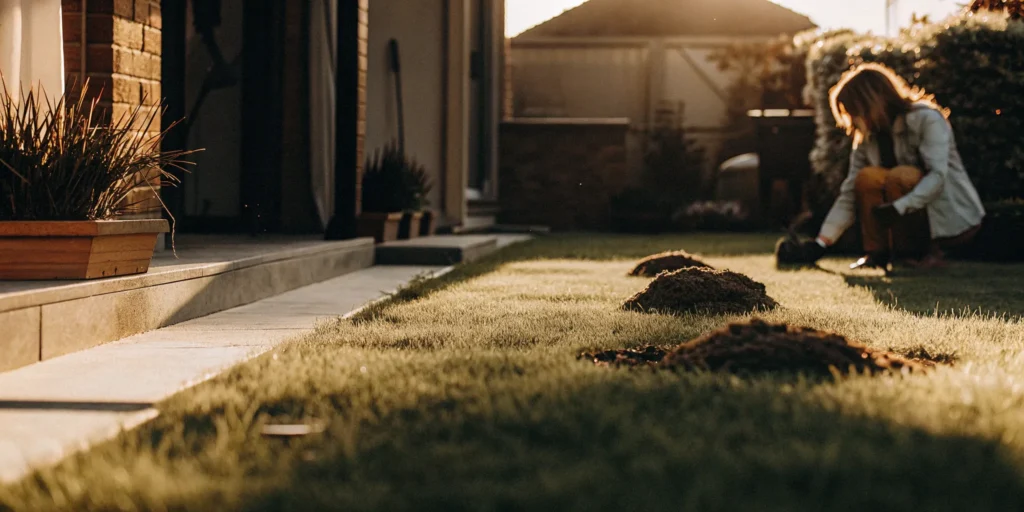
Taking pride in your lawn and garden only to see it systematically destroyed by underground pests can feel defeating. But you don’t have to surrender your yard to these digging machines. The solution is simpler and more direct than you might think. Instead of relying on temporary fixes, you can take control with a definitive trapping strategy that removes the problem at its source. We’ll show you exactly how to get rid of gophers and moles in your lawn, providing clear, actionable steps that empower you to protect your property effectively and confidently, starting today.
Key Takeaways
- Know Your Opponent: Gopher vs. Mole: The first step to solving your problem is correct identification. Gophers are plant-eaters that leave fan-shaped mounds, while moles are insect-eaters that create volcano-shaped hills and surface ridges.
- Trapping Is the Most Reliable Solution: Forget ineffective myths like vibrating stakes or mothballs. A high-quality, reusable trap is the only method that provides a direct, certain, and permanent fix to remove the pest from your yard.
- Make Your Yard Unwelcoming for Good: For long-term prevention, remove what attracts pests in the first place. Manage the grub population, adjust your watering schedule to be deep and infrequent, and install underground barriers to protect valuable plants.
Gopher or Mole? How to Tell the Difference
Before you can solve your lawn problem, you need to play detective. Are you dealing with a gopher or a mole? They’re different animals with different habits, and knowing which one has moved in is the first step to getting rid of them for good. Using the wrong approach is a waste of time, so let’s figure out exactly who your unwanted guest is.
Key Physical Differences
You probably won’t get a good look at the culprit, but if you do, here’s what to watch for. Gophers are rodents with small ears, visible eyes, and large front teeth they use for digging. Moles are insectivores with velvety fur, no visible ears, and tiny eyes. Their most distinct features are their massive, paddle-like front paws, which are perfectly designed for swimming through soil. Think of gophers as chunky diggers with big teeth and moles as sleek swimmers with oversized hands.
Decoding Their Tunnels and Mounds
The easiest way to identify your pest is by the mess they leave behind. Gophers push dirt out of their tunnels, creating crescent-shaped or fan-shaped mounds with a dirt plug on one side. These mounds can be 10 to 20 inches wide. Moles, however, create mounds that are much smaller and distinctly cone-shaped, like a tiny volcano, because they push the dirt straight up. You’ll also see their shallow feeding tunnels just below the surface, which look like raised ridges across your lawn. If you see these ridges, you have a mole. If you see larger, plugged mounds, you’re dealing with a gopher and will need a specific gopher trap for the job.
Spotting an Active Problem
Once you’ve identified the mounds, you need to know if the pest is still around. For gophers, look for mounds with fresh, moist dirt. Holes plugged with fresh soil are a sure sign a gopher is still digging inside. For moles, you can do a simple test. Find a raised surface tunnel and gently flatten a small section with your foot. If the mole is still using that tunnel, it will likely repair the damage within 12 to 24 hours. Finding these active tunnels is the key to knowing exactly where to set your trap for the best results.
Why Are Gophers and Moles in Your Yard?
If you’ve spotted a network of tunnels or fresh mounds of dirt in your yard, you’re probably wondering why these pests chose your property. It’s not personal—your lawn is simply offering them exactly what they need to thrive. Moles and gophers are driven by two basic needs: food and shelter. Understanding what attracts them is the first step to sending them packing. By figuring out what makes your yard so appealing, you can start to take back control and make it a less inviting place for these underground intruders.
The Food Sources They Can’t Resist
The biggest draw for moles and gophers is an all-you-can-eat buffet right under your grass. These two pests have very different diets, which can help you identify who your uninvited guest is. Moles are insectivores, and their absolute favorite meals are earthworms and grubs. If you have rich, healthy soil, you likely have a robust worm population, making your yard a prime location for a mole.
Gophers, on the other hand, are herbivores. They’re after your plants. Gophers love to eat roots, bulbs, and even entire plants from below the surface. If you’ve noticed your prized tulips disappearing or your vegetable garden looking lackluster, a gopher might be the culprit. You can learn more about their habits on our mole and gopher FAQs page.
Ideal Soil and Lawn Conditions
Beyond food, the condition of your soil plays a huge role in attracting moles and gophers. Moles prefer moist, loamy soil because it’s easy to dig through and is the perfect environment for their food source—earthworms and grubs. If your lawn is well-irrigated or has poor drainage, you might be unintentionally rolling out the welcome mat for moles.
Gophers also appreciate soil that’s easy to work with, so they’re often found in sandy or loose soil types. A freshly tilled garden or a new lawn with soft dirt is like a construction-ready site for a gopher’s extensive tunnel system. The right soil makes it easy for them to create the deep, complex burrows they live in. Understanding how our traps work in these different soil conditions can give you an edge.
When They’re Most Active
While it might seem like they’re digging 24/7, moles and gophers have peak seasons for activity. Gophers are active all year long, but you’ll see the most new mounds in the spring and fall. During these milder seasons, the soil is typically moist and easy to dig, and their favorite plant roots are abundant.
Moles are also active throughout the year, but their surface-level tunneling is most noticeable in the spring and fall, especially after a good rain. This is when the ground is soft, making it easier for them to push up those tell-tale ridges as they hunt for worms near the surface. Knowing when they’re most active helps you time your trapping efforts for the best results, whether you need gopher traps or mole traps.
How to Trap Gophers and Moles Effectively
When you’ve got tunnels crisscrossing your lawn, trapping is the most direct and reliable way to solve the problem. While other methods can be hit-or-miss, a well-placed trap offers immediate results and lets you know for sure that you’ve taken care of the pest. It might sound intimidating, but with the right tools and a little know-how, you can reclaim your yard quickly and efficiently. The key is understanding where to place the trap and how to set it up for success.
Forget about guesswork. A strategic approach to trapping is your best bet for getting rid of gophers and moles for good. We’ll walk through everything you need to know, from picking the perfect spot to setting your trap like a pro.
Why Cinch Traps Are the Gold Standard
When it comes to trapping, not all tools are created equal. Cinch Traps have been the go-to solution since 1909 for a reason: they just work. Hand-made in Oregon from durable galvanized steel, these traps are built to last a lifetime—and they come with a warranty to prove it. Their design is simple, powerful, and has been ranked #1 in effectiveness by multiple university studies.
What really sets them apart is their ability to deliver fast, humane results. Instead of relying on baits or poisons that can harm other wildlife, Cinch Traps use a simple mechanical action. This approach is why so many gardeners, farmers, and homeowners trust our traps to protect their property.
Finding the Perfect Spot for Your Trap
Your success starts with location. Gophers and moles create a network of tunnels, but you want to target their main runways, not the temporary feeding tunnels that branch off. Look for the freshest mounds of dirt—these are your signs of recent activity. The main tunnel is usually straight and connects two mounds.
To find it, use a long screwdriver or a thin probe to gently poke the ground between two fresh mounds. You’ll feel a sudden give when you break through into the tunnel. Once you’ve found the runway, you’ve found your perfect spot. The Cinch Traps method shows exactly how to pinpoint these active tunnels to ensure you place your trap where it will be most effective.
A Step-by-Step Guide to Setting Your Trap
Once you’ve located an active tunnel, it’s time to set your trap. First, use a small shovel to carefully dig an opening just large enough to access the tunnel. You should see the runway heading in two different directions. Clear out any loose soil so the path is unobstructed.
Next, set your gopher or mole trap according to its instructions. For the best results, place one trap in each direction of the tunnel. This doubles your chances of catching the pest, no matter which way it’s traveling. Finally, cover the hole with a piece of sod or a board to block all light from entering the tunnel, which makes the setup feel natural to the gopher or mole.
Playing It Safe: Trapping Safety Tips
Cinch Traps are powerful tools, so it’s important to handle them with care. Always wear gloves when setting and placing your traps. This not only protects your hands but also keeps your scent off the metal, which could otherwise make a wary pest avoid it. Make sure to keep curious pets and children away from any areas where you have active traps.
A great safety practice is to secure your trap with a wire or chain staked to the ground. This prevents a predator from dragging your trap away after a catch. If you have any questions about handling your equipment, our FAQs page is a great resource for quick answers and additional safety advice.
Do Natural and Chemical Repellents Actually Work?
When you first spot a molehill or gopher mound, your initial thought might be to find a quick spray or granule to make them go away. It’s a common starting point, and the market is full of products promising to do just that. These repellents, whether natural or chemical, work by making your yard an unpleasant place for pests, usually by targeting their sense of smell or taste.
The big question is, are they a lasting solution? While some people see temporary results, repellents often act more like a temporary eviction notice than a permanent fix. The pests might move to a different part of your lawn or even to your neighbor’s yard for a while, but they frequently return once the repellent wears off. Let’s look at some of the most common options and what you can realistically expect from them.
The Truth About Castor Oil
Castor oil is one of the most popular natural repellents out there. The idea is that moles and gophers can’t stand the smell and taste of it. Products containing castor oil are designed to be spread on your lawn and watered in, allowing the oil to seep into the soil where the pests are tunneling. While it doesn’t harm the animals, it’s meant to make their food source (like worms and grubs) taste awful, encouraging them to find a new place to live.
However, its effectiveness can be short-lived. Rain can wash it away, and you’ll need to reapply it regularly to maintain any effect. It’s a method that requires persistence and may only deter moles and gophers temporarily, pushing them to an untreated area of your property rather than getting rid of them for good.
Using Scents Like Essential Oils and Predator Urine
Another common strategy is to use strong scents to scare pests away. This can range from planting garlic and onions to using essential oils like peppermint on cotton balls placed in the tunnels. The logic extends to using the scent of a natural predator, like a cat or coyote, to create a sense of danger. Some gardeners have even tried placing used cat litter in active tunnels to trick gophers into thinking a predator is nearby.
Like castor oil, these scent-based methods can provide a temporary deterrent. A gopher might abandon a tunnel if it smells a potential threat. The problem is that these animals are adaptable. Once they realize the scent isn’t connected to an actual predator, they’re likely to ignore it and come right back. It’s a constant battle of reapplication with results that often don’t last.
When to Consider Professional-Grade Chemicals
If natural repellents don’t do the trick, you might be tempted to reach for chemical solutions. These products work similarly to natural ones by creating an unpleasant environment, but they use synthetic ingredients. While some may be more potent, they come with their own set of considerations. You need to be careful about their impact on your pets, children, and the local ecosystem, including beneficial insects and groundwater.
Even with stronger chemicals, pests can simply get used to them over time. Many electronic or chemical repellents might scare moles and gophers away for a short period, but these clever critters often realize there’s no real danger and return to their tunneling. This is why many homeowners find that repellents aren’t the effective, long-term pest management strategy they were hoping for.
How and When to Apply Repellents
If you decide to try repellents, there’s a strategic way to apply them. Instead of treating your entire yard at once, the goal is to apply the product in sections. You start in an area close to your house and slowly expand the treated zone outwards toward the edge of your property. The idea is to systematically “push” the pests out of your yard, giving them an escape route.
This method requires patience and a consistent application schedule, especially after heavy rain. While it can be more effective than a scattered approach, it still doesn’t guarantee the pests won’t come back. Repellents are a tool for deterrence, not elimination. For a more definitive solution that actually removes the problem, trapping remains the most reliable method.
Make Your Lawn Less Appealing to Pests
While setting a trap is the most direct way to handle a gopher or mole that’s already in your yard, you can also play the long game by making your property a less desirable place for them to live. Think of it as rolling up the welcome mat for unwanted guests. Moles and gophers show up for two main reasons: an abundant food supply and ideal soil conditions for tunneling. If you can limit their access to their favorite meals and make the ground less inviting, they’re much more likely to move on to greener pastures—literally.
This approach is all about prevention and creating a less hospitable environment. It isn’t an overnight fix, but it’s a crucial part of a long-term pest control strategy that supports your trapping efforts. By adjusting a few of your lawn care and gardening habits, you can create an environment that naturally discourages these tunnel-digging tenants from settling in. Combining these preventative measures with an effective trapping plan gives you the best defense against current and future invasions, helping you reclaim your yard for good and keep it that way.
Getting Rid of Grubs
One of the biggest reasons moles are drawn to your lawn is because it’s a buffet of their favorite foods, especially grubs. If you peel back a section of your turf and see little white, C-shaped larvae, you have grubs—and a clear invitation for moles. By getting rid of this primary food source, you make your yard significantly less attractive. You can find various grub control treatments at your local garden center that are designed to be applied to your lawn. Addressing the grub population is a key step in sending moles packing, as you’re essentially taking their main course off the menu.
Smart Watering to Reduce Earthworms
Moles also love earthworms, and your watering schedule can directly impact how many are available near the surface. A lawn that’s watered lightly and frequently keeps the top layer of soil consistently moist, creating a perfect, easy-access hunting ground for moles. Instead, switch to a deep watering schedule just once a week. This practice encourages your grass to grow deeper, stronger roots and allows the top layer of soil to dry out between waterings. As a result, earthworms will move further down into the soil to find moisture, making them much harder for moles to reach.
Protecting Your Plant Roots and Bulbs
Unlike moles, gophers are herbivores, meaning they’re after your plants. They love to snack on the roots of vegetables, flowers, and shrubs, often pulling an entire plant underground from below. You can protect your garden by creating physical barriers. When planting new bulbs or seedlings, consider placing them inside wire gopher baskets to shield their delicate roots. You can also choose to plant species that gophers tend to avoid, such as lavender, rosemary, and daffodils. Keeping your garden free of weeds also helps, as it removes alternative food sources and hiding spots for these hungry pests.
Don’t Fall for These Gopher and Mole Control Myths
When you’re dealing with a yard full of mounds, it’s tempting to try any quick fix you can find. The internet is full of DIY remedies and supposed miracle products that promise to send gophers and moles packing. Unfortunately, many of these popular methods are completely ineffective, and some are even dangerous. Wasting time and money on solutions that don’t work is frustrating, and it gives these pests more time to establish their tunnels and cause damage. Before you reach for that strange concoction or “As Seen on TV” gadget, let’s clear up some of the most common myths about gopher and mole control. Knowing what to avoid is the first step toward reclaiming your lawn with a method that actually gets the job done.
Why Vibrating Stakes Don’t Work
The idea behind sonic and vibrating stakes is simple: the vibrations are supposed to annoy moles and gophers so much that they leave your yard for good. In reality, these devices rarely work. Gophers and moles are used to vibrations in the ground from footsteps, lawnmowers, and other daily disturbances. They quickly learn to ignore the consistent buzz of a stake. In fact, some gardeners have found that gophers will simply build their tunnels right around the stakes or, even more brazenly, pull them down into their burrows. Research from university extensions confirms that there is little to no evidence that these devices effectively deter burrowing pests, making them a poor investment for your lawn care.
The Real Deal on Mothballs and Other Home Remedies
You’ve probably heard that putting things like mothballs, chewing gum, or castor oil concoctions into tunnels will drive pests away. This is one of the most persistent myths out there. Not only are these home remedies ineffective, but using mothballs this way is also illegal and unsafe. Mothballs contain toxic pesticides that can contaminate your soil and groundwater, posing a serious risk to children, pets, and wildlife. The National Pesticide Information Center warns against using these products for any purpose not listed on the label. Gophers and moles will typically just seal off the part of the tunnel with the offensive object and dig a new route, leaving you with the same problem you started with.
The Problem with Poison Baits
Poison baits might seem like a powerful solution, but they are often ineffective and come with serious risks. Most gophers are herbivores that prefer to eat live plant roots, so they usually won’t touch the grain-based baits designed for rats and mice. Moles are insectivores, meaning they eat earthworms and grubs, so they have no interest in these poisons either. More importantly, poison baits pose a significant danger to pets, children, and local wildlife. A pet could accidentally ingest the bait, or a predator like a hawk or owl could suffer from secondary poisoning by eating a gopher that consumed the poison. For these reasons, a targeted, mechanical gopher trap is a much safer and more reliable approach.
How to Choose the Right Gopher or Mole Trap
When you’ve got mounds of fresh dirt popping up across your lawn, you want a solution that works—fast. But with so many traps on the market, picking the right one can feel overwhelming. The best trap isn’t just about catching the pest; it’s about finding a tool that is effective, simple to use, and built to last. A little know-how can help you choose a trap that solves your gopher or mole problem for good, without adding extra frustration to your plate. Let’s walk through the three key things to look for so you can invest in a trap that you’ll be glad to have in your tool shed.
What Makes a Trap Effective?
An effective trap is one that gets the job done quickly and humanely. Look for designs that are powerful enough to work on the first try, so you aren’t left checking and resetting traps for weeks on end. The most successful traps are specifically designed for the pest you’re dealing with, whether you need specialized mole traps for their shallow tunnels or gopher traps for their deeper burrows. A well-designed trap provides immediate results, which is exactly what you need when your garden is on the line. The goal is to find a proven method that eliminates the guesswork and delivers a swift, clean capture every time you set it.
Why Durability and Ease of Use Matter
A trap is a tool, and like any good tool, it should be durable and straightforward to operate. A trap made from flimsy materials might fail at the critical moment or break after just one season. Look for ones constructed from high-quality, rust-resistant materials like galvanized steel that can stand up to dirt, moisture, and repeated use. Just as important is how easy the trap is to set. A complicated mechanism is not only frustrating but can also be unsafe. The best designs are simple and intuitive, allowing you to set them up confidently and safely in just a few steps.
Finding a Trap You Can Use Again and Again
Choosing a reusable trap is a smart move for both your wallet and the environment. Single-use solutions and poisons can become costly over time and introduce unwanted chemicals into your soil. A high-quality, durable trap is a one-time purchase that you can rely on for years to come. This approach is not only more sustainable but also more practical, as pest problems can sometimes reappear in a new season. Investing in a well-made, reusable trap means you’ll always have an effective solution ready to go. Many of the best gopher traps are designed to last a lifetime, making them the most dependable and cost-effective choice in the long run.
How to Keep Gophers and Moles Away for Good
Once you’ve trapped the gophers or moles tearing up your lawn, the next step is making sure they don’t come back. Long-term control is all about making your yard a less attractive place for these pests to live. By combining a few preventative strategies, you can protect your hard work and keep your lawn looking its best. Think of it as a permanent “no vacancy” sign for any new critters looking to move in. A little proactive effort now saves you a lot of headaches down the road.
Installing Protective Barriers
For high-value areas like your vegetable garden or prized flower beds, a physical barrier is your best defense. Gophers, in particular, can be stopped by installing an underground fence. You can create one using materials like hardware cloth or sheet metal. The key is to bury the barrier at least two feet deep, bending the bottom into an “L” shape that faces away from your plants. This design prevents them from digging underneath. It’s a bit of work upfront, but this permanent solution offers fantastic protection for your plant roots and bulbs for years to come.
Modifying Their Habitat
Pests go where the food and shelter are, so one of the best ways to deter them is to take away their resources. Start by clearing out overgrown vegetation or weed patches that give them a place to hide. When adding new plants, ask your local garden center about gopher-resistant varieties. For moles, the strategy is to reduce their food supply. This means controlling the grub population in your lawn and adjusting your watering schedule. Watering deeply but only once a week makes the surface less hospitable for the earthworms that moles love to eat.
The Importance of Regular Checks
Even with the best prevention, you should always stay vigilant. Make a habit of walking your property once a week to look for any new signs of activity, like fresh mounds or tunnels. Catching a new invasion early is much easier than dealing with an established population. Trapping is the most effective way to remove new arrivals for good. Keeping a few reliable gopher traps on hand means you can act immediately. Consistent monitoring and quick action are the keys to maintaining a gopher- and mole-free yard.
Related Articles
Frequently Asked Questions
I’ve set my trap, but I haven’t caught anything. What am I doing wrong? This is a common frustration, but it usually comes down to one of three things: location, light, or scent. Make sure you’ve placed the trap in a main runway, not a secondary feeding tunnel. You can find these by probing the ground between two fresh mounds. Once the trap is set, it’s crucial to cover the opening completely to block all light. A gopher or mole will get suspicious and just plug the tunnel if they see daylight. Finally, always wear gloves to keep your scent off the trap, which can make a wary pest avoid it.
Is it possible to have both gophers and moles in my yard at the same time? Yes, you can absolutely have both pests move in at once, especially if you have a large property with varied soil conditions. You would be able to tell by seeing two different types of damage: the small, volcano-shaped mounds and surface ridges of moles, along with the larger, crescent-shaped mounds with a side plug left by gophers. If you see both, you’ll need to identify which tunnels are active for each pest and use the appropriate trap for the job.
Will getting rid of grubs solve my mole problem completely? Treating your lawn for grubs is a fantastic long-term strategy for making your yard less appealing to moles. By removing their favorite food source, you encourage new moles to look elsewhere for a meal. However, it won’t do much for the mole that is already living in your yard. That mole will likely just dig more frantically in search of the remaining worms and insects. The best approach is to trap the current mole first and then use grub control as a preventative measure to keep others from showing up.
How long should I leave a trap in one spot before moving it? A good rule of thumb is to check your trap within 24 to 48 hours. If you haven’t caught anything in that time, the tunnel you chose probably isn’t a main runway or the pest has moved on. Instead of leaving the trap in the same place, it’s best to pull it and find a new location with fresher signs of activity. Look for a new mound with dark, moist soil and try setting your trap there.
My neighbor has gophers. How do I stop them from moving into my yard? It can feel like a never-ending battle when pests are right next door. The most effective way to protect your property is to create a less inviting environment. For high-value areas like a vegetable garden, installing an underground barrier made of hardware cloth is a permanent solution. For your lawn, focus on vigilance. Regularly walk your property and look for the first signs of new mounds. Catching a new arrival with a trap right away is much easier than dealing with a pest that has had weeks to establish a complex tunnel system.