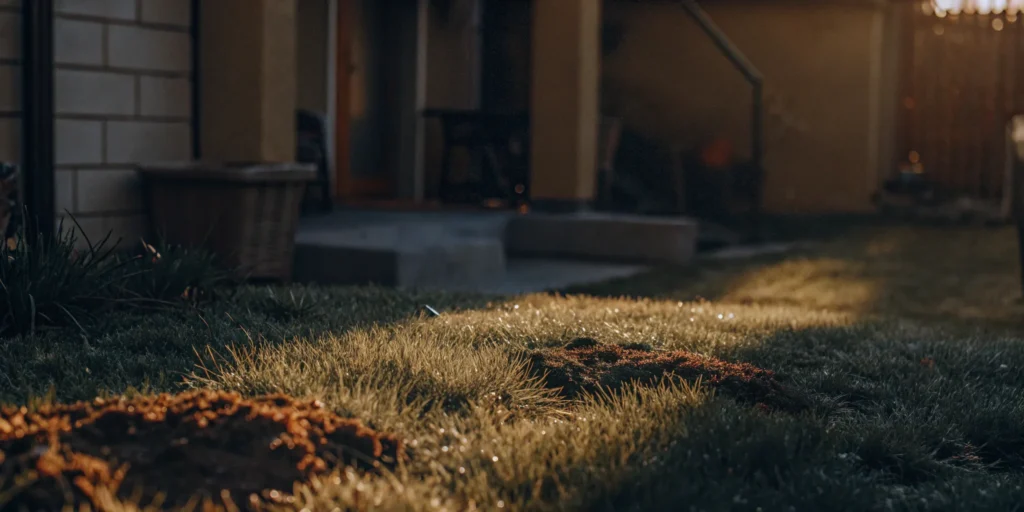
If you’ve already tried sound spikes, repellents, and flimsy traps from the hardware store, you know how frustrating a persistent mole or gopher problem can be. It can feel like you’re just wasting time and money on gimmicks that don’t deliver. The good news is, there’s a proven, mechanical solution that professionals and homeowners have relied on for generations. This guide is dedicated to showing you a better way with Cinch Traps. We’ll walk you through why these handmade, steel traps are different, how to identify your pest to choose the right model, and the common beginner mistakes to avoid so you can finally reclaim your yard for good.
Key Takeaways
- Identify Your Pest and Tunnel Size First: Before buying, figure out if you have moles or gophers and measure an active tunnel. Selecting the correct trap type and size is the most important step for ensuring a quick, successful catch.
- Choose a Durable, Proven Solution: Cinch Traps are a smart investment because they’re handmade from galvanized steel and backed by a lifetime warranty. Their university-tested design means you’re getting a tool that’s built to work season after season.
- Place Your Traps Strategically: For the best results, use multiple traps in fresh, active tunnels to increase your odds. Check them regularly and don’t hesitate to move a trap to a new location if it isn’t getting any action.
What Are Cinch Traps and How Do They Work?
If you’ve ever looked out at your yard and seen a fresh mound of dirt from a mole or gopher, you know how frustrating it can be. You want a solution that works without being overly complicated. That’s exactly where Cinch Traps come in. These are specially designed tools made to effectively and efficiently get rid of moles and gophers. The best part? They are incredibly user-friendly, so you don’t need to be a professional to set them up in just a few simple steps.
Think of them as a straightforward answer to a persistent problem. Instead of dealing with complex mechanisms or harmful chemicals, you get a durable, mechanical trap that uses the pest’s own behavior against it. The goal is to give you a reliable method to reclaim your lawn, garden, or farm. Because they are so easy to use, anyone can feel confident placing them and seeing results. It’s about taking direct, effective action to protect your property from the damage these underground critters can cause.
The Secret to Their Simple, Effective Design
The genius of a Cinch Trap is in its simplicity. There are no confusing parts or tricky steps; the design is both straightforward and incredibly effective. The trap works by using the animal’s natural instinct to clear its tunnel. When a mole or gopher tries to push dirt through the trap, it hits a trigger. This instantly causes a spring-loaded arm to pop up, catching the animal. It’s a quick and decisive mechanism.
For gophers, the process is even more direct. The Cinch Gopher Trap is tailored specifically for their behavior. You simply find an active tunnel, slide the trap inside, and leave the hole open. The gopher will come to plug the light and air coming into its tunnel, triggering the trap in the process. It’s a smart design that leverages the pest’s own habits for a successful catch.
Setting Your Trap in a Few Easy Steps
Getting your Cinch Trap ready is a quick and easy process. First, find a flat, stable surface to work on. Place the trap down with the two small pins pointing toward the ground. Next, grab the spring-loaded double arm and pull it all the way down to the bottom of the trap. This action compresses the spring and prepares the trap for setting.
Once the arm is pulled down, you’ll carefully position the trigger pin to hold it in place. The key is to do this gently and then slowly release your hold on the spring-loaded arm, making sure the trigger catches. That’s it—your trap is now set and ready to be placed in an active tunnel. The whole process only takes a moment, getting you one step closer to a pest-free yard.
Which Type and Size of Cinch Trap Do You Need?
So, you’ve spotted the tell-tale signs of a burrowing pest in your yard. Before you can reclaim your lawn, you need to make sure you have the right tool for the job. Choosing the correct Cinch Trap isn’t just about grabbing one off the shelf; it’s about matching the trap to the specific pest and the size of their tunnels. Let’s walk through how to identify your unwanted guest and select the perfect trap to send them packing for good.
Mole Traps vs. Gopher Traps: What’s the Difference?
First things first, are you dealing with a mole or a gopher? Knowing the difference is key. Moles are insectivores, tunneling through your lawn in search of grubs and worms. You’ll know it’s a mole if you see raised ridges of dirt (their tunnels) and volcano-shaped mounds. Gophers, on the other hand, are herbivores who love to eat your plants and roots. Their mounds are typically flatter, crescent or horseshoe-shaped, and often have a visible dirt plug on one side. Once you’ve identified your pest, you can confidently choose between our specialized mole traps and gopher traps.
How to Choose the Right Size for the Job
With the right type of trap in mind, the next step is picking the correct size. Cinch Traps come in three sizes to match different tunnel diameters: Small (1.5 inches), Medium (2.25 inches), and Large (3 inches). To find your size, simply poke a small hole into an active tunnel and measure the opening. A helpful rule of thumb is to choose a trap that’s slightly larger than the tunnel rather than one that’s too small. This ensures a snug fit and makes the trap much more effective. Getting the size right from the start saves you time and helps you get better results.
Why Choose Cinch Traps?
When you’re dealing with a mole or gopher problem, you want a solution that’s not just effective, but also reliable and easy to manage. Cinch Traps stand out for a few key reasons that have made them a go-to for everyone from home gardeners to professional services. They combine old-school craftsmanship with a proven design that simply gets the job done. Let’s look at what makes these traps a smart choice for protecting your yard.
Handmade Quality That’s Built to Last (With a Lifetime Warranty)
Cinch Traps aren’t your typical flimsy, disposable traps. Each one is handmade with care in Oregon using strong, galvanized steel that’s designed to last season after season. This isn’t a tool you’ll have to replace every year. The durable construction means it can withstand the harsh underground environment without rusting or breaking down. The company is so confident in their craftsmanship that every trap comes with a Lifetime Warranty. This commitment to quality gives you peace of mind, knowing you’re investing in a long-term solution for your mole and gopher problems.
University-Tested and Proven to Work
You don’t just have to take our word for it—the effectiveness of Cinch Traps is backed by research. Several universities, including Oregon State University, UC Santa Cruz, and the University of Michigan, have put these traps to the test. In their studies, Cinch Traps were ranked #1 for their efficiency in controlling gopher and mole populations. This scientific validation shows that the simple, powerful design truly works. When you set a Cinch Trap, you can be confident that you’re using a method that has been proven to be effective in real-world conditions, not just on paper.
A Discreet and Concealed Solution
Let’s be honest: dealing with the aftermath of trapping a pest is a part of the job nobody looks forward to. Cinch Traps were designed with this in mind. Because the trap operates entirely underground, the process is discreet from start to finish. After a catch, you don’t have to handle or even see the animal. The unique design allows you to simply release the dead pest back into its tunnel and cover it with dirt. This makes disposal quick, clean, and out of sight, turning an unpleasant task into a simple, manageable step.
The Choice of Professionals, Like the U.S. Forest Service
When you see what the professionals use, you know you’re on the right track. Cinch Traps are trusted by professionals in demanding fields, including the U.S. Forest Service, for effective gopher control. These organizations need equipment that is reliable, durable, and consistently gets results, and they choose Cinch Traps to manage wildlife on a large scale. This professional endorsement speaks volumes about the traps’ performance. If they’re tough enough for the U.S. Forest Service, you can be sure they’re ready to handle the gophers and moles in your own backyard.
What Are Customers Saying?
We can talk all day about how our traps are handmade in Oregon and backed by a lifetime warranty, but the real proof comes from the people who use them every day. Hearing directly from homeowners and gardeners who have reclaimed their lawns is the best testament to our simple, effective design. These aren’t just five-star ratings; they are stories of frustration turned into relief. Many of our customers come to us after trying everything else—sound emitters, repellents, and flimsy traps that break after one use. They share how discouraging it is to see a pristine lawn or a flourishing vegetable garden destroyed by networks of tunnels.
What we love most about these stories is the common theme of empowerment. With a straightforward, mechanical tool, people are able to solve a persistent problem themselves, without relying on expensive services or harsh chemicals. The feedback we receive consistently highlights the trap’s quick success and long-term value. It’s one thing for us to say our traps are effective, but it’s another to hear a customer say they caught a gopher on the very first day after months of trying other methods. This is why we listen so closely to our community. Their experiences not only validate our design but also provide a wealth of practical knowledge that helps new users succeed. From real-world success stories to tips on placement, our customers are our best advocates and educators.
Real-World Success Stories from Homeowners
One of the most common things we hear from new customers is their surprise at how quickly they see results. Many people who have struggled with pests for months find success almost immediately after setting their first Cinch Trap. It’s not unusual for someone to set a gopher trap in an active tunnel and find they’ve caught the culprit by the next morning. This quick and efficient performance is a game-changer for homeowners who are tired of seeing their hard work in the garden destroyed. These real-world success stories show just how effective a well-placed trap can be in solving persistent pest problems right away.
Feedback on Performance and Value
When you invest in a tool, you want to know it’s worth the money. Customers often tell us our traps are “worth every penny” because they are a lasting solution, not a temporary fix. Unlike flimsy alternatives that break or rust, our galvanized steel traps are built to be used season after season. This durability, combined with their proven effectiveness, provides incredible value. People appreciate that they are making a one-time purchase that delivers the best results consistently, saving them money and frustration over time compared to disposable traps or expensive pest control services.
Common Experiences and Tips from Users
Our community of users has developed a wealth of practical knowledge over the years, and they are generous about sharing it. A great tip we’ve learned from them is the importance of observation and placement. If a gopher simply plugs up the hole where you’ve set a trap, don’t get discouraged. Users recommend moving the trap to a different, fresh hole. Understanding the animal’s behavior is key. By paying attention to which tunnels are active, you can place your mole traps for maximum impact. For more great advice, you can always check our frequently asked questions.
Common Beginner Mistakes (and How to Avoid Them)
Getting the hang of trapping moles and gophers can take a little practice, but you’ll be a pro in no time. Like any new skill, there’s a small learning curve. The good news is that most slip-ups are easy to fix. By avoiding a few common mistakes right from the start, you can set yourself up for success and clear your yard of these pesky critters much faster.
The key is to understand how these animals behave. Once you know what to look for and how to use their habits to your advantage, placing your traps becomes second nature. Let’s walk through the most frequent errors beginners make and cover the simple adjustments you can make to get great results, every single time.
Find and Place Traps in Active Tunnels
The single most important factor for success is trap placement. Setting a trap in an old, abandoned tunnel is like fishing in a pond with no fish. You need to find where the gophers or moles are currently working. Look for fresh mounds of dirt next to an open hole. Gophers dislike fresh air in their tunnels and will quickly return to plug any openings. This makes these spots the perfect place to set your trap.
When you place the trap, make sure the jaws are positioned just inside the tunnel entrance. The trigger should be centered in the hole. This precise placement ensures the gopher will run into the trigger as it comes to close the hole. For a complete visual, our how it works guide breaks down the process step-by-step.
Use Enough Traps for Full Coverage
Relying on just one trap to solve a widespread gopher problem is a common misstep. To effectively cover the area and increase your odds, it’s best to use multiple traps at once. A single gopher can create a complex network of tunnels, so setting traps at several active holes gives you a much better chance of a quick catch. If you find that a gopher has simply plugged the hole without triggering the trap, don’t get discouraged. Just pull the trap and move it to another fresh hole.
Think of it as a numbers game. The more active tunnels you have covered, the sooner you’ll intercept the pest. If you realize you need to expand your arsenal, you can always add more gopher traps to your collection.
Check and Maintain Your Traps Regularly
Setting your traps and forgetting about them can lead to missed opportunities. It’s a good idea to check them after a few hours. If you’ve made a catch, you can reset the trap to catch another. If a trap is untouched, you can quickly decide if it needs to be moved to a more active location. Regular checks help you learn the patterns in your yard and adapt your strategy.
Your Cinch Traps are built from durable galvanized steel to last a lifetime, but a little care goes a long way. If a trap isn’t springing as smoothly as it should, a quick spray with a lubricant can get it back in perfect working order. Consistent maintenance ensures your traps are always ready for action.
Pricing and Where to Buy
Getting your hands on the right traps is the final step before you can reclaim your yard. Cinch Traps are an investment in a long-term solution, since these handmade steel traps are designed to be used season after season. You can purchase them individually or in sets, and you have a couple of options for where to buy them. Let’s walk through what to expect so you can find the best fit for your budget and your pest problem.
Costs for Individual Traps and Sets
The price for Cinch Traps depends on the type and quantity you need. Generally, you can expect an individual gopher trap to cost less than the more specialized mole traps, which are designed for different tunneling behaviors. Since moles and gophers are social critters, you’ll likely need more than one trap to effectively manage the population in your yard. This is where buying in sets can save you money. Many suppliers offer discounts on multi-packs or kits, which is the most economical way to get the coverage you need for a larger area. You can explore the different mole traps and gopher traps to see which option works best for you.
Buying Direct vs. Through a Retailer
You can buy your traps straight from the source by visiting the Cinch Traps website. This is a great way to see the full range of products, including different sizes and helpful accessories, all in one place. Buying direct also ensures you’re getting an authentic, Oregon-made trap backed by a lifetime warranty. Alternatively, you can find Cinch Traps at various online retailers that specialize in pest control and garden supplies. If you’re already placing an order with one of these stores, adding a few traps to your cart can be a convenient option. Just be sure you’re buying from a reputable seller.
How to Find Current Deals and Promotions
Everyone loves a good deal, and the best way to get value is by purchasing a kit. If you’re just starting out, look for a deluxe kit that includes multiple traps and any necessary accessories to get you started. This is almost always more cost-effective than buying each piece individually. While Cinch Traps are built for durability rather than discounts, some third-party retailers may run their own sales or promotions from time to time. It can be worth checking a few different websites to compare prices, especially if you’re planning a larger purchase to cover a big property.
Related Articles
- Mole and Gopher Information
- FAQs: Moles & Gophers
- Gopher Trap Product Page
- General Overview of Gopher Trapping
- Mole Kit Product Page
Frequently Asked Questions
Are Cinch Traps safe to use around my children and pets? Because the traps are set underground and inside the pest’s tunnel, they are concealed from the surface where kids and pets play. The spring mechanism is powerful, so you should always handle the traps with care during the setting process. Once placed correctly in the ground, however, they are out of sight and out of the way.
I set my trap, but the gopher just buried it. What did I do wrong? You didn’t do anything wrong—in fact, this is a great sign! A plugged trap means you’ve found a very active tunnel, which is exactly where you want to be. It just means the gopher pushed dirt into the trap from a different direction. Simply pull the trap out, clear the dirt, and reset it in another fresh mound nearby. Persistence is the key to success.
Do I need to use any bait with these traps? No bait is necessary. The genius of the Cinch Trap design is that it uses the pest’s own instincts against it. Moles and gophers naturally want to keep their tunnels sealed from light and air. When they move to plug the hole where you’ve placed the trap, they push against the trigger and spring the trap themselves.
Are the traps reusable after I catch a pest? Absolutely. Cinch Traps are handmade from galvanized steel and are built to last for years. After a catch, you can dispose of the pest, reset the trap, and immediately place it in another active tunnel. They are a long-term investment in keeping your property pest-free.
Can I use the same trap for both moles and gophers? For the best results, you should use the trap specifically designed for your target pest. Moles and gophers have very different tunneling behaviors and body types. Our mole traps are tailored for their shallow, surface-level tunnels, while our gopher traps are designed to work within their distinct tunnel systems. Matching the trap to the pest ensures a much higher success rate.