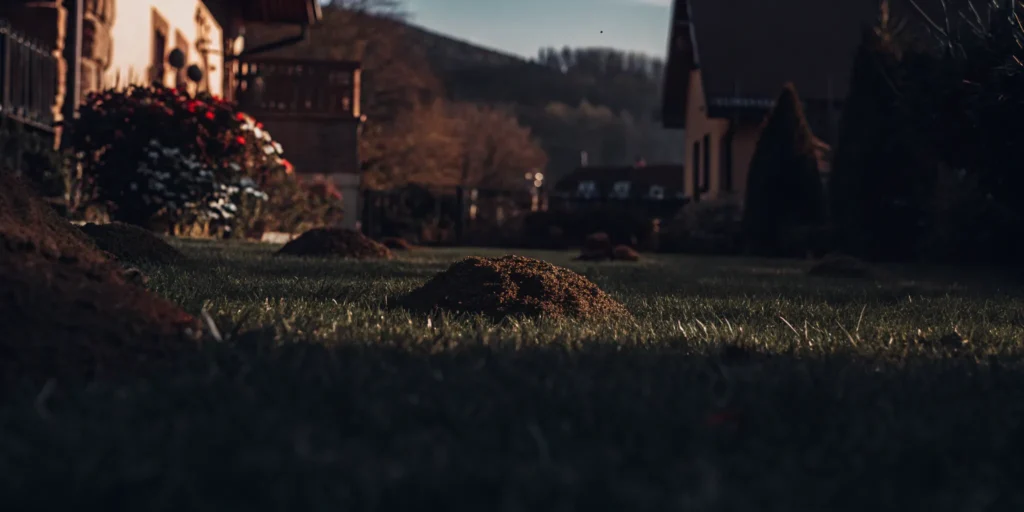
When your lawn is covered in dirt mounds, you don’t have time for trial and error. You need a solution that delivers results, period. The market is flooded with gopher traps that make big promises, but not all of them live up to the hype. Effectiveness comes down to smart design, powerful mechanics, and proper placement. This guide gets straight to the point. We’ll compare different trap styles and explain why some are consistently more successful than others. If you’re tired of gophers outsmarting your efforts, you’re in the right place. Let’s find the best gopher tunnel trap that actually gets the job done.
Key Takeaways
- Choose a Durable, Proven Trap: Your success starts with the right tool. Invest in a gopher trap made from galvanized steel that can withstand the elements, and choose a proven design like a choker loop for a consistently high catch rate.
- Place Traps in Main Runways, Not Mounds: Skip the fresh mounds and find the gopher’s main travel path, which is usually 6-12 inches deep. Setting two traps back-to-back in this high-traffic tunnel is the most effective way to ensure a catch.
- Be Patient, But Persistent: Small details make a big difference. Always wear gloves to avoid leaving your scent, cover the trap opening to block light, and check your traps daily. If you don’t see results within 48 hours, simply move the traps to a new active location.
What Makes a Gopher Trap Actually Work?
When you’re staring at a yard full of fresh gopher mounds, it’s easy to feel overwhelmed. The good news is that trapping is one of the most effective ways to solve the problem for good. But not all traps are created equal. The difference between reclaiming your lawn and ongoing frustration often comes down to the design, material, and safety of the trap you choose. A truly effective gopher trap is more than just a mechanism; it’s a well-designed tool that’s simple to set, built to last, and safe to use around your home.
Understanding what to look for will help you invest in a solution that works the first time. It’s about finding a trap that fits seamlessly into the gopher’s environment—their tunnel—while being easy for you to handle. A powerful spring, a sensitive trigger, and durable construction are the core components that turn a piece of metal into a gopher-catching machine. Before you buy, let’s break down the key features that separate the best gopher traps from the ones that just leave you digging more holes.
Key Features to Look For
The best gopher trap is one you can set confidently and correctly every single time. Ease of use is a huge factor here. You shouldn’t need a special set of tools or a complicated manual just to get your trap in the ground. Look for designs that are straightforward to insert into gopher tunnels. For example, some traps are specifically designed for easy placement, which is a critical first step. A trap that’s simple to set is also one you’re more likely to place correctly, which dramatically increases your chances of success. The goal is to find a tool that feels intuitive, allowing you to get the job done quickly and move on with your day.
Why Material and Durability Matter
A gopher trap works outdoors, buried in dirt and exposed to moisture, so its construction material is incredibly important. A flimsy trap can rust, bend, or break after just a few uses, making it a poor investment. Look for traps made from durable, weather-resistant materials like galvanized steel. These can withstand the elements and the force of a powerful spring for years. The trap’s design also contributes to its longevity and effectiveness. A narrow base, for instance, allows for easier insertion into tunnels and keeps the moving parts safely below the surface. Investing in well-made gopher traps means you’ll have a reliable tool ready to go whenever a new mound appears.
Keeping Kids and Pets Safe Around Traps
If you have children or pets, safety is naturally your top priority. The thought of placing traps in your yard can be nerve-wracking, but many modern designs are built with safety in mind. The most secure traps are those where the trigger and snapping mechanism are entirely underground and inside the gopher’s tunnel. This design minimizes the risk of accidental contact from above. Still, it’s always wise to take precautions to prevent curious kids and pets from accessing the area. You can cover the trap opening with a board or bucket to block access while still allowing the trap to function. Choosing a thoughtfully designed trap gives you peace of mind while you handle your gopher problem.
The 5 Best Gopher Tunnel Traps
When your beautifully manicured lawn starts looking more like a battlefield of dirt mounds, it’s easy to feel frustrated. Gophers are relentless, and the damage they cause can feel overwhelming. You need a solution that works, and fast. But with countless gopher traps on the market, all claiming to be the best, how do you choose one that will actually solve your problem instead of just adding to your collection of garage clutter? The truth is, not all traps are created equal. The best ones are effective, durable, and suited to your specific situation.
That’s why I’ve done the research for you. I’ve sorted through the options to find the most reliable and highly-regarded gopher tunnel traps available. This isn’t just a random list; it’s a curated selection of traps that have proven their worth for homeowners, gardeners, and even professional pest controllers. We’ll look at everything from classic, time-tested designs to modern traps built with safety and ease-of-use in mind. Whether you’re a first-timer looking for a simple setup or you’re dealing with a stubborn, large-scale infestation, you’ll find a trap on this list that fits your needs. Let’s get your yard back to being a peaceful retreat, not a gopher playground.
1. Cinch Gopher Trap
When it comes to pure effectiveness and American-made durability, the Cinch Gopher Trap is in a league of its own. These traps are handmade in Oregon from heavy-duty galvanized steel and are truly built to last—in fact, they come with a lifetime warranty. What makes them so consistently successful is their simple, powerful design that ensures a quick and humane kill. You only need to dig a small opening into the gopher’s tunnel, which means less work and less disruption to your lawn. For the best results, you’ll want to place two gopher traps facing opposite directions in the main tunnel. It’s a straightforward, reliable solution that professionals and homeowners have trusted for over a century.
2. Victor Easy Set Gopher Trap
If you have curious pets or little ones playing in the yard, safety is probably your top priority. The Victor Easy Set Gopher Trap is designed with this in mind. All of its moving parts are completely underground once set, which significantly reduces the risk of accidents above ground. This trap works without any harmful chemicals or poisons, offering a clean and responsible solution to your gopher problem. For the highest catch rate, it’s best to place two traps back-to-back inside an active gopher tunnel. Its weather-resistant build also makes it a durable option for protecting your yard season after season, giving you peace of mind in more ways than one.
3. Macabee Gopher Trap
The Macabee Gopher Trap is a classic and widely used tool in the fight against gophers, and for good reason. Its simple wire design has been trusted by gardeners and farmers for generations. This trap is known for its reliability and is typically set in pairs within the main gopher runway to catch the pest coming from either direction. Because it’s a powerful spring trap, you’ll need to be careful during setup and make sure the area is clear of children and pets once it’s in the ground. For many seasoned gardeners, the Macabee is a go-to choice due to its long-standing reputation for getting the job done effectively and affordably.
4. Wire Tek Easy Set Gopher Eliminator
For those who want a trap that’s incredibly simple to set, the Wire Tek Easy Set Gopher Eliminator is a fantastic option. As the name suggests, it’s designed for a straightforward, no-fuss setup that doesn’t require a lot of digging. You can place it directly into the gopher tunnel from above, which is a huge time-saver. It also includes a safety mechanism to prevent it from accidentally going off while you handle it. Made from durable, galvanized steel, this trap is built to withstand the elements and can be used repeatedly. Its ease of use makes it a great choice for beginners who are new to trapping gophers and want a stress-free experience.
5. Gophinator Cinch Trap
Sometimes you’re not just dealing with any gopher—you’re dealing with a large, wily one that seems to evade other traps. That’s where the Gophinator shines. This trap is specifically designed to be powerful enough to handle bigger, more mature gophers, ensuring a clean and humane kill every time. While it’s a robust trap, it’s still designed for easy setting, so you don’t have to wrestle with it. Its effectiveness against larger pests makes it a valuable tool, especially if you’ve found that smaller traps aren’t quite cutting it. If you’re facing a particularly stubborn gopher infestation, the Gophinator is a strong contender to have in your pest control arsenal.
How Different Gopher Trap Types Compare
Walking down the pest control aisle can feel overwhelming. With so many different gopher traps on the market, how do you know which one will actually solve your problem? The truth is, not all traps are created equal. The design of a trap directly impacts how easy it is to set and how effective it is at catching gophers. Some rely on powerful springs, others on sharp jaws, and some use a simple loop. Your success in reclaiming your lawn from these burrowing pests often comes down to picking the right mechanism for the job.
Before you spend your money and time, it’s helpful to know what you’re looking at. The last thing you want is a trap that’s complicated to set or, even worse, one that gophers easily avoid. The goal is to find a trap that works with the gopher’s natural behavior, not against it. Understanding the main types—spring-loaded, scissor-style, and choker loop—is the first step to choosing the right tool and finally getting your yard back. Let’s break down how they stack up against each other so you can make a confident choice and see real results.
Spring-Loaded vs. Scissor-Style Traps
Spring-loaded traps, often called plunger or spear traps, are designed for a quick and powerful strike. They use a strong spring mechanism that, when triggered, snaps down to dispatch the gopher instantly. Many people find them straightforward to set. On the other hand, you have scissor-style traps. These are also common, using two scissor-like jaws that clamp shut when a gopher pushes against a trigger plate between them. While popular, their success can be a bit hit-or-miss. Their effectiveness often depends on the gopher moving in just the right way, which doesn’t always happen, sometimes leading to a trap that’s sprung with nothing to show for it.
Understanding Choker Loop Traps
Choker loop traps work a little differently. Instead of jaws or spears, they use a wire loop or noose that tightens around the gopher as it passes through. This design is incredibly effective, but it relies on precise placement within the gopher’s tunnel. You need to set it directly in an active runway for it to work. The Cinch Trap is a perfect example of this type, and it’s known for its high success rate. When set correctly, it provides a quick, humane kill, making it a reliable choice for gardeners and homeowners who want a solution they can count on.
Effectiveness: Which Trap Type Wins?
So, which trap comes out on top? When you compare them based on pure effectiveness and reliability, choker loop traps like the Cinch Trap consistently stand out. While other traps can work, their designs can sometimes be less dependable. The simple, powerful mechanism of a cinch trap, which you can learn more about in our How It Works guide, removes a lot of the guesswork. Its high catch rate means you spend less time resetting empty traps and more time enjoying a gopher-free yard. For a dependable and efficient solution, the cinch trap design is tough to beat.
How to Choose the Right Gopher Trap for Your Yard
Picking the right gopher trap can feel like a big decision, but it really comes down to your specific situation. Are you a total beginner just noticing the first signs of gopher activity? Are you facing a full-blown invasion that’s turning your lawn into a lumpy mess? Or are you trying to solve the problem without spending a lot of money? The best trap for your neighbor might not be the best one for you.
Think about three things: your experience level, the size of your gopher problem, and your budget. A simple, safe-to-set trap is perfect if you’re new to this. If your yard is overrun, you’ll want the most effective, heavy-duty option you can find to get the situation under control fast. And if you’re watching your wallet, there are reliable traps that won’t break the bank. Let’s break down the best options for each scenario so you can choose with confidence and get your yard back.
The Best Option for Beginners
If you’re new to trapping gophers, you want a trap that’s straightforward and safe. The Victor Easy Set Gopher Trap is a fantastic starting point. It’s designed to be used without any chemicals or poisons, which gives you peace of mind, especially if you have kids or pets playing in the yard. Made from durable galvanized steel, it’s built to last. Its slim profile makes it easy to slide into a gopher tunnel, and all the moving parts stay safely underground. This trap takes the guesswork out of the process, making it an excellent choice for your first attempt at gopher control.
For Tackling a Major Infestation
When you’re past the point of a single mound and are dealing with a serious infestation, you need a trap with a proven track record. This is where the Cinch gopher trap shines. It’s known for having an extremely high catch rate, which is exactly what you need to make a real dent in a large gopher population. When you’re trying to reclaim your yard, you don’t have time for trial and error. Trapping is the most certain method of gopher control because you know for sure when you’ve caught one. For a big problem, you need the most effective tool for the job, and a Cinch trap is built for that kind of challenge.
The Most Budget-Friendly Choice
Dealing with gophers doesn’t have to be expensive. If you’re looking for an effective trap that’s also easy on your wallet, the Victor Easy Set Gopher Trap is a solid, budget-friendly pick. It’s a popular choice for homeowners because it works well without a hefty price tag. With tens of thousands of positive customer ratings, it has proven to be a reliable tool for managing gopher problems. This trap shows that you can get a durable, effective solution and still have money left over for your garden. It’s a practical option for anyone who needs to handle a few gophers without a big investment.
How to Find the Perfect Spot for Your Trap
Even the most effective gopher trap on the market won’t catch anything if it’s sitting in the wrong spot. The secret to success isn’t just about having a great trap—it’s about placing it right where the gopher is most active. Think of it like this: you want to set up your trap on the gopher’s main highway, not on a quiet side street it rarely uses. Finding that highway is easier than you might think. It just takes a little bit of detective work.
Before you even think about setting your trap, take a few minutes to survey your yard. You’re looking for the freshest signs of activity, which tell you where the gopher has been recently. Once you’ve pinpointed a promising area, you’ll need to confirm that the tunnel is still in use. Finally, you’ll want to make sure you’re placing your trap in a main runway, not a secondary feeding tunnel. Getting these three steps right will dramatically increase your chances of catching that pesky gopher on the very first try. It’s all about working smarter, not harder, to reclaim your lawn.
Look for Fresh Mounds and Signs of Activity
First things first, you need to find where the gophers are currently working. Look for fresh mounds of dirt. A fresh mound will have moist, dark soil, while older mounds will be dried out and may have weeds growing on them. Gopher mounds are typically crescent-shaped or fan-shaped, with a dirt plug on one side sealing the entrance. If you see a cluster of these fresh mounds, you’ve found an active territory. Gophers are solitary creatures, so one active system usually means one gopher. Since they can create several mounds a day, it’s best to place your gopher traps as soon as you spot new activity.
How to Test if a Tunnel is Active
Once you’ve found a fresh mound, your next step is to locate the tunnel and confirm it’s active. You don’t need any special equipment for this; a long screwdriver or a thin metal rod works perfectly. Start probing the ground about 4 to 12 inches away from the plugged side of the mound. Gently push the probe into the soil. When you find the tunnel, you’ll feel a sudden drop or give as the probe breaks through the surface. To double-check that the tunnel is active, you can open a small section of it and leave it. A gopher will almost always plug an open hole in their tunnel system within a day or two. If you come back and it’s sealed, you’ve found your spot.
Main Runways vs. Feeding Tunnels: Know the Difference
Gophers create a complex network of underground tunnels, but they aren’t all created equal. There are two main types: shallow feeding tunnels and deeper main runways. The main runways are the gopher’s primary travel routes, connecting their nest to their feeding areas. These are the ideal locations for your traps because the gopher is guaranteed to pass through them. Main runways are typically 6 to 12 inches below the surface. You can often find them by identifying two mounds that are roughly in a straight line and probing between them. Placing your trap in a main runway ensures it’s in a high-traffic area, making a successful catch much more likely.
How to Set a Gopher Trap, Step by Step
Setting a gopher trap is more about strategy than strength. Once you understand how gophers operate, placing a trap becomes a simple, straightforward process. The key is to find their main travel route and make your trap an unavoidable part of their commute. With a little practice, you’ll be able to set your traps quickly and confidently. Follow these four steps to get it right every time and reclaim your yard from these destructive pests.
Prepare the Tunnel Opening
First things first, you need to find the gopher’s main tunnel. Look for the freshest mound of dirt—it will be darker and moister than older ones. The main runway is typically located 6 to 12 inches away from this mound. You can use a long screwdriver or a dedicated gopher probe to poke the ground around the mound until you feel a sudden give. That drop means you’ve found the tunnel. Once located, use a small shovel or trowel to carefully dig an opening just large enough to fit your trap. Clear out any loose dirt from the tunnel in both directions to ensure a smooth path for the gopher.
Place the Trap for a Perfect Set
With the tunnel open, it’s time to place your trap. The goal is to position it so the gopher has no choice but to pass through it. For a Cinch Trap, you’ll want to set it and then carefully slide it into the tunnel opening. Make sure the trap is snug against the bottom of the tunnel and aligned with the runway. The simple, effective design of our gopher traps allows them to be placed easily without a lot of fuss. A proper set ensures the trigger mechanism is perfectly positioned for when the gopher comes through. You want the setup to feel like a natural part of the tunnel, not an obvious obstruction.
Use Two Traps Back-to-Back for Better Results
To significantly increase your odds of success, use two traps in each tunnel you open. Place one trap facing into the tunnel in one direction, and the second trap facing the opposite way. Gophers can travel from either direction in their main runways, and this back-to-back method ensures you’ll catch them no matter which way they’re headed. This is the technique the pros use because it’s so effective and cuts down on the time you have to wait for a catch. It’s a simple adjustment that makes a huge difference in your trapping success rate, essentially doubling your chances with minimal extra effort.
Cover and Conceal Your Trap Setup
This final step is crucial. Gophers are sensitive to light and air drafts, and they will often plug up any openings they find with dirt instead of passing through. To prevent this, you need to cover the hole you dug. You can use a clod of dirt, a piece of sod, a small board, or even a bucket to block all light from entering the tunnel. This makes the gopher feel secure, encouraging it to travel through its runway as usual and right into your trap. A well-concealed trap is a successful trap. For more detailed placement advice, you can review our How It Works guide.
Common Gopher Trapping Mistakes to Avoid
Even with the best trap on the market, a few simple mistakes can leave you feeling frustrated and your yard still full of mounds. Gopher trapping is part skill, part strategy, and a little bit of science. The good news is that once you know what not to do, your success rate will skyrocket. Most issues come down to location, placement, and timing. By avoiding these common errors, you can stop guessing and start trapping gophers effectively. If you run into any other issues, our FAQs page is a great resource for troubleshooting.
Choosing the Wrong Tunnel and Leaving Your Scent
The most common mistake is setting your trap in the wrong place. Those fresh mounds of dirt you see are connected to short, lateral tunnels, not the gopher’s main highway. You want to place your trap in the main runway, which is usually a bit deeper. You can find it by probing the ground with a long screwdriver about 4 to 12 inches away from the mound until you feel the ground give way. Another sneaky mistake is leaving your scent behind. Gophers are sensitive to smells and might avoid a trap that smells like you. Always wear gloves when handling and setting your gopher traps to keep them free of human scent.
Incorrect Placement and Bad Timing
Once you’ve found the main tunnel, how you place the trap is critical. A wobbly or poorly positioned trap can be easily pushed aside by a gopher. Make sure the trap is set securely on the tunnel floor. For the best results, you should place two traps back-to-back, with one facing each direction of the tunnel. This doubles your chances of a catch, no matter which way the gopher is traveling. As for timing, don’t play the waiting game for too long. If you haven’t caught anything within 48 hours, it’s time to move your traps to a new, more active location.
Forgetting to Check Your Traps Often Enough
A set-it-and-forget-it approach won’t work for gopher trapping. It’s essential to check your traps at least once a day. A gopher could spring the trap without getting caught, filling it with dirt and making it useless until you reset it. Checking frequently also lets you know if you’ve chosen a good spot. According to experts at the UC Statewide IPM Program, if you don’t catch a gopher in one or two days, you should move the trap. Consistent monitoring is the key to figuring out the gopher’s patterns and ensuring your trap is always ready for action.
Pro Tips for Trapping Success
Even with the best gopher trap in hand, your success comes down to technique. Little details like timing, placement, and patience can make all the difference between a yard full of mounds and a gopher-free garden. Think of these tips as the secret ingredient to getting the most out of your efforts. Trapping isn’t just about setting it and forgetting it; it’s about understanding gopher behavior and using it to your advantage.
By paying attention to the seasons, checking your traps regularly, and knowing when to change your strategy, you can solve your gopher problem much more efficiently. These are the same practices the pros use to get consistent results. We’ve designed our gopher traps to be as effective and straightforward as possible, and with these expert tips, you’ll be trapping like a seasoned professional in no time. Let’s get your yard back to being yours.
The Best Time of Year to Set Traps
Timing is everything. While you can trap gophers any time you see fresh mounds, you’ll have the most impact in early spring and fall. Gophers are most active during these milder seasons, digging new tunnels and searching for food. More importantly, trapping in the spring allows you to catch them before they have babies, which can prevent a small problem from turning into a full-blown infestation.
Start setting your traps as soon as you spot the first signs of new activity after winter. By being proactive, you can manage the gopher population before it has a chance to grow. A little effort in the spring can save you a lot of headaches throughout the rest of the year.
How Often Should You Check and Reset?
Once your traps are set, get into the habit of checking them every day or two. Consistent monitoring is key to successful trapping. If you catch a gopher, you’ll want to remove it promptly so you can reset the trap in another active tunnel. If a trap is sprung without a catch, it might have been blocked with dirt by a wary gopher, so you’ll need to clear it and set it again.
Leaving a trap unchecked for too long is a missed opportunity. Gophers can quickly abandon a tunnel, so you want to act while the area is still active. Using a flag or one of our marking accessories can help you easily locate your traps in the yard so you never lose track of them.
Know When to Move Your Traps to a New Spot
Patience is important, but you also need to know when to change your approach. If a trap hasn’t caught anything within 48 hours, it’s time to move it. A lack of activity doesn’t mean your trap isn’t working; it simply means the gopher isn’t using that part of the tunnel system at the moment. Don’t get discouraged—just pull the trap and find a new spot.
Look for the freshest mounds to identify a more promising location. Following the step-by-step process for finding a main runway will give you the best chance of success. Our How It Works guide is a great resource for finding the perfect spot every time you set or move a trap.
Where Can You Buy the Best Gopher Traps?
Once you know what you’re looking for in a gopher trap, the next step is figuring out where to buy one. You have a few great options, and the best choice really depends on your shopping style and what you need. Let’s walk through the most common places to find reliable traps so you can get your yard back.
Comparing Online Retailers
Shopping online offers convenience and a massive selection right at your fingertips. You can browse through different models from various brands, including popular options like the Victor Easy Set Gopher Trap, which is often made from galvanized steel and designed to work without poisons. When you’re comparing traps online, pay close attention to customer reviews and look for clear photos that show the trap’s construction. The key is to find a product made from strong, long-lasting materials that can withstand being buried in the dirt and reused season after season. A well-built trap is a better investment than a flimsy one you’ll have to replace.
Shopping at Local Hardware and Garden Stores
If you prefer to see a product before you buy it, your local hardware or garden store is an excellent place to look. Staff members are often gardeners themselves and can offer practical advice. Plus, you can physically hold the trap to feel its weight and sturdiness. Many local shops carry the most effective and trusted brands that have stood the test of time. For example, it’s common to find the Cinch gopher trap on their shelves, as it’s a go-to for its reliability and simple design. Buying locally means you can get started on your gopher problem the same day—no waiting for shipping.
The Benefits of Buying Directly from the Manufacturer
For the best quality and support, consider buying directly from the manufacturer. When you purchase from the source, you know you’re getting the genuine article, not a knock-off. This route gives you access to the latest models, direct customer service from the experts who know the product inside and out, and often, the best warranty. For instance, we handcraft our Cinch gopher traps in Oregon from tough, galvanized steel and back them with a lifetime warranty. Buying direct ensures you get a durable, American-made tool built to solve your gopher issues for good, along with any resources you need to use it effectively.
Related Articles
- Pocket Gopher Extermination: A Complete Guide
- General Overview of Gopher Trapping
- Trapping Gophers: Why It’s So Effective
Frequently Asked Questions
What should I do if I set a trap and don’t catch anything after a couple of days? Don’t get discouraged, as this is a common part of the process. It usually means the gopher isn’t using that specific tunnel at the moment. If you haven’t had any luck within 48 hours, it’s time to move your traps. Find the freshest, most recent mound in your yard and repeat the process of locating the main runway nearby. A simple change of location is often all it takes to get results.
Are these types of traps safe to use if I have a dog or young children? Yes, you can absolutely use tunnel traps safely, even with kids and pets around. The most secure designs, like the ones we’ve discussed, place the entire trapping mechanism underground and inside the gopher’s tunnel. This design greatly reduces any risk above ground. For extra peace of mind, you can cover the opening you dug with a piece of wood or a bucket to create a physical barrier that prevents curious paws or hands from reaching the area.
How can I be sure I have gophers and not moles? The easiest way to tell the difference is by looking at the dirt mounds. Gophers create crescent-shaped or fan-shaped mounds and leave a visible dirt plug on one side to seal their tunnel entrance. Moles, on the other hand, create mounds that are more conical and volcano-shaped, and they don’t leave a distinct plug on the side. Identifying the right pest ensures you’re using the right strategy.
Do I need to put any bait on my gopher trap? You don’t need to use any bait with tunnel traps like the Cinch trap. Their effectiveness comes from strategic placement, not from luring the animal in. The idea is to place the trap directly in the gopher’s main path, so when it travels through its runway as usual, it triggers the mechanism. It’s a simple and highly effective method that relies on the gopher’s natural behavior.
How many gopher traps do I really need to buy? For the best results, you should always use at least two traps at a time. Placing them back-to-back in a single tunnel system ensures you catch the gopher no matter which direction it’s coming from. If you have a large yard or are seeing mounds pop up in several different areas, having four to six traps on hand will allow you to address multiple tunnel systems at once and get the problem under control much faster.