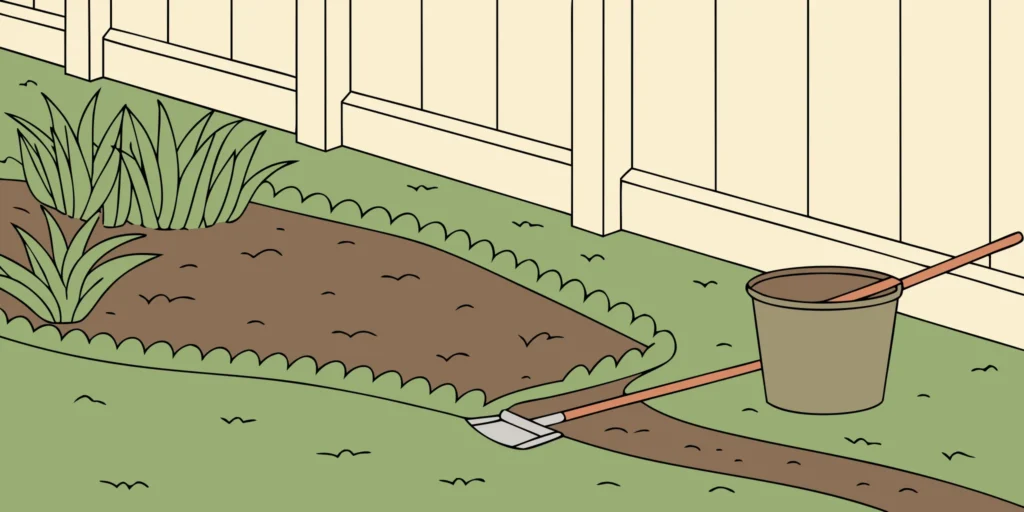
Seeing your garden or lawn get torn up by gophers can feel defeating. You’ve put so much work into your property, and now these little pests are threatening to ruin it. While your first instinct might be to look for a quick fix, the most effective approach is a strategic one. Success isn’t just about buying a trap; it’s about knowing how to use it correctly. From identifying active tunnels to proper placement, a few key techniques can make all the difference. Let’s explore the proven methods and compare the top-performing gopher traps in Eugene, Oregon, to give you a clear plan for reclaiming your yard.
Key Takeaways
- Master the right trapping technique: Your success depends on proper placement. Identify fresh mounds, find the main tunnel, and set two traps inside facing away from each other to catch gophers traveling in either direction.
- Invest in a quality trap built to last: Flimsy traps often fail in Oregon’s dense, wet soil. Choose a durable trap made from galvanized steel to ensure it functions reliably and saves you from buying replacements year after year.
- Trap safely and legally on your property: You don’t need a special permit for gophers on your own land in Oregon, but safety is crucial. Always cover your underground traps with a weighted bucket or crate to keep children and pets out of the area.
What Are the Most Effective Gopher Traps in Eugene?
When you see fresh mounds of dirt popping up across your lawn, you know it’s time to act. For homeowners in Eugene, trapping is the most reliable way to handle a gopher problem. But with a few different types of traps on the market, how do you choose the right one? The most effective trap is durable, easy to use, and suited for your specific situation. Let’s look at some of the top options so you can reclaim your yard.
Cinch Traps: Oregon-Made and Proven Effective
For a solution that’s both local and highly effective, Cinch Traps are a fantastic choice. Handmade in Oregon since 1909, these traps are built from galvanized steel to withstand our damp climate for years. Their design has been perfected over a century, making them a trusted name in gopher control. Because they are set inside the gopher’s tunnel, they work with the pest’s natural behavior, leading to consistent success. When you choose a Cinch gopher trap, you’re not just getting a durable tool; you’re supporting a local Oregon business that stands behind its products.
Other Common Trap Types
While Cinch Traps are a proven local favorite, it’s helpful to know about other designs. One popular alternative is the GopherHawk trap, a reusable model with a unique above-ground catch indicator. This yellow tube makes it simple to see from a distance when you’ve caught a gopher, which is a convenient feature for many homeowners. You can find a product demo to see exactly how it works. Other designs include classic box traps and different styles of scissor-jaw traps, each with its own method of placement and activation.
Box Traps vs. Tunnel Traps
Most gopher traps fall into two main categories: box traps and tunnel traps. Trapping is widely considered the most practical gopher control method, and your choice between these two styles often comes down to personal preference. Box traps are typically placed at the entrance of a tunnel and can be easier for beginners to set. Tunnel traps, like the Cinch Trap, are placed directly inside the gopher’s runway. This can be more effective because you’re intercepting the gopher in its path. A general overview of gopher trapping can help you decide which approach is best for your property.
How Do Gopher Traps Compare in Price and Features?
When you start shopping for a gopher trap, you’ll quickly notice there are a few different styles on the market, each with its own price and features. Making the right choice can feel a little overwhelming, but it really comes down to what works best for you and your yard. Think about your comfort level with setting traps, the scale of your gopher problem, and whether you’re looking for a quick fix or a durable, long-term solution. Some traps are designed for pure power, while others offer convenient features like indicators that tell you when you’ve made a catch. Price is also a factor, with options ranging from inexpensive, disposable models to heavy-duty traps built to last a lifetime.
To help you make an informed decision, we’re going to compare the most common types of gopher traps you’ll find in Eugene. We’ll look at how they work, what they’re made of, and which ones are the easiest to handle for the average homeowner. Understanding these key differences will help you select a trap that not only gets the job done effectively but also feels like the right fit for your property. From powerful scissor-jaws to user-friendly tunnel traps, there’s a perfect solution out there to help you reclaim your lawn.
Scissor-Jaw Traps
Scissor-jaw traps are a popular choice known for their powerful and effective design. As the name suggests, they use a spring-loaded, scissor-like mechanism to quickly and humanely dispatch gophers. Traps like the Gophinator are a good example of this style. They are typically placed inside the gopher tunnel and triggered when the gopher moves through, ensuring a clean catch. Many seasoned gardeners and professionals prefer this type of trap because of its straightforward, no-nonsense performance. While they can require a bit of strength to set, their reliability makes them a go-to for serious gopher problems.
Box Trap Sets
Box traps offer a different approach, enclosing the trapping mechanism within a box that is placed in the tunnel. One of the standout features of many box trap sets, like the GopherHawk, is an above-ground catch indicator. This small flag or marker pops up when the trap has been sprung, so you can see from a distance if you’ve caught a gopher. This saves you the trouble of digging up the trap just to check it. Most box traps are also reusable, making them a cost-effective option if you’re dealing with a persistent gopher population over time.
Compare Durability and Materials
When you’re investing in a tool, you want it to last. The durability of a gopher trap often comes down to the materials it’s made from. Many traps on the market are mass-produced, but some, like our Cinch Traps, are built with longevity in mind. Handmade in Oregon from heavy-duty galvanized steel, our traps are designed to withstand the elements and be used season after season. A well-built trap might have a higher upfront cost, but it saves you money in the long run by not having to replace it every year. It’s a reliable tool you can count on.
Which Traps Are Easiest to Use?
Ease of use is a huge factor, especially if you’re new to trapping. No one wants to struggle with a complicated or dangerous mechanism. We designed our traps to be set up in just four simple steps, making them accessible for everyone. The process is straightforward and explained clearly on our How It Works page. Regardless of which trap you choose, proper placement is key to your success. A common mistake is placing the trap incorrectly in the tunnel, which can prevent you from catching anything. Taking a moment to learn the right technique will make any trap more effective.
How to Use Gopher Traps for the Best Results
Having the right gopher trap is only half the battle. To get rid of these pests for good, you need a solid strategy. Trapping is widely considered the most effective and practical way to handle gophers, especially in yards and gardens. The key is knowing where to place your traps and how to set them up for success. By following a few straightforward steps, you can clear your property of gophers and get your lawn back. Let’s walk through the process from start to finish, so you can feel confident you’re doing it right.
Find Active Gopher Tunnels
First things first, you need to play detective. Placing a trap in an old, abandoned tunnel won’t get you anywhere. Look for fresh mounds of dirt, which are your biggest clue. Gopher mounds are distinct; they have a crescent or half-circle shape with a dirt plug on one side of the mound. This is different from mole mounds, which are circular and cone-shaped with a plug right in the middle. Once you’ve found a fresh mound, use a stick or a gopher probe to poke the ground around it. You’re looking for the main tunnel, which is usually four to twelve inches deep. The probe will “give” when you find the hollow tunnel.
Set Your Traps Correctly
Once you’ve located an active tunnel, it’s time to set your traps. For the best results, you’ll want to place two gopher traps inside the main tunnel, one facing each direction. This doubles your chances of catching the gopher, no matter which way it’s traveling. Carefully dig a hole just large enough to place the traps, disturbing the tunnel as little as possible. Make sure the traps are set according to the manufacturer’s instructions. Cinch Traps are designed to be set in a few simple steps, making the process quick and efficient. After setting them, cover the hole with a piece of sod or a board to block all light from entering the tunnel.
Keep Kids and Pets Safe
Safety is a top priority, especially if you have curious kids or pets running around the yard. After you set your traps and cover the opening, add an extra layer of protection. A great way to do this is by placing a 5-gallon bucket, a milk crate, or a steel grate over the trap area. This creates a physical barrier that prevents pets and children from accidentally accessing the traps. To make sure your cover stays put, place a heavy rock or brick on top of it. This simple step gives you peace of mind while your traps get to work.
Check and Relocate Traps as Needed
Gopher trapping requires a little patience and persistence. You’ll want to check your traps daily. If you haven’t caught a gopher within a day or two, it’s a sign that the tunnel might not be active anymore. Don’t get discouraged; simply pull the traps and move them to a different location with fresh mounds. Keep setting traps and checking them regularly until no new gopher mounds appear in your yard. Once the activity stops, you can confidently say your gopher problem is solved.
How to Choose the Right Gopher Trap for Your Property
Picking a gopher trap isn’t a one-size-fits-all situation. The best trap for your neighbor might not be the best one for you. Your property’s specific conditions, from the size of your yard to the type of soil, play a huge role in what will work. To make the right choice, you need to think like a detective and assess the scene. Considering a few key factors will help you select a trap that gets the job done efficiently and safely, so you can get back to enjoying your yard.
Consider Your Yard Size and Infestation Level
The first step is to take stock of your gopher problem. Are you dealing with a single mound in your flower bed or an entire network of tunnels across your lawn? For a small, contained issue, one or two well-placed traps might be enough. However, for larger properties or a severe infestation, you’ll need a more robust strategy. This usually means setting multiple gopher traps at once to manage the population effectively. Think of it as an investment; the more widespread the problem, the more tools you’ll need in your arsenal to reclaim your yard from these destructive pests.
Factor in Eugene’s Unique Soil Type
Living in Eugene means we get to enjoy the beautiful Willamette Valley, but so do the gophers. Our mild weather and rich soil are a paradise for them, allowing them to create complex, deep tunnel systems. This is why a flimsy trap just won’t cut it here. You need a trap built from strong, durable materials that can withstand our soil conditions and trigger effectively underground. A well-made steel trap is designed to function reliably in the dense, moist earth common to our area, ensuring it won’t fail when you need it most. This durability is key for anyone dealing with gophers in Oregon.
Prioritize Safety for Pets and Children
If you have kids or pets running around, safety is your top priority. The good news is that you can trap gophers effectively without putting your loved ones at risk. When you set a trap, always make sure to cover it securely. You can use an old milk crate, a steel grate, or a five-gallon bucket with the bottom cut out. Just place it over the trap and weigh it down with a heavy rock or brick. This simple step creates a protective barrier that keeps curious paws and little hands away from the mechanism. For more tips, you can always review safety guidelines before you begin.
Identify Local Gopher Species and Tunnel Size
Before you can catch a gopher, you need to be sure that’s what you’re dealing with. Look for their signature mounds: they are typically crescent or horseshoe-shaped with a dirt plug on one side. Once you’ve confirmed you have gophers, the next step is crucial for success: measuring their tunnel. The most effective traps are designed to fit snugly within the gopher’s main runway. To find it, gently probe the ground near a fresh mound with a stick or screwdriver until you feel a soft spot. Dig open a small section and measure the tunnel’s width. This measurement will tell you exactly which size trap you need to set up correctly.
Understand Oregon’s Gopher Trapping Laws
Before you set your first trap, it’s a good idea to get familiar with Oregon’s local regulations. While the rules for gophers are pretty straightforward, knowing them helps you handle your pest problem responsibly and effectively. It’s not about getting tangled in complicated legal documents; it’s simply about being a good steward of your property and the local wildlife.
Following the rules ensures you’re trapping correctly and ethically. Plus, it gives you peace of mind knowing you’re doing everything by the book. From state classifications to trap identification and humane practices, here’s a clear breakdown of what you need to know to trap gophers legally in Eugene and across Oregon.
Know the State Regulations
The good news for Oregon residents is that the state makes gopher control relatively simple. Gophers are classified as “unprotected mammals,” which means they aren’t covered by the same strict rules that apply to furbearing animals. This classification gives you more flexibility in managing them on your property.
You don’t need a special license or permit to trap gophers that are causing damage to your land. This allows you to take action as soon as you spot the first signs of an infestation. For anyone wanting to read the official guidelines, the Oregon Department of Fish and Wildlife provides detailed furbearer trapping regulations, which clarify the status of unprotected species like gophers.
Mark Your Traps Properly
According to state law, all traps set for unprotected mammals must be marked with the owner’s license number from the Oregon Department of Fish and Wildlife. However, there’s a key exception for homeowners and landowners. If you are setting traps on property you lawfully own, you or your immediate family members do not need to mark your traps.
This exception makes it much easier for you to protect your own garden or yard without extra steps. For professional trappers or those using traps on land they don’t own, proper marking is essential for accountability and helps ensure everyone is following responsible trapping practices.
Follow Humane Trapping Standards
Even though gophers are unprotected, it’s important to approach trapping with a commitment to humane practices. The goal is always to resolve the pest issue as quickly and ethically as possible, minimizing any potential suffering. Using a high-quality, effective trap like a Cinch Trap is a key part of this, as they are designed for a swift and clean kill.
Oregon’s regulations for protected animals require special permits, which underscores the state’s focus on ethical wildlife management. Applying that same mindset to gopher trapping is the right thing to do. Adhering to humane trapping standards ensures you’re being a responsible property owner.
Protect Non-Target Wildlife
When setting any kind of trap, it’s crucial to think about the other animals that share your space. The best way to avoid harming non-target wildlife or curious pets is to place your traps correctly. Gopher traps should always be set underground, directly inside an active tunnel. This placement naturally minimizes the risk of catching anything other than your intended target.
Always cover the opening of the tunnel after setting the trap to block light and prevent other animals from accessing it. This not only protects other wildlife but also makes the trap more effective, as gophers will move toward the covered opening to seal the light leak. Proper placement is the key to safe, targeted, and successful trapping.
Should You Hire a Professional Gopher Removal Service?
Deciding whether to tackle a gopher problem yourself or call in a professional is a common crossroads for homeowners. While setting your own traps can be incredibly effective and rewarding, sometimes the scale of an infestation or a lack of time makes hiring an expert the better choice. There’s no single right answer, but weighing a few key factors can help you make the best decision for your property and peace of mind.
Think about the size of your yard and the number of mounds you’re seeing. A few gophers in a small garden can often be managed with a DIY approach. However, if your entire property is covered in mounds, a professional might be able to get the situation under control more quickly. Consider your own comfort level and available time, too. If you’re ready to learn a new skill and see the results of your work, trapping can be a great project. If you’d rather hand the task over to someone with years of experience, that’s a perfectly valid option. Let’s walk through the pros and cons to help you choose your path.
DIY vs. Hiring a Pro: When to Make the Call
Handling gopher removal yourself gives you complete control and can be very cost-effective. The primary expense is purchasing quality traps, which can be used for years. For small properties or moderate infestations, trapping is widely considered the most practical and effective solution. There’s also a real sense of satisfaction in solving your own pest problem. With a little guidance on how it works, you can learn to identify active tunnels and set traps like a pro.
On the other hand, hiring a professional saves you time and effort. If you’re dealing with a large, stubborn infestation or simply don’t have the time to monitor traps, an expert can be a lifesaver. Professionals have the experience to assess the extent of the problem quickly and implement a comprehensive plan.
An Overview of Local Eugene Services
If you decide to hire a pro, Eugene and the surrounding Willamette Valley have several experienced pest control companies. Local experts are familiar with our specific soil conditions and gopher behaviors, which can be a major advantage. For example, services like Gopher Patrol Oregon specialize in removing gophers and moles throughout the region.
When researching companies, look for ones that are licensed, insured, and have positive customer reviews. Don’t hesitate to ask about their methods. Many professionals rely on trapping because it is a targeted and effective approach. A good company will be transparent about their process and what you can expect from their service.
Compare the Costs: DIY vs. Professional
Cost is often a deciding factor. With a DIY approach, your main cost is the initial investment in high-quality, reusable gopher traps. A few durable, well-made traps can last a lifetime, making this a very economical long-term solution. You’re paying for the tools, not for someone’s time.
Professional gopher removal costs can vary quite a bit. Prices are typically based on the size of your property, the severity of the infestation, and the company’s service model. Some charge a flat fee for an initial visit and setup, while others may offer monthly or quarterly service plans. While the upfront cost is higher than buying your own traps, it can be worth it for large-scale problems where you might otherwise need to buy a dozen traps or more.
What to Expect When You Hire a Pro
When you hire a professional, the process usually starts with a thorough inspection of your property. An expert will identify active tunnels, assess the size of the gopher population, and create a removal strategy. They will handle the entire process, from setting the traps to disposing of the captured gophers.
Many professional services use trapping as their primary removal method because it is so reliable. They have the experience to place traps in the most strategic locations for quick results. Additionally, a professional service may offer a guarantee or provide follow-up visits to ensure the problem is fully resolved. This can provide valuable peace of mind, especially if you’re dealing with a persistent infestation that seems to return year after year.
Where Can You Buy Gopher Traps in Eugene?
Once you’ve decided which type of trap is right for your yard, the next step is finding where to buy it. Gopher traps are readily available both in local Eugene stores and through online retailers, giving you plenty of options. Your choice will likely come down to whether you prioritize convenience and seeing the product in person or prefer a wider selection and the ease of home delivery. Let’s walk through where you can find the tools you need to reclaim your lawn.
Local Hardware and Garden Stores
If you need a gopher trap right away, heading to a local store is your best bet. You get to see the trap firsthand, feel its construction, and ask staff any questions you might have. For Eugene residents, a great place to start is Jerry’s Home Improvement Center, which stocks a variety of animal traps to handle different pest problems. Popping into a local hardware or garden supply store means you can have a trap set in your yard the very same day, which is a huge plus when you’re eager to solve your gopher issue quickly.
Online Retailers and Specialty Shops
Shopping online opens up a much larger world of specialty traps that you might not find on local shelves. Websites like Wildlife Control Supplies offer a deep inventory of gopher traps, from Gophinator to Macabee models, allowing you to find a very specific tool for your situation. Best of all, you can support a local Oregon business by ordering directly from us. Our Cinch Traps are handmade from durable galvanized steel and designed for incredible effectiveness and ease of use. We ship our traps right from our workshop, bringing a proven, Oregon-made solution straight to your door.
Compare Local vs. Online Pricing
When you’re comparing prices, it’s helpful to think about the total value, not just the sticker price. The upfront cost of a trap is only one piece of the puzzle. As experts at Wise Gopher Removal note, the overall cost for gopher removal can depend on the size of your property and how serious the infestation is. A cheaper, less effective trap might seem like a good deal, but it could cost you more in the long run if it fails to solve the problem. Research also shows that factors influencing capture rates, like trap type, can make a big difference. Investing in a durable, well-made trap is often the more economical choice.
How to Maintain Your Gopher Traps
Investing in a quality gopher trap is the first step, but a little maintenance will ensure it works effectively for years to come. Think of it like any other tool in your garden shed; proper care keeps it in top condition, ready to perform when you need it. A well-maintained trap is more effective, safer to handle, and lasts significantly longer, saving you money and frustration down the road. Since the best traps are built from durable materials, you won’t need to do much, but these simple habits will protect your investment and keep your yard gopher-free.
Clean and Store Your Traps Correctly
After you’ve successfully caught a gopher, take a few minutes to clean the trap. Use a hose to spray off any dirt or debris, paying close attention to the moving parts. Because we get so much rain here in Oregon, it’s crucial to dry the metal completely to prevent rust from forming. Once it’s dry, apply a lubricant like Cinch Maintenance Spray to the spring and joint. This keeps the trigger mechanism sensitive and powerful. When you’re done for the season, store your gopher traps in a dry, safe place like a garage or shed to protect them from the elements and keep them out of reach of children and pets.
Understand Durability and Replacement Parts
When you choose a trap, you’re choosing a long-term solution. Cinch Traps, for example, are handmade right here in Oregon from galvanized steel, so they’re designed to withstand years of use in our local soil conditions. Unlike flimsy alternatives that might break after a single season, a durable trap is a one-time purchase. It’s also a good idea to see if the manufacturer offers a warranty or replacement accessories, which is a great indicator of a quality product. A company that stands behind its traps with a lifetime warranty believes in its craftsmanship and is there to support you if a part ever wears out.
Get the Most Out of Your Investment
Proper maintenance is key to getting the best results. A clean, lubricated trap functions exactly as designed, with a sensitive trigger and a quick, humane closing action. A trap that’s rusty or clogged with dirt might fail to spring, allowing a gopher to escape and making your efforts less effective. By keeping your traps in excellent working order, you ensure a high success rate every time you set them. Following the correct setup process is just as important as maintenance, so be sure you understand how it works to get the most out of your traps and resolve your gopher problem efficiently.
Related Articles
- Pocket Gopher Extermination: A Complete Guide
- 4 Best Gopher Trap Setters for Easy Trapping
- Gopher Trap | Cinch Traps | The Best Mole & Gopher TrapHoliday Banner
- Buy Gopher Traps in Denver: The Ultimate Guide
Frequently Asked Questions
How can I be sure I have gophers and not moles? The easiest way to tell is by looking at the dirt mounds. Gophers create crescent-shaped or horseshoe-shaped mounds and plug the tunnel entrance off to one side. Moles, on the other hand, leave behind circular, volcano-shaped mounds with the plug right in the center. Identifying the correct pest is the first step to solving the problem, since they require different trapping strategies.
I set my traps but haven’t caught anything. What am I doing wrong? This is a common issue, and it usually comes down to location. The most likely reason is that the trap is in an old, inactive tunnel. Always look for the freshest mounds of dirt to find an active runway. Another possibility is that too much light is getting into the tunnel, so make sure you cover your opening completely with a board or sod. Finally, gophers have a strong sense of smell, so wearing gloves when you handle the trap can help prevent transferring your scent to it.
How many gopher traps do I actually need for my yard? For a typical suburban yard with a few active mounds, starting with two traps is a great strategy. You can place them in a single tunnel, with one facing each direction, to double your chances of a catch. If you have a larger property or separate areas of gopher activity, like a front and back yard, you may want to have two to four pairs of traps so you can address multiple tunnels at once.
What should I do with the gopher after I’ve caught it? Once you’ve caught a gopher, you can dispose of it in your regular trash. It’s a good idea to place it in a bag first. If you prefer, you can also bury it in an unused part of your yard. Always wear gloves when handling the trap and the animal for safety and sanitation.
Why is trapping better than using poisons or repellents? Trapping is the most direct and reliable method for gopher control. When you trap a gopher, you know for certain that you have removed the animal causing the damage. Poisons can be risky for pets, children, and other local wildlife that might come into contact with them. Repellents, like sonic spikes or castor oil, are often ineffective and may only cause the gophers to move to a different part of your property instead of leaving it entirely.