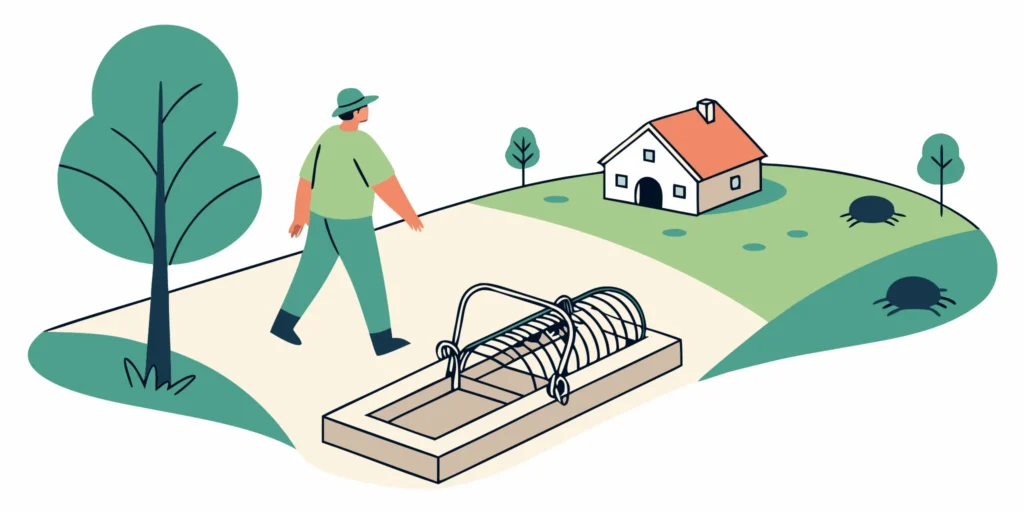
When you see those fresh mounds of dirt popping up across your lawn, the first reaction is usually frustration, followed by the question, “What now?” A quick search reveals a dizzying array of options: scissor traps, electronic zappers, sonic spikes, and more. It’s easy to feel overwhelmed, wondering which one actually works and which is just a gimmick. The truth is, the success of your entire effort hinges on this first decision. Before you buy gopher trap models that are overly complicated or ineffective, it’s crucial to understand the fundamentals of a proven design. This guide will walk you through the different types of traps, what to look for in a quality tool, and how to choose a reliable solution that will protect your yard for years to come.
Key Takeaways
- Focus on proven trap designs: Your success depends on the right tool, so look for traps with a time-tested mechanism, durable materials like galvanized steel, and a lifetime warranty. These features signal a reliable solution that works better than gimmicky repellents.
- Proper placement is everything: A good trap is only effective if it’s in the right spot. Learn to identify fresh, active tunnels and set your trap directly in the gopher’s main path, as this technique is the key to a quick catch.
- Invest in a trap that lasts: Think of a quality gopher trap as a permanent solution, not a one-time fix. Choosing a durable, well-built tool saves you from the long-term costs and frustrations of replacing flimsy traps or trying other ineffective pest control methods.
What Are the Main Types of Gopher Traps?
When you start shopping for a solution to your gopher problem, you’ll quickly find there are several types of traps on the market. Understanding the basic categories will help you cut through the noise and figure out which design is right for your yard. Most gopher traps fall into one of four main categories, each with a different mechanism for catching these destructive pests. While some are time-tested and reliable, others are newer to the scene. Let’s walk through the most common options you’ll encounter so you can make an informed choice.
Spring-Loaded Traps
Spring-loaded traps are a classic and highly effective design. They work by using a powerful spring that triggers when a gopher moves through its tunnel and pushes on a trigger plate or wire. This action swiftly and humanely dispatches the pest. These traps are often praised for their straightforward design and high success rate when set correctly. Because they are placed directly in the gopher’s active runway, they rely on the gopher’s natural behavior for success. Many of the most reliable gopher traps available today use this proven spring-loaded mechanism, making them a top choice for gardeners and professionals alike.
Scissor-Style Traps
As the name suggests, scissor-style traps use two pincer-like jaws that snap shut when a gopher passes through them. These traps are set inside the tunnel and are triggered when the gopher pushes dirt against a pan in the middle of the trap. They are another popular mechanical option known for their reliability. Like other in-tunnel traps, their effectiveness depends heavily on finding an active tunnel and placing the trap correctly. While they can be effective, some users find them a bit more complicated to set compared to other designs, as you need to ensure the scissor mechanism has enough room to operate freely within the tunnel.
Electronic Traps
A more modern approach to gopher control, electronic traps are designed to deliver a quick, high-voltage shock to kill the pest. These traps are typically baited and placed near a tunnel opening. When the gopher enters the trap to get the bait, it completes an electrical circuit and is instantly killed. While they are often marketed as a humane, no-mess solution, they come with their own set of challenges. They require batteries, which need to be checked and replaced, and their performance can be affected by moisture in the tunnel. They also tend to be more expensive than traditional mechanical traps.
Tunnel Traps
This category describes traps based on where they are placed rather than their specific mechanism. Tunnel traps are any type of trap, including spring-loaded and scissor-style, that is set directly inside the gopher’s burrow. This is widely considered the most effective trapping strategy because it intercepts gophers in their natural environment. Instead of trying to lure a gopher out of its hole, you place the trap in its path. The key to success with tunnel traps is proper placement. You need to identify an active tunnel and set the trap so the gopher has no choice but to pass through it, which is a core part of the Cinch Traps trapping method.
What to Look for in a Gopher Trap
When you’ve got gopher mounds popping up all over your lawn, the last thing you want is a trap that doesn’t work. To make sure you’re investing in a real solution, not just another garden gadget, there are a few key things to look for. A great gopher trap should be effective, easy to handle, built to last, safe for your family, and tough enough to handle the outdoors. Let’s walk through what each of these means for you and your yard.
A High Success Rate
Your main goal is to catch the gopher, so a trap’s success rate is the most important feature. Don’t just fall for flashy packaging or big promises. Look for traps with a design that has stood the test of time and is backed by real results. Some of the most reliable traps have been put to the test in university studies and consistently come out on top. A proven track record means you can set your trap with confidence, knowing it has a high probability of working quickly. This saves you from the frustrating cycle of checking an empty trap day after day.
Simple Setup and Use
Let’s be honest, nobody wants to wrestle with a complicated piece of equipment. The best gopher trap is one you can set up easily and safely. Look for a straightforward design that doesn’t require a ton of force or a toolbox full of special gadgets. You should be able to understand the steps for setting it just by looking at it or after a quick read of the instructions. An intuitive trap is one you’ll actually use, making it much more effective than a complex one that sits in the garage. Simplicity means you can get your gopher problem under control without any added stress.
Durable, Long-Lasting Materials
A gopher trap works outdoors, so it needs to be tough. Flimsy traps can bend, break, or rust, quickly becoming useless. I always recommend looking for traps made from high-quality, durable materials like galvanized steel. This ensures your trap won’t corrode in damp soil and can withstand being triggered over and over again. A well-built trap is a smart investment that will last for years, if not a lifetime. When you buy a quality gopher trap, you’re buying a permanent solution you can rely on whenever a new pest shows up.
Safety for Pets and Family
If you have kids or pets running around the yard, safety is a top priority. The good news is that many of the most effective gopher traps are designed to be placed underground, directly in the gopher’s tunnel. This keeps the working parts of the trap safely out of reach of curious paws and little hands. When choosing a trap, consider how it’s placed and whether it minimizes risks above ground. Always mark the location where you’ve set a trap so you don’t forget it’s there. A safe design gives you peace of mind while it gets the job done.
Weather-Resistant Construction
Your yard goes through all sorts of weather, and your gopher trap should be able to handle it all. A trap with weather-resistant construction will continue to function perfectly whether the ground is dry or soaked from a recent downpour. Materials that resist rust and corrosion are essential, as they prevent the mechanism from sticking or failing. This means you can set your trap and not worry about it becoming ineffective after a little rain. A durable, weather-proof trap is a reliable tool that will be ready to work whenever you need it, season after season.
How to Choose a Trustworthy Gopher Trap
When you’re dealing with a gopher problem, the last thing you want is a flimsy trap that doesn’t work. Choosing a trustworthy trap means investing in a solution that’s effective, durable, and easy to use. It’s about finding a product you can rely on to get the job done right the first time. Instead of getting swayed by flashy packaging or gimmicky claims, focus on a few key indicators of quality. These markers will help you separate the dependable tools from the duds and find a trap that will protect your yard for years to come.
Look for a Proven, Time-Tested Design
Some designs have been around for a reason: they work. When you’re choosing a gopher trap, look for one with a long history of success. A time-tested mechanism has been refined over decades, proving its effectiveness in countless yards and fields. Traps with a proven track record are often more reliable and lead to faster results than newer, unverified designs. For example, Cinch Traps have been trusted since 1909, built on a design that has consistently proven its worth. A trap with that kind of history isn’t just a tool; it’s a perfected solution for gopher control.
Prioritize American-Made Quality
The quality of your gopher trap comes down to its materials and construction. A trap is an outdoor tool that needs to withstand dirt, moisture, and repeated use, so durability is non-negotiable. Traps made in the USA are often built to a higher standard, using robust materials like galvanized steel that resist rust and corrosion. Cinch Traps, for instance, are handmade in Oregon, ensuring every weld and spring meets strict quality controls. Investing in an American-made trap means you’re getting a product designed for longevity and consistent performance, not a disposable gadget you’ll have to replace next season.
Check for a Lifetime Warranty
A manufacturer’s warranty tells you a lot about their confidence in their own product. A trap that comes with a lifetime warranty is a clear sign that it was built to last. This kind of guarantee provides peace of mind, assuring you that the company stands behind its craftsmanship. If a manufacturer is willing to replace a trap years down the line, you can bet it’s been engineered to handle tough conditions. Before you buy, check the company’s FAQs or product details for warranty information. It’s one of the best indicators of a high-quality, reliable tool.
Read Reviews and University Studies
Real-world results speak volumes. Before settling on a trap, take a few minutes to see what other people are saying. Customer reviews offer honest insights into how a trap performs in different situations, highlighting its strengths and any potential weaknesses. Beyond personal testimonials, look for products backed by objective research. Some of the most reliable traps have been put to the test in university studies to verify their effectiveness. Finding a trap with consistently positive reviews and academic backing is a great way to ensure you’re making a smart, informed decision.
Understanding Gopher Trap Costs
When you’re ready to reclaim your yard from gophers, cost is definitely a factor. But it’s helpful to think of a good trap as an investment rather than just a purchase. A cheap trap that fails to catch anything or breaks after one season isn’t a bargain. The real value comes from a durable, effective trap that solves your problem for years to come. Let’s break down what you can expect to spend and how to find a trap that gives you the best return on your investment.
Typical Price Ranges
Gopher trap prices can vary quite a bit, depending on the design, materials, and brand. You can find some basic models for as little as $7, while more complex trapping kits can cost over $40. This wide range often reflects the quality of construction. Less expensive traps might be made from thinner metal that can bend or rust, while premium traps are built with sturdier, weather-resistant materials. When you’re comparing prices, consider the long-term cost. A well-made, galvanized steel trap might cost more upfront but will save you money over time since you won’t need to replace it. Our gopher traps are designed to last a lifetime, making them a one-time purchase.
Where to Buy Your Trap
You have plenty of options when it comes to buying a gopher trap. Large online retailers like Amazon offer a huge selection, and specialty sites for wildlife control also carry various models. While these places are convenient, buying directly from a manufacturer’s website has its perks. When you purchase from a company that specializes in traps, you can be sure you’re getting an authentic, high-quality product. You also get direct access to customer support from people who know the product inside and out. This can be incredibly helpful if you have questions about setup or strategy.
How to Find a Good Deal
Everyone loves a good deal, and there are a few ways to save money on your gopher trap. Keep an eye out for online coupons or seasonal sales from big retailers. Some brands also offer bundles that can lower the overall cost. For example, we offer free shipping on accessories and apparel when you purchase a trap, which helps you get fully equipped without extra fees. Ultimately, the best deal is a trap that works consistently. A reliable, long-lasting trap saves you from spending more on replacements or other pest control methods down the road. Investing in a proven design is the smartest way to protect both your yard and your wallet.
How to Set Your Gopher Trap for Success
A great trap is only half the battle. Knowing how to set it correctly is what truly brings results, and it’s easier than you might think. The whole idea is to place the trap directly in the gopher’s path so it triggers the mechanism naturally as it goes about its business. This approach is much more effective than relying on bait alone or placing a trap randomly near a mound. It might take a little practice to find the main tunnels and get a feel for the right placement, but once you do, you’ll be able to set your traps with confidence and see a real difference in your yard. Think of it like this: you’re not just setting a trap, you’re learning a skill that will protect your garden, lawn, or farm for years to come. With a durable, reliable trap and the right technique, you can handle gopher problems efficiently. Let’s walk through the three key steps to setting your gopher trap for success: finding the right spot, placing the trap correctly, and deciding on a baiting strategy.
Find an Active Gopher Tunnel
First things first, you need to find where the gophers are currently active. Look for fresh mounds of dirt with a visible plug on one side; this is a sign of recent activity. Older mounds will look flattened and dried out. Once you’ve found a fresh mound, you’ll need to locate the main tunnel. These are usually just below the surface, running between two mounds. You can use a small trowel or a probe to carefully dig around the mound until you find the main runway. The goal is to find the primary tunnel so you can set the trap right in the gopher’s path for the best results.
Place Your Trap Correctly
Once you’ve opened up the main tunnel, it’s time to place your trap. The opening should be just wide enough for the trap to fit snugly inside. This prevents the gopher from simply pushing dirt around it. When setting one of our gopher traps, make sure the jaws are pointed away from you and the trip plate is facing you. Gently slide the trap into the tunnel until it’s secure. For extra security, you can attach a stake or wire to the trap and anchor it outside the hole. This makes it easy to retrieve your trap and prevents a scavenger from running off with it.
Use the Right Baiting Strategy
One of the best things about Cinch Traps is that they are designed to work without any bait at all. Their placement within the tunnel is what triggers the catch. However, some people prefer to use bait as an extra lure. If you decide to use bait, you don’t need anything fancy. A simple mix of peanut butter and mashed carrots can be very effective. Just apply a small amount to the trip plate. Whether you use bait or not, the most important thing is placing the trap correctly in an active tunnel. You can find more tips and answers to common questions on our FAQs page.
What to Expect After Setting Your Trap
You’ve found an active tunnel, followed the instructions, and carefully placed your trap. So, what happens next? This part is a mix of patience and observation. While it’s tempting to check the trap every five minutes, it’s better to give it some time to work. An effective trap placed in a busy gopher runway can produce results very quickly, but sometimes the gophers need a little time to come across it.
Knowing what to look for can make all the difference between feeling frustrated and feeling confident in your strategy. Let’s walk through how long it usually takes to see action, how to know when you’ve made a catch, and what to do if things are quiet. We’ll also cover a few simple tips to keep your trap in perfect working order for years of use.
How Long Does It Take to Work?
This is the question everyone asks, and the answer is often, “faster than you think.” Many people catch a gopher within just a few hours of setting a trap. The key is placing it correctly in a main tunnel that the gopher uses as a highway. If you’ve found a primary runway, the gopher is likely to travel through it again soon.
However, don’t get discouraged if you don’t see immediate results. It’s best to give the trap at least 24 to 48 hours before assuming it’s in the wrong spot. A successful outcome relies heavily on a proper trap placement, so making sure you’ve done that part right is the most important step for a quick catch.
Know the Signs of a Successful Catch
You won’t have to guess whether you’ve caught a gopher. With Cinch Traps, the bright yellow handles give you a clear visual signal from a distance. When the trap is set, the handles are spread apart. Once a gopher springs it, the handles will be pulled tightly together. This simple mechanism means you can check your traps with a quick glance across the yard without needing to dig anything up.
This clear indicator makes it easy to manage multiple traps and see your progress. Consistent success is what clears a yard for good. As one long-time user noted, “I’ve used six Cinch traps to kill 150 gophers in six years.” When you have effective gopher traps, you can achieve those kinds of results, too.
Decide When to Move Your Trap
Patience is important, but you don’t want to leave a trap in an unproductive spot forever. A good rule of thumb is to wait 48 hours. If the trap hasn’t been sprung by then, it’s time to move it to a new location.
Sometimes, a clever gopher might plug the tunnel with dirt to block the trap. If you see this, don’t give up on the location just yet. As gopher trapping expert Greg Alder recommends, “just open it up again and reset the trap.” If the gopher continues to plug it, find a fresher mound and try a different tunnel. You can find more troubleshooting advice if you get stuck.
Keep Your Trap in Top Shape
A well-maintained trap is a successful trap. First and foremost, always handle your traps safely. Wearing a pair of thick gloves is a great habit to get into. It protects your hands and helps minimize transferring your scent onto the steel. After a catch, clear any dirt or debris from the mechanism before you reset it to ensure it functions perfectly.
Because Cinch Traps are handmade in Oregon from durable galvanized steel, they are designed to last a lifetime with very little upkeep. They won’t rust or break down, so you can count on them season after season. Keeping them clean is all it takes to ensure they work as well on their hundredth catch as they did on their first. You can also find helpful accessories like flags to make marking your trap locations even easier.
Common Gopher Trapping Mistakes to Avoid
Successfully trapping a gopher isn’t just about what you do right; it’s also about what you avoid doing wrong. Many people get frustrated when their efforts fail, but the problem often comes down to a few common, preventable mistakes. Gophers are persistent and clever, so a half-hearted approach with the wrong equipment will only lead to more tunnels in your yard and more headaches for you. By understanding the most frequent missteps, you can save yourself time, money, and the disappointment of checking an empty trap day after day.
The biggest hurdles usually involve the trap itself. Choosing a flimsy or poorly designed trap is a recipe for failure. Similarly, many fall for products that promise an easy, hands-off solution but rarely deliver on those claims. These gimmicks can feel tempting, but they often prey on the desire for a quick fix without addressing the core problem. Finally, overlooking critical features like durability and safety can not only make your trap ineffective but also create unnecessary risks for your family and pets. Let’s walk through these common mistakes so you can approach gopher trapping with the confidence and knowledge to get the job done correctly the first time.
Picking the Wrong Trap for Your Yard
Gophers are smart engineers, and their underground tunnels are complex systems, not just random holes. Because of this, you can’t just shove any old trap into a dirt mound and expect results. A common mistake is buying a generic trap that isn’t designed for the specific behavior and anatomy of a gopher. These traps often fail to trigger correctly or are easily bypassed by a wary gopher. To be effective, you need a trap built to work within the narrow, dark environment of a gopher tunnel. The right gopher traps are designed to be placed directly in the main runway, ensuring a quick and humane catch.
Believing Gimmicky “Instant-Fix” Claims
When you’re dealing with a pest problem, the allure of an “instant fix” is strong. You’ll see countless products on the market, from sonic spikes and vibrating stakes to chemical repellents and gassers, that promise to drive gophers away without any effort. Unfortunately, many of these are based on myths or assumptions about what works. As one expert notes, “A myth or wives tale is created by assuming that what you did was the reason for what you see.” Often, a gopher may leave an area temporarily for unrelated reasons, leading you to believe the gimmick worked. A proven, mechanical trap that aligns with the gopher’s natural instincts is a far more reliable solution. Understanding how it works will show you why a well-placed trap is so effective.
Ignoring Key Features Like Durability and Safety
It can be tempting to grab the cheapest trap on the shelf, but this is almost always a mistake. A low-quality trap made from thin, untreated metal will rust, bend, or break, sometimes after just one use. Gophers are strong, and a flimsy trap may not be powerful enough to work effectively. Look for traps made from durable, long-lasting materials like galvanized steel that can withstand the dirt, moisture, and force required for a successful catch. Safety is another key feature to consider, especially if you have children or pets. A well-designed trap should be simple to set and secure once in place, minimizing risks. You can often find answers to safety and material questions in a company’s FAQs.
Related Articles
- 4 Best Gopher Trap Setters for Easy Trapping
- Gopher Trap | Cinch Traps | The Best Mole & Gopher TrapHoliday Banner
- Gopher Traps | Cinch Traps | The Best Mole & Gopher Trap
- Gopher Traps | Cinch Traps | The Best Mole & Gopher Trap
- Pocket Gopher Extermination: A Complete Guide
Frequently Asked Questions
How many gopher traps do I actually need? The number of traps you need really depends on the size of your property and the scale of your gopher problem. For a typical yard, I always recommend starting with at least two traps. This allows you to set one at each end of a main tunnel, which is a highly effective strategy for catching a gopher no matter which way it’s traveling. If you’re dealing with a larger area or multiple, separate zones of activity, having four to six traps will let you address the problem much more quickly.
Are Cinch Traps safe to use in a yard with kids and pets? Yes, they are designed with safety in mind. The most important safety feature is that the trap is placed entirely underground inside the gopher’s tunnel. Once it’s set correctly, the working mechanism is out of sight and out of reach for curious pets and children. We do recommend marking the spot where you’ve set a trap with a flag or stake so you can easily find it again and to remind everyone that it’s there.
Do I have to use bait with these traps? No, you don’t need to use any bait. Cinch Traps are designed to be so effective because of their placement, not because of a lure. You set the trap directly in the gopher’s main runway, and it’s triggered by the gopher’s natural movement as it travels through its tunnel. This design makes the process simpler and cleaner, since you don’t have to worry about buying or handling any bait.
What’s the difference between a mole trap and a gopher trap? Can I use one for both? While both moles and gophers create tunnels, they behave very differently, so you need a trap designed specifically for each pest. Gophers create distinct dirt mounds and deeper main tunnels, while moles create shallow, volcano-shaped mounds and visible surface ridges. Our gopher traps are designed for the size and habits of gophers, just as our mole traps are built specifically for the unique way moles travel. Using the wrong trap will likely lead to frustration and poor results.
My trap didn’t work in the first 48 hours. What did I do wrong? Don’t worry, this is a common hurdle when you’re first learning. If a trap hasn’t been sprung after a couple of days, the issue is almost always its location. You’ve likely placed it in a tunnel that the gopher isn’t actively using. The best thing to do is pull the trap out and find a fresher mound. Use a probe to locate a new main tunnel, reset the trap, and try again. Proper placement is the key to success, and it can take a little practice to get it right.